
Cost of Raising a Child in Japan: Complete Breakdown

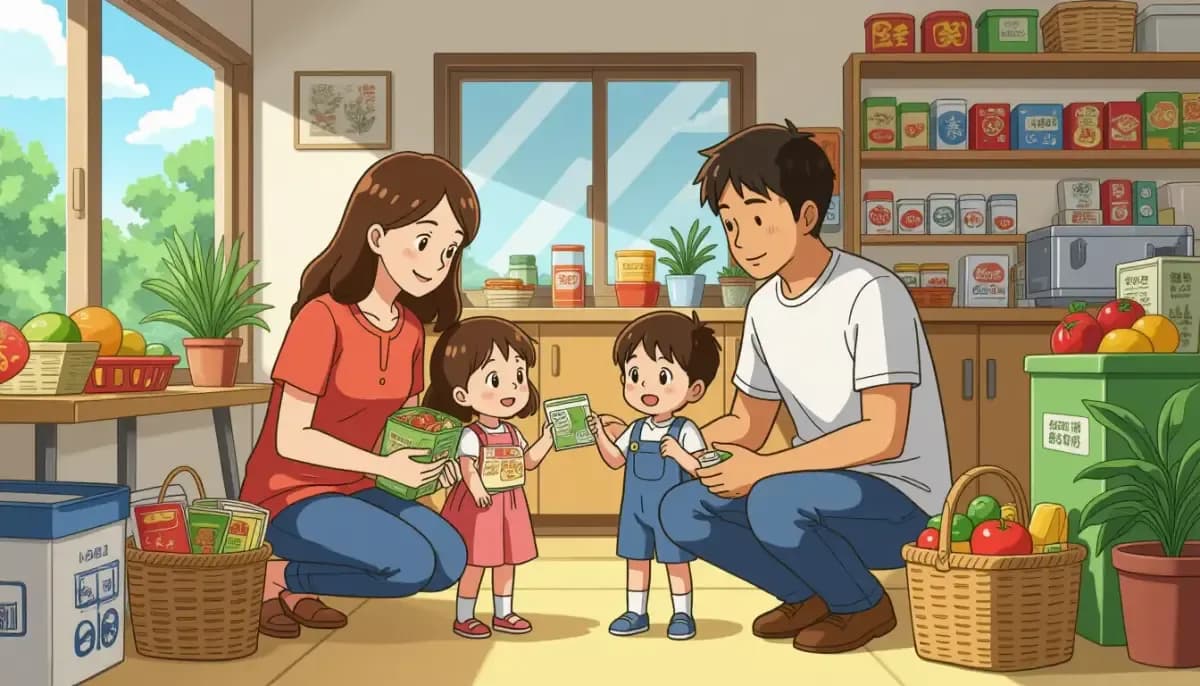
Discover the real cost of raising a child in Japan — from birth through high school. Complete breakdown of daycare, education, healthcare costs plus government subsidies for expat families.
Cost of Raising a Child in Japan: Complete Breakdown for Expat Families
Raising a child in Japan can be both rewarding and financially challenging. Whether you are planning your family or already navigating life with kids in Japan, understanding the real costs involved is essential for sound financial planning. This guide breaks down every major expense — from birth through high school and beyond — so you can budget with confidence.
According to a survey of over 53,000 parents conducted by Japan's National Center for Child Health and Development, the average monthly cost of raising a child in Japan is approximately ¥41,320. Over 18 years, that adds up to nearly ¥8.9 million in direct monthly expenses alone. Factor in education, extracurriculars, and one-time costs, and the total picture becomes much larger.
The good news: Japan offers a robust set of government subsidies and benefits that can dramatically reduce your out-of-pocket costs — if you know how to use them.
Birth and Early Infancy Costs
Having a baby in Japan is generally safe, well-organized, and — with the right preparations — more affordable than many expats expect.
Childbirth costs at a standard hospital typically range from ¥500,000 to ¥700,000. However, the Japanese government provides a birth grant (shussan ikuji ichijikin) of ¥500,000 per birth, which goes a long way toward covering this expense. This lump-sum payment is available to anyone enrolled in Japanese public health insurance (NHI or company insurance).
After birth, other early expenses include:
- Baby gear and furniture: Crib, stroller, car seat, baby monitor — budget ¥100,000–¥200,000 for initial setup.
- Formula and diapers: If breastfeeding is not possible, formula alone can cost ¥20,000–¥30,000/month. Diapers add another ¥5,000–¥10,000/month.
- Clothing: Japanese baby clothing is high quality but also premium-priced. Expect ¥30,000–¥50,000/year for infants.
- Medical checkups: Municipalities offer free or heavily subsidized infant health checkups (1-month, 3-month, 6-month, etc.). Out-of-pocket costs are minimal.
For a detailed breakdown of what to expect when having a baby in Japan, see our guide to Pregnancy and Giving Birth in Japan as a Foreign Parent.
Childcare and Daycare (Ages 0–5)
Childcare is often the single largest recurring expense for families with young children in Japan.
Hoikuen (認定こども園/保育園) — licensed public or quasi-public daycare centers — charge fees based on household income. For low-to-middle income families, monthly fees can be as low as ¥0–¥10,000. However, for higher-income families, fees can reach ¥50,000–¥80,000/month at public facilities, and even more at private hoikuen.
From 2019, Japan introduced free preschool education for children ages 3–5 at government-certified facilities (nintei kodomoen, hoikuen, and yochien). This applies to both Japanese nationals and foreign residents enrolled in NHI or qualifying insurance, making this one of the most significant cost reductions available to expat families.
Unlicensed private daycare (無認可保育所) can cost ¥100,000+ per month but offers greater flexibility in hours and availability.
For a complete guide to the daycare system, read our article on Daycare and Hoikuen in Japan for Foreign Parents.
Tokyo-based families should also note that Tokyo childcare subsidies can save qualifying families ¥1–2 million per year. For details on current programs, Tokyo Childcare Subsidies 2025 on E-Housing is an excellent resource.
Elementary School Costs (Ages 6–12)
Elementary school (小学校, shogakko) is compulsory and free at public schools. Tuition is ¥0. However, there are still associated costs:
- School lunch (kyushoku): Approximately ¥4,000–¥5,000/month
- Extracurricular activities (club fees): ¥3,000–¥10,000/month
- Supplies and materials: ¥30,000–¥60,000/year
- School trips (ensoku/shugakuryoko): ¥10,000–¥50,000 per trip, once or twice per year
Private elementary schools, by contrast, can cost ¥500,000–¥1,500,000+ per year.
For families considering international schools, costs are significantly higher — ¥1,500,000–¥3,000,000+ per year depending on the institution. See our International Schools in Japan: The Definitive Guide for full details.
For more on public elementary schooling, see Elementary School in Japan: A Complete Guide for Foreign Parents.
Junior High and High School Costs (Ages 12–18)
Costs increase significantly once children reach secondary school age.
Public junior high school (中学校) annual total cost averages approximately ¥488,000/year, covering school activities, trips, uniforms, and club dues. Tuition itself is free.
Private junior high school costs jump to over ¥1,400,000/year on average, with elite private schools in Tokyo and Osaka reaching ¥2,000,000+/year.
High school is not compulsory, but nearly all students attend. Public high school annual costs average around ¥512,000/year, while private high school averages over ¥1,000,000/year.
The Japanese government also provides a high school tuition support program (Jyugyoryohi shien) for qualifying families, which can cover a significant portion of private high school fees.
For foreign families navigating junior high, see Junior High School in Japan: Guide for Foreign Families. For high school options, see High School in Japan: Options and Guidance for Foreign Families.
Healthcare Costs for Children in Japan
Japan's healthcare system is highly accessible and affordable for children.
National Health Insurance (NHI) covers 70% of medical costs for all enrolled individuals, including children. However, most municipalities go further and offer free or near-free medical care for children up to age 15 or even 18 (depending on the city). In Tokyo, for example, children's outpatient and inpatient medical care is fully subsidized for those under 15.
Typical annual healthcare expenses for a healthy child: ¥10,000–¥50,000/year (after subsidies), covering routine checkups, occasional illness, dental care, and vaccinations.
For a comprehensive guide to navigating the healthcare system with children, see Healthcare and Medical Care for Children in Japan.
More information about government benefits can be found at Living in Nihon and For Work in Japan.
Total Cost Summary: Public vs. Private School Route
The following table summarizes estimated total costs from birth to age 18, comparing the all-public school route versus a mixed or private school route:
| Category | Public School Route | Private School Route |
|---|---|---|
| Birth & Early Infancy | ¥300,000–¥600,000 | ¥300,000–¥600,000 |
| Daycare (ages 0–2) | ¥0–¥1,440,000 | ¥1,200,000–¥3,600,000 |
| Preschool (ages 3–5) | Free (gov't program) | ¥0–¥1,500,000 |
| Elementary School (6 yrs) | ¥500,000–¥1,000,000 | ¥5,000,000–¥10,000,000 |
| Junior High School (3 yrs) | ¥1,464,000 | ¥4,200,000+ |
| High School (3 yrs) | ¥1,536,000 | ¥3,000,000+ |
| Healthcare (18 yrs) | ¥200,000–¥500,000 | ¥200,000–¥500,000 |
| Extracurriculars & Other | ¥500,000–¥1,500,000 | ¥1,000,000–¥3,000,000 |
| Total Estimated (birth–18) | ¥4.5M–¥7.6M | ¥15M–¥24M+ |
Note: These are estimates. Actual costs vary significantly by location, lifestyle, and family choices. International schools can push totals to ¥30M–¥50M+.
For the all-public route in Japan, ¥5–8 million from birth to age 18 is a realistic budget for most families — significantly lower than the average quoted monthly figure suggests once you account for government subsidies and the low cost of public education.
Government Benefits and Subsidies That Reduce Costs
Japan has several programs that significantly reduce the cost of raising children:
- Child allowance (jido teate): ¥10,000–¥15,000/month per child under 15, depending on age and family income.
- Birth grant: ¥500,000 lump sum upon birth.
- Free preschool education: Ages 3–5 at certified facilities.
- High school tuition support: For qualifying lower-income families.
- Municipal medical subsidies: Free or near-free healthcare for children in most cities.
- Single-parent support: Additional allowances for single-parent households.
For a full overview of available programs, see Government Benefits and Subsidies for Families in Japan.
Additional guidance for expat financial planning is available at Chuukou Benkyou, a resource focused on education planning in Japan.
Tips for Reducing Child-Rearing Costs in Japan
- Choose public schools: The cost difference between public and private can be millions of yen over 12 years.
- Apply for all government subsidies: Many expat families miss out on benefits they are entitled to simply because they are unaware.
- Use second-hand (furugiya) stores: Japan has an excellent market for used baby gear, clothing, and toys.
- Join local parent groups: Many municipalities offer free parenting classes, toy libraries, and playgroups that reduce costs while building community.
- Plan for university early: University costs (¥500,000–¥1,000,000+/year) are not included in the estimates above. Start saving early via Japan's NISA or other investment accounts.
For more on raising bilingual children in Japan with strategies that don't break the bank, see Raising Bilingual Children in Japan.
For in-depth financial planning for expat families, including investment strategies and savings plans, read the Financial Planning for Expat Families Raising Children in Japan pillar article.
Additional cost analysis and expat perspectives can be found at Navigator Japan's guide to raising kids in Japan and Nippon.com's education cost data.
Conclusion
Raising a child in Japan is a significant financial commitment, but it is far more manageable than many expats initially fear — especially when you take full advantage of Japan's generous subsidy programs, opt for the public school route, and plan ahead.
The key takeaway: a well-informed family following the public school route can raise a child from birth to 18 for roughly ¥5–8 million — quite reasonable compared to many Western countries. International school families should budget ¥20–30 million or more.
Whatever path you choose, understanding the full cost landscape puts you in the best position to make confident decisions for your family's future in Japan.

Originally from Vietnam, living in Japan for 16+ years. Graduated from Nagoya University, with 11 years of professional experience at Japanese and international companies. Sharing practical information for foreign parents raising children in Japan.
View Profile →Related Articles

Financial Impact of Choosing International Schooling
Discover the real financial impact of international schooling in Japan. Compare tuition tiers from JPY 1.2M to 10M+, one-time fees, employer allowances, government subsidies, and long-term planning strategies for expat families.
Read more →
College Fund Planning for Children in Japan
Learn how to plan a college fund for your children in Japan. Compare education savings options including gakushihoken, NISA, and government subsidies. Costs, strategies, and tips for foreign families.
Read more →
Childcare Costs and Affordability in Different Regions of Japan
A complete guide to childcare costs across Japan's regions — Tokyo, Osaka, rural areas — including subsidies, free preschool, and tips for expat families to save money.
Read more →
Managing Finances Across Two Countries as a Family
A complete guide for expat families in Japan on managing money across two countries: dual taxes, cross-border banking, international transfers, budgeting, and investments.
Read more →
Cost Comparison: Urban vs Rural Family Life in Japan
Compare the real costs of urban vs rural family life in Japan. From rent and transportation to education and food — find out which lifestyle suits your family's budget and needs.
Read more →
Estate Planning for International Families in Japan
Complete guide to estate planning for expat families in Japan: inheritance tax rates, will writing requirements, the 2024 gift tax reform, cross-border strategies, and what to do now to protect your children and spouse.
Read more →