Comprehensive guide to healthcare and medical care for children in Japan for foreign families. Covers health insurance, free medical subsidies, pediatric clinics, vaccinations, and tips for expat parents.
13 articles
Healthcare and Medical Care for Children in Japan: A Complete Guide for Foreign Families
Japan is widely celebrated for its exceptional healthcare system, and children living here benefit from some of the most comprehensive pediatric care in the world. For foreign families raising children in Japan, understanding how the system works — from health insurance enrollment to finding an English-speaking pediatrician — can make a dramatic difference in your family's wellbeing and peace of mind.
This guide covers everything you need to know about healthcare and medical care for children in Japan, written specifically for expat and foreign resident families navigating the system for the first time.
Japan's Pediatric Healthcare System: An Overview
Japan's child healthcare system is built on universal health insurance coverage, mandatory participation, and a robust network of local government subsidies that make medical care for children remarkably affordable — often entirely free.
The Japan pediatric healthcare market reached USD 791.41 million in 2024 and is projected to grow at a compound annual growth rate (CAGR) of 4.53% through 2033, reflecting ongoing investment in child health services. Japan ranks among the top five countries globally for the lowest infant mortality rates, a testament to the quality and accessibility of its pediatric care.
For foreign families, the most important thing to understand is that children in Japan are entitled to the same public healthcare benefits as Japanese nationals, provided they are registered residents and properly enrolled in health insurance.
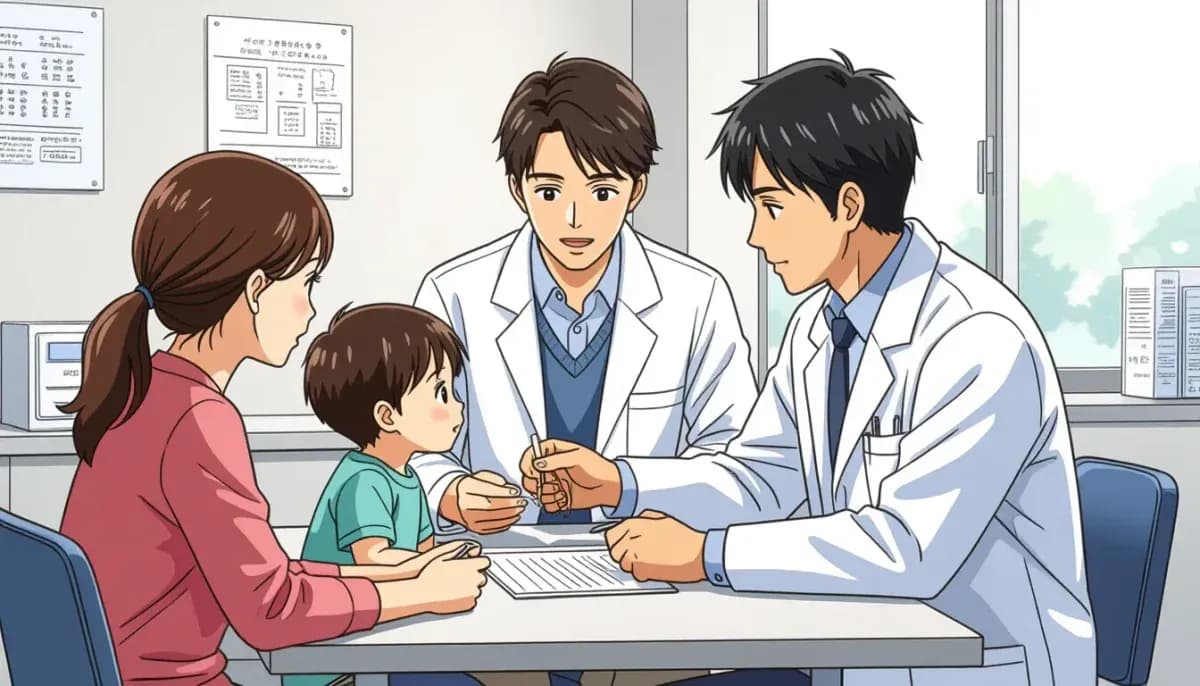
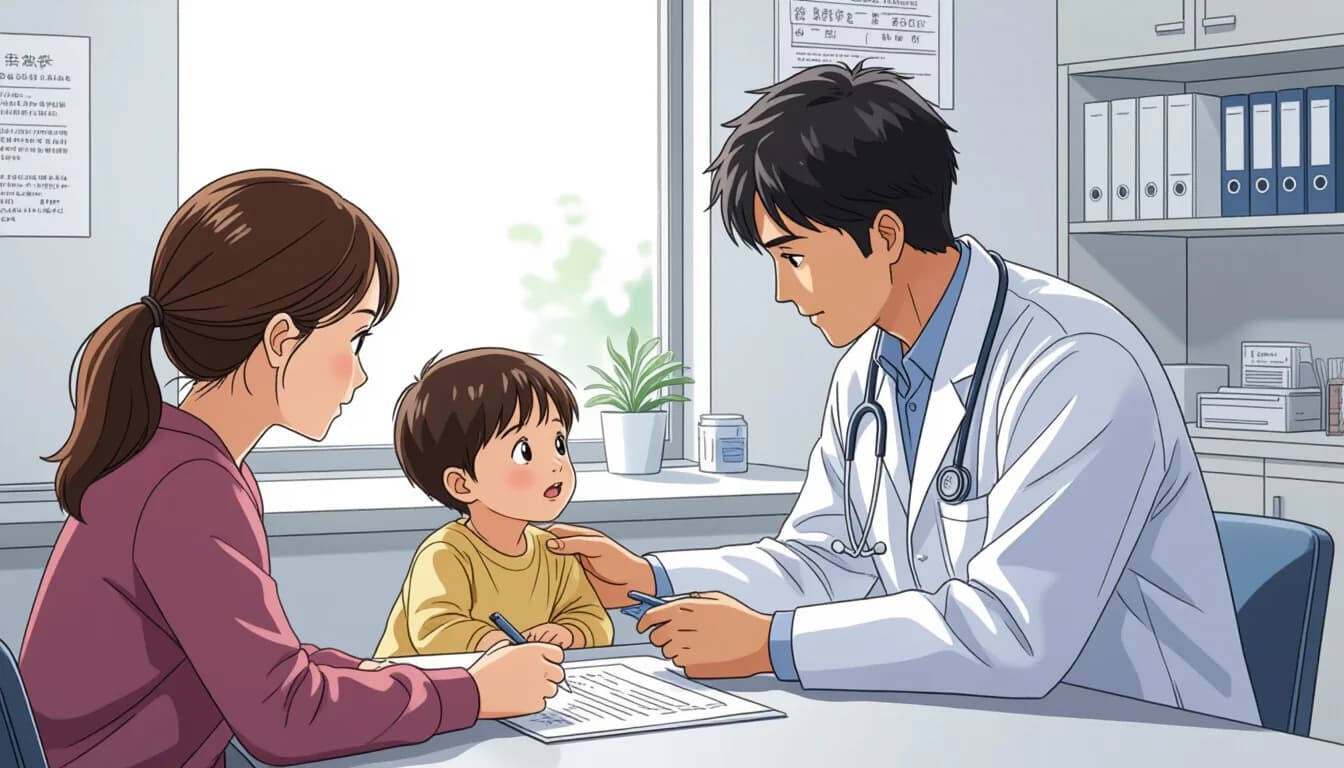
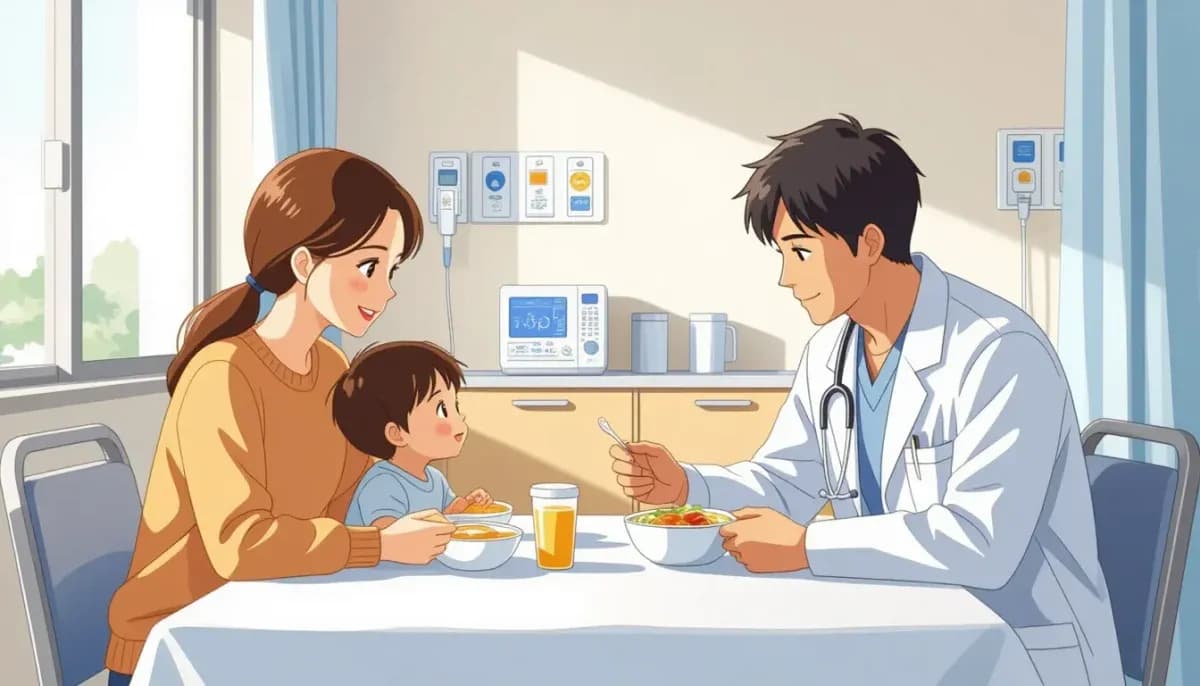
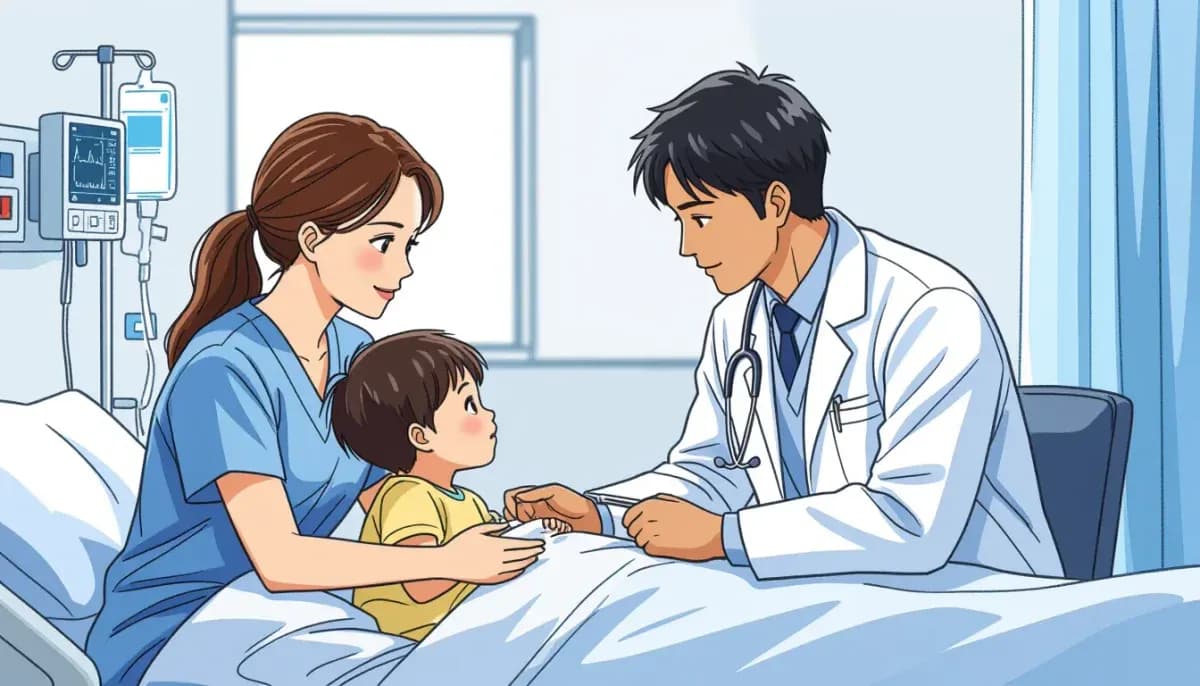
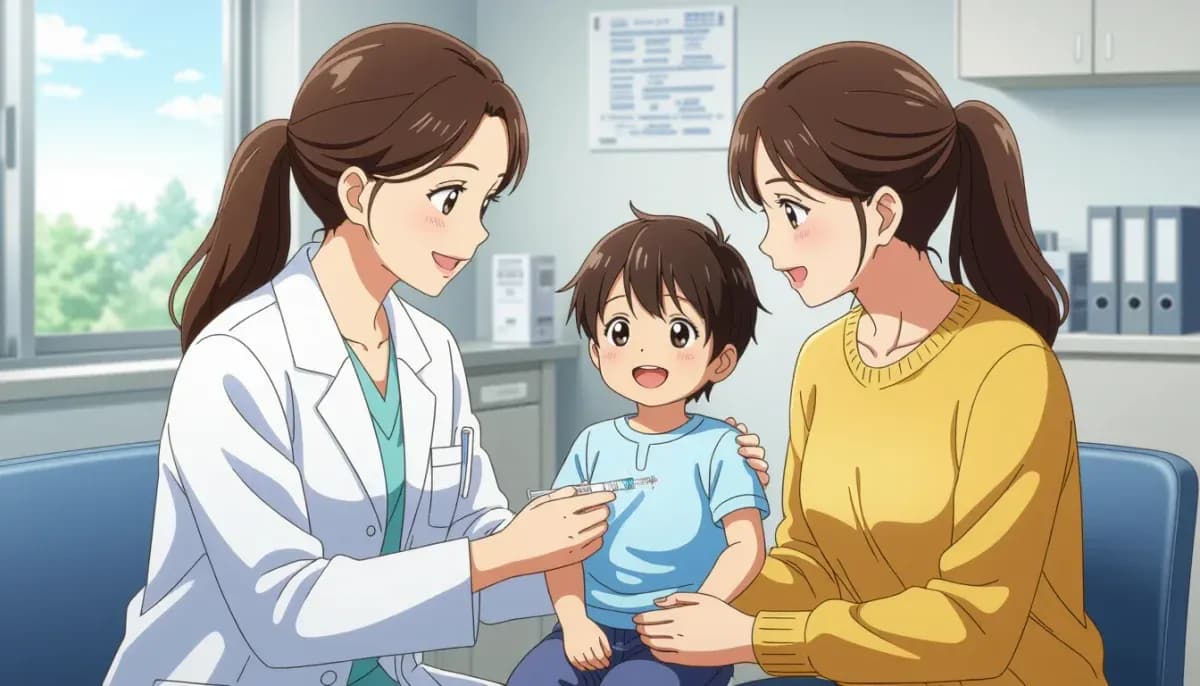
Children receiving medical care at a Japanese pediatric clinic
How Children Access the Healthcare System
Children in Japan typically visit pediatric clinics (小児科クリニック, shōnika kurinikku) for their primary healthcare needs. These neighborhood clinics serve children from birth through age 16, after which they transition to adult medical care. For serious conditions or specialized treatment, your pediatrician will provide a referral to a larger hospital.
Japanese children have 2.5 times more physician visits than children in the United States, and 11 times more hospital-based outpatient clinic visits. Frequent check-ups are a normal and expected part of raising children in Japan — don't be surprised if you're visiting the clinic monthly for minor issues.
Health Insurance for Children in Japan: What You Need to Know
All foreign residents staying in Japan for more than three months are legally required to enroll in Japan's public health insurance system. Children must also be enrolled and can be added as dependents to a parent's insurance at no additional premium cost.
There are two main types of health insurance in Japan:
Insurance Type
Who It's For
How to Enroll
Social Insurance (社会保険)
Company employees
Automatic through employer; add children as dependents
National Health Insurance (国民健康保険, NHI)
Self-employed, freelancers, students
Register at your local ward/city office
Children can be added to either type of insurance as dependents. For Social Insurance, adding a child as a dependent (扶養家族, fuyō kazoku) typically requires submitting family documentation to your employer's HR department.
The My Number Card and Insurance
As of December 2, 2024, traditional paper health insurance cards have been phased out in Japan. The new system uses the My Number Card (マイナンバーカード) with insurance functionality enabled, or an official certificate of coverage. Make sure your children's insurance is linked to their My Number Cards.
Free Medical Care for Children: The Subsidy System
One of the most remarkable aspects of raising children in Japan is the child medical expense subsidy system (子ども医療費助成制度, kodomo iryōhi joseisei do). This program, administered by local municipalities, covers the standard 30% co-payment that insured patients would otherwise pay.
In practice, this means that healthcare for children in Japan is effectively free or nearly free for most families.
Here's how coverage works nationally and by region:
Age Range
National Insurance Covers
Subsidy Covers
Family Pays
Under 6
80%
Up to 20% (local)
¥0–¥200/visit
Ages 6–15
70%
Up to 30% (local)
¥0–¥500/visit
Ages 16–18
70%
Varies by municipality
Varies
Tokyo's 23 wards offer free medical care for children through middle school graduation (age 15), with many extending this coverage through high school (age 18)
In October 2024, Japan's national child allowance program was extended to age 18, and many municipalities expanded their medical subsidies in line with this change
Rural municipalities may have less generous subsidies, but most still cover the majority of child medical costs
To access these benefits, you must obtain a Child Medical Certificate (子ども医療費受給者証, kodomo iryōhi jukyūsha shō) from your local ward or city office. Present this card at every medical appointment, along with your child's health insurance card.
Finding a Pediatrician: Practical Steps for Foreign Families
Finding the right pediatrician for your child is one of the first and most important tasks for newly arrived foreign families. Here's how to approach it:
Step 1: Look for Nearby Pediatric Clinics
Use these resources to find clinics near you:
Tokyo Himawari (for Tokyo residents): Search by clinic type, language, and area at the Tokyo Metropolitan Government's medical guidance service
AMDA International Medical Information Center: Provides multilingual guidance on finding medical care (Tel: 03-5285-8088)
Japan National Tourism Organization (JNTO) directory: Lists hospitals and clinics with foreign language services
Step 2: Check for English-Speaking Staff
English-speaking pediatric clinics exist in major cities like Tokyo, Osaka, Kyoto, and Fukuoka, but they are not standard in smaller cities or rural areas. When calling to make an appointment, ask:
英語を話せるお医者さんはいますか?(Eigo wo hanaseru oisha-san wa imasu ka?) — "Do you have an English-speaking doctor?"
International clinics and hospitals in major cities often have English-speaking pediatric staff. These include institutions like St. Luke's International Hospital in Tokyo, and various international clinics across the country.
Step 3: Prepare Your Documents
Bring to every appointment:
Health insurance card (or My Number Card with insurance enabled)
Child Medical Certificate (subsidy card)
Child's mother and child health handbook (母子健康手帳, boshi kenkō techō)
Any previous medical records or vaccination history
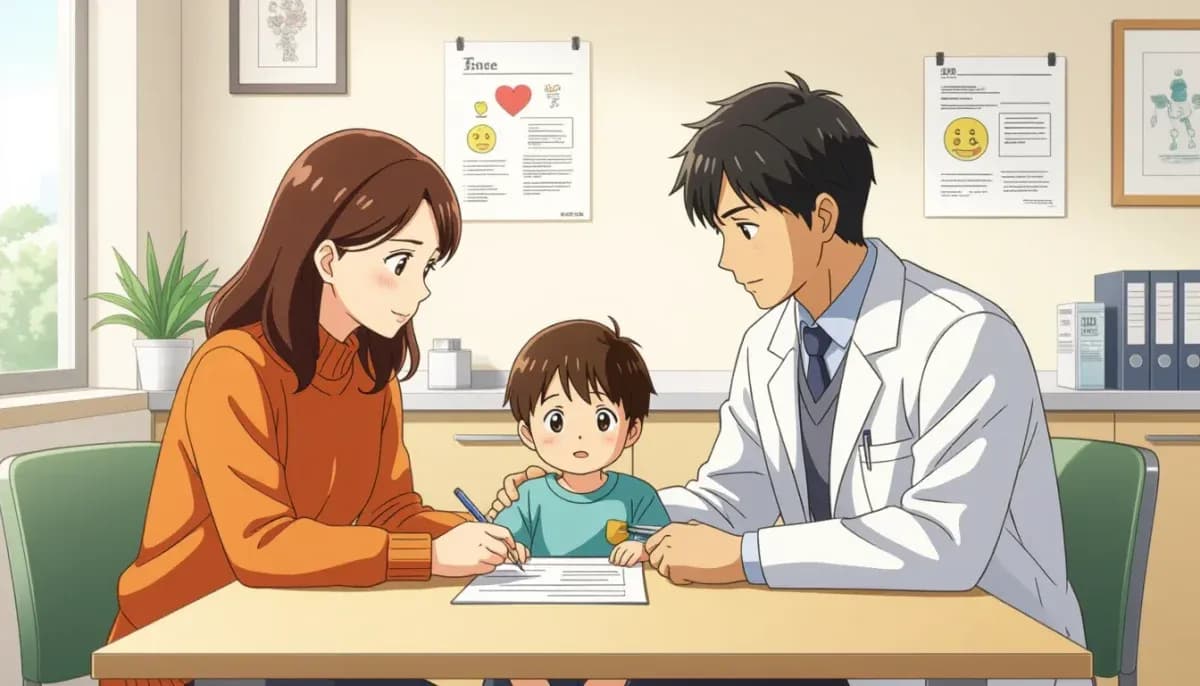
Parent and child at a Japanese hospital registration desk
Vaccinations for Children in Japan
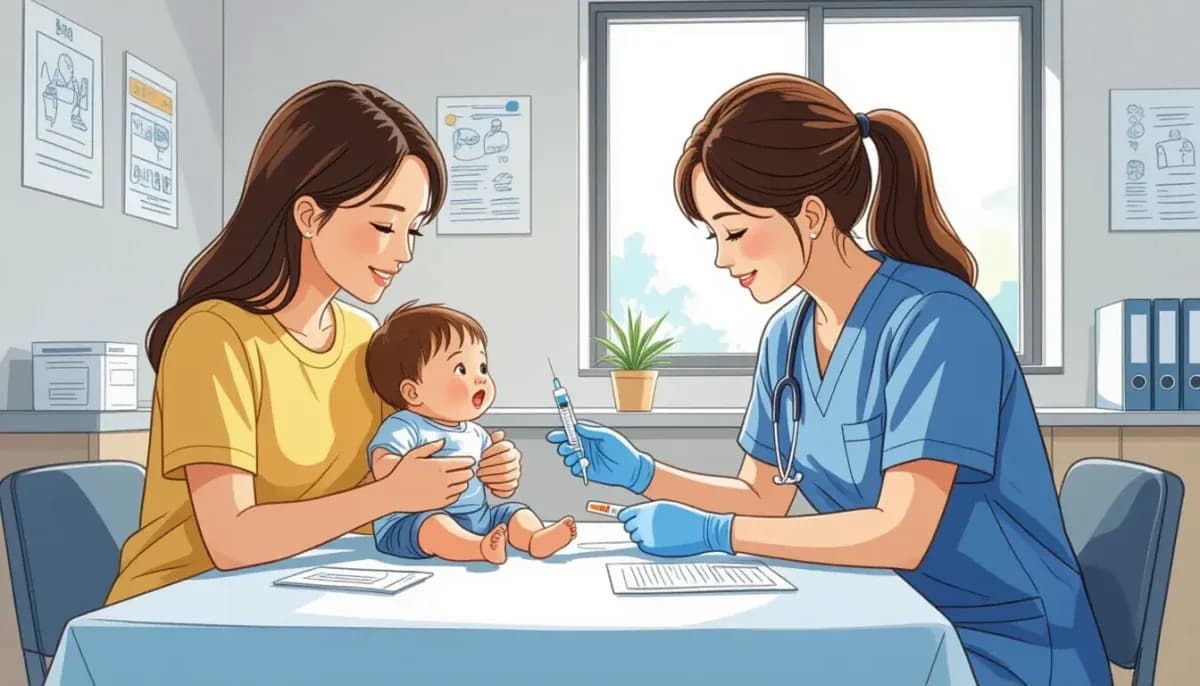
Japan has a comprehensive national vaccination program administered through local health centers. While vaccinations are not technically free under the national insurance framework, local municipalities send vaccination vouchers that cover the full cost of scheduled vaccines.
Routine Vaccination Schedule
Children in Japan receive the following vaccinations at no cost through the voucher system:
Vaccine
Timing
BCG (Tuberculosis)
Around 5 months
Hepatitis B
2, 3, 7–8 months
DPT-IPV (4-in-1)
2, 3, 4 months; booster at 11–13 months
Hib (Haemophilus influenzae b)
2, 3, 4 months; booster at 1 year
Pneumococcal (PCV13)
2, 3, 4 months; booster at 1 year
MR (Measles-Rubella)
12–24 months; again at 5–6 years
Varicella (Chickenpox)
12–15 months; booster at 18 months
Japanese Encephalitis
3 years; booster at 4 years
HPV
Girls aged 12–16
Important for foreign families: Vaccination vouchers are mailed to your registered address. Make sure your home address is correctly registered at your local ward office to receive these vouchers. If your child has received vaccinations abroad, bring documentation of prior immunizations to your first pediatric appointment to avoid duplicate vaccinations.
The Mother and Child Health Handbook (母子健康手帳)
When a pregnancy is registered in Japan, the local government issues a Boshi Kenkō Techō (母子健康手帳), commonly called the "mother-child health handbook" or "maternal and child health handbook." This document follows your child from birth through early childhood and records:
Birth details and measurements
Developmental milestones and check-ups
Vaccination records
Doctor's notes and health assessments
This handbook is used at every medical appointment, health check, and when enrolling your child in daycare or school. Keep it safe and bring it to all pediatric visits.
Japan has a structured program of free health check-ups (kenshin, 健診) for children at key developmental stages. These are organized by local municipalities and are separate from regular clinic visits:
Check-Up Age
What's Assessed
1 month
Post-birth health and development
3–4 months
Motor development, nutrition, hearing
6–7 months
Cognitive and motor development
9–10 months
Growth, motor skills
1 year
Walking, speech development
1.5 years (18 months)
Language, social behavior, nutrition
3 years
Vision, hearing, dental, cognitive skills
School entry (5–6 years)
Pre-school health screening
These check-ups are free and notifications are sent to your registered address. Missing them is not penalized, but they're strongly recommended as they catch developmental issues early and maintain your child's health record.
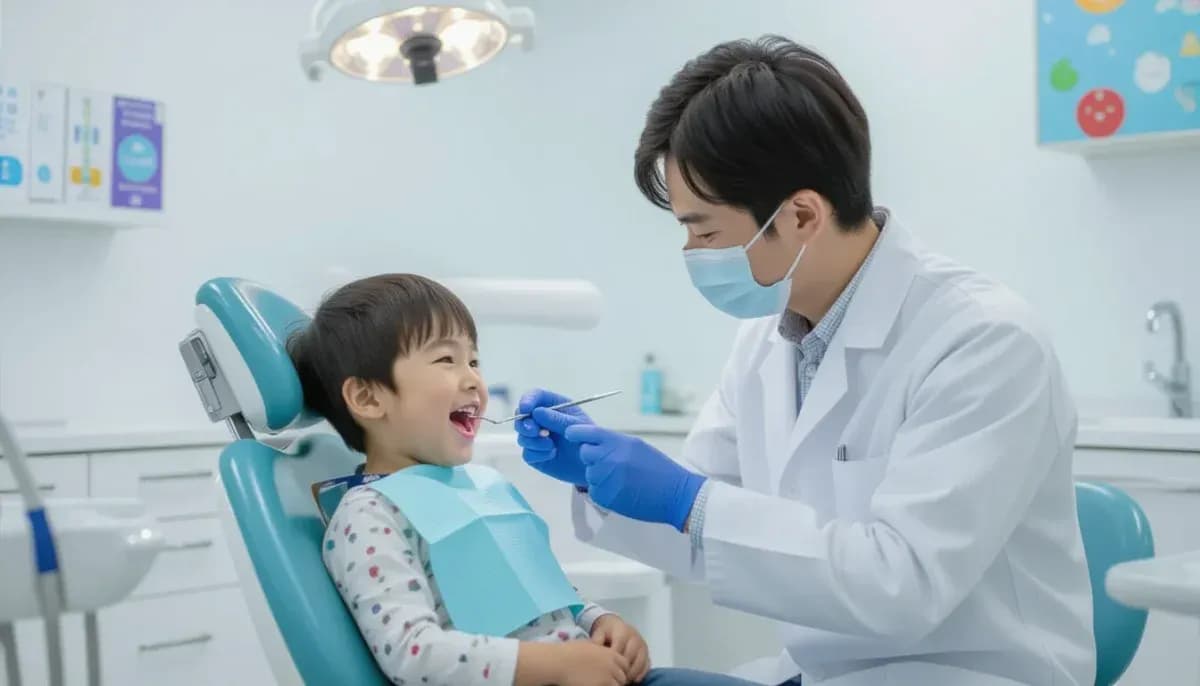
Dental Care for Children in Japan
Children's dental care is covered under the same subsidy system as general medical care. Most children can visit dentists for free or at minimal cost with their Child Medical Certificate.
Japan places significant emphasis on preventive dental care, and schools conduct regular dental check-ups. If issues are found during school screenings, parents receive written notification and are encouraged to seek treatment promptly.
Emergency Medical Care for Children
If your child requires emergency medical care in Japan:
Call 119 for an ambulance (kyūkyūsha, 救急車). This is Japan's emergency number for medical emergencies and fires.
Call #7119 for the emergency medical consultation hotline, where you can speak with a nurse or doctor about whether hospital care is needed (available in many cities; Tokyo coverage is comprehensive).
Joshi Center / Children's Emergency Clinics: Many areas have dedicated after-hours pediatric emergency clinics (joshi kyūkyū, 女子救急) that handle non-life-threatening emergencies outside regular clinic hours.
For foreign families, the Tokyo Metropolitan Medical Institution Guide (Himawari) provides a 24-hour phone service with multilingual support to help you find after-hours medical care.
Managing Chronic Conditions and Special Medical Needs
Children with chronic conditions or special medical needs receive additional support through Japan's healthcare system:
Special Child Rearing Allowance (特別児童扶養手当): A government payment for parents raising children with physical or mental disabilities
Child Disability Allowance (障害児福祉手当): For children with severe disabilities who require constant care
Reduced or zero-cost treatment: Many chronic conditions in children are covered under extended subsidy programs
For children who require ongoing specialized care, Japanese university hospitals and children's hospitals offer comprehensive services. The National Center for Child Health and Development in Tokyo is Japan's leading children's research hospital.
Tips for Foreign Families Navigating the System
Language barriers are one of the biggest challenges for foreign families seeking medical care in Japan. Here are practical strategies:
Use translation apps: Google Translate with camera function works reasonably well for reading medical documents
Bring a Japanese-speaking friend: For complex consultations, having a bilingual friend or colleague present is invaluable
Prepare a health summary card: Write your child's medical history, allergies, and current medications in Japanese — your clinic can help you draft this
Request multilingual materials: Many major hospitals have medical interpretation services and multilingual patient guides
Do I need private health insurance for my children in Japan? For most families, Japan's public health insurance combined with the municipal subsidy system provides excellent coverage, making private insurance unnecessary for routine care. Some families opt for supplemental private insurance for hospitalization or for coverage abroad.
Can my children see a doctor even if we just arrived? Yes, but you must be enrolled in health insurance first. Enroll within 14 days of arrival or job change at your local ward office or through your employer. Until enrolled, you'll pay full cost out of pocket (though this can sometimes be reimbursed retroactively after enrollment).
What if my child has an allergy or medical condition the doctor should know about? Prepare a written summary in Japanese. Many doctors in Japan may have limited English, and written documentation ensures accurate communication. Apps like Google Translate can help you draft this summary.
Is mental health care available for children in Japan? Child and adolescent psychiatry is available in Japan, but wait times can be long and English-language specialists are rare. A recent UNICEF study noted that while Japanese children are physically among the healthiest in the world, mental wellbeing services remain underdeveloped. For more on this topic, see our guide to Mental Health and Emotional Wellbeing for Foreign Children in Japan.
Conclusion
Japan's healthcare system for children is genuinely world-class. Between universal health insurance, municipal medical subsidies that make most care free, a structured vaccination program, and regular developmental health check-ups, foreign families raising children in Japan have access to outstanding pediatric care.
The key steps are: enroll in health insurance immediately upon arrival, obtain your child's Medical Care Certificate from the ward office, register at a local pediatric clinic, and keep your boshi kenkō techō (health handbook) up to date. With these in place, you'll find that caring for your child's health in Japan is not just manageable — it's genuinely excellent.