
Finding English-Speaking Pediatricians in Japan

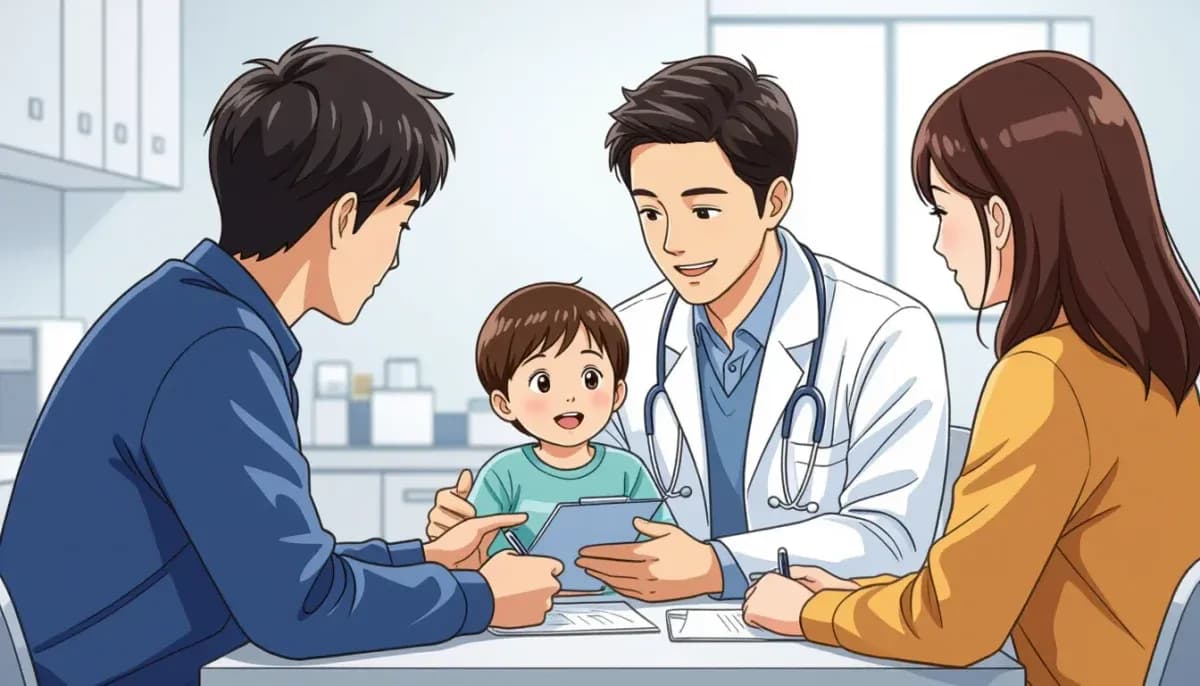
A complete guide for foreign parents on finding English-speaking pediatricians in Japan, understanding child medical costs, vaccinations, and emergency care resources.
Finding English-Speaking Pediatricians in Japan: A Complete Guide for Foreign Parents
Moving to Japan with children is an exciting adventure, but one of the first concerns many foreign parents have is: "What happens if my child gets sick?" Navigating a new healthcare system in a foreign language can feel overwhelming. The good news is that Japan has a high-quality pediatric care system, and with the right information, finding an English-speaking pediatrician is entirely achievable — whether you're in Tokyo, Osaka, or beyond.
This guide covers everything you need to know about finding English-speaking pediatricians in Japan, understanding costs, using your health insurance, and what to do in a medical emergency.
Understanding Japan's Pediatric Healthcare System
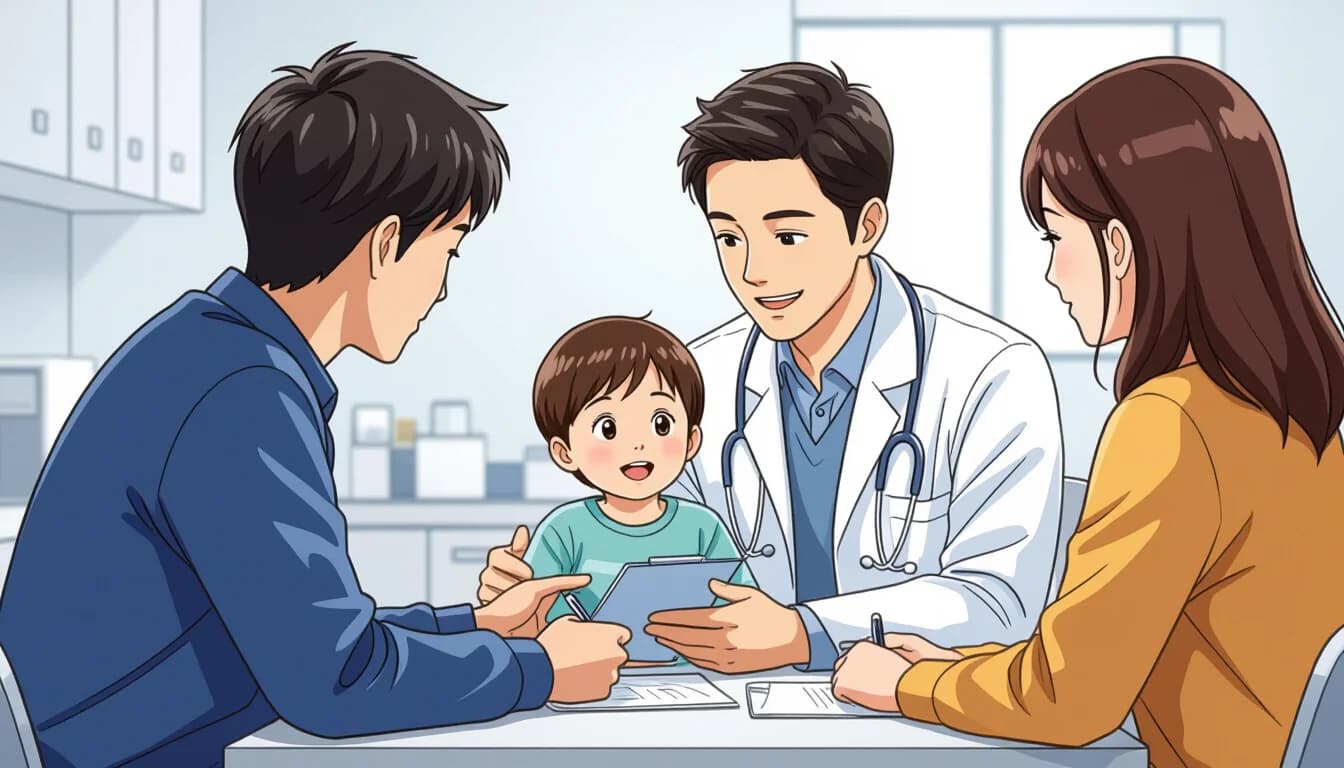
Japan's healthcare system is renowned for its quality and accessibility. Pediatricians (小児科, shōnika) in Japan typically treat children from birth up to around 15 years of age, handling everything from routine checkups and vaccinations to common illnesses and developmental concerns.
Unlike some countries where you need a referral to see a specialist, Japan's system allows you to visit a pediatric clinic directly. There are two main types of facilities to consider:
- Local pediatric clinics (小児科クリニック): Smaller neighborhood clinics that handle primary care, vaccinations, and common childhood illnesses. These are ideal for everyday healthcare needs.
- Large hospital pediatric departments (病院の小児科): Better for complex cases, specialist referrals, or after-hours emergencies.
For routine care, local clinics are typically preferred. They have shorter wait times, personalized service, and doctors who know your child over time. Starting your child at a neighborhood pediatrician early — even before they get sick — is highly recommended.
For a broader overview of navigating healthcare as a foreign family in Japan, see our guide on Healthcare and Medical Care for Children in Japan.
English-Speaking Pediatric Clinics in Tokyo
Tokyo has the largest concentration of English-speaking medical professionals in Japan. Here is a list of well-known clinics with English-speaking staff offering pediatric services:
| Clinic Name | Location | Phone | Notes |
|---|---|---|---|
| Flow East Clinic (Dr. Izumi Sakuma) | Minami-Azabu, Minato-ku | 03-6277-3555 | Online booking, vaccinations |
| National Medical Clinic (Dr. Karl Che) | Minami-Azabu, Minato-ku | 03-3473-2057 | Fee from ¥12,000, no Japanese insurance |
| Tokyo Medical and Surgical Clinic (Dr. Tom Lomax) | Shibakoen, Minato-ku | 03-3436-3028 | 365-day urgent care |
| Hiroo International Clinic (Dr. Isao Tsutsui) | Minami-Azabu, Minato-ku | 03-5789-8861 | Accepts Japanese national insurance |
| Kijima Pediatric & Otorhinolaryngology | Tomigaya, Shibuya-ku | 03-3467-6740 | Pediatrics + ENT, online appointments |
Flow East Clinic is a popular choice for expat families in the Azabu area. Dr. Izumi Sakuma provides pediatric care including vaccinations, with online booking available. Hours run Monday through Saturday mornings and weekday afternoons, plus Sunday mornings for health checks.
The National Medical Clinic, led by Dr. Karl Che, has served the expat community since 1988. Note that they do not accept Japanese health insurance, so you will need private insurance or to pay out of pocket — consultation fees start at ¥12,000 per visit.
Hiroo International Clinic is a great option if you want an English-speaking doctor who also accepts Japan's national health insurance. Dr. Isao Tsutsui offers pediatrics, vaccinations, school medical exams, and health checkups.
For a comprehensive resource on English-speaking pediatric clinics in Tokyo and Yokohama, see the detailed listing at Metropolis Japan's English-speaking pediatric services guide.
English-Speaking Pediatric Clinics in Yokohama
Yokohama also has several options for English-speaking pediatric care, making it a good base for expat families south of Tokyo:
| Clinic Name | Location | Phone | Notes |
|---|---|---|---|
| The Bluff Medical and Dental Clinic | Yamate-cho, Naka-ku | 045-641-6961 | Accepts Japanese national insurance |
| Southwood Kids Clinic | Chigasaki Chuo, Tsuzuki-ku | 045-942-7700 | Pediatric specialist clinic |
| Yokohama International Clinic | Minatomirai, Nishi-ku | 045-224-2111 | Internal medicine, orthopedics |
The Bluff Medical and Dental Clinic is a particularly convenient option for Yokohama expat families as it accepts Japanese national health insurance and offers comprehensive pediatric and dental services.
Understanding the Child Medical Expense Subsidy Program
One of the most significant — and often overlooked — benefits for foreign families with children in Japan is the Child Medical Expense Subsidy Program (子ども医療費助成制度). This government program can dramatically reduce or even eliminate your child's medical costs.
Here is how it works:
- Who qualifies: Children enrolled in Japan's national or company health insurance system (which covers most foreign residents) are eligible.
- Age coverage: The program covers children from birth up to age 18 (specifically until March 31 of the year they turn 18), though the exact upper age limit varies by municipality.
- What is covered: Treatment and prescription medications at clinics and hospitals. In many wards of Tokyo and other major cities, children pay ¥0 or a nominal fee of ¥200–¥500 per visit.
- What is NOT covered: Vaccinations and routine health checkups are not covered by standard insurance. However, your local ward or city office will provide coupons (接種券) to cover the cost of mandated vaccinations.
To access these benefits, you need to obtain the Free Medical Care Certificate for Infants (乳幼児医療証, *Nyuyouji Iryoushou*) from your local municipal office. Apply as soon as you enroll your child in the Japanese health insurance system.
For more details on government support available to your family, read our guide on Government Benefits and Subsidies for Families in Japan.
Vaccinations in Japan: What You Need to Know
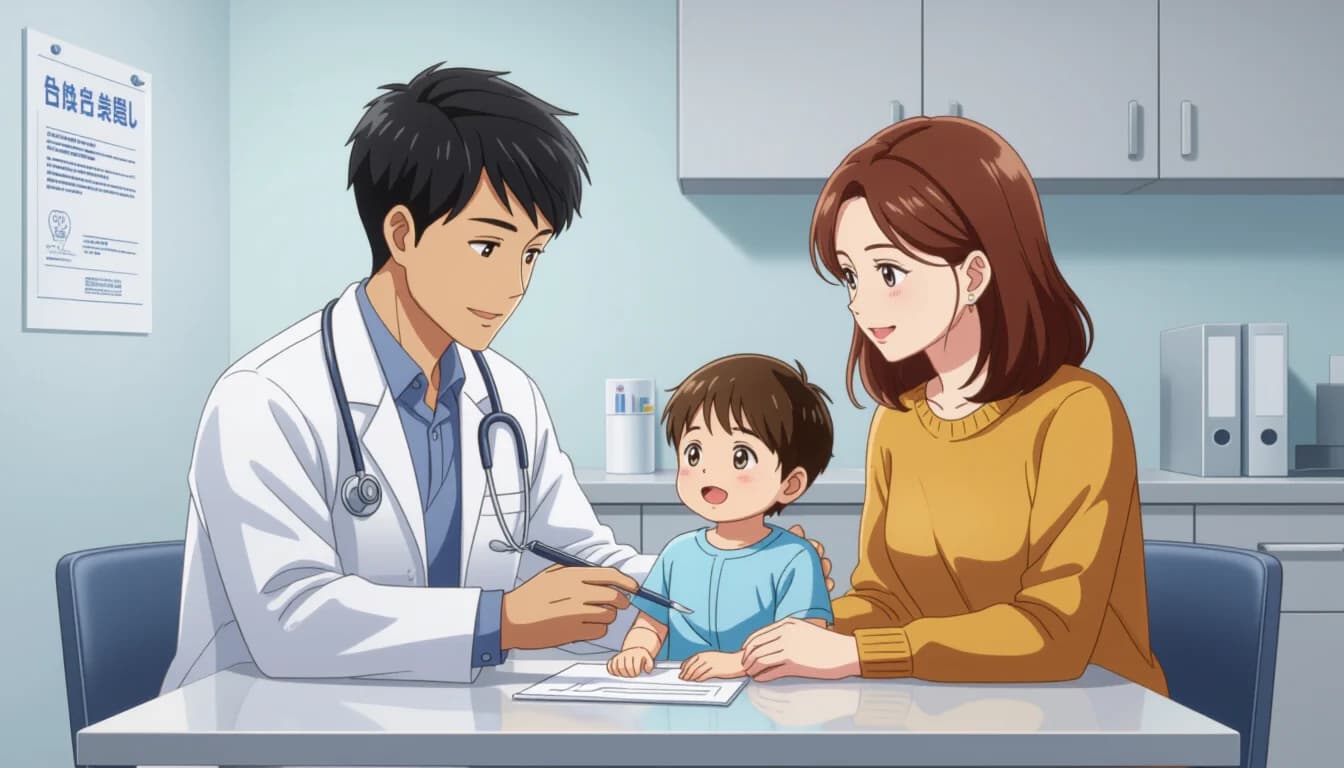
Japan has a comprehensive vaccination schedule for children, but it differs somewhat from programs in other countries. Key vaccines available in Japan include:
- BCG (tuberculosis) — given around 5 months
- MR (measles-rubella combined) — given at 1 year and again at kindergarten age
- Hib, Pneumococcal, DPT-IPV — standard infant schedule
- Chickenpox (Varicella) — two doses in infancy
- Japanese Encephalitis — recommended for children living in Japan
- HPV — currently recommended for girls at junior high school age
Your ward office will provide a vaccination booklet (母子手帳, Boshi Techō — the Mother and Child Health Handbook) with coupons for each publicly funded vaccine. This handbook is available in multiple languages at your local municipal office. Keep it safe — you will need it throughout your child's development.
Some vaccines common in your home country may not be routinely offered in Japan (such as the meningococcal vaccine), so discuss your child's full vaccination history with your English-speaking pediatrician to identify any gaps. Japan Healthcare Info offers a useful resource for understanding the pediatric vaccination schedule — see Japan Healthcare Info's pediatrics section.
Finding a Pediatrician Outside Tokyo: Resources and Tips
If you live outside of Tokyo or Yokohama, finding an English-speaking pediatrician takes more effort but is still possible. Here are practical strategies:
1. Use the Tokyo Metropolitan Health and Medical Information Center Even outside Tokyo, this multilingual resource provides a searchable database of hospitals and clinics with foreign language support. Call 03-5285-8181 (available in English, Chinese, Korean, Spanish, and Thai, 9am–8pm daily).
2. Call #8000 for Pediatric Advice Japan's #8000 hotline connects you with a nurse or pediatrician who can advise on your child's condition and whether a hospital visit is needed. Available evenings and weekends in most prefectures. This is an invaluable resource for non-emergency concerns, especially when you are not sure how serious symptoms are.
3. Check Your Local International School Network International schools often maintain lists of recommended English-speaking doctors in the area. Even if your child does not attend an international school, their websites sometimes share medical resources publicly.
4. Expat Community Groups Facebook groups, Reddit (r/japanlife), and local expat groups are excellent sources for personal recommendations from parents who have navigated the system. Recommendations from other foreign parents in your city or region are often the most practical resource.
5. Japan Healthcare Info (JHI) JHI offers a concierge-style service that can help you locate an English-speaking pediatrician in your area, obtain the medical care certificate, gather vaccination information from your municipality, and arrange appointments. Contact them at contact@japanhealthinfo.com (Mon–Fri, 9:00–17:00 JST).
For additional support on raising children in Japan as a foreign parent, the team at Living in Nihon has a comprehensive guide for foreign families raising children and navigating education.
What to Bring to a Pediatric Appointment in Japan
Being prepared before your visit will make the experience smoother, especially at Japanese-language clinics:
- 健康保険証 (Kenkō Hoken-shō): Your child's health insurance card — always bring this.
- 医療証 (Iryōshō): The child medical care certificate from your ward office.
- 母子手帳 (Boshi Techō): The Mother and Child Health Handbook with vaccination history.
- A translation card: If visiting a Japanese-language clinic, prepare a simple card with your child's name, date of birth, allergies, current medications, and symptoms in Japanese. Google Translate or apps like Midori can help.
- Your insurance information: If you have private international health insurance in addition to Japanese national insurance, bring that documentation as well.
At bilingual clinics, most of this information can be communicated in English, but having documents ready in both languages is always advisable.
Emergency Pediatric Care in Japan
In a genuine emergency, knowing your options is critical:
- 119: Japan's ambulance number. Dispatchers speak Japanese but some areas have multilingual support. Clearly say the address and "kodomo" (child) or "kyūkyū" (emergency).
- #7119: Non-emergency consultation line in many prefectures — advises whether to go to the ER.
- #8000: Pediatric-specific advice line — nurses and pediatricians available evenings and weekends.
- Tokyo Metropolitan Health and Medical Information Center: 03-5285-8181, multilingual, 9am–8pm daily.
Major international hospitals such as St. Luke's International Hospital (Tokyo) and Kobe Adventist Hospital also have emergency services with English-speaking staff.
If your child has a serious chronic condition or special medical needs, it is worth introducing yourself to the pediatric emergency department at your nearest large hospital before an emergency arises, so staff are familiar with your child's case.
For broader guidance on family healthcare and what to expect, also check out the For Work in Japan healthcare guide and our internal resource on Financial Planning for Expat Families with Children in Japan.
Making the Most of Japan's Pediatric Healthcare
Japan's pediatric healthcare system is genuinely excellent — high standards of care, widely available specialists, and strong public health infrastructure. For foreign families, the main challenges are language barriers and knowing how to navigate the system. With an English-speaking pediatrician and a good grasp of the benefits available to you, those challenges become very manageable.
Key takeaways:
- Register your child with Japanese health insurance as soon as possible and obtain the child medical care certificate from your ward office.
- Find an English-speaking pediatrician before your child gets sick — ideally within your first month of arrival.
- Keep the #8000 number saved in your phone for pediatric advice outside clinic hours.
- Use expat community networks and resources like Japan Healthcare Info to find local recommendations.
- Take advantage of Japan's generous child medical subsidy system — healthcare for your children can effectively be free or very low cost.
For more on what life is like raising children in Japan, visit our guide on Baby and Infant Care in Japan for Foreign Parents and Toddler Parenting in Japan. You can also find more context about the Expatica guide to children's healthcare in Japan.

Originally from Vietnam, living in Japan for 16+ years. Graduated from Nagoya University, with 11 years of professional experience at Japanese and international companies. Sharing practical information for foreign parents raising children in Japan.
View Profile →Related Articles
Children's Health Checkup Timeline in Japan
Complete guide to Japan's children's health checkup timeline for foreign parents. Learn about free municipal checkups, vaccination schedules, costs, and tips for expats navigating the Japanese healthcare system.
Read more →
When Your Child Is Hospitalized in Japan
Navigate your child's hospitalization in Japan with confidence. Learn about admission procedures, costs, insurance coverage, what to bring, communicating with staff, and discharge in Japan's pediatric system.
Read more →
Understanding Medical Forms and Documents at Japanese Schools
A complete guide to understanding medical forms and health documents at Japanese schools for foreign families, including school health checkups, vaccination records, allergy forms, and enrollment documents.
Read more →
Traditional Japanese Remedies and Home Treatments for Kids
Discover traditional Japanese home remedies for children: okayu, hachimitsu daikon, shoga-yu, umeboshi, and Kampo medicine. Practical guide for foreign parents in Japan.
Read more →
Mental Health Services for Children in Japan
Navigate mental health services for children in Japan as a foreign parent. Find English-speaking therapists, understand insurance coverage, and access crisis resources for your child.
Read more →
Eye Care and Vision Screening for Children in Japan
Complete guide to children's eye care in Japan: mandatory school vision screenings, ganka clinics, myopia statistics, insurance coverage, and tips for expat families navigating Japan's eye health system.
Read more →