
Traditional Japanese Remedies and Home Treatments for Kids

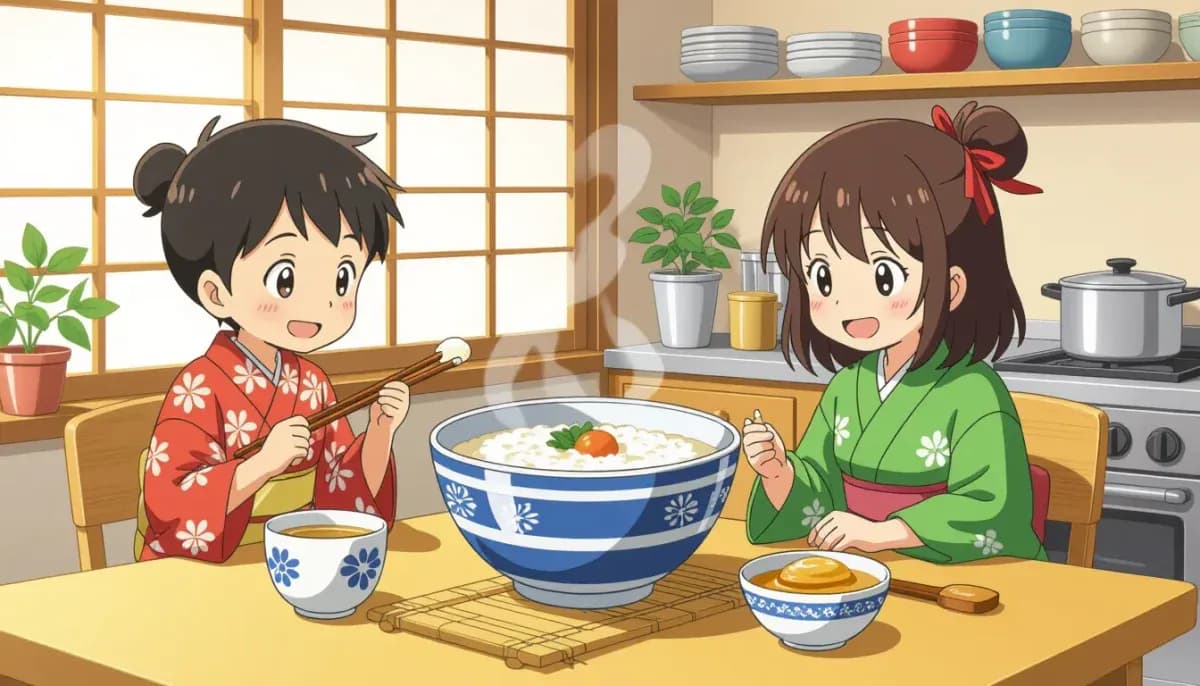
Discover traditional Japanese home remedies for children: okayu, hachimitsu daikon, shoga-yu, umeboshi, and Kampo medicine. Practical guide for foreign parents in Japan.
Traditional Japanese Remedies and Home Treatments for Kids
When your child wakes up in the middle of the night with a fever, a cough, or an upset stomach, the last thing you want is to navigate a foreign pharmacy or sit in a hospital waiting room. As a foreign parent raising children in Japan, you will quickly discover that Japanese households have a rich tradition of effective home treatments passed down through generations. These remedies are gentle, widely available, and often just as effective as over-the-counter medication for mild illnesses.
This guide covers the most trusted traditional Japanese remedies for children, explains how to prepare them safely, and helps you understand how Kampo — Japan's system of herbal medicine — fits into modern Japanese pediatric care. Whether you are caring for a baby with their first cold or soothing a school-age child with an upset stomach, these time-tested treatments are worth having in your parenting toolkit.
What Makes Japanese Home Remedies Special for Children
Japanese traditional medicine has a long history of adapting remedies for children's more sensitive systems. Rather than relying on strong synthetic ingredients, traditional Japanese home treatments use food-based ingredients — ginger, rice, honey, plums, daikon radish — that are gentle enough for young bodies and easy to prepare at home.
Japan's traditional herbal medicine system, known as Kampo (漢方), has been integrated into modern medicine to a degree unlike anywhere else in the world. Over 80% of Japanese physicians prescribe Kampo remedies, and 148 Kampo herbal formulas are covered under Japan's national health insurance system. According to research, 68.1% of pediatricians in Japan use Kampo treatments, with respiratory illnesses being the most commonly treated condition in children.
This means that when you use traditional Japanese home remedies, you are not turning your back on modern medicine — you are participating in a healthcare tradition that Japan's own medical establishment takes seriously. For foreign families in Japan, understanding these remedies also helps you communicate better with Japanese grandparents, neighbors, and daycare staff who may suggest them.
Okayu (お粥) — The Universal Remedy for Sick Children
Okayu is perhaps the single most important Japanese remedy to know as a parent. It is a simple rice porridge made by simmering rice in a large quantity of water until the grains break down into a soft, easily digestible consistency. Most Japanese rice cookers have a dedicated okayu setting, making it effortless to prepare.
Why it works for children:
- Extremely easy to digest, even for infants in the weaning period
- Keeps children hydrated as they eat
- Provides gentle energy and nutrients without straining the digestive system
- Naturally bland, making it palatable even when children have no appetite
How to make basic okayu:
- Rinse ½ cup of short-grain Japanese rice
- Add 3–5 cups of water (more water = softer porridge)
- Bring to a boil, then simmer on low heat for 30–40 minutes
- Add a tiny pinch of salt if desired
For babies, you can make a thinner version with even more water. For older children, add a small umeboshi on top, a few drops of soy sauce, or a sprinkle of sesame seeds for flavor. Okayu is given to children with colds, fevers, stomach viruses, and any illness that reduces appetite.
Hachimitsu Daikon (はちみつ大根) — Honey and Daikon for Coughs
Hachimitsu daikon is a grandmother-approved remedy for coughs, sore throats, and congestion that works well for children old enough to eat honey (over 12 months old — never give honey to infants under one year due to botulism risk).
Daikon radish is rich in vitamin C and contains special enzymes that act as mucolytic agents, helping to break down and dissolve mucus. Honey adds natural antibiotic properties and makes the remedy sweet enough for children to take willingly.
How to prepare hachimitsu daikon:
- Peel and dice a daikon radish into small cubes
- Place in a clean jar and cover completely with honey
- Leave at room temperature for 3–4 hours (the daikon will release liquid into the honey)
- Give your child 1 tablespoon of the resulting syrup 2–3 times daily
- Store in the fridge for up to one week
The syrup can be taken straight or mixed into warm water as a drink. Children generally love the sweet taste. This remedy is particularly effective for nighttime coughs.
Shoga-yu (生姜湯) — Ginger Tea for Colds and Chills
Shoga-yu (ginger hot water) is Japan's version of the classic ginger remedy. Ginger has warming properties that are especially useful when a child has a cold, chills, or feels run down. It contains manganese and other compounds with antioxidant and anti-inflammatory properties.
Child-safe preparation:
- Peel and thinly slice fresh ginger (about 2–3 slices per cup)
- Simmer in water for 20–30 minutes until the water turns pale yellow
- Strain and let cool to a warm, comfortable temperature
- Add honey to taste — but add honey only after cooking, never heat honey directly
- Serve in small amounts, 2–3 times per day
The intensity can be adjusted by using less ginger for younger or more sensitive children. Avoid giving strong ginger tea to babies; a very mild, diluted version is safer for toddlers. For school-age children, the standard preparation is fine.
Umeboshi (梅干し) — Pickled Plum for Nausea and Fever
Umeboshi, Japanese pickled plums, are a staple in Japanese households and one of the most versatile traditional remedies. They have a strongly sour and salty taste that children either love or initially resist, but their medicinal uses are significant.
Umeboshi have alkalizing properties that help balance the body's pH, fight fatigue, and ease nausea. Traditionally, they are used to:
- Lower mild fevers (by encouraging sweating)
- Settle upset stomachs and nausea
- Aid digestion and fight food-related stomach upset
- Provide minerals when a child refuses to eat
Simple umeboshi remedies for children:
- Umeboshi tea: Add 1–2 umeboshi to hot water and stir until they break apart. Sip slowly.
- With okayu: Place one umeboshi on top of okayu as a natural seasoning and stomach soother.
- Direct: Older children can eat small amounts of umeboshi directly.
Umeboshi are available at every Japanese supermarket and convenience store. Look for varieties labeled "はちみつ梅" (honey umeboshi) for a milder, less salty taste that children tend to prefer.
Traditional Remedies Comparison Table
| Remedy | Japanese Name | Best For | Age Suitability | Preparation Time |
|---|---|---|---|---|
| Rice porridge | お粥 (Okayu) | Fever, any illness, low appetite | All ages including infants | 30–40 min |
| Honey daikon syrup | はちみつ大根 | Cough, sore throat, congestion | 12 months+ (no honey under 1) | 3–4 hours (passive) |
| Ginger tea | 生姜湯 (Shoga-yu) | Cold, chills, runny nose | 2 years+ (diluted for toddlers) | 25–35 min |
| Pickled plum tea | 梅干し茶 | Nausea, fever, fatigue | 2 years+ | 5 min |
| Lotus root broth | 蓮根スープ | Cough, cold recovery | 3 years+ | 20 min |
| Grilled onion compress | ネギ湿布 | Sore throat, congestion | All ages (external use) | 10 min |
| Green tea | お茶 | Immune support, prevention | 3 years+ (diluted) | 3–5 min |
More Traditional Treatments Worth Knowing
Lotus Root Broth for Persistent Coughs
Lotus root (renkon) is a traditional remedy for respiratory symptoms. Grate fresh lotus root, mix with a small amount of soy sauce, grated ginger, and arrowroot powder dissolved in hot water. This thick broth is believed to help resolve stubborn coughs. It has an earthy, slightly sweet flavor that many children accept easily.
Grilled Spring Onion Compress
For sore throats and neck congestion, Japanese grandmothers traditionally grill the white part of a spring onion (naganegi) until soft and slightly charred, wrap it in gauze, and apply it to the child's throat as a warm compress. The warmth improves circulation and the onion's volatile compounds are said to help relieve congestion. This is an external treatment suitable for all ages.
Green Tea for Immune Support
Daily green tea consumption is part of Japanese health culture. Green tea contains catechins and antioxidants that support immune function. For children, serve it diluted and cooled, with lower caffeine content. Many Japanese families give children a mild green tea (such as hojicha, which is roasted and lower in caffeine) as a regular drink during cold season.
Understanding Kampo in Japanese Pediatrics
For parents in Japan, it helps to know that Kampo medicine is not an alternative to mainstream healthcare — it is part of it. Japanese pediatricians commonly prescribe Kampo formulas for children's illnesses, and these prescriptions are covered by national health insurance.
Common pediatric Kampo prescriptions include:
- Shōsaikōtō (小柴胡湯): Used for fatigue and sore throat recovery
- Goreisan (五苓散): Used for stomach issues including vomiting and diarrhea
- Shōkenchūtō (小建中湯): Used for children with weak constitutions and digestive issues
- Kakkontō (葛根湯): Used at the early onset of cold symptoms
If your child has a recurring health issue, you can ask your Japanese pediatrician about Kampo options. Clinics specializing in pediatric Kampo exist in major Japanese cities.
For a complete overview of navigating medical care for your children in Japan, see our guide on Healthcare and Medical Care for Children in Japan.
When to Use Home Remedies vs. See a Doctor
Home remedies work best for mild symptoms in children who are otherwise acting normally. Here is a simple guide:
Home remedies are appropriate when your child has:
- A mild cold with runny nose and low-grade fever (under 38.5°C / 101.3°F)
- A mild cough without difficulty breathing
- Mild stomach upset without severe vomiting or diarrhea
- Fatigue and low appetite during a minor illness
See a doctor immediately if your child:
- Has a fever above 38.5°C (101.3°F) for more than 2–3 days, or any fever in infants under 3 months
- Has difficulty breathing or wheezing
- Shows signs of dehydration (no tears, no urination for 8+ hours, sunken eyes)
- Has a rash along with fever
- Appears unusually lethargic or difficult to wake
For guidance on Japan's medical system and how to find English-speaking pediatricians near you, see our article on Baby and Infant Care in Japan.
Where to Buy Ingredients for Japanese Home Remedies
All the ingredients for these remedies are readily available across Japan:
- Supermarkets (スーパー): Fresh daikon, ginger, spring onions, lotus root, umeboshi, Japanese rice
- Convenience stores (コンビニ): Umeboshi (in onigiri and as standalone), green tea, honey
- Pharmacies (薬局): Dried ginger, Kampo formula teas, kuzu (arrowroot) starch
- Natural food stores: Organic umeboshi, raw honey, specialty Kampo ingredients
Look for umeboshi in the pickle section (漬物) of any supermarket. Daikon is available year-round in Japan and is extremely affordable.
Resources for Foreign Parents in Japan
Learning these remedies is just one part of understanding how to care for your children's health in Japan. For broader guidance on raising children as a foreign family, the Raising Children and Education Guide on Living in Nihon is an excellent comprehensive resource.
If you are navigating family life in Japan more broadly, including healthcare navigation, the Family Life in Japan for Foreigners guide on For Work in Japan covers many of the practical challenges foreign families face.
For Japanese-language resources on children's health and education, Chuukou Benkyou provides useful reference material worth bookmarking.
For more information on Japanese home remedies from a cultural perspective, All About Japan's guide to Japanese cold remedies and Savvy Tokyo's natural cold remedy guide are both excellent reading.
The Japan Switch Ultimate Guide to Japanese Medicine provides a comprehensive overview of how traditional and modern medicine coexist in Japan.
Building a Japanese Home Remedy Kit
Once you are settled in Japan, consider keeping these items at home so you are prepared when illness strikes:
- Umeboshi — Keep a jar in the fridge (they last months)
- Fresh ginger — Keeps 2–3 weeks in the fridge
- Honey — Raw or regular; essential for multiple remedies
- Japanese short-grain rice — For okayu; always keep a bag on hand
- Daikon radish — Buy fresh when needed, widely available
- Lotus root (renkon) — Find in supermarket produce or frozen sections
- Hojicha or green tea — As a daily immune-supportive drink
These ingredients are inexpensive, widely available, and serve double duty as everyday cooking staples. Many foreign parents in Japan find that having these on hand reduces the panic of dealing with a sick child, especially on weekends when clinics may be closed.
Conclusion
Traditional Japanese home remedies are not folk superstition — they are a living health tradition that Japan's own medical community respects and integrates into mainstream practice. For foreign parents raising children in Japan, learning these remedies helps you care for your children effectively, connect more deeply with Japanese culture, and navigate minor illnesses with confidence.
From the soothing simplicity of okayu to the targeted effectiveness of hachimitsu daikon, these treatments are practical, accessible, and appropriate for children. Always use good judgment, know when to see a doctor, and enjoy the process of learning this rich aspect of Japanese daily life.
For more on raising healthy, happy children in Japan, explore our related guides on Toddler Parenting in Japan and Mental Health and Emotional Wellbeing for Foreign Children in Japan.

Originally from Vietnam, living in Japan for 16+ years. Graduated from Nagoya University, with 11 years of professional experience at Japanese and international companies. Sharing practical information for foreign parents raising children in Japan.
View Profile →Related Articles

Children's Health Checkup Timeline in Japan
Complete guide to Japan's children's health checkup timeline for foreign parents. Learn about free municipal checkups, vaccination schedules, costs, and tips for expats navigating the Japanese healthcare system.
Read more →
When Your Child Is Hospitalized in Japan
Navigate your child's hospitalization in Japan with confidence. Learn about admission procedures, costs, insurance coverage, what to bring, communicating with staff, and discharge in Japan's pediatric system.
Read more →
Understanding Medical Forms and Documents at Japanese Schools
A complete guide to understanding medical forms and health documents at Japanese schools for foreign families, including school health checkups, vaccination records, allergy forms, and enrollment documents.
Read more →
Mental Health Services for Children in Japan
Navigate mental health services for children in Japan as a foreign parent. Find English-speaking therapists, understand insurance coverage, and access crisis resources for your child.
Read more →
Eye Care and Vision Screening for Children in Japan
Complete guide to children's eye care in Japan: mandatory school vision screenings, ganka clinics, myopia statistics, insurance coverage, and tips for expat families navigating Japan's eye health system.
Read more →
Managing Food Allergies in Children in Japan
Complete guide to managing food allergies in children in Japan. Learn about Japan's allergen labeling system, allergy-safe restaurants, school lunch accommodations, medical care, and emergency phrases for foreign parents.
Read more →