
Mental Health Services for Children in Japan

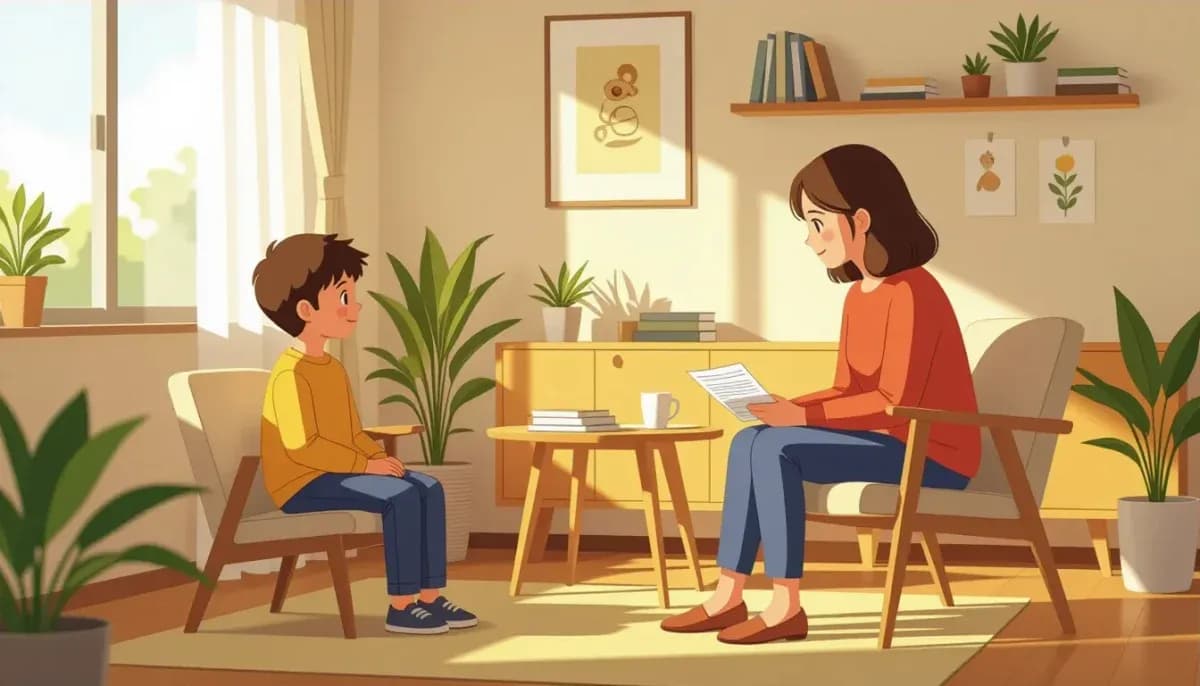
Navigate mental health services for children in Japan as a foreign parent. Find English-speaking therapists, understand insurance coverage, and access crisis resources for your child.
Mental Health Services for Children in Japan: A Complete Guide for Foreign Families
Navigating mental health services for your child in a foreign country can feel overwhelming, and Japan's mental health system adds an extra layer of complexity with language barriers and cultural differences. Whether your child is struggling with anxiety, school refusal, ADHD, or adjustment difficulties after relocating to Japan, this guide will walk you through everything you need to know — from finding English-speaking therapists to understanding insurance coverage.
Japan has made significant strides in expanding mental health services in recent years, but challenges remain, particularly for foreign families. Understanding the system upfront can save you time, money, and stress when your child needs support most.
Understanding Japan's Child Mental Health Landscape
Japan's mental health infrastructure for children has been under increasing strain. According to recent research published in PMC, Japan has only 3.20 child and adolescent psychiatrists per 100,000 population aged under 18 — significantly lower than other developed nations. This scarcity is particularly acute in rural areas, where the student-to-specialist ratio can be 4.7 times worse than in major cities.
Despite these challenges, demand is rising rapidly. Nationwide outpatient psychotherapy claims for youth nearly doubled from 521.0 per 10,000 in fiscal year 2015 to 1,034.5 per 10,000 in fiscal year 2022, driven by increased awareness and policy reforms. Diagnoses of autism spectrum disorder (ASD) and attention-deficit/hyperactivity disorder (ADHD) have been increasing sharply, both requiring timely psychiatric support.
Child and adolescent mental health issues in Japan today include:
- School refusal (登校拒否 / 不登校, futōkō) — a growing phenomenon affecting tens of thousands of students each year
- Anxiety and depression — increasingly recognized among school-age children
- Developmental disorders — including ADHD, ASD, and learning disabilities
- Adjustment difficulties — especially common for children who relocate to Japan or transition between school systems
- Bullying-related trauma (ijime) — Japan's school environment can be challenging for foreign children
For foreign families, these challenges are compounded by language barriers, unfamiliarity with the Japanese school system, and the emotional toll of living abroad. If you are concerned about your child's wellbeing, know that help is available — you just need to know where to look.
Types of Mental Health Services Available in Japan
Japan's mental health system distinguishes between psychiatric services (精神科, seishinika) covered under national health insurance and private counseling or psychotherapy, which is often self-pay. Understanding this distinction is essential for budgeting and planning.
1. Child and Adolescent Psychiatry (児童精神科)
Pediatric psychiatrists diagnose and treat conditions such as ADHD, ASD, depression, and anxiety. These consultations are covered under Japan's national health insurance (NHI or employee health insurance), meaning you typically pay only 10–30% of the cost. Referrals can come from your child's pediatrician, school health teacher (養護教諭), or directly through a clinic.
2. Counseling and Psychotherapy (カウンセリング)
Licensed psychologists and counselors provide talk therapy for emotional and behavioral issues. While effective, standalone counseling at private clinics is generally not covered by national health insurance and must be paid out of pocket. Costs typically range from ¥5,000 to ¥15,000 per 50-minute session.
3. Developmental Assessment Services
Children suspected of having ASD or ADHD can be assessed through child guidance centers (児童相談所, jidō sōdanjo), pediatric development clinics, or specialist clinics. These assessments are often covered under insurance and can take several months due to waiting lists.
4. School-Based Counseling
Japanese public and private schools increasingly offer school counselors (スクールカウンセラー). For international schools, on-campus counseling is standard. Public school counselors, however, may not speak English, so communication can be a challenge for foreign families.
5. Telehealth and Online Therapy
Telemedicine mental health services have expanded significantly in Japan since 2020. Several English-language providers offer online consultations, which can be especially helpful for families living outside major cities.
English-Speaking Mental Health Services for Children in Japan
Finding English-speaking child mental health professionals is the top concern for most foreign families. Here are the key providers:
| Provider | Location | Age Range | Services | Insurance |
|---|---|---|---|---|
| Tokyo Mental Health | Tokyo, Okinawa, Online | 13+ (Assessment from age 5) | Therapy, Family Counseling, ADHD/ASD Assessment | Self-pay |
| 1st STEP Kokoro no Clinic | Tokyo | All ages | Child Psychiatry, ADHD, ASD, Developmental Support | NHI accepted |
| TELL Japan | Tokyo | All ages | Counseling, Lifeline (crisis) | Sliding scale |
| International Christian University Health Center | Tokyo | Students | Counseling, Psychiatry | Campus-based |
| American Clinic Tokyo | Tokyo | 13+ | Psychiatry, Therapy | Private insurance |
Tokyo Mental Health — Adolescent and Family Services
Tokyo Mental Health is one of the most well-known English-language mental health providers in Japan. They offer individual therapy for adolescents (13+), parent counseling, combined family sessions, and psychological assessments for ADHD (from age 7) and autism spectrum disorders (from age 5).
Their team includes licensed counselors and psychologists trained in English-speaking countries. Sessions are available in Tokyo (Shintomi and American Clinic Tokyo locations), Okinawa, and via online telehealth. Note that they currently do not accept children 12 years old or younger for therapy, but developmental assessments begin at younger ages.
TELL Japan
TELL (The Emotional Lifeline in Japan) operates one of Japan's most trusted English-language mental health services. They offer counseling services for families and children, and their lifeline is available in English 24/7. TELL operates on a sliding-scale fee system, making services more accessible for families with varying budgets.
1st STEP Kokoro no Clinic
This specialized clinic offers child and adolescent psychiatry with multicultural support. They specialize in developmental disorders including ADHD and ASD, with English-speaking child psychiatrists. As a medical clinic, their psychiatric consultations are covered under Japan's national health insurance.
How to Access Mental Health Services Step by Step
Getting your child connected to the right support takes preparation. Here is a practical step-by-step approach:
Step 1: Start with your pediatrician. Your child's regular doctor (かかりつけ医, kakari tsuke-i) can provide an initial assessment and referral letter (紹介状, shōkaijō) to a specialist. A referral is not always required but can speed up the process.
Step 2: Contact your local municipal health center. Every Japanese municipality has a Health and Welfare Center (保健センター) that can direct you to local resources. Many offer initial consultations and can connect you with child guidance centers or developmental support clinics.
Step 3: Consult your child's school. School teachers and health teachers in Japan observe children daily and can flag concerns. If your child attends a Japanese public school, the school counselor or vice principal can initiate a referral process.
Step 4: Research English-friendly clinics. Use resources like the Japan Living Guide or Japan Handbook's mental health guide to identify English-speaking providers near you.
Step 5: Book and prepare for your appointment. Bring your NHI card, any previous medical records or evaluations, and a written description of your child's symptoms and behavior. If the appointment will be in Japanese, arrange for a medical interpreter.
For more context on the broader healthcare system, see our guide on Healthcare and Medical Care for Children in Japan.
Insurance and Cost Breakdown
Understanding what is and is not covered under Japan's health insurance is critical for budgeting your child's mental health care.
| Service Type | Covered by NHI? | Typical Cost (with NHI) | Typical Cost (private) |
|---|---|---|---|
| Psychiatric consultation (diagnosis) | Yes | ¥1,000–¥3,000 per visit | ¥5,000–¥15,000 |
| Medication management | Yes | ¥500–¥2,000 per prescription | N/A |
| Psychological assessment (ADHD/ASD) | Often yes | ¥2,000–¥5,000 | ¥30,000–¥80,000 |
| Counseling/psychotherapy | Usually no | N/A | ¥5,000–¥15,000 per session |
| Crisis hotline | Free | Free | Free |
Children in Japan generally have a lower copayment rate under the government's medical subsidy system (乳幼児医療費助成制度). Many municipalities cover all or most medical costs for children up to age 12–15 depending on the region.
If you are enrolled in Japanese company health insurance (社会保険) or national health insurance, check whether your policy includes any mental health provisions. Some private international health insurance plans cover counseling and therapy — review your plan before paying out of pocket.
For a broader look at financial support available to families, see our article on Government Benefits and Subsidies for Families in Japan.
Supporting Your Child's Mental Health at Home
Professional services are an important part of the picture, but much of your child's mental health support will happen at home. Here are strategies that work particularly well for foreign children living in Japan:
Validate their feelings about living abroad. Moving to Japan is a significant adjustment. Homesickness, loneliness, and frustration with the language barrier are all normal. Acknowledge these feelings openly rather than minimizing them.
Maintain routines. Predictable daily schedules provide psychological stability for children, especially during major transitions like starting a new school.
Build a community. Isolation is a major risk factor for mental health struggles. Connect your child with other foreign children through international schools, expat parent groups, or community events. See our guide on Cultural Identity for Hafu and Mixed-Race Children in Japan for ideas on building a strong identity and community.
Monitor school experiences closely. Japan's group-oriented school culture can be difficult for children who are "different." Stay in close communication with teachers and watch for signs of social exclusion or bullying.
Consider bilingual or multicultural counseling. A therapist who understands both your home culture and Japan's cultural context can be invaluable. See our article on Mental Health and Emotional Wellbeing for Foreign Children in Japan for more detailed strategies.
Crisis Resources and Emergency Mental Health Support
If your child is in immediate distress, the following resources provide emergency mental health support:
Yorisoi Hotline: 0120-279-338 (toll-free, 24/7). This is Japan's national crisis hotline, available in multiple languages including English, Chinese, Korean, Tagalog, Portuguese, Spanish, Thai, Vietnamese, and Nepali. The multilingual service is available daily from 10am to 10pm, with Japanese available 24/7.
TELL Lifeline: 03-5774-0992. Available in English, this crisis line is staffed by trained volunteers and counselors and is one of the most trusted resources for the English-speaking community in Japan.
Emergency services: Dial 119 for ambulance support. If your child is in immediate physical danger, go directly to the nearest hospital emergency room (救急外来).
Child Consultation Center (児童相談所): Every prefecture has a child consultation center (dial 189, toll-free) that handles child welfare concerns including mental health crises. Language support varies by center.
Living in Japan as a foreign family has many rewards, but it also brings unique pressures. Knowing where to turn when your child struggles — and having the right resources bookmarked — can make all the difference.
For more information about healthcare navigation as a foreign family, explore resources like Living in Nihon for general expat life guidance, For Work in Japan for working-parent perspectives on family services, and Chuukou Benkyou for education and school-related mental health considerations for children in Japan.
This article is for informational purposes only and does not constitute medical advice. If you are concerned about your child's mental health, consult a qualified medical professional.

Originally from Vietnam, living in Japan for 16+ years. Graduated from Nagoya University, with 11 years of professional experience at Japanese and international companies. Sharing practical information for foreign parents raising children in Japan.
View Profile →Related Articles
Children's Health Checkup Timeline in Japan
Complete guide to Japan's children's health checkup timeline for foreign parents. Learn about free municipal checkups, vaccination schedules, costs, and tips for expats navigating the Japanese healthcare system.
Read more →
When Your Child Is Hospitalized in Japan
Navigate your child's hospitalization in Japan with confidence. Learn about admission procedures, costs, insurance coverage, what to bring, communicating with staff, and discharge in Japan's pediatric system.
Read more →
Understanding Medical Forms and Documents at Japanese Schools
A complete guide to understanding medical forms and health documents at Japanese schools for foreign families, including school health checkups, vaccination records, allergy forms, and enrollment documents.
Read more →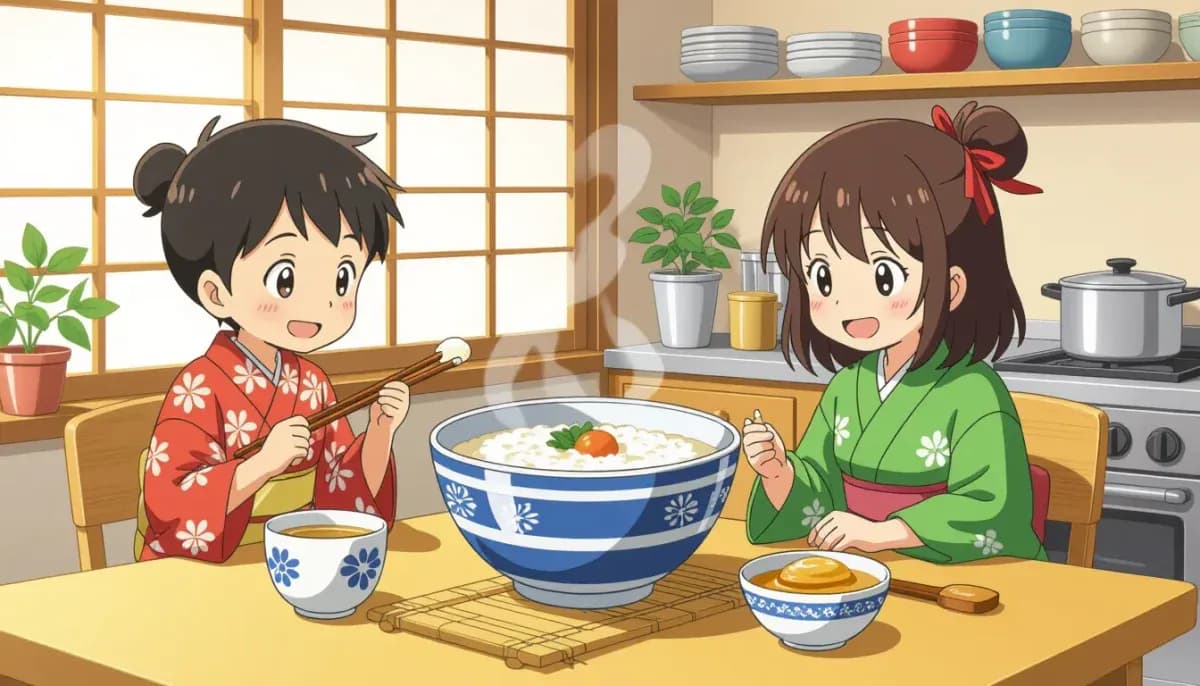
Traditional Japanese Remedies and Home Treatments for Kids
Discover traditional Japanese home remedies for children: okayu, hachimitsu daikon, shoga-yu, umeboshi, and Kampo medicine. Practical guide for foreign parents in Japan.
Read more →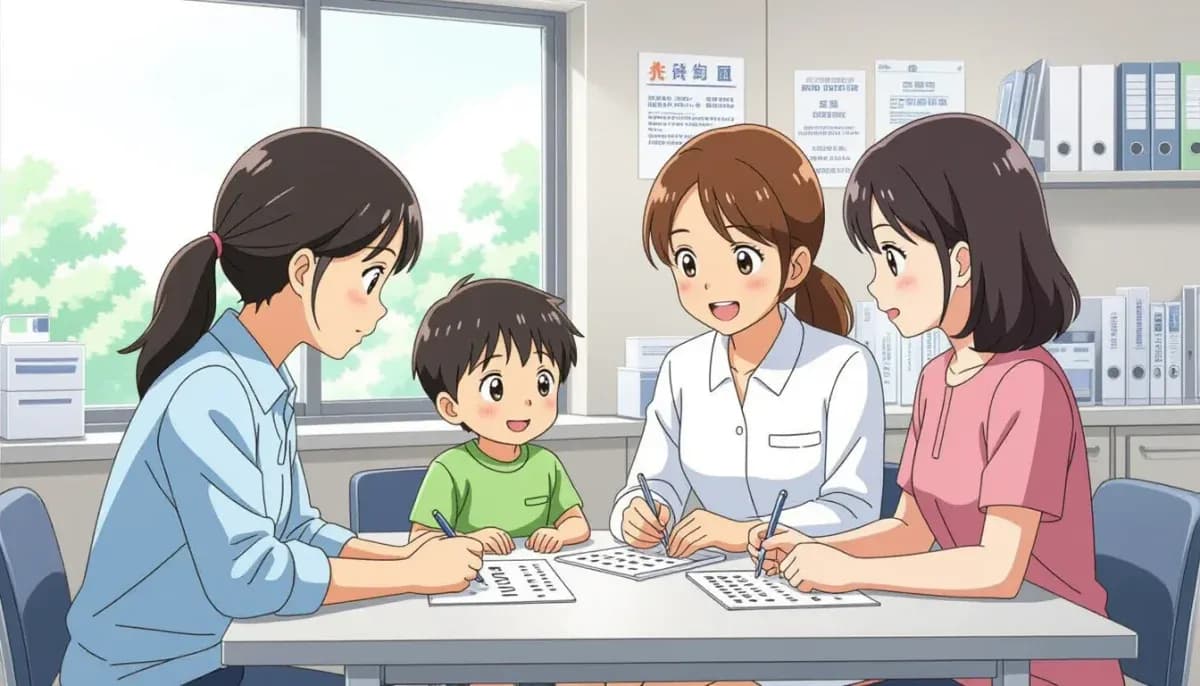
Eye Care and Vision Screening for Children in Japan
Complete guide to children's eye care in Japan: mandatory school vision screenings, ganka clinics, myopia statistics, insurance coverage, and tips for expat families navigating Japan's eye health system.
Read more →
Managing Food Allergies in Children in Japan
Complete guide to managing food allergies in children in Japan. Learn about Japan's allergen labeling system, allergy-safe restaurants, school lunch accommodations, medical care, and emergency phrases for foreign parents.
Read more →