Cultural Identity for Hafu and Mixed-Race Children in Japan
A comprehensive guide for foreign parents raising hafu or mixed-race children in Japan. Learn about identity challenges, bilingual benefits, school strategies, and how to nurture your child's dual cultural heritage with confidence.
13 articles
Cultural Identity for Hafu and Mixed-Race Children in Japan
Raising a mixed-race child in Japan is a journey filled with unique rewards and real challenges. Whether your child is Japanese-American, Japanese-Filipino, Japanese-British, or any other combination, they will grow up navigating two worlds — and that experience shapes who they become. In Japan, these children are commonly called hafu (ハーフ), derived from the English word "half," though many families and advocates now prefer terms like daburu (ダブル, meaning "double") to celebrate the richness of dual heritage rather than imply incompleteness.
This guide is for foreign parents raising children in Japan who want to help their kids build a healthy, confident cultural identity. We explore what hafu children experience, the challenges they may face, and practical ways to nurture their sense of belonging — in Japan and in their other home culture.
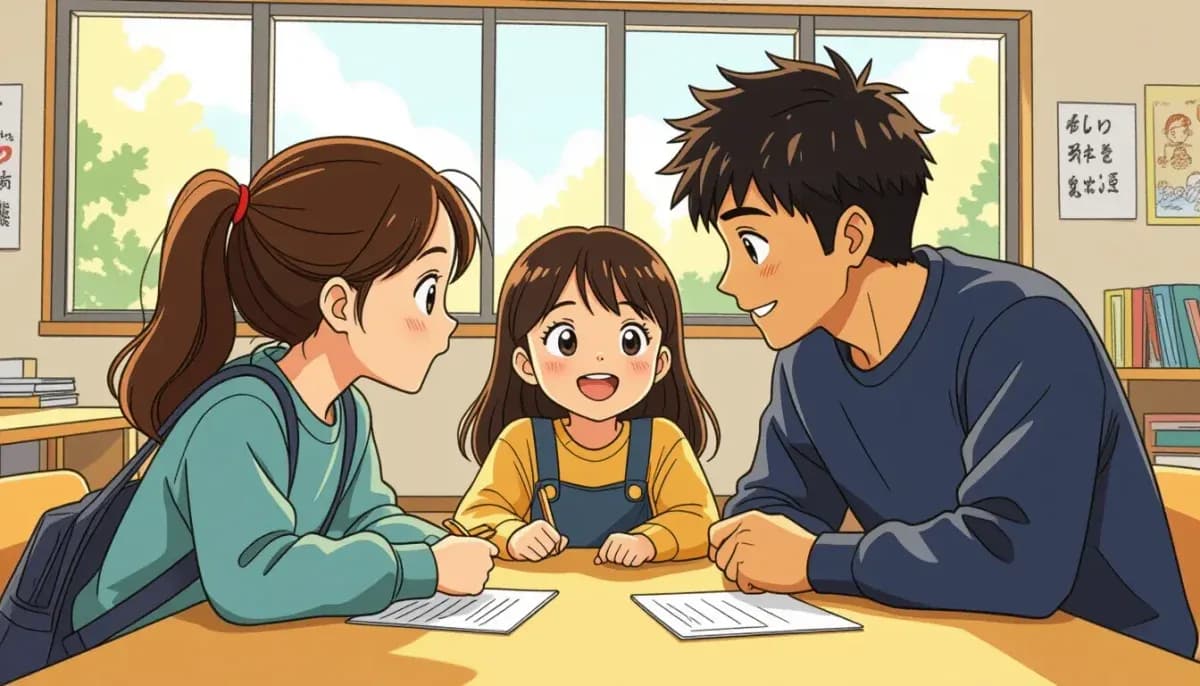
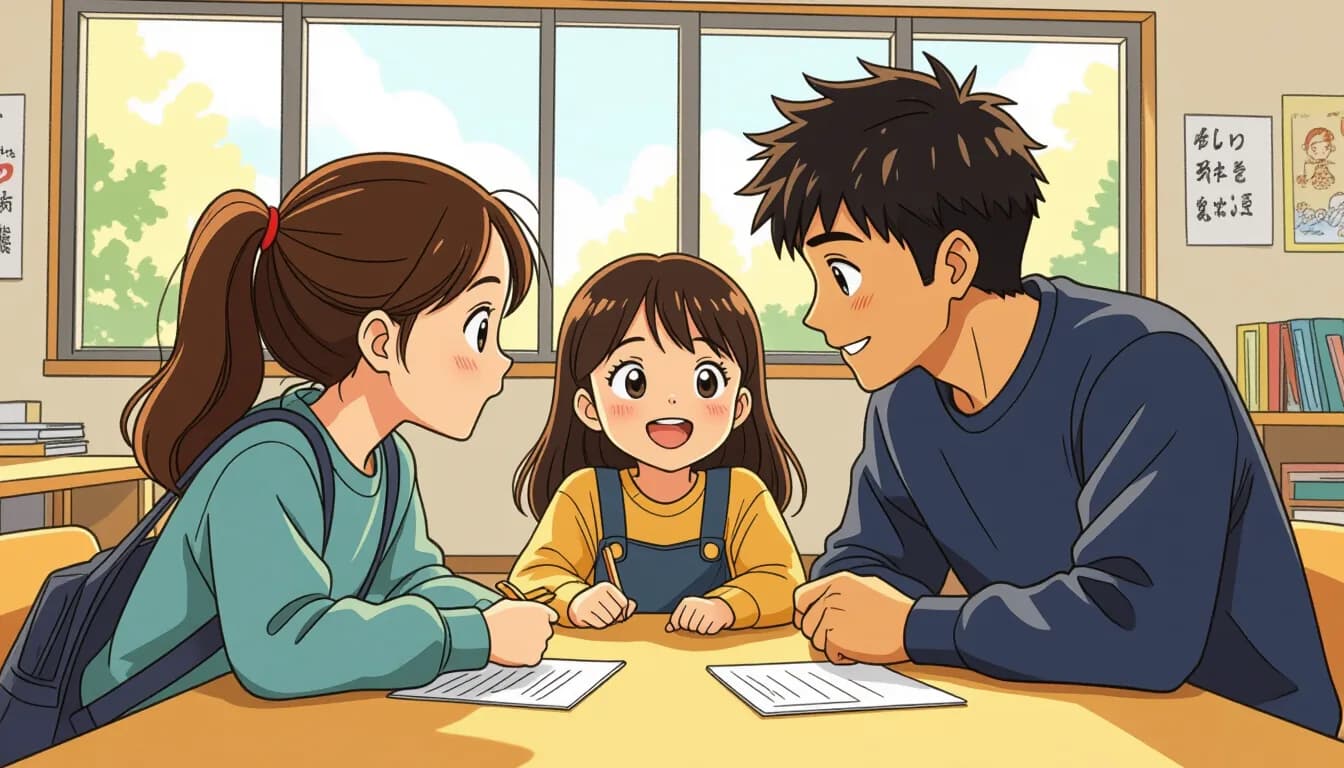
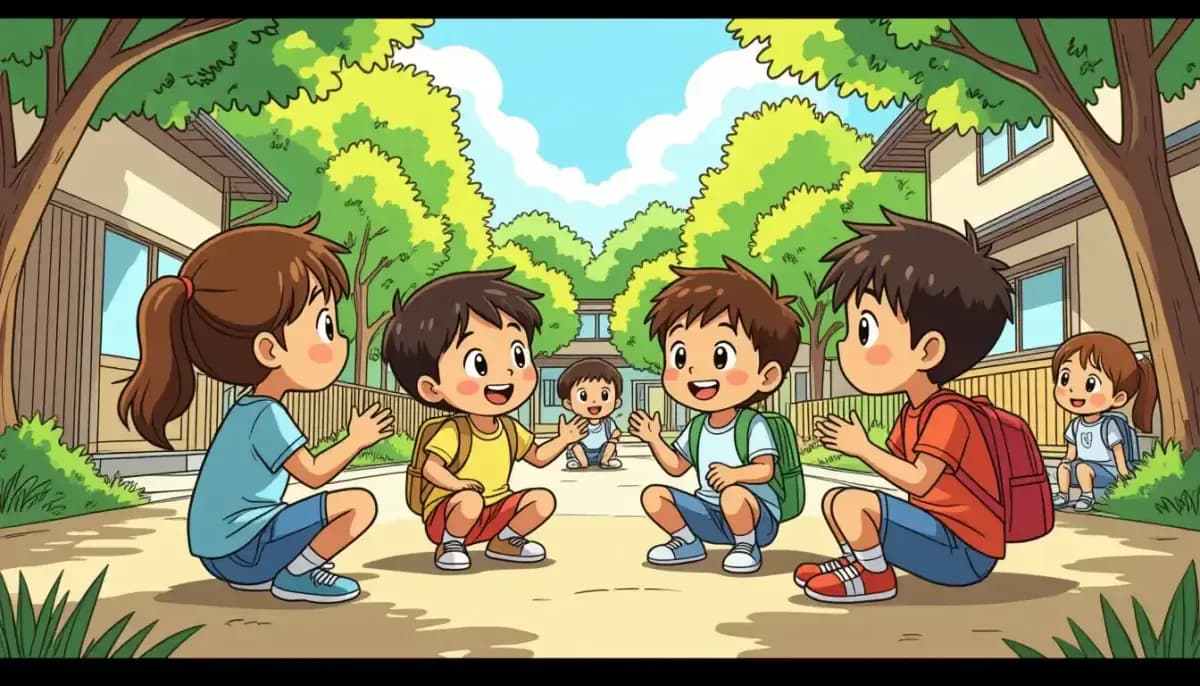
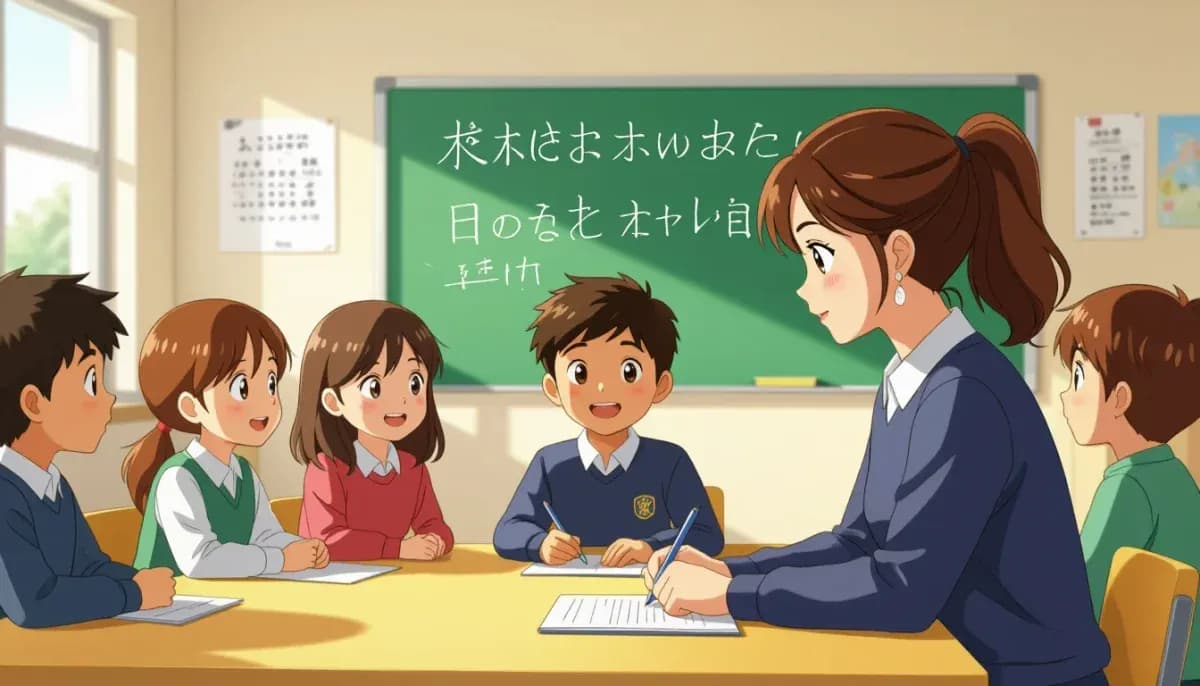
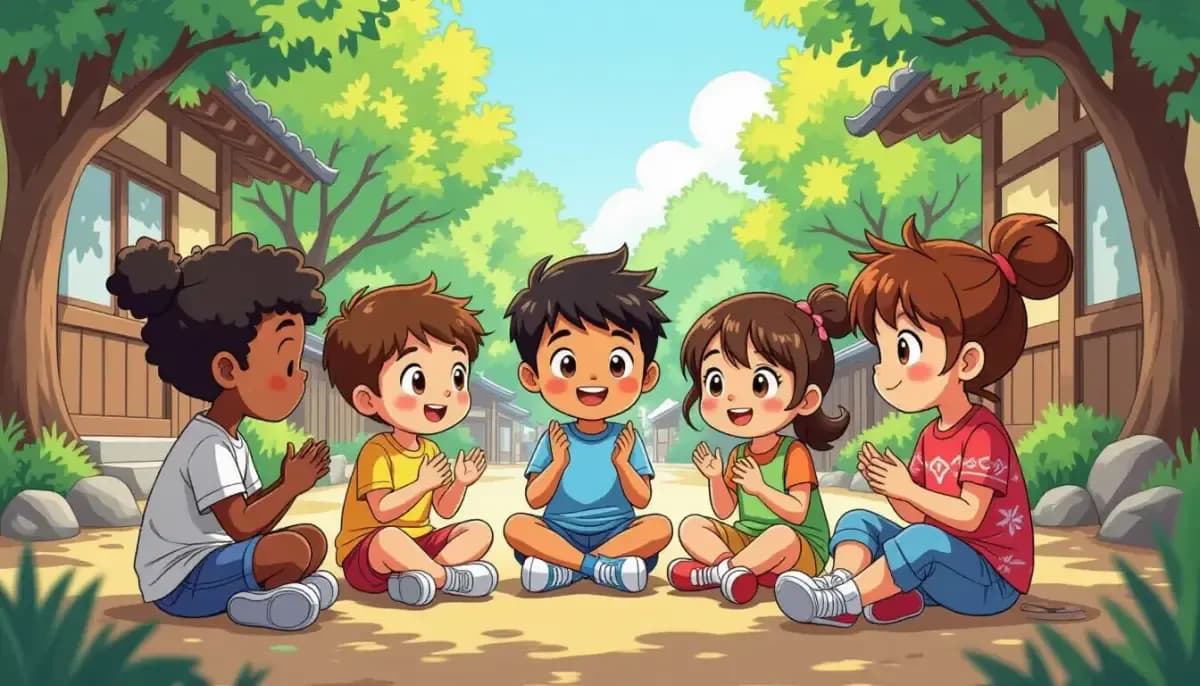
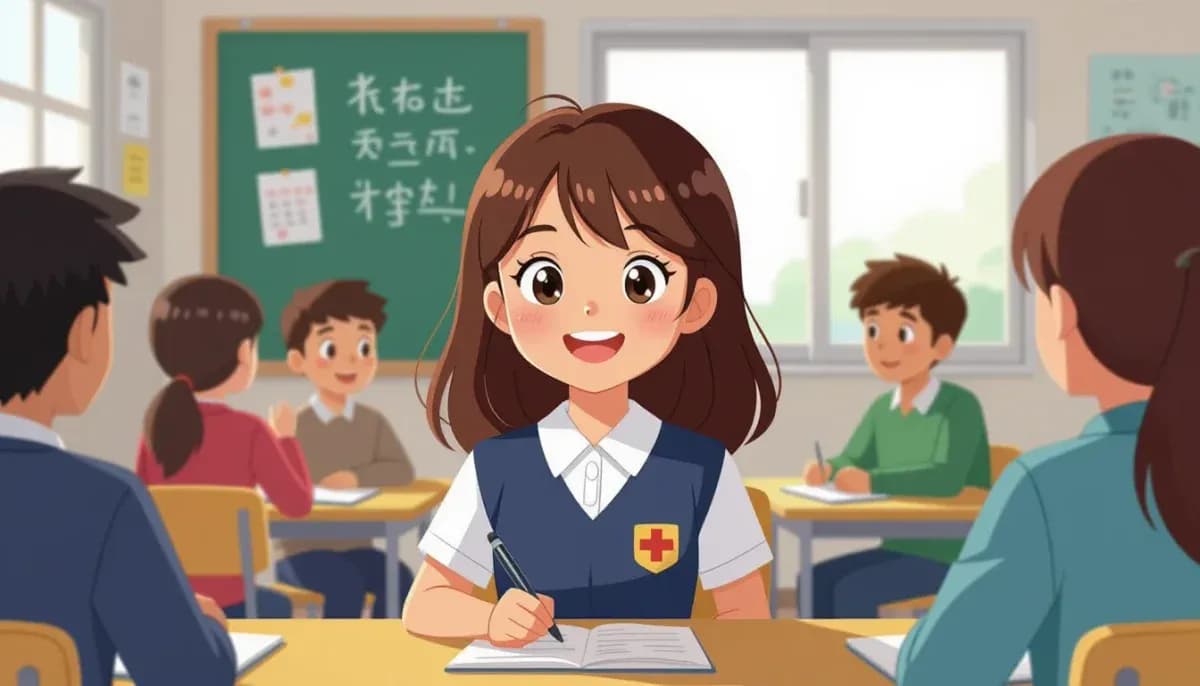
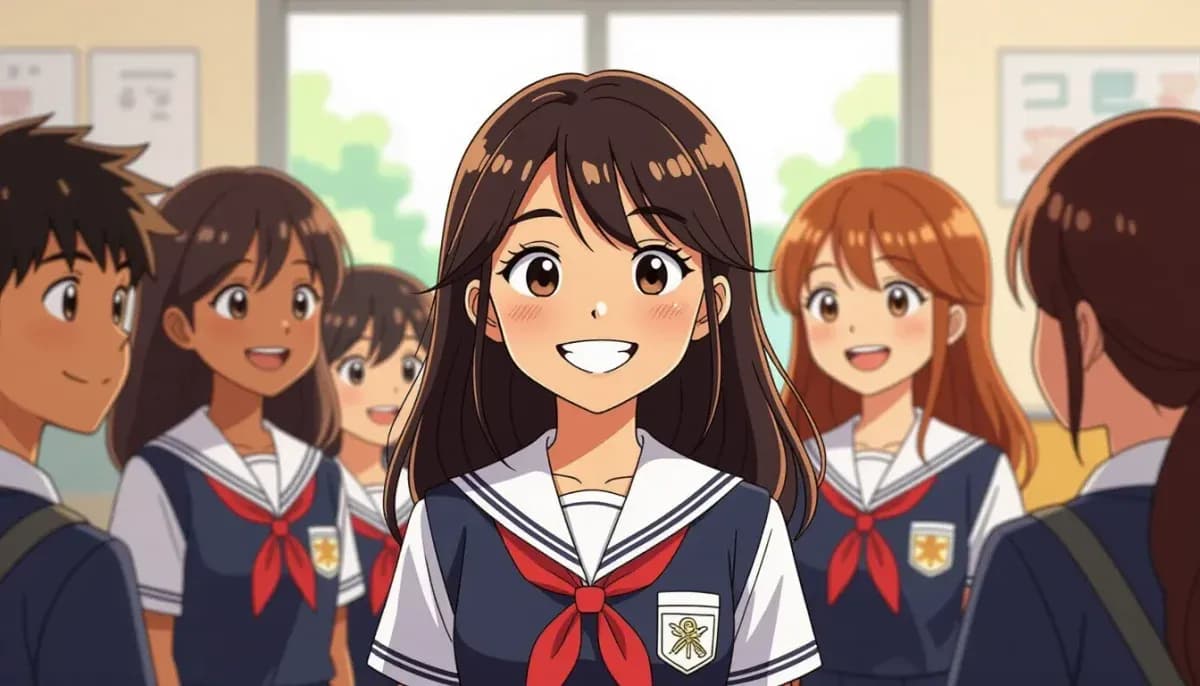
Mixed-race children playing together in a Japanese classroom setting, representing hafu cultural identity
Who Are Hafu? Understanding Mixed-Race Identity in Japan
The term "hafu" has been part of Japanese vocabulary since the post-World War II era, when American soldiers stationed in Japan started families with local women. Today, the demographic is far larger and more diverse. According to Japan's Ministry of Health, Labor and Welfare, approximately one in every 49 babies born in Japan today has at least one non-Japanese parent — that amounts to roughly 20,000 mixed-heritage children born every year.
Japan's hafu population spans an extraordinary range of backgrounds: Japanese-American, Japanese-Chinese, Japanese-Korean, Japanese-Filipino, Japanese-Brazilian, Japanese-Nigerian, and dozens more. Each combination brings its own cultural dynamics, appearance, and social experience.
Term
Meaning
Origin
Connotation
Hafu (ハーフ)
Half
English "half"
Neutral to slightly negative; implies incomplete Japanese identity
Daburu (ダブル)
Double
English "double"
Positive; celebrates dual heritage
Hapa
Mixed Asian/Pacific Islander
Hawaiian Pidgin
Used in USA/Hawaii contexts
Kokusai-ji (国際児)
International child
Japanese
Neutral; official/academic use
Kikokushijo (帰国子女)
Returnee child
Japanese
For children who lived abroad and returned
The growing preference for "daburu" reflects a broader cultural shift: parents and advocates increasingly frame mixed heritage as an asset rather than an anomaly. Your child doesn't have "half" of Japan and "half" of elsewhere — they have both, in full.
Common Identity Challenges Hafu Children Face
Being mixed-race in Japan is not always easy, especially in childhood. Understanding the challenges your child may encounter helps you prepare them — and yourself.
The "Are You Really Japanese?" Question
One of the most common microaggressions hafu children face is having their Japanese identity questioned. Despite being born in Japan, speaking fluent Japanese, and living Japanese daily life, children who look visibly foreign may be asked by peers or even adults: "Where are you really from?" or "You can't be Japanese."
This questioning of authenticity can be deeply unsettling, particularly during the identity-formation years of elementary and junior high school. Research shows that 52.2% of bilingual or foreign-language students reported bullying victimization, compared to 34.9% of Japanese-only-language students — a significant gap that highlights the vulnerability of children who stand out linguistically or culturally.
Bullying and Social Exclusion
Japan's school culture emphasizes group belonging through concepts like uchi-soto (inside-outside), where fitting into the group is paramount. Children who are visibly different — whether in appearance, language ability, or home customs — can become targets of exclusion or teasing.
The severity of bullying varies significantly by:
Appearance: Children with darker skin tones, particularly those of Black-Japanese or South/Southeast Asian-Japanese heritage, report higher rates of discrimination
Location: Rural areas present greater social barriers than urban centers like Tokyo, Yokohama, and Fukuoka, where diversity is more normalized
School type: Japanese public schools can be less accommodating than international or private schools
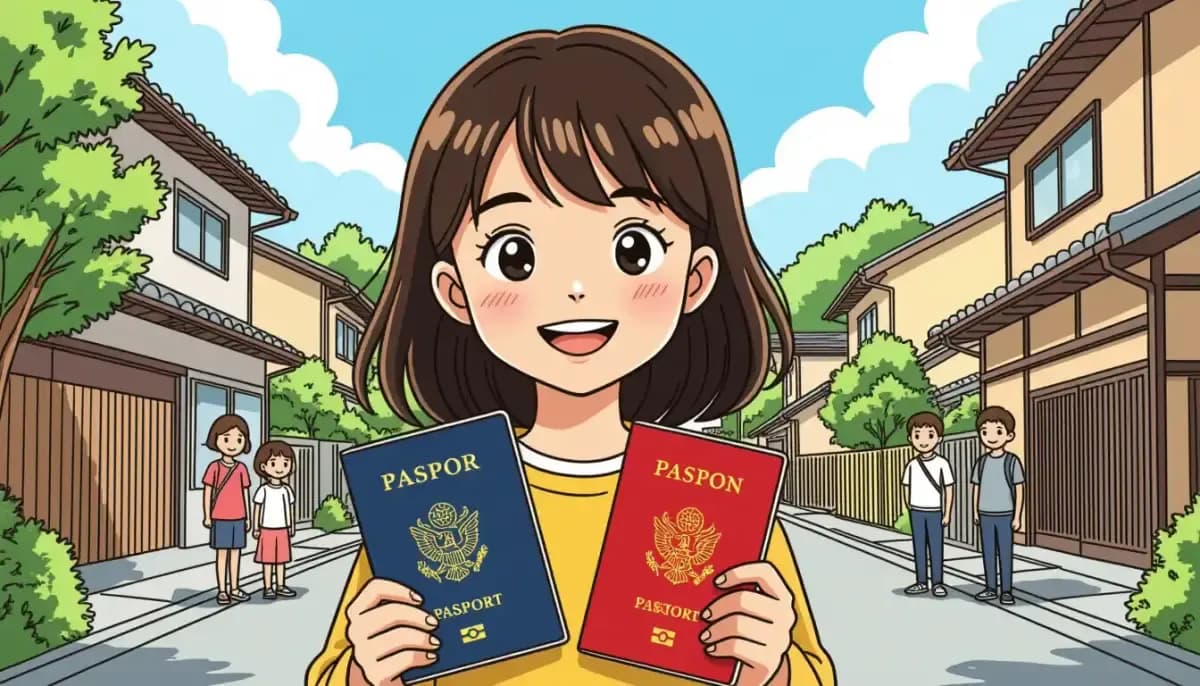
Japan currently does not recognize dual citizenship for adults. Children born to one Japanese and one foreign parent can hold both citizenships during childhood, but under current law, they must choose one nationality by age 22. This legal deadline adds a layer of identity complexity: your child may someday have to formally declare which country they "belong to" — a decision with profound psychological weight.
This issue affects not just legal status but emotional identity. Some hafu young adults report feeling that choosing a passport feels like rejecting part of themselves.
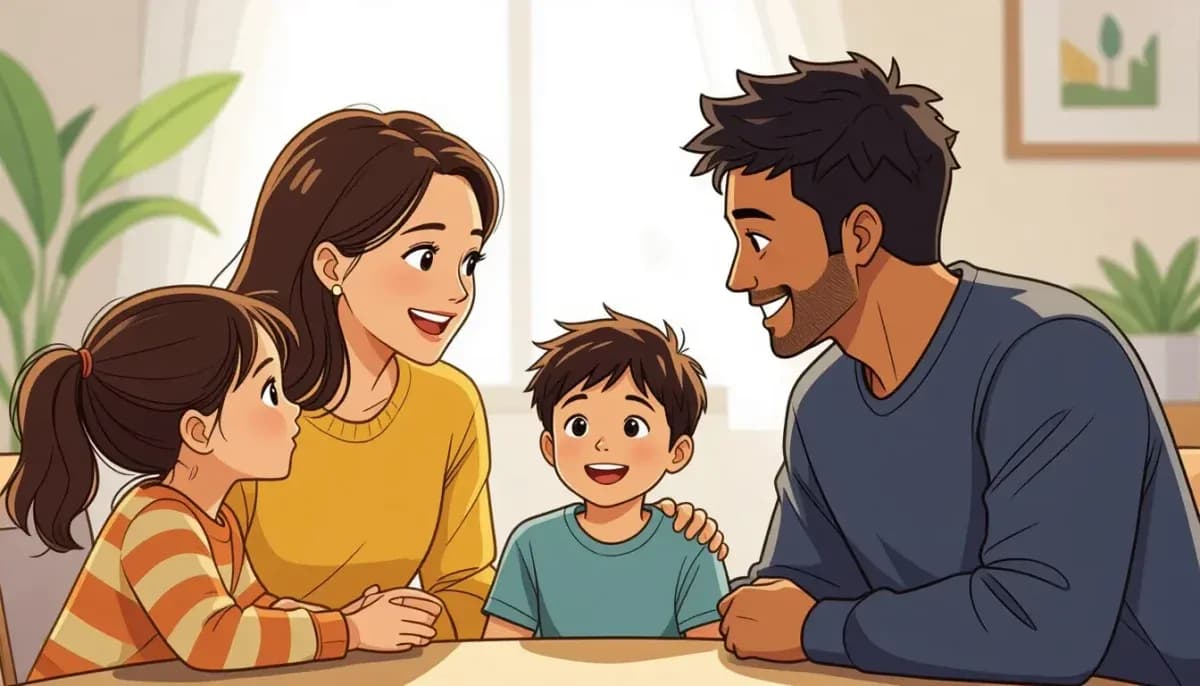
A multicultural family in Japan walking through a Japanese neighborhood, representing hafu children growing up bicultural
The Positive Side: Why Being Hafu Is Increasingly an Asset
Despite real challenges, being mixed-race in Japan comes with genuine advantages — and social attitudes are shifting meaningfully.
Bilingual Skills Open Doors
In Japan's increasingly international economy, bilingual individuals are highly valued. Hafu children who grow up fluent in Japanese and another language — particularly English — have a significant advantage in education and careers. Many excel in global companies, international tourism, translation, media, and diplomacy.
The visibility of successful hafu public figures has transformed how many Japanese people perceive mixed heritage:
Naomi Osaka – Tennis Grand Slam champion (Japanese-American)
Rui Hachimura – NBA star (Japanese-Beninese)
Kiko Mizuhara – Model and actress (Japanese-American)
Ariana Miyamoto – Miss Universe Japan 2015 (Japanese-African American)
These figures — despite facing their own discrimination — have normalized the concept of hafu as unmistakably Japanese and internationally successful. A 2025 report noted that a 14-year-old hafu's essay won a national human rights prize in Japan, reflecting growing institutional recognition of mixed-heritage perspectives.
Community Support Is Growing
The Facebook group Hafu Japanese now exceeds 6,000 members worldwide, offering a vibrant community for mixed-race individuals and their parents to share experiences, tips, and support. Regular hafu meetups in Tokyo and other major cities create spaces for connection and solidarity.
Practical Strategies for Nurturing Your Child's Cultural Identity
As a parent, you play the most important role in helping your child build a confident, integrated sense of self. Here are proven strategies:
1. Celebrate Both Cultures Actively
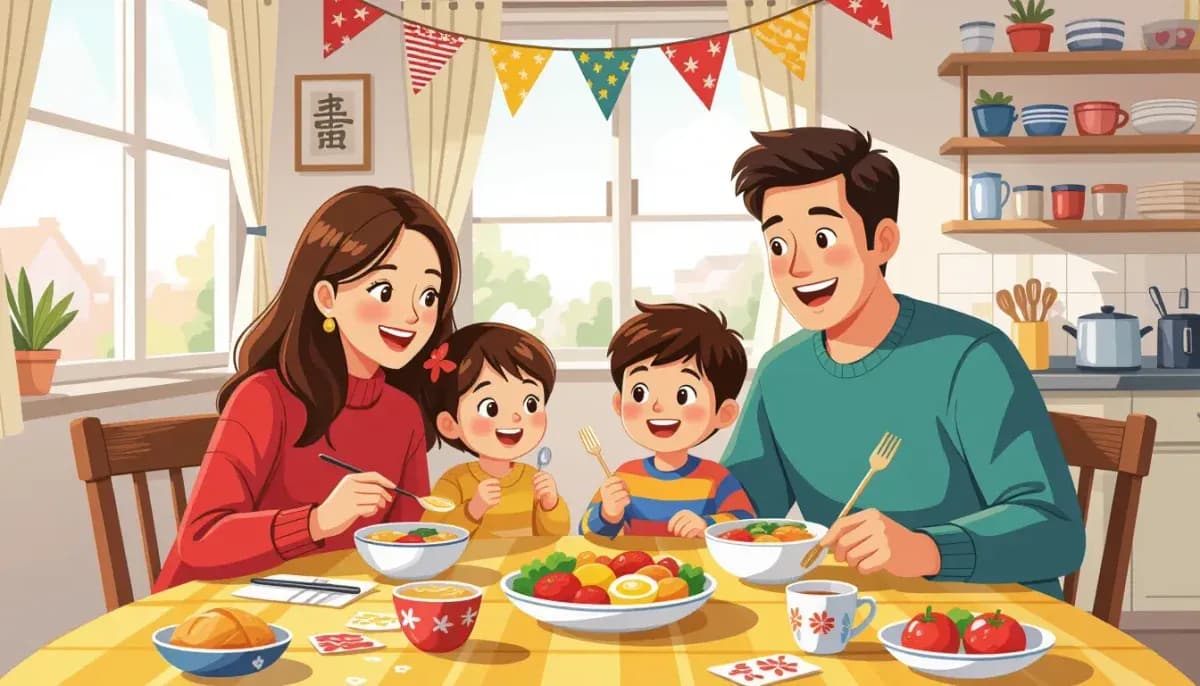
Don't let one culture dominate. If you're a foreign parent, make sure your home language, food, music, holidays, and family stories are present alongside Japanese equivalents. Cook your native cuisine. Celebrate both Christmas AND Oshogatsu. Read books in both languages. Make dual heritage feel like an everyday celebration rather than a special-occasion performance.
Children need words to describe themselves confidently. Teach them to say — in both languages — what their background is. Role-play responses to nosy questions: "My mom is from Australia and my dad is Japanese, so I'm both!" Having a ready, proud answer transforms an awkward question into a moment of confidence.
3. Connect With Hafu Community Networks
Seek out hafu communities in your city. In Tokyo, Osaka, Nagoya, and Fukuoka, international parent groups regularly organize playdates, cultural events, and school meetups. Your child benefits enormously from friendships with other hafu or international children who understand their experience firsthand.
4. Choose Schools Thoughtfully
The school environment has an outsized impact on identity development. Consider:
International schools: Higher tolerance, English-language environment, diverse peer group
Japanese public schools: Authentic immersion but potentially less diversity-aware staff
Bilingual private schools: Balance of both, but expensive
If your child experiences bullying related to their heritage, take it seriously and act quickly. In Japan, schools are legally required to address bullying (ijime). Document incidents, communicate with teachers in writing, and if the school is unresponsive, escalate to the Board of Education. Building emotional resilience at home — through open conversation and consistent validation of their identity — also helps children cope.
What Japan's Society Says vs. What Hafu Experience
Japan's official stance and social reality around hafu identity can diverge significantly.
Aspect
Official/Social Ideal
Lived Reality for Many Hafu
Citizenship
Choose one by age 22
Emotionally painful choice between identities
Government recognition
No official hafu category
No data on discrimination; no targeted support
Media portrayal
Glamorous celebrities
Ordinary hafu face daily microaggressions
School inclusion
Bullying policies exist
Enforcement varies widely
Language expectation
Japanese fluency assumed
Those with accents face additional bias
Appearance
Western features sometimes idealized
Darker-skinned hafu face more discrimination
This gap between ideal and reality is important for parents to understand. Your child may encounter a Japan that simultaneously celebrates hafu celebrities and questions whether your child is "really Japanese enough." Prepare them for this contradiction — and help them build an identity strong enough to weather it.
Resources and Support for Hafu Families in Japan
You don't have to navigate this alone. A growing ecosystem of support exists for mixed-race families:
The path of raising a mixed-race child in Japan is rarely perfectly smooth — but it is rich with possibility. Your child has access to multiple languages, multiple cultures, and multiple ways of seeing the world. They can be a bridge between communities, a representative of Japan's evolving diversity, and a person of deep cultural complexity.
The most important things you can do as a parent are:
Name the experience — Use positive language about mixed heritage from the beginning
Build community — Find other hafu families and international parent networks
Prepare for challenges — Arm your child with vocabulary, confidence, and emotional tools
Stay informed — Know your child's rights in school and society
Celebrate both sides — Make both cultures actively present in daily life
Japan is changing. The proportion of mixed-heritage children is growing every year, and with it, the social infrastructure to support them. By raising your child to be proud of who they are — all of who they are — you give them a foundation that will serve them for life.