
Hafu Children in Japanese Media and Representation

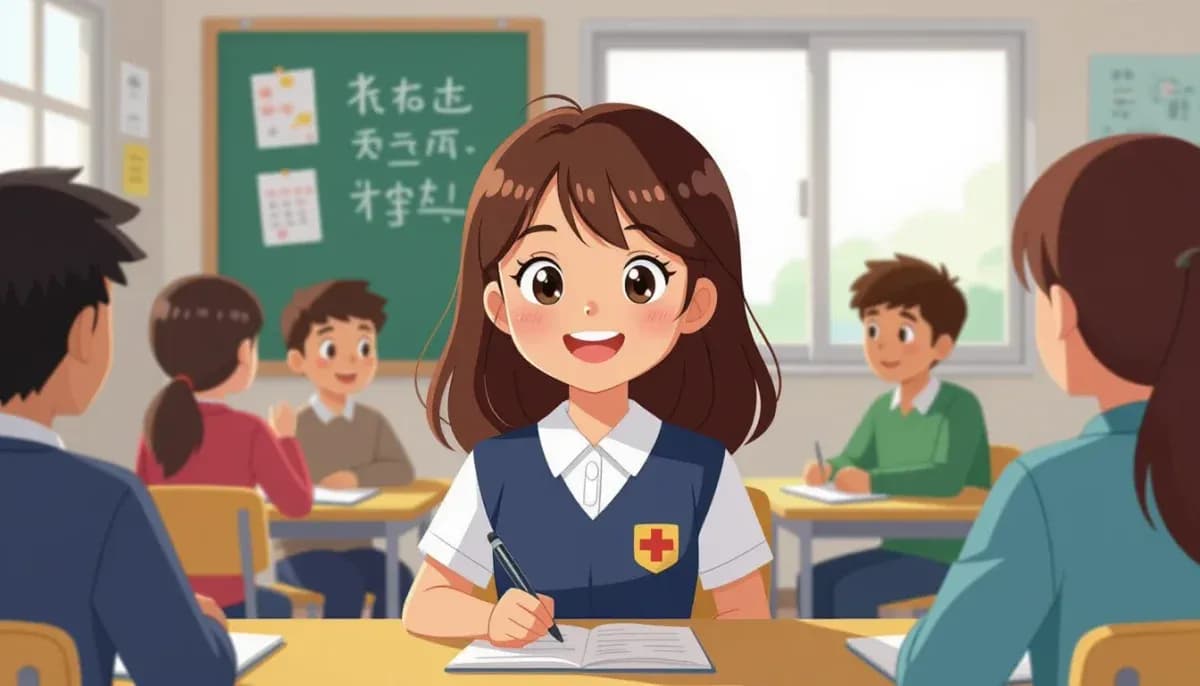
How are hafu mixed-race children portrayed in Japanese media? Explore the history, stereotypes, progress, and how to support your child's identity through media literacy.
Hafu Children in Japanese Media and Representation
If you are raising a mixed-race child in Japan, you have probably noticed that hafu (half-Japanese) individuals appear across television screens, fashion magazines, and social media feeds with increasing frequency. Yet representation in media is a double-edged sword — visibility brings both opportunity and stereotype. Understanding how hafu children are portrayed in Japanese media helps parents prepare their kids for the questions, comparisons, and cultural pressures they may face growing up between two worlds.
This guide explores the history and current state of hafu representation in Japanese media, the stereotypes that persist, the progress being made, and how you can use positive role models to support your child's identity. For a broader look at identity development, see our pillar guide on cultural identity for hafu and mixed-race children in Japan.
A Brief History of Hafu in Japanese Media
The visibility of mixed-race individuals in Japan is not new. A so-called "mixed-blood talent boom" emerged in the 1960s, when children born to Japanese mothers and American soldiers stationed in Japan after World War II began appearing in entertainment and fashion. These early media appearances set a template that persists today: hafu individuals were often celebrated for possessing an aesthetic blend of Japanese and Western features — larger eyes, taller noses, longer limbs — that set them apart visually from their peers.
By the 1980s and 1990s, hafu tarento (entertainment personalities) had become a staple of Japanese variety television. They were frequently cast in roles that emphasized their novelty — positioned as amusing, approachable, and slightly exotic, but not quite authoritative. This framing served the media industry well, but it left hafu viewers with a narrow set of reflected identities to relate to.
The 2013 documentary film Hafu: The Mixed-Race Experience in Japan — which has since received international attention and even a 2025 Q&A screening at the University of Pennsylvania with co-director Megumi Nishikura — was created precisely because filmmakers recognized that the real diversity of hafu experiences was absent from mainstream Japanese screens. Not every hafu is Caucasian, affluent, or conventionally beautiful, yet those were the images being sold.
How Japanese Media Portrays Hafu Today
Today, hafu individuals are visible in virtually every corner of Japanese media. Models appear regularly in fashion magazines such as Non-no, CanCam, and Vivi. Hafu presenters host news and variety programs. Athletes of mixed heritage compete at the national and international level. This visibility has real value — for hafu children growing up in Japan, seeing faces that look like theirs in mainstream media matters enormously.
However, the quality and depth of this representation remains uneven. Several persistent patterns have been identified by researchers and by hafu individuals themselves:
| Media Pattern | Description | Impact on Children |
|---|---|---|
| Beauty-first casting | Hafu selected primarily for appearance, especially "hafu-gao" (half-face) look | Creates pressure around physical appearance |
| Bilingual assumption | Expectation that all hafu speak two languages fluently | Can cause shame if child is not bilingual |
| Exoticization | Hafu portrayed as intriguingly "different" without deeper cultural exploration | Reinforces otherness rather than belonging |
| Limited diversity | Predominantly white-Japanese hafu in major publications; darker-skinned hafu underrepresented | Invisible to many mixed-race children |
| Novelty framing | Hafu cast for variety or humor value rather than expertise or achievement | Limits range of professional identities modeled |
Model Rina Fukushi has spoken candidly about how the stereotype that all hafu are bilingual and beautiful creates real-world pressure: "There is a stereotype that all hafus speak two languages [and] the stereotype that all hafus are beautiful and are models." When children who are hafu encounter these expectations and do not meet them — perhaps because they were raised speaking only Japanese, or because they don't fit the aspirational "hafu-gao" beauty standard — it can create confusion and self-doubt.
Savvy Tokyo and Japan Today have both published analysis noting how hafu women in media are celebrated primarily for their exotic appearance rather than for their skills or perspectives, a pattern that flattens individual identity into a visual category. For more on how to address these stereotypes directly with your child, visit our article on dealing with identity questions and stereotypes as a hafu.
The "Hafu-Gao" Phenomenon and Beauty Standards
One of the most visible (and complicated) dimensions of hafu representation is the beauty industry's embrace of the "hafu-gao" or "half-face" look. Cosmetic brands, makeup tutorials, and fashion advertising have popularized techniques designed to give any Japanese person the visual impression of being partly non-Japanese — larger eyes through makeup, contouring to elongate the nose, lighter hair.
For hafu children, this phenomenon sends mixed messages. On one hand, it signals that their appearance is admired and aspirational. On the other, it commodifies the very features that may have caused them to be teased or feel out of place at school. Research has noted an intensifying "hyper-fixation" with hafu beauty ideals, creating pressure on hafu individuals to possess the "right balance" of desired Western and Japanese features — a standard that is impossible to define objectively and excludes hafu of non-Western heritage entirely.
Critics, including academics studying representation and hafu activists, point out that the hafu-gao trend celebrates the aesthetic of mixed heritage while the lived experience of being hafu — navigating dual expectations, facing assumptions, managing bureaucratic identity issues — receives little media attention. This gap between celebrated image and ignored reality is something parents should be aware of when discussing media with their children.
For resources on building self-esteem in this environment, see our guide on supporting your mixed-race child's self-esteem in Japan.
Social Media and the Alternative Narrative
While mainstream media has been slow to evolve, social media has emerged as a powerful counter-space for hafu voices. YouTube channels, Instagram accounts, and TikTok creators of mixed heritage are producing content that reflects a far wider range of hafu experiences — including those of Black-Japanese, South Asian-Japanese, Latin American-Japanese, and Middle Eastern-Japanese individuals who rarely appear in fashion magazines or primetime television.
A 2024 academic study titled "Representation of Female Hāfuness through Life Experiences: A Case Study of Female Hāfu YouTubers' Digital Storytelling" documented how hafu YouTubers are using personal narrative to challenge mainstream stereotypes. Researchers found that these creators offer nuanced portrayals of identity that mainstream media cannot or does not provide, giving hafu viewers — including children and teenagers — a broader set of mirrors to look into.
Facebook's Hafu Japanese community group has grown to over 6,000 members, providing a space for mixed-race individuals and their families to share experiences, advice, and mutual support. Online communities like this one have become important supplements to whatever representation exists in mainstream culture.
For hafu children and teenagers, following social media creators who share their heritage can be genuinely affirming. Our article on famous hafu role models for children in Japan offers a curated starting point for age-appropriate figures to introduce to your child.
Progress and Positive Shifts in Representation
Despite the ongoing challenges, there are genuine signs of change in how Japanese media and society engage with hafu identity.
High-profile hafu athletes have helped shift the conversation. Tennis player Naomi Osaka, swimmer Rikako Ikee, and other mixed-heritage competitors have been celebrated not only for their appearance but for their achievements — and their public statements about identity, belonging, and discrimination have reached wide audiences in Japan and internationally.
Ariana Miyamoto's selection as Miss Universe Japan in 2015 sparked intense public debate about the nature of "Japaneseness" — a conversation that, while often painful, was also productive. It brought hafu identity into mainstream discourse in a way that variety television rarely achieved.
In 2025, a 14-year-old hafu student's essay titled "Hafu, so what?" won a national human rights prize in Japan. The recognition of that essay by official Japanese institutions signals a growing societal willingness to acknowledge the complexity of mixed-race identity rather than reduce it to a visual novelty.
According to Japan's Ministry of Health, Labour and Welfare, approximately 1 in 49 babies born in Japan today has at least one non-Japanese parent. As the demographic reality of Japan shifts, media representation is under increasing pressure to catch up. For families navigating these changes, resources on understanding hafu identity in modern Japan can provide valuable context.
How to Talk to Your Child About Media Representation
As a parent, you are your child's most important media interpreter. Here are practical approaches for discussing hafu representation with children of different ages:
For younger children (ages 4–8): Point out hafu characters or presenters on TV and name what you see positively. "Look, she's like you — she has a Japanese mom and a foreign dad, and she's so good at her job." Avoid making appearance the focus. Emphasize role, skill, and personality.
For older children (ages 9–12): Start conversations about what they notice. Ask: "Do you ever see people on TV who look like you? How do they act? What jobs do they have?" This helps develop critical media literacy without introducing anxiety. You can explore our guide on how to talk to your children about race and ethnicity for age-appropriate language.
For teenagers: Engage directly with stereotypes. Discuss the hafu-gao phenomenon, the bilingual expectation, and the gap between media image and lived reality. Share academic perspectives and encourage them to seek out social media creators who reflect a wider range of hafu experiences.
For expert guidance on raising bilingual and bicultural children in Japan, Living in Nihon offers practical resources for foreign families navigating life in Japan. Families working in Japan may also find useful context at For Work in Japan, which covers family life for foreign workers. For families thinking about educational pathways, Chuukou Benkyou provides information about Japanese school entry systems that can affect hafu children.
Additional in-depth analysis of hafu media representation can be found in Japan Today's cultural feature on hafu in media and popular culture and on This Is Japan's hafu life guide, both of which offer perspectives from hafu individuals themselves.
Supporting Your Child's Media Literacy and Identity
The goal is not to shield your child from imperfect representation, but to give them the tools to engage with it critically and confidently. A child who understands that media images are curated and commercially motivated — and who has a rich inner sense of their own identity — is far better equipped to encounter stereotypes without being defined by them.
Consider building a media diet that includes:
- Documentaries: Hafu: The Mixed-Race Experience in Japan (suitable for older children and teens with parental guidance)
- Books: Age-appropriate picture books and chapter books featuring mixed-race protagonists (see our curated list in books and resources about being hafu for children)
- Social media creators: Hafu YouTubers and Instagram creators who discuss identity authentically
- Community: Connecting with other hafu families through international school networks, expat groups, or online communities
Remember that identity is built over time through many small experiences — a story read at bedtime, a role model admired from afar, a conversation after school. Media representation is one input among many, and your attentive, affirming presence as a parent is the most powerful counter-narrative of all.
For a complete picture of raising a hafu child in Japan, explore our full cluster of articles under cultural identity for hafu and mixed-race children in Japan, including topics on hafu children's experiences in Japanese schools, celebrating dual cultural heritage at home, and growing up bilingual and bicultural as a hafu in Japan.

Originally from Vietnam, living in Japan for 16+ years. Graduated from Nagoya University, with 11 years of professional experience at Japanese and international companies. Sharing practical information for foreign parents raising children in Japan.
View Profile →Related Articles
Growing Up Bilingual and Bicultural as a Hafu in Japan
A comprehensive guide to raising hafu children in Japan — bilingual development strategies, cultural identity support, school life tips, and community resources for bicultural families.
Read more →
Books and Resources About Being Hafu for Children
A complete guide to the best books, films, communities, and resources to help hafu (mixed-heritage) children in Japan build a strong, positive identity. Includes recommended picture books, documentaries, and online support groups for parents.
Read more →
International Community Support for Hafu Families
Find community support for hafu and mixed-heritage families in Japan. Online groups, non-profits, school resources, and cultural events to help bicultural families thrive.
Read more →
Hafu Children's Experiences in Japanese Schools
Discover what hafu (mixed-race) children experience in Japanese schools — from identity challenges and bullying to bilingual expectations and practical tips for parents raising bicultural kids in Japan.
Read more →
How to Talk to Your Children About Race and Ethnicity
A practical guide for foreign parents and expat families in Japan on how to talk to children about race and ethnicity, mixed heritage identity, and building resilience in a multicultural family.
Read more →
Multicultural Identity Development Stages in Children
Understand the 5 stages of multicultural identity development for children raised in Japan. Practical guidance for expat and mixed-heritage families supporting their kids.
Read more →