
How to Talk to Your Children About Race and Ethnicity

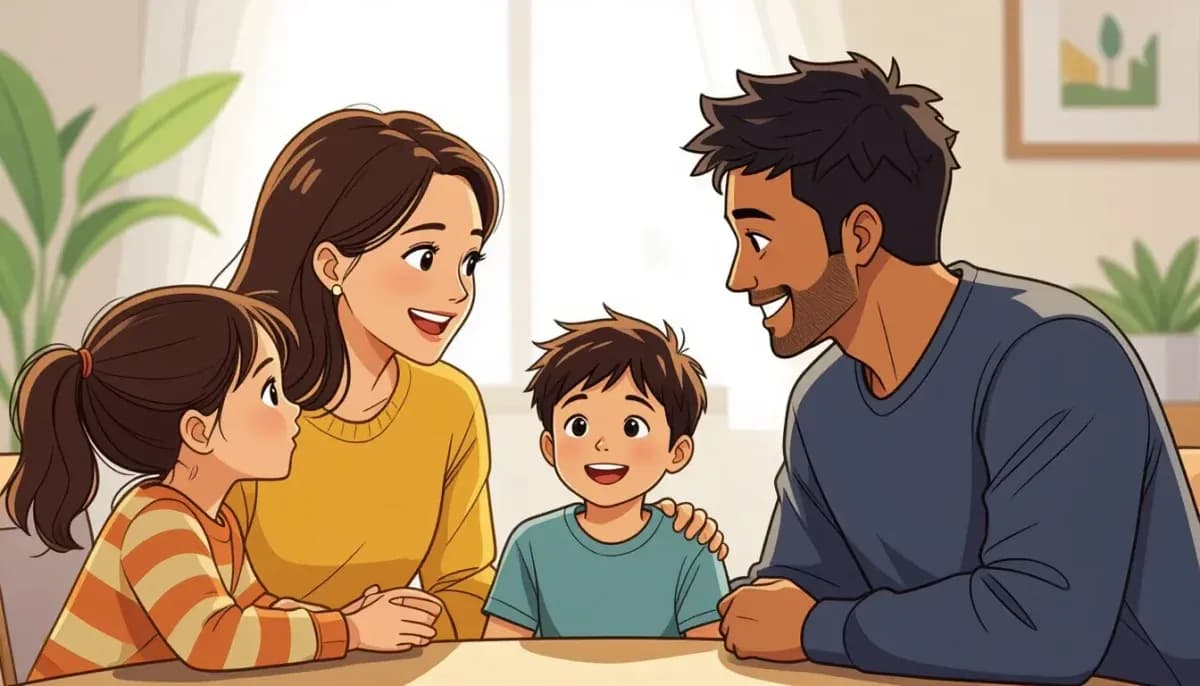
A practical guide for foreign parents and expat families in Japan on how to talk to children about race and ethnicity, mixed heritage identity, and building resilience in a multicultural family.
How to Talk to Your Children About Race and Ethnicity in Japan
Raising children in Japan as a foreign parent means navigating a unique cultural landscape — one where your child may look different from classmates, carry two (or more) heritages, and face questions about identity that most adults still find difficult to answer. Whether your family is multiracial, multinational, or simply non-Japanese living in Japan, talking openly with your children about race and ethnicity is one of the most powerful gifts you can give them.
This guide is written specifically for foreign parents and expat families in Japan. It draws on research, real experiences from multicultural families, and practical communication strategies tailored to the Japanese social context.
Why These Conversations Matter — Especially in Japan
Japan is a country with a strong cultural narrative around homogeneity. While that narrative is increasingly challenged by growing international migration and a rising number of mixed-heritage families, it still shapes how children — including yours — experience daily life.
Research shows that by 6 months of age, babies begin noticing racial differences. By age 4, children can show signs of racial bias. If parents stay silent on the topic, children do not remain neutral — instead, they absorb messages from peers, media, and society. In Japan, where the word hafu is routinely applied to mixed-heritage individuals, your child will almost certainly encounter these labels before you bring them up yourself.
According to Japan's Ministry of Health, Labor, and Welfare, over 30,000 international marriages occur in Japan each year. In 2023 alone, 15,120 children (approximately 2.1% of all births) were born to at least one foreign-national parent. The mixed-heritage community in Japan — sometimes called hafu, daburu (double), or kokusaiji (international child) — is growing, and so is the need for families to have these conversations.
Related reading: Understanding Hafu Identity in Modern Japan
Understanding the Japanese Context for Race and Ethnicity
Before you can guide your children, it helps to understand the broader social environment they are growing up in.
The Hafu Label and Its Implications
The term hafu is widely used in Japan to describe people of mixed Japanese and non-Japanese heritage. While some embrace it, others find it limiting or even offensive — the word literally means "half," suggesting incompleteness. The term daburu (double) has gained traction as an alternative that emphasizes dual heritage rather than partial identity.
Mixed-race children in Japan can face real social pressures. Academic research and community testimony document that hafu individuals regularly encounter:
- Bullying and microaggressions in school settings
- Being treated as permanent foreigners regardless of citizenship
- Pressure to "choose sides" between their cultural identities
- Discrimination in later life — in employment and housing
One parent shared that her son was called kimoi (disgusting) at a local archery club simply for being half-European. These are not isolated incidents. Preparing your child — not with fear, but with resilience and understanding — is essential.
For a broader look at family life as a foreigner in Japan, see the Family Life in Japan Complete Guide.
Japan's Citizenship Law Adds Complexity
Japan does not recognize dual nationality for adults. Children born to one Japanese and one foreign parent are required by law to choose a single citizenship by the age of 22 (with the formal declaration deadline at 20). This is not just a legal matter — it becomes an emotional and identity question as your child grows. Start conversations early so the eventual decision feels less abrupt.
Age-by-Age Guide to Talking About Race and Ethnicity
There is no single right age to begin, but earlier is almost always better. Here is a practical framework for different developmental stages:
| Age Group | What Children Notice | How to Approach It |
|---|---|---|
| 0–2 years | Physical differences (skin, hair, eyes) | Name and celebrate differences naturally |
| 3–5 years | Group labels; asking direct questions | Answer honestly and simply; use books with diverse characters |
| 6–10 years | Social hierarchies; awareness of "fitting in" | Discuss fairness, prejudice, and your family's story |
| 11–14 years | Identity formation; peer pressure | Share your own experiences; validate their feelings |
| 15+ years | Systemic racism; political context | Have deeper, nuanced discussions; treat them as near-adults |
The key principle across all ages: do not wait for your child to bring it up. Create space for the conversation proactively.
Practical Strategies for Multicultural Families in Japan
1. Start With Your Own Story
Your child's identity is rooted in yours. Before you can guide them, examine your own relationship to race and ethnicity. Did you grow up experiencing discrimination? Do you carry unresolved anxiety about how your child will be treated?
Author and parent Hayleigh Kanno, who raises her biracial children in Japan, has written about how she unconsciously handed her own emotional baggage from racial experiences in the United States to her first child — steering her away from certain activities out of fear, not necessity. Recognizing this pattern allowed Kanno to raise her second child very differently.
Ask yourself: What messages about race am I sending without words?
2. Use Correct, Honest Language
Children can handle more honesty than we often give them credit for. Name things clearly:
- "Your hair is different from your classmates' because our family comes from two different places."
- "Some people in Japan have not met many people who look like you before. That's okay — we can help them learn."
- "The word hafu means half, but you are not half of anything. You are all of everything."
Avoid euphemisms that imply race is shameful or unspeakable. When race is treated as a forbidden topic, children learn it is something to be embarrassed about.
3. Celebrate Both Cultures Actively
Children need to see their heritage honored in concrete, joyful ways — not just as a source of challenge. This might mean:
- Celebrating holidays from both (or all) of your family's cultural traditions
- Reading books, watching films, and listening to music that features characters and creators from your heritage cultures
- Cooking foods from both backgrounds and naming them by their cultural origins
- Visiting cultural community events in Japan related to your home country
For bilingual families, maintaining your heritage language is also a powerful marker of identity. See Why Maintaining Your Child's Heritage Language Matters for more on this topic.
4. Prepare Them for Difficult Moments
Rather than shielding your child from the possibility of racism or discrimination, help them prepare for it with scripts and strategies. Role-play scenarios:
- "If someone asks where you are really from, what would you say?"
- "If someone says something unkind about how you look, what could you do?"
This is not about making them anxious. It is about giving them agency and confidence. Children who have language for what is happening to them are far less likely to internalize unkind comments as personal truths.
For more guidance on supporting your child's emotional wellbeing in Japan, read Signs of Stress and Anxiety in Expat Children.
5. Find Your Community
One of the most effective things you can do for both yourself and your child is connect with other multicultural families in Japan. Peer relationships with children who share similar backgrounds are invaluable for identity development.
Communities worth exploring include:
- Black Women in Japan (Facebook group)
- Black Mommies in Japan (Facebook group)
- Legacy Foundation Japan — supports children of African descent in Japan
- Interracial family meetup groups in major cities like Tokyo, Osaka, and Nagoya
- International schools and weekend language schools that attract diverse families
For in-depth information about schooling options for multicultural children, see the Complete Guide to International Schools in Japan.
What Research Says About Race-Conscious Parenting
The evidence strongly supports what researchers call "race-conscious parenting" — openly acknowledging race and talking about it, rather than adopting a "colorblind" approach. Studies consistently show that:
- Children raised in homes where race is openly discussed develop stronger, more secure identities
- Multiracial children who receive explicit positive messaging about their heritage have better psychological outcomes
- Avoiding the topic does not protect children from racial bias — it simply leaves them without tools to process it
EmbraceRace, an organization dedicated to supporting parents in raising race-conscious children, offers ten key tips: from starting early and modeling diverse friendships, to being honest about oppression and sharing stories of resilience. Read their full resource guide at EmbraceRace: Teaching and Talking to Kids About Race.
For practical guides on navigating international family life in Japan, Living in Nihon's International Marriage and Partnership Guide is a valuable starting point.
Resources for Multicultural Families in Japan
Here is a summary of practical resources for foreign families navigating race and identity conversations in Japan:
| Resource | What It Offers | Link |
|---|---|---|
| Savvy Tokyo | Real stories from mixed-race families in Japan | Raising Biracial Children in Japan |
| EmbraceRace | Research-backed tips for race conversations | 10 Tips for Talking to Kids |
| Living in Nihon | International marriage and family guides | International Marriage Guide |
| For Work in Japan | Family life guides for foreign residents | Family Life in Japan Guide |
| Chuukou Benkyou | School exams for returnee and foreign students | Returnee Exam Systems |
Frequently Asked Questions
My child says they just want to be "normal" — should I push the conversation? Respect their coping strategy while gently keeping doors open. Saying "I understand — I just want you to know you can always talk to me about it" is enough. Forcing the conversation can create resistance. But do not interpret their reluctance as a sign they do not need your support.
What if my child faces overt racism at school? Document incidents when possible. Speak with teachers directly and calmly. If the school is unresponsive, escalate to the Board of Education. Having a support network of other foreign parents or multicultural family advocates is invaluable in these moments.
We are not mixed-race — should I still talk to my child about race? Absolutely. Non-Japanese children of any background who live in Japan will encounter questions about difference and belonging. Raising children to be thoughtful, empathetic global citizens means helping them understand race even when it is not their own immediate lived experience.
Final Thoughts
Talking to your children about race and ethnicity in Japan is not a one-time conversation — it is a series of ongoing, evolving dialogues that grow alongside your child. The goal is not to give your child every answer, but to make yourself a safe person they can come to with questions, confusion, and hurt.
Japan is changing. More international families call it home every year. The next generation of children growing up in Japan — including yours — will shape what diversity, identity, and belonging mean in this country. Give them the language and the confidence to do that well.

Originally from Vietnam, living in Japan for 16+ years. Graduated from Nagoya University, with 11 years of professional experience at Japanese and international companies. Sharing practical information for foreign parents raising children in Japan.
View Profile →Related Articles
Growing Up Bilingual and Bicultural as a Hafu in Japan
A comprehensive guide to raising hafu children in Japan — bilingual development strategies, cultural identity support, school life tips, and community resources for bicultural families.
Read more →
Books and Resources About Being Hafu for Children
A complete guide to the best books, films, communities, and resources to help hafu (mixed-heritage) children in Japan build a strong, positive identity. Includes recommended picture books, documentaries, and online support groups for parents.
Read more →
International Community Support for Hafu Families
Find community support for hafu and mixed-heritage families in Japan. Online groups, non-profits, school resources, and cultural events to help bicultural families thrive.
Read more →
Hafu Children's Experiences in Japanese Schools
Discover what hafu (mixed-race) children experience in Japanese schools — from identity challenges and bullying to bilingual expectations and practical tips for parents raising bicultural kids in Japan.
Read more →
Multicultural Identity Development Stages in Children
Understand the 5 stages of multicultural identity development for children raised in Japan. Practical guidance for expat and mixed-heritage families supporting their kids.
Read more →
Nationality Choices for Hafu Children in Japan
A complete guide for international families on nationality choices for hafu children in Japan — dual citizenship rules, the age 20 deadline, the critical 3-month rule for births abroad, and how to support your child's dual identity.
Read more →