
Complete Guide to International Schools in Japan

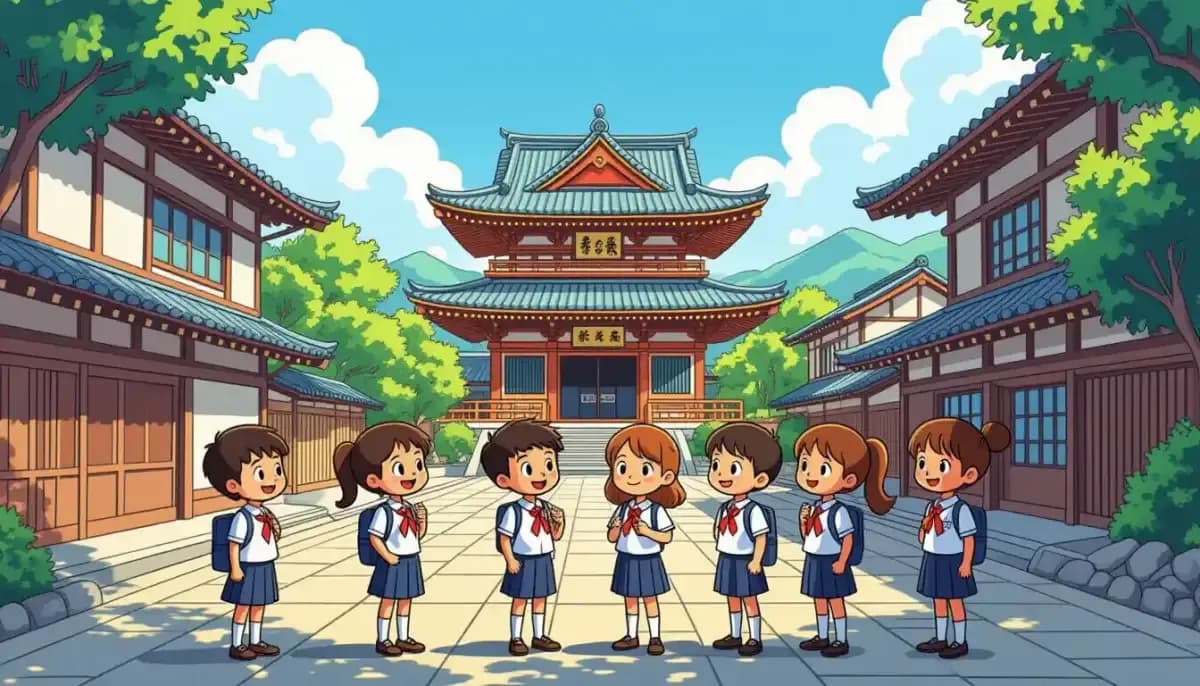
Everything expat families need to know about international schools in Japan: types of curricula, tuition costs, enrollment steps, locations across Tokyo and beyond, and university pathways for graduates.
Complete Guide to International Schools in Japan
Moving to Japan with children is one of the most exciting — and challenging — decisions a family can make. One of the first questions parents ask is: where will my child go to school? Japan has a world-class public education system, but for many expat families, international schools offer a more familiar curriculum, English-language instruction, and a multicultural community that helps children thrive during their time abroad.
This guide covers everything you need to know about choosing, enrolling in, and affording an international school in Japan in 2025 and beyond.
Why Choose an International School in Japan?
Japan's public schools are excellent, and many foreign children successfully attend them. However, international schools offer distinct advantages for families planning shorter stays or prioritizing continuity of education.
Key reasons expat families choose international schools:
- Language of instruction: Classes are primarily in English (or another foreign language), reducing the adjustment burden for children
- Curriculum continuity: Your child can continue the same curriculum they studied at home (IB, American, British), making future school transitions easier
- Cultural diversity: International schools attract students from dozens of nationalities, creating an inclusive, multicultural environment
- Support services: ESL support, counseling, and transition programs are built-in for internationally mobile students
- Mid-year enrollment: Most international schools welcome new students at any time of year, unlike Japanese public schools
For families staying in Japan for 1–3 years, international schools are often the most practical choice. Families planning to stay long-term should weigh the significant cost difference against the benefits of local integration.
For a broader picture of how education works in Japan, see our Complete Guide to the Japanese Education System for Foreign Families.
Types of International Schools and Curricula in Japan
Japan's 80+ international schools offer a range of educational approaches. Understanding the differences helps you find the right fit for your child.
International Baccalaureate (IB) Schools
The IB programme is the most globally recognized international curriculum. It is divided into three levels:
- PYP (Primary Years Programme): Ages 3–12
- MYP (Middle Years Programme): Ages 11–16
- DP (Diploma Programme): Ages 16–19
IB diplomas are accepted by universities in over 140 countries. Schools like Tokyo International School in Minato-ku and Osaka International School (700+ students) offer the full IB continuum.
American Curriculum Schools
American-curriculum schools follow a K–12 structure with Advanced Placement (AP) courses for university-bound students. The American School in Japan (ASIJ) in Chofu is one of the largest, with over 1,700 students on an 83-acre campus. Graduates can apply to US colleges with familiar transcripts and SAT scores.
British Curriculum Schools
British schools offer GCSEs at ages 14–16 and A-Levels at ages 16–18, recognized by UK universities and many institutions worldwide. The British School in Tokyo has 600+ students and follows the Cambridge qualifications pathway.
Bilingual Japanese-International Schools
A growing category, these schools combine Japanese language and culture with an international curriculum. They are an excellent choice for families planning a long-term stay in Japan who want their children to develop genuine bilingualism. See our guide on Raising Bilingual Children in Japan for more on language development strategies.
Summary Comparison Table
| Curriculum | Best For | University Recognition | Language | Example School |
|---|---|---|---|---|
| IB (PYP/MYP/DP) | International mobility | 140+ countries | English | Tokyo International School |
| American (K–12) | US college-bound | USA, globally | English | ASIJ (Chofu) |
| British (GCSE/A-Level) | UK-oriented families | UK, globally | English | British School in Tokyo |
| Japanese-International | Long-term Japan residents | Japan + international | Japanese/English | Various bilingual schools |
| National (French, German, etc.) | Families of that nationality | Home country | Native language | French school, German school |
International School Locations in Japan
Most international schools are concentrated in urban areas. Here is an overview by region:
Tokyo & Yokohama — The largest selection in Japan. Schools are spread across Minato, Shibuya, Setagaya, Yokohama, and Chofu. Expect the highest tuition rates and most competitive admissions.
Kansai Region (Osaka, Kobe, Kyoto) — Several long-established international schools with strong reputations. Fees are typically 20–30% lower than Tokyo equivalents. Kobe in particular has a long history of international communities.
Nagoya — A growing selection, including Nagoya International School, serving the large expat community in the automotive industry corridor.
Fukuoka, Sapporo, Hiroshima — Fewer options, but some international schools serve these cities. Regional cities offer more authentic Japanese integration alongside limited international school availability.
If you are relocating from overseas and need to choose a region, Tokyo offers the most school options. If you already have a workplace destination, research which schools serve that city before committing.
International School Tuition and Fees
International school fees in Japan are significant. Budgeting carefully — and early — is essential. For a detailed breakdown of how to save and plan for these costs, see our partners' guide on children's education fund planning in Japan.
Annual Tuition (2025 Estimates)
| Region | Elementary | Middle School | High School |
|---|---|---|---|
| Tokyo (standard) | ¥2,000,000–¥3,000,000 | ¥2,200,000–¥3,200,000 | ¥2,500,000–¥3,500,000 |
| Tokyo (premium) | ¥3,000,000–¥4,000,000+ | ¥3,200,000–¥4,200,000+ | ¥3,500,000–¥4,500,000+ |
| Kansai Region | ¥1,400,000–¥2,200,000 | ¥1,600,000–¥2,400,000 | ¥1,800,000–¥2,700,000 |
| Regional Cities | ¥1,200,000–¥2,000,000 | ¥1,400,000–¥2,200,000 | ¥1,600,000–¥2,400,000 |
Additional Costs to Budget For
Beyond tuition, families should plan for:
- Enrollment/Registration fees: ¥500,000–¥1,800,000 (one-time, first year)
- Application fees: ¥20,000–¥80,000
- School bus transportation: ¥100,000–¥300,000 per year
- Uniforms and supplies: ¥50,000–¥150,000
- Extracurricular activities: ¥30,000–¥200,000+ per year
- School trips: Varies by school
The total 12-year cost from elementary through high school at an international school can reach ¥24,000,000 to ¥36,000,000 — a substantial family investment.
Financial Support Options
- Corporate Education Allowance: Many companies with expat employees provide education allowances of ¥1M–¥3M+ per year. Confirm this with your employer before relocation.
- Government support: As of April 2025, high school tuition is free for eligible residents in Japan. Some international schools qualify if accredited by MEXT or a recognized international body.
- Scholarships: Some schools offer merit-based scholarships. Ask during the admissions process.
For more on managing expat family finances in Japan, see our guide on Financial Planning for Expat Families Raising Children in Japan.
Enrollment Process: Step-by-Step
Admission to international schools in Japan — especially top-tier Tokyo schools — can be competitive. Starting early is critical.
Recommended Timeline
2+ years before enrollment: Begin researching schools. Visit campuses, attend open houses, and connect with current parent communities.
1–1.5 years before: Submit applications. Most schools require:
- Previous academic transcripts (translated if necessary)
- Teacher recommendation letters
- Passport and visa copies
- Medical and vaccination records
- English proficiency assessment (for non-native speakers)
- Math placement test
6–12 months before: Receive offer letters. Confirm enrollment and pay registration fees.
September/October: Main intake for Western-calendar schools. Some schools also offer April enrollment.
Mid-Year Enrollment
One significant advantage of international schools over Japanese public schools is flexibility. Most international schools are experienced with families arriving mid-year due to corporate relocations and will accommodate enrollment at any time. Language support programs help new students integrate quickly.
For details on how Japanese public schools handle foreign children, including government support services, see our Elementary School in Japan guide for foreign parents.
What to Look for When Choosing a School
With so many options, narrowing down the right school requires evaluating your family's specific situation:
1. Your family's long-term plan If you're staying 1–2 years, curriculum continuity is the top priority. If you're staying 5+ years, language integration and bilingual programs become more important.
2. Accreditation Look for schools accredited by organizations like WASC (Western Association of Schools and Colleges), CIS (Council of International Schools), or COBIS (Council of British International Schools). Accreditation ensures quality standards and is often required for credit transfer.
3. University outcomes Ask about recent college placement results. Where do graduates go? IB schools often have strong UK and US university placements.
4. ESL and support services If your child's English is developing, ask about English as a Second Language (ESL) programs. Strong schools will have dedicated language support at no extra charge.
5. Community and culture fit Visit the school. Speak to parents. The school's community feel — its diversity, warmth, and values — matters as much as the curriculum.
6. Commute and location Tokyo traffic and train distances can be significant. A 30-minute commute each way adds up. Consider proximity to your home or workplace when shortlisting schools.
For comprehensive support on your family's Japan journey, the team at For Work in Japan's family life guide covers additional aspects of raising children in Japan as a foreign resident.
After International School: University Pathways
Students graduating from international schools in Japan have multiple university pathways:
- Overseas universities: IB, American, and British qualifications are well-recognized. Many ASIJ and British School graduates attend top US, UK, and European universities.
- Japanese universities: Several national and private Japanese universities have dedicated returnee and foreign student admission tracks. These programs require 2+ years of international education and may require TOEFL/IELTS or the EJU (Japanese University Examination for International Students).
- Japanese-language universities: Students with strong Japanese skills can apply to mainstream Japanese university programs.
If your child may apply to Japanese universities after international school, Chuukou Benkyou's guide to returnee and foreign student exam systems is an essential resource explaining how to navigate Japan's special admissions pathways.
Students coming from international schools who are interested in after-school enrichment should also explore our guide on After-School Activities, Juku, and Extracurriculars in Japan.
Key Takeaways
Choosing an international school in Japan is a significant decision that touches your family's finances, your child's education continuity, and their cultural experience.
Summary of recommendations:
- Start your search early — 2 years before enrollment for top schools
- Confirm corporate education allowances before relocating
- Visit multiple campuses and speak to current parents before deciding
- Consider your family's timeline — short stay vs. long-term plan shapes everything
- Explore all financial options including scholarships, government support, and employer benefits
Japan's international school sector is well-developed, welcoming, and diverse. With the right preparation, your child can thrive academically and culturally during your time in Japan.
For more resources on raising children in Japan, explore our full guide to children's healthcare and medical care in Japan and our coverage of bullying (ijime) in Japanese schools — topics every international school parent should be aware of.
Further reading: Japan Dev's guide to international schools in Japan | Japan Handbook: International Schools Guide | Housing Japan: Best International Schools 2026

Originally from Vietnam, living in Japan for 16+ years. Graduated from Nagoya University, with 11 years of professional experience at Japanese and international companies. Sharing practical information for foreign parents raising children in Japan.
View Profile →Related Articles
International School vs Japanese School: Pros and Cons
Compare international schools and Japanese public schools in Japan. Detailed cost breakdown, language considerations, and practical advice for expat families choosing the right school.
Read more →
Japanese Language Classes at International Schools
Complete guide to Japanese language programs at international schools in Japan. Learn about JSL, bilingual education, top schools, JLPT prep, and how to support your child's Japanese learning.
Read more →
Extracurricular Activities at International Schools in Japan
Discover sports, arts, robotics, MUN, and community service programs at international schools in Japan. A complete guide for expat families choosing the right activities for their children.
Read more →
International School Admission Process in Japan
Step-by-step guide to international school admission in Japan for expat families. Covers requirements, costs, timelines, and how to navigate the application process successfully.
Read more →
Indian, Korean, and Other Ethnic Schools in Japan
Comprehensive guide to Indian, Korean, Chinese, Brazilian and other ethnic schools in Japan. Learn about IISJ, Chosen gakko, Brazilian schools, legal status, tuition, and how to choose the right school for your family.
Read more →
Online and Hybrid International School Options in Japan
Discover the best online and hybrid international school options in Japan for expat families. Compare costs, accreditation, and flexible programs from ¥300,000/year — a fraction of traditional international school fees.
Read more →