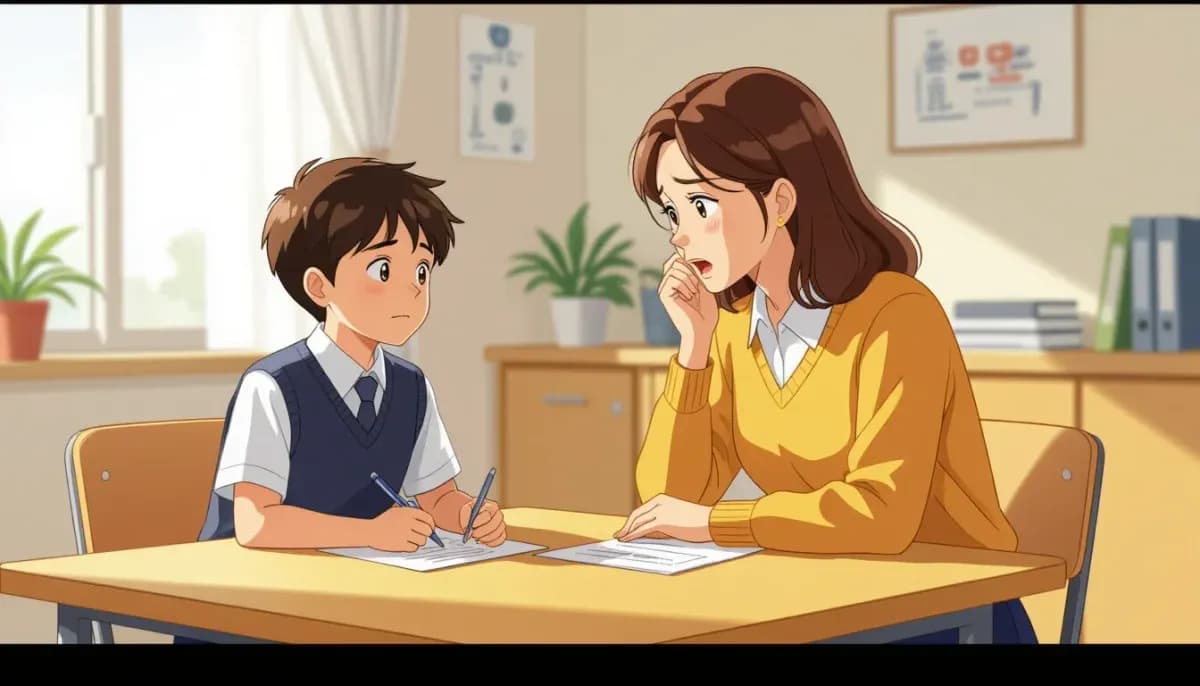
Bullying (Ijime) in Japanese Schools: Prevention and Response Guide
Bullying in Japan — known as ijime (いじめ) — is one of the most serious and persistent challenges facing the Japanese education system. For foreign families raising children in Japan, understanding how ijime works, how schools handle it, and what steps you can take as a parent is essential. This comprehensive guide covers everything you need to know: the scale of the problem, how to recognize warning signs, how Japanese schools are required to respond, and practical steps to protect your child.
According to Japan's Ministry of Education (MEXT), 769,022 bullying cases were reported in FY2024 — a record high, up 5% from the previous year. Behind these numbers are real children, families, and communities struggling with a deeply ingrained social phenomenon. If your child is being bullied at a Japanese school, or if you suspect they might be, this guide is your starting point.
What Is Ijime? Understanding Bullying in the Japanese Context
The word ijime (苛め) means bullying, harassment, or oppression. Japan's Ministry of Education defines it as:
"An act by a student or students toward another student that causes physical or psychological suffering, as judged from the standpoint of the child who feels bullied."
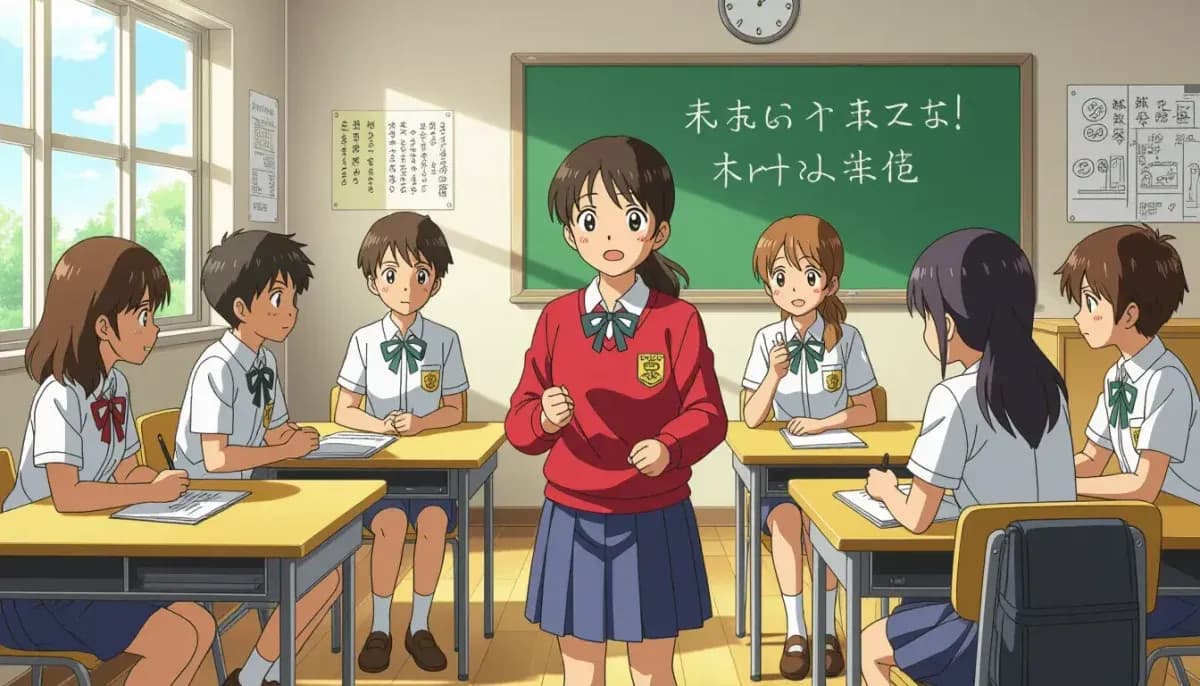
What makes ijime distinct from bullying in many Western contexts is its group-based nature. Research shows that approximately 80% of victims are targeted by groups, not individuals. In extreme cases, entire classrooms may participate in or silently condone the exclusion or harassment of a single student. This phenomenon — sometimes called shūdan ijime (集団いじめ) or group bullying — makes it particularly difficult to detect and stop.
The most common forms of ijime include:
- Verbal abuse and teasing (ridicule, insults, name-calling)
- Social exclusion and ostracism (being ignored, left out of groups)
- Physical violence (hitting, pushing, theft of belongings)
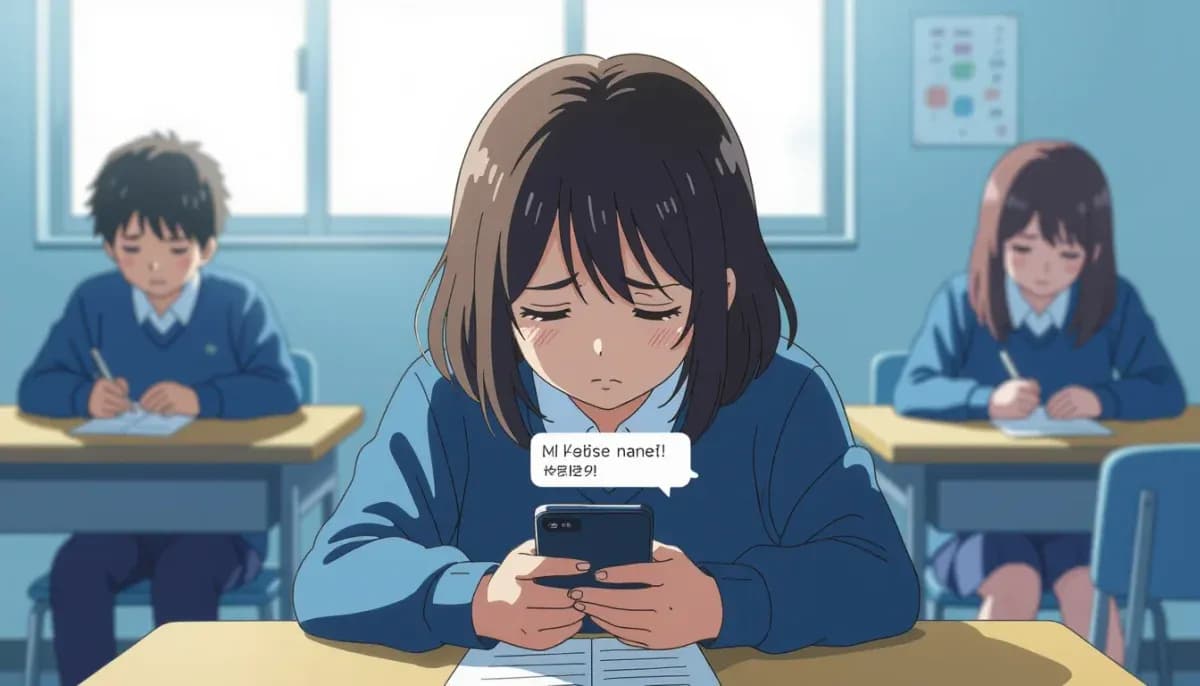
- Cyberbullying (harassment via LINE, social media, private chat groups)
- Coercion (forcing victims to perform demeaning acts or hand over money)
Bullying peaks at age 13, the transition into junior high school — a period of heightened social pressure and new peer dynamics. If your child is entering this age bracket at a Japanese school, it is worth being especially attentive.
For more context on how the Japanese school system works at this stage, see our guide on Junior High School in Japan: Guide for Foreign Families.
The Scale of Ijime: Statistics and Trends
Understanding how common ijime really is helps foreign parents put the risk in perspective — and take it seriously.
| Year | Reported Bullying Cases (Japan) |
|---|
| 2006 | 125,295 |
| 2011 | 70,231 |
| 2013 | 185,860 |
| 2019 | 610,000+ |
| 2022 | 680,000+ |
| 2024 | 769,022 (record high) |
Source: Japan Ministry of Education, Culture, Sports, Science and Technology (MEXT)
Key findings from national research:
- 66.2% of Japanese children reported experiencing some form of bullying at some point in their school years (2013 study)
- 74.9% of incidents occur in classrooms — making the classroom the primary danger zone
- 60%+ of bullying episodes last one week or more
- Nearly 50% of male victims told no one about being bullied
- Girls experience slightly higher overall rates (15.8%) than boys (13.1%), though boys face more physical violence
- 76% of reported cases are marked "resolved" by schools — though critics question this figure
For a broader look at how these issues intersect with child wellbeing in Japan, visit Savvy Tokyo's guide to ijime in Japanese schools.
Warning Signs: How to Tell If Your Child Is Being Bullied
Detecting ijime early is critical. Japanese children — especially those socialized to avoid burdening others — may not tell their parents directly. Foreign children face additional barriers: language limitations, uncertainty about cultural norms, and not knowing whom to trust at school.
Watch for these behavioral and physical warning signs:
Behavioral changes:
- Reluctance or refusal to go to school (school refusal / futōkō)
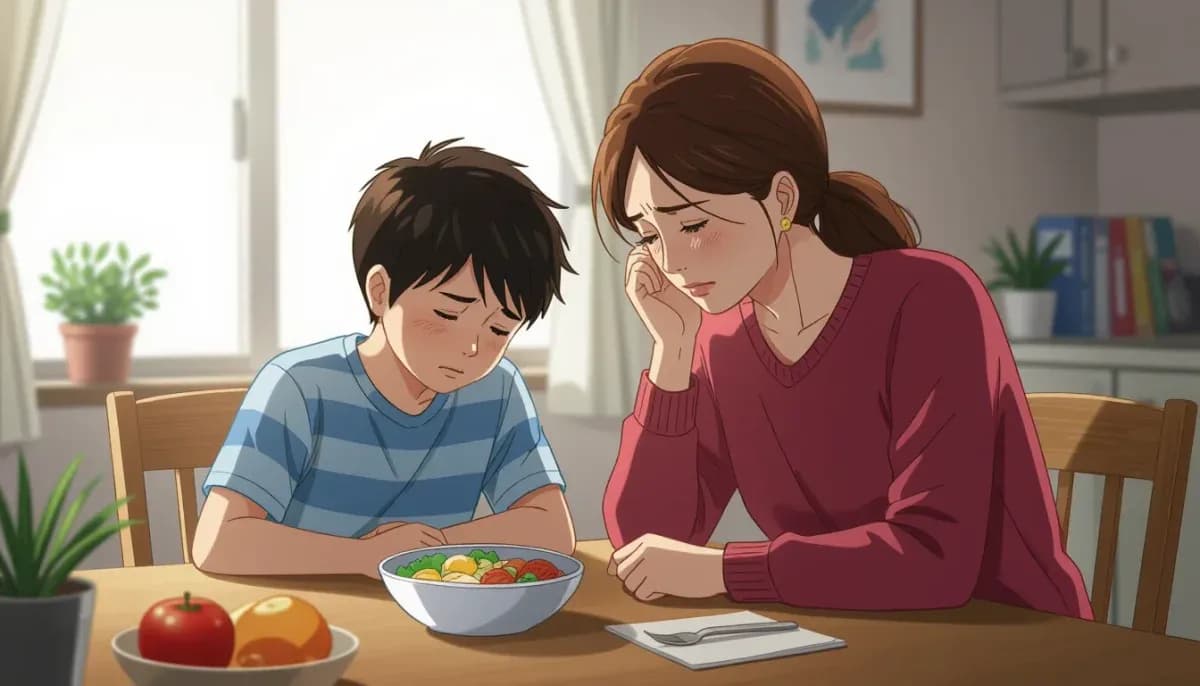
- Loss of appetite, trouble sleeping, or complaints of stomachaches before school
- Becoming withdrawn, anxious, or unusually quiet after school
- Sudden change in friendships — or claiming to have no friends
- Coming home with damaged belongings, missing money, or unexplained injuries
- Unusual secrecy about their phone or social media activity
- Declining grades or loss of interest in activities they previously enjoyed
Social indicators:
- No Japanese children visiting or inviting them to play
- Being excluded from class group chats on LINE
- Reports of being teased about their appearance, language, or nationality
Foreign children are at particular risk of exclusion based on their "outsider" status. Children who are hafu (half-Japanese) or who have limited Japanese language ability may face specific targeting. For guidance on supporting mixed-race children's identity in Japan, see Cultural Identity for Hafu and Mixed-Race Children in Japan.
Japan's Legal Framework: How Schools Must Respond to Ijime
Japan passed the Ijime Prevention Methods Promotion Law (いじめ防止対策推進法) in 2013, partly in response to the high-profile Otsu bullying suicide case, in which a 13-year-old was driven to suicide after sustained torment by classmates — with 67 of 330 classmates reportedly witnessing the abuse.
This law establishes legal obligations for schools:
- Detect and investigate reported bullying cases
- Notify parents of both the bullied student and the bully's family
- Develop a response plan and follow up to ensure the bullying has stopped
- Report serious cases to the local board of education
- Establish a school bullying prevention policy (all schools are required to have one)
Schools are required to have a designated bullying prevention coordinator and a multi-professional team that may include teachers, school counselors, and in serious cases, law enforcement.
What this means for foreign parents:
- You have the legal right to demand a formal investigation if you believe your child is being bullied
- Schools must respond — if they downplay or deny the situation, you can escalate to the Board of Education (kyōiku iinkai)
- You can request meetings with the school principal (kōchō sensei) and the class teacher (tantō kyōin)
For help navigating Japanese bureaucracy as a foreign family, see Living in Nihon's expat guide to life in Japan and general advice for foreign families from For Work in Japan.
How to Respond: Step-by-Step Guide for Foreign Parents
If you suspect or confirm your child is being bullied at a Japanese school, here is a practical action plan:
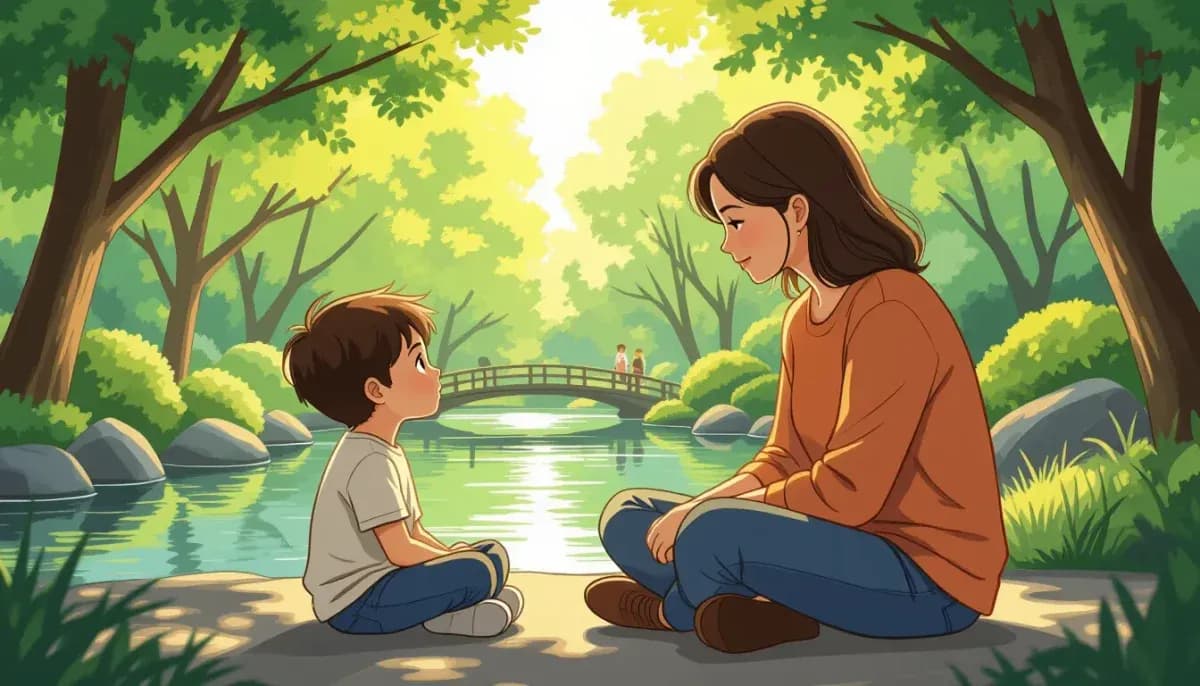
Step 1: Talk to Your Child First
Create a safe, non-judgmental space. Ask open-ended questions: "How are things going at school?" or "Is there anything happening with classmates that's bothering you?" Avoid minimizing ("That's just kids being kids") or overreacting in a way that makes your child feel they should have hidden it.
Step 2: Document Everything
Keep a written log of incidents: dates, descriptions, what was said or done, who was involved (if known). Save screenshots of any cyberbullying. This documentation will be invaluable when speaking to the school.
Step 3: Contact the School — Start with the Homeroom Teacher
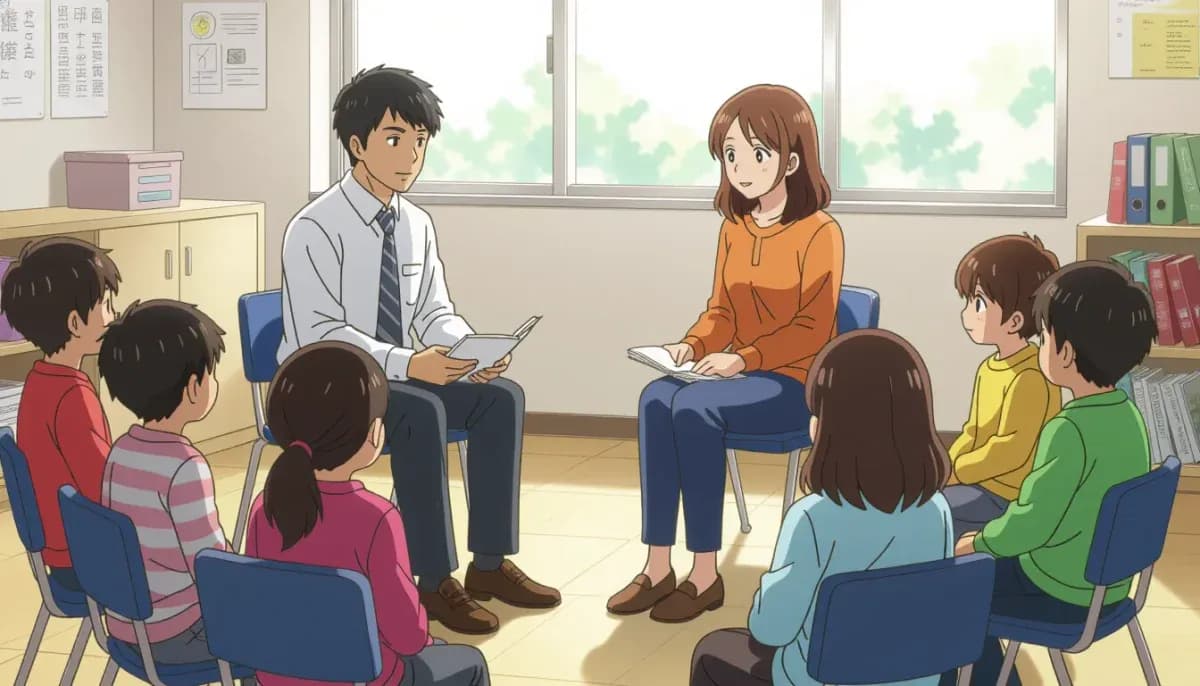
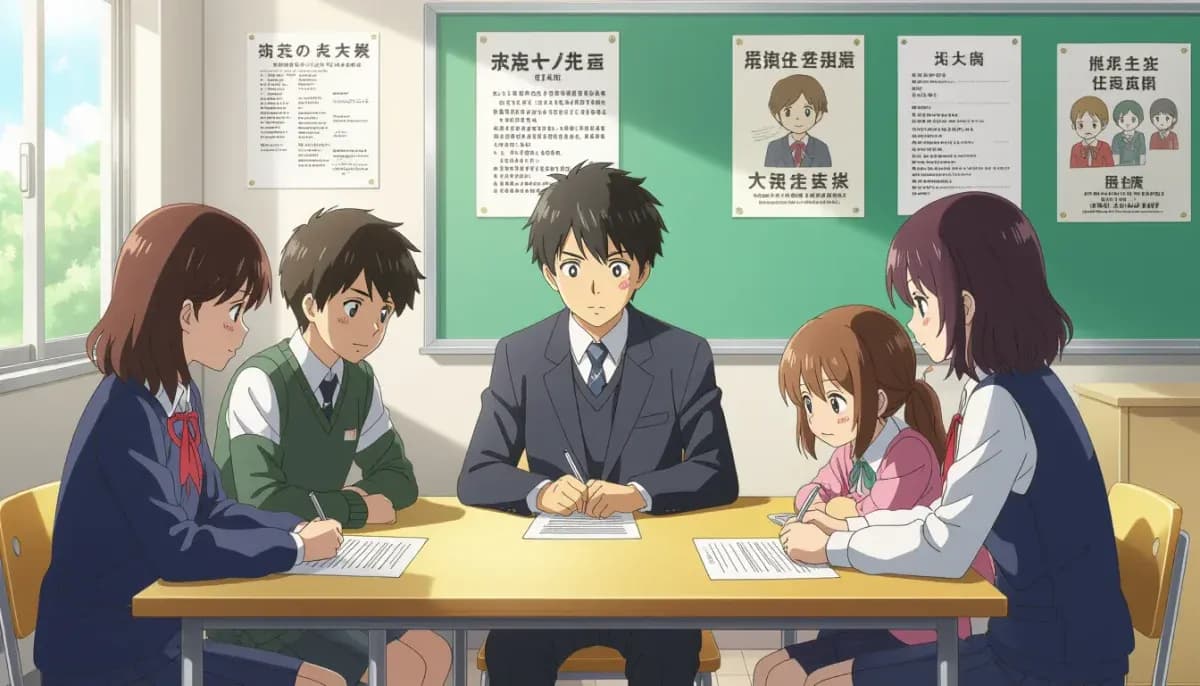
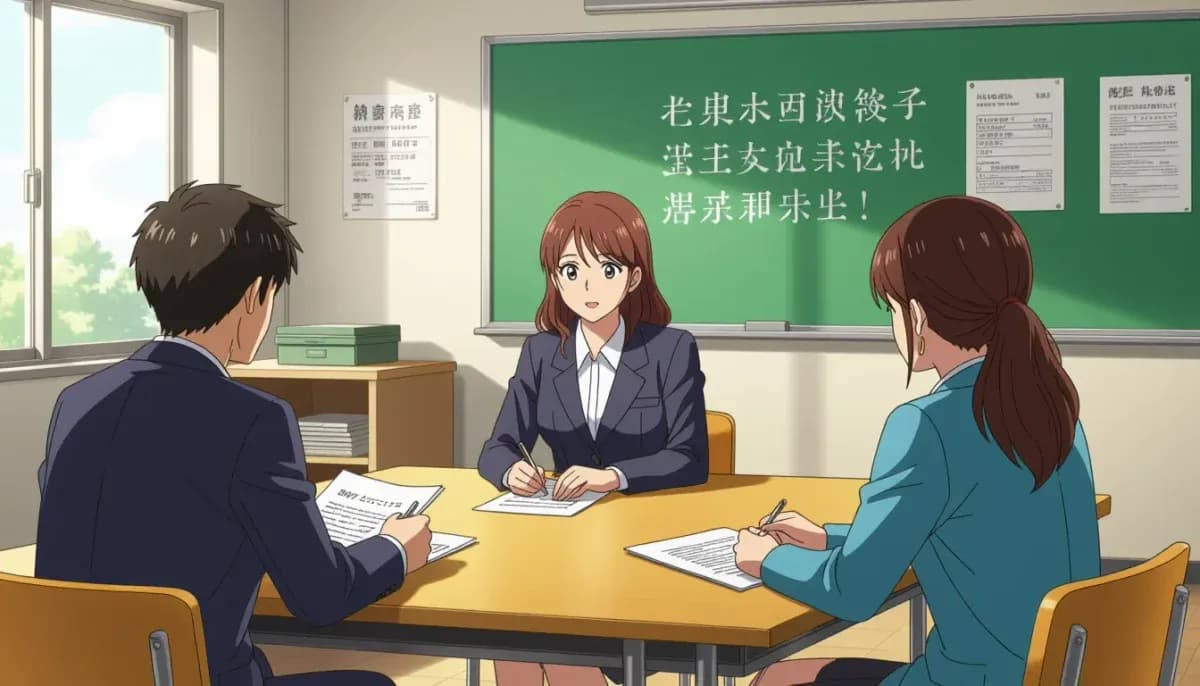
In Japanese schools, the tantō kyōin (担任教員) or homeroom teacher is the first point of contact. Request a face-to-face meeting (mendan). Be calm and factual. Explain what your child has told you and the changes in behavior you've observed.
If possible, bring a Japanese-speaking friend, colleague, or interpreter. Language barriers can create misunderstandings that derail the conversation before it starts.
Step 4: Escalate If Needed
If the homeroom teacher dismisses your concerns or nothing changes within two weeks, escalate:
- Request a meeting with the vice principal (kyōtō sensei) or principal (kōchō sensei)
- Contact the Board of Education (kyōiku iinkai) for your city or ward
- Reach out to the prefectural education office (todofuken kyōiku iinkai)
Step 5: Seek External Support
Japanese schools sometimes under-report or minimize bullying to protect their reputation. External organizations can help:
- 24-Hour Children's SOS Hotline: 0120-0-78310
- Tokyo Metropolitan Education Consultation Center: 03-3360-4175
- TELL Lifeline (English support): 0800-300-8355
- Your city's international affairs department may also have bilingual support staff
For information on protecting your child's mental health during this time, see our guide on Mental Health and Emotional Wellbeing for Foreign Children in Japan.
Prevention: Building Resilience and Community for Your Child
Prevention is never guaranteed — but there are meaningful steps you can take to reduce your child's vulnerability and help them build the social capital that protects against ijime.
Strengthen Japanese language ability: Language limitations isolate children and make them targets. Investing in Japanese tutoring, reading groups, or supplementary schooling can make a significant difference. See Teaching Japanese to Foreign Children: Methods and Resources for practical strategies.
Build outside-school friendships: Children who have strong friendships outside of school — in sports clubs (bukatsu), community programs, or international networks — are more resilient to classroom dynamics. Join local parent groups, international playgroups, or after-school activity circles.
Stay connected with school: Attend school events (gakkō gyōji), parent-teacher meetings (sankanbi), and PTA activities when possible. Teachers notice involved parents — and schools are more responsive to parents they know personally.
Normalize talking about school: Make it a daily habit to ask your child specific questions about school: "Who did you eat lunch with?" "Did anything funny happen today?" This creates an ongoing dialogue that makes it easier for your child to bring up problems.
Know your school's ijime policy: Every Japanese school is required to have a published bullying prevention policy. Request a copy (ijime bōshi no torikumi ni tsuite) at the start of each school year.
For broader guidance on raising children in Japan, Chuukou Benkyou offers resources on supporting children through the pressures of Japanese school life, including managing stress and academic expectations.
Also see the extensive research database at Facts and Details: Bullying in Japan for deeper statistical context.
Special Considerations for Foreign Children and Expat Families
Foreign children in Japanese schools face a unique layer of vulnerability. Several factors can make them more likely to experience ijime:
- Visible "otherness" — appearance, language, food at lunch, different customs
- Limited Japanese fluency — inability to participate in group conversations or defend oneself verbally
- Cultural misreads — not understanding unspoken rules of group behavior (kuuki wo yomu, "reading the air")
- Transient status — some classmates may not invest in friendship with children who are "just passing through"
That said, many foreign children thrive in Japanese schools. The presence of warm, engaged teachers and a supportive class environment can counteract these risks substantially.
If bullying persists despite all efforts, international schools are a legitimate alternative. These environments are inherently more multicultural and often have more robust English-language pastoral support. See International Schools in Japan: The Definitive Guide for Families for a full comparison of options.
For additional perspective from foreign workers and expat community members who have navigated the Japanese school system, the JET Program Guide on bullying in Japan offers candid firsthand accounts.
Conclusion: You Are Your Child's Best Advocate
Ijime is a serious, systemic problem in Japan — but it is not invisible, and it is not inevitable. Japanese law gives you rights. Schools have obligations. And support networks exist for foreign families who need help navigating the system.
The most important thing you can do is stay connected to your child's daily experience, take their concerns seriously, and act quickly when something seems wrong. Cultural deference to school authority is understandable in Japan — but your child's safety always comes first.
If you're raising a child in Japan and want to understand more about the broader education landscape, start with our pillar guide: The Complete Guide to the Japanese Education System for Foreign Families.