Teaching Japanese to Foreign Children: Methods and Resources
Moving to Japan with children is an exciting adventure, but one of the biggest challenges many expat families face is helping their kids learn Japanese quickly enough to thrive at school and in daily life. Whether your child is starting from zero or has picked up a few phrases, having a structured approach to Japanese language learning can make an enormous difference. This guide covers the most effective methods, recommended resources, and practical strategies for teaching Japanese to foreign children living in Japan.
Why Learning Japanese Matters for Foreign Children in Japan
Japan is home to over 3.77 million foreign nationals as of the end of 2024, a figure that has grown by 358,000 in just one year. Alongside this growth, approximately 129,000 foreign children are now enrolled in public elementary and junior high schools — a 9% year-on-year increase. Yet the educational system is struggling to keep pace: around 70,000 of these students require dedicated Japanese language instruction, double the number from just a decade ago.
For children without adequate Japanese skills, the consequences extend far beyond classroom performance. Language barriers lead to social isolation, reduced academic achievement, and narrowed career prospects later in life. On the positive side, children who do become proficient in Japanese gain access to a rich culture, stronger friendships, and a bilingual advantage that benefits them throughout life. Early and consistent language exposure is key — and it starts at home as much as at school.
For a broader view of the Japanese education landscape, see our Complete Guide to the Japanese Education System for Foreign Families.
How Japanese Schools Support Foreign Children
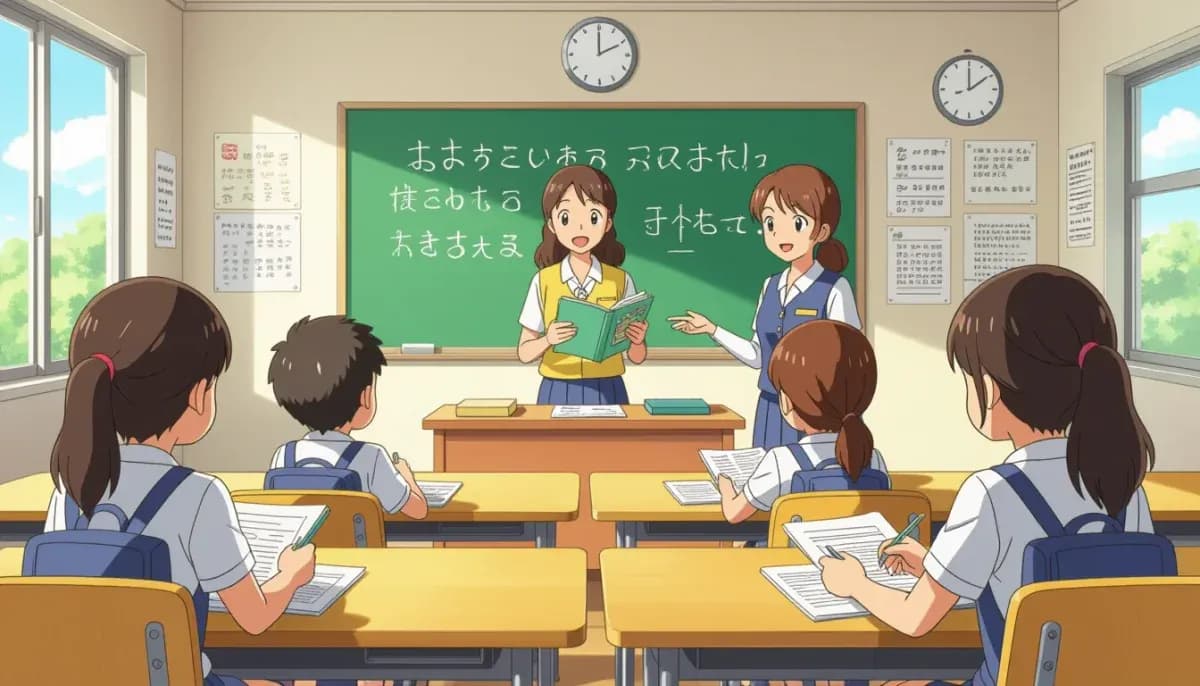
Public schools in Japan are required to admit foreign children tuition-free, and many have programs specifically designed to help non-native speakers. Understanding what support is available will help you advocate for your child and supplement where gaps exist.
Types of In-School Language Support
| Support Type | Description | Availability |
|---|
| Withdrawal Instruction (JSL Classes) | Concentrated Japanese study outside regular lessons | Available where enrollment thresholds are met |
| Additional Staffing | Extra teachers assigned to schools with many foreign students | Urban schools, larger cities |
| Native Language Assistants | Interpreters who support children in their home language | Limited; mainly large municipalities |
| School Readiness Programs | 20-day intensive Japanese course before enrollment | Introduced from fiscal 2024 in many areas |
| AI-Assisted Learning | Government initiative to use generative AI for instruction | Piloting from 2024–2025 |
The challenge is that roughly 70% of schools with foreign students have four or fewer such children, making it difficult for schools to justify dedicated resources. Urban areas like Matsudo in Chiba Prefecture have JFL classrooms in 15 of 45 schools, but rural prefectures often lack adequate staffing altogether. This means families often need to take Japanese language education into their own hands.
Read more about education support systems at Living in Nihon
Proven Methods for Teaching Japanese to Children at Home
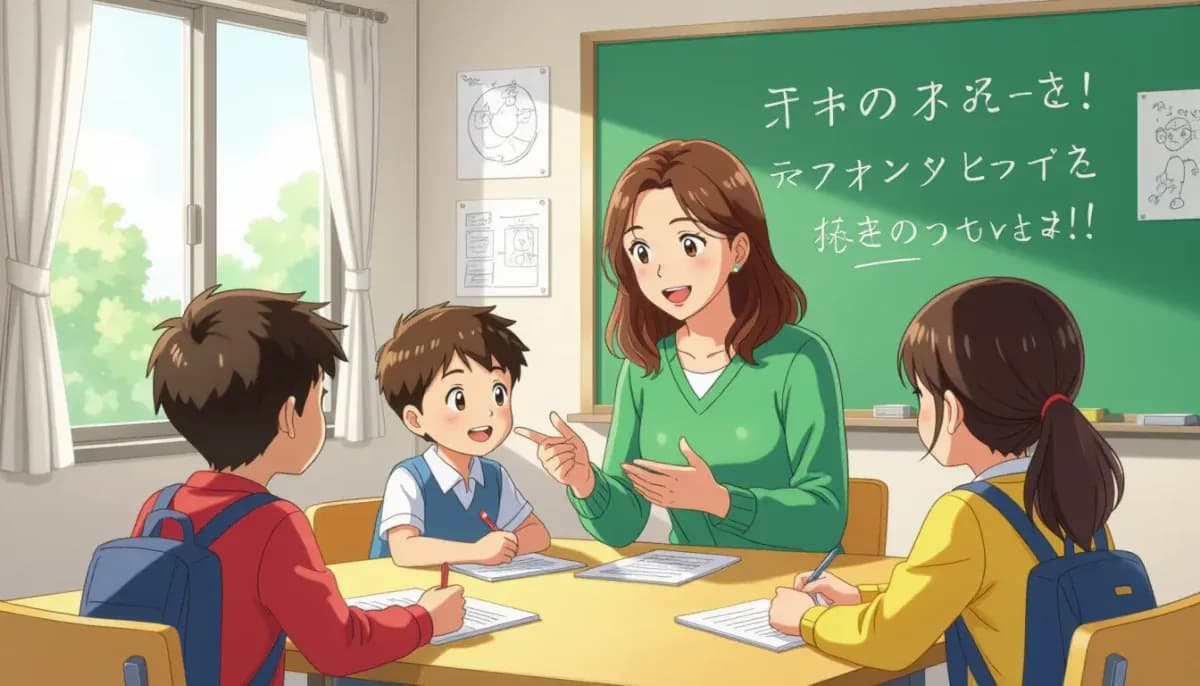
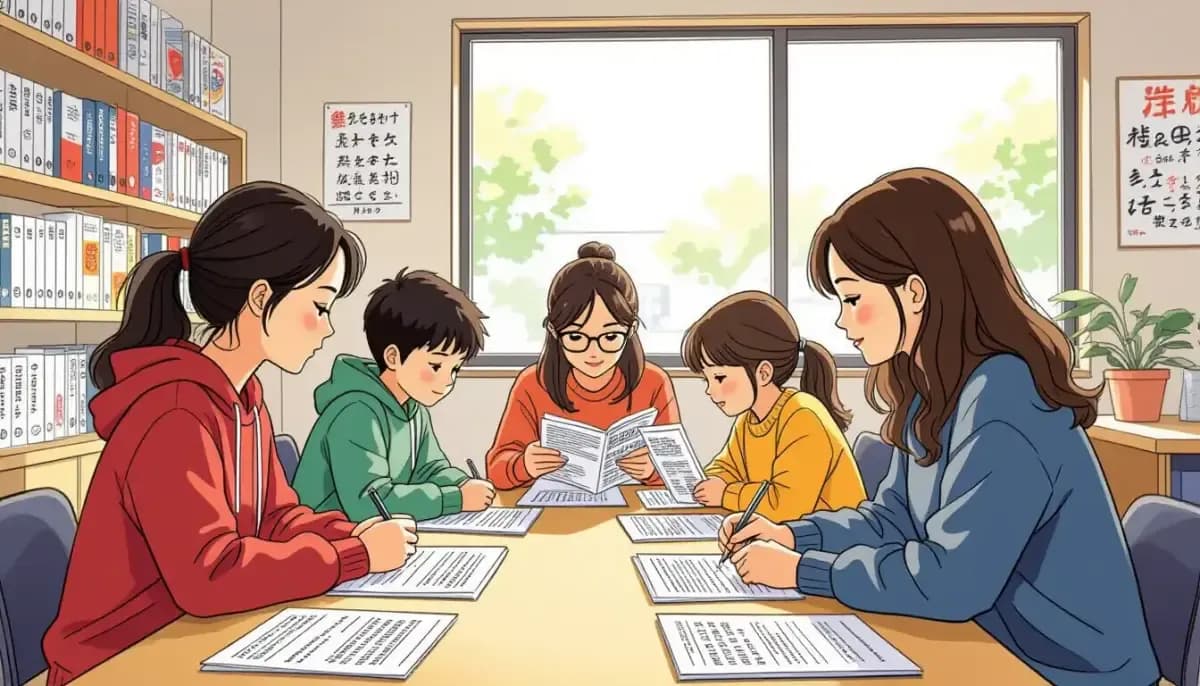
Home-based learning is one of the most powerful tools available to expat families. Children spend only a fraction of their waking hours at school — the rest of the time is an opportunity for language reinforcement.
Immersion and Everyday Exposure
The most effective approach for young children is immersion: surrounding them with Japanese in everyday life. This means:
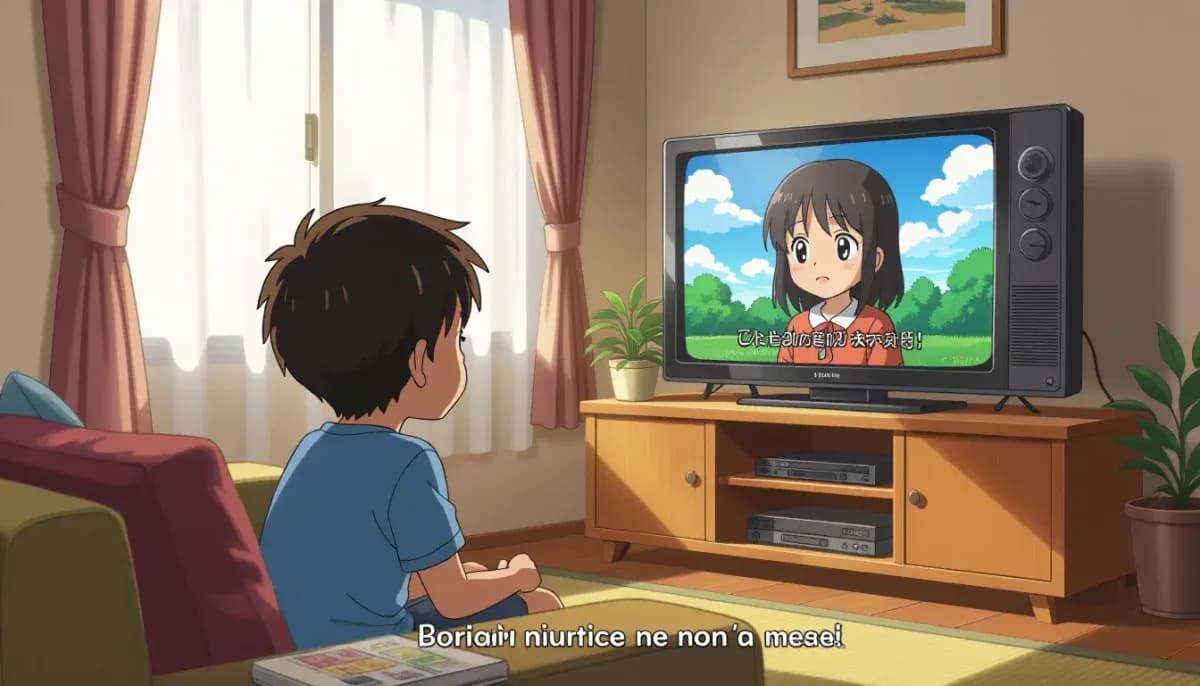
- Watching Japanese children's TV shows such as Anpanman, Doraemon, or NHK for School (free resource available online)
- Listening to Japanese songs and nursery rhymes with repetitive, simple lyrics
- Labeling objects around the home in Japanese (hiragana/katakana for younger children)
- Visiting Japanese community events such as local festivals, sports days, and neighborhood gatherings
Research shows that younger children typically pick up basic conversational Japanese within about six months of immersive exposure. Academic reading and writing, however, commonly takes two to three years before catching up to native peers. Setting realistic expectations helps both parents and children stay motivated.
Active Learning Over Passive Consumption
A critical distinction in language learning methodology is the difference between active and passive practice. While apps like Duolingo feel productive, passive consumption through apps or unengaged video watching does not develop genuine language skills. Instead, focus on activities that require real language production:
- Keeping a Japanese journal — even simple sentences about the day's events
- Writing letters or messages to Japanese classmates or pen pals
- Speaking practice with a teacher, Japanese-speaking neighbor, or language exchange partner
- Real-world tasks where understanding Japanese actually matters, such as reading menus, signs, or shopping lists
For more strategies on raising children in a multilingual environment, see our article on Raising Bilingual Children in Japan: Strategies and Best Practices.
Recommended Resources and Learning Materials
Choosing the right tools makes a significant difference in how quickly and enjoyably children progress. Here is a breakdown of the best resources by age group and learning style.
For Young Children (Ages 3–8)
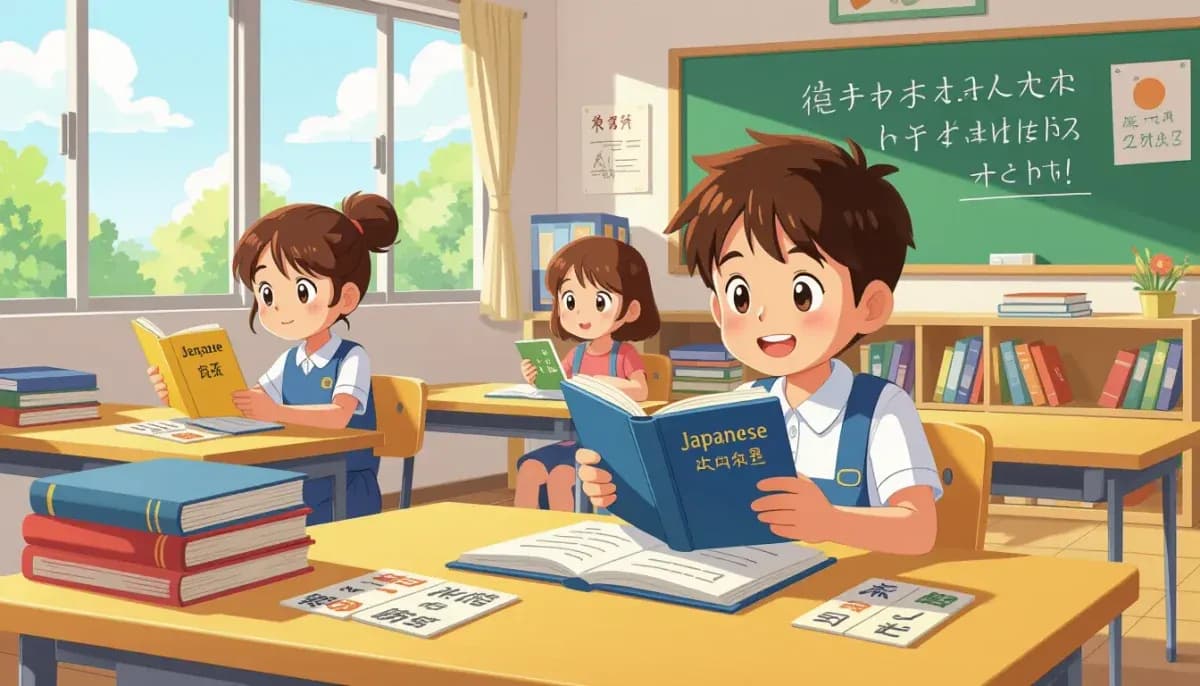
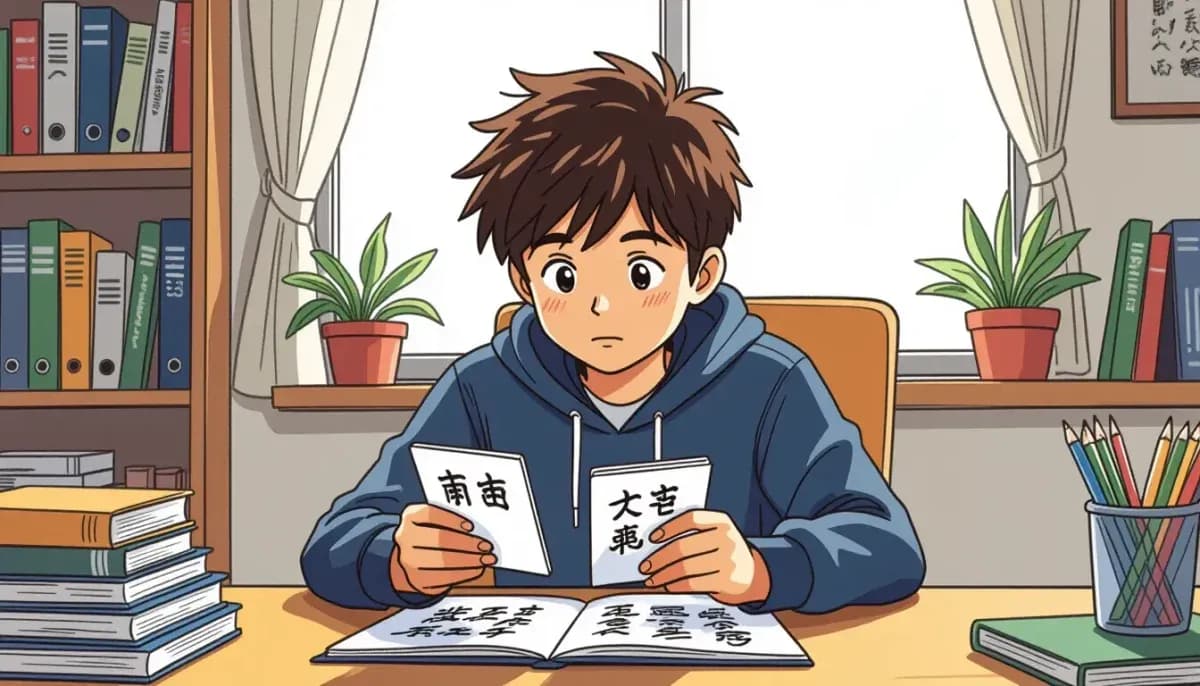
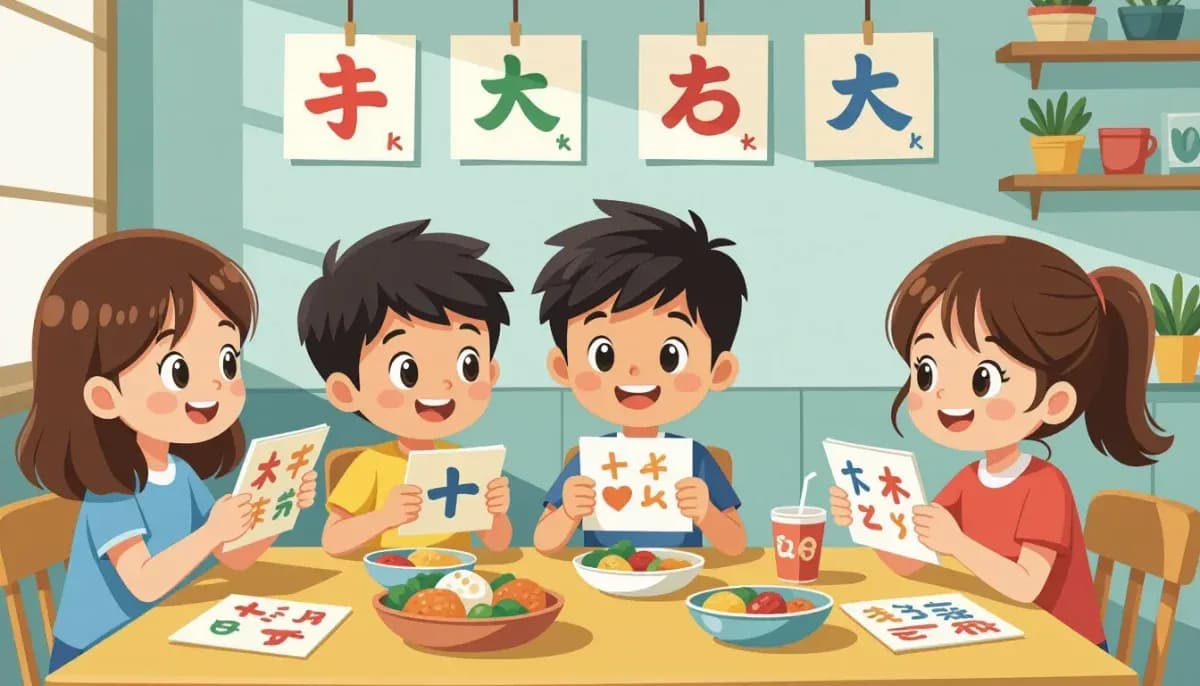
- Hiragana and katakana flashcards — mastering the two phonetic alphabets is the essential first step
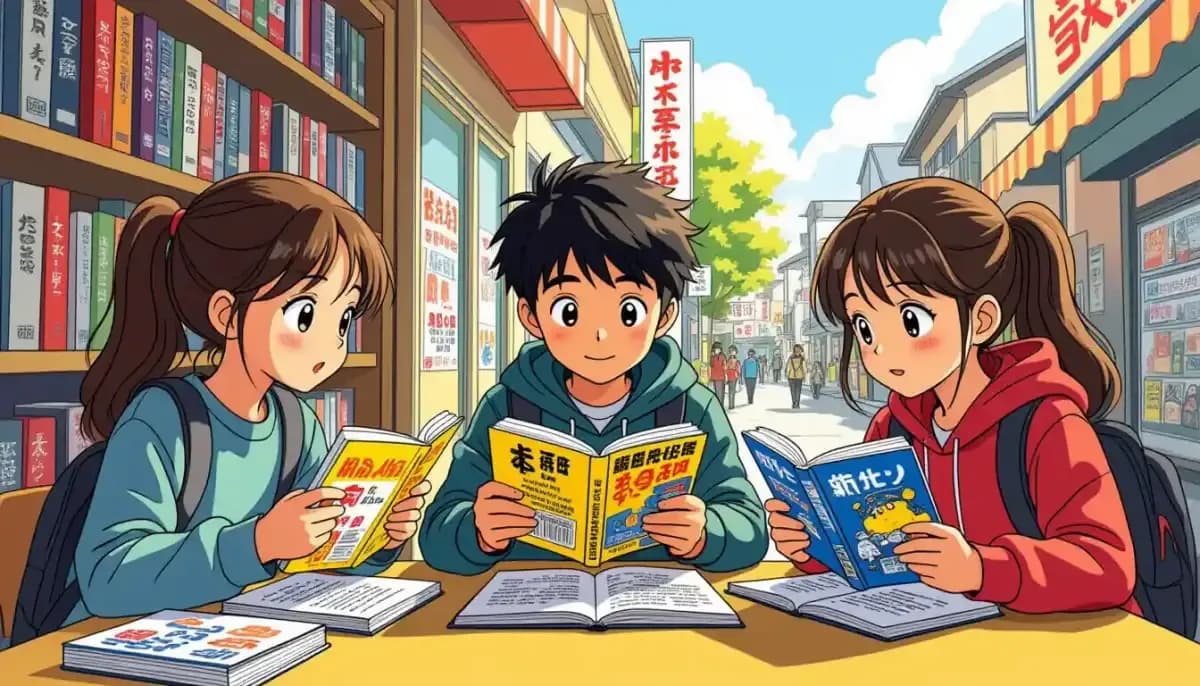
- Bilingual picture books — Japanese/English dual-language books build vocabulary in context
- NHK for School — free Japanese educational video content covering science, history, and language
- Anpanman and Doraemon — beloved children's characters whose shows use simple, clear Japanese
- "Ready Steady NihonGO!" — a free teacher resource with lesson plans, audio clips, and flashcards suitable for home use
For Older Children and Teenagers (Ages 9–18)
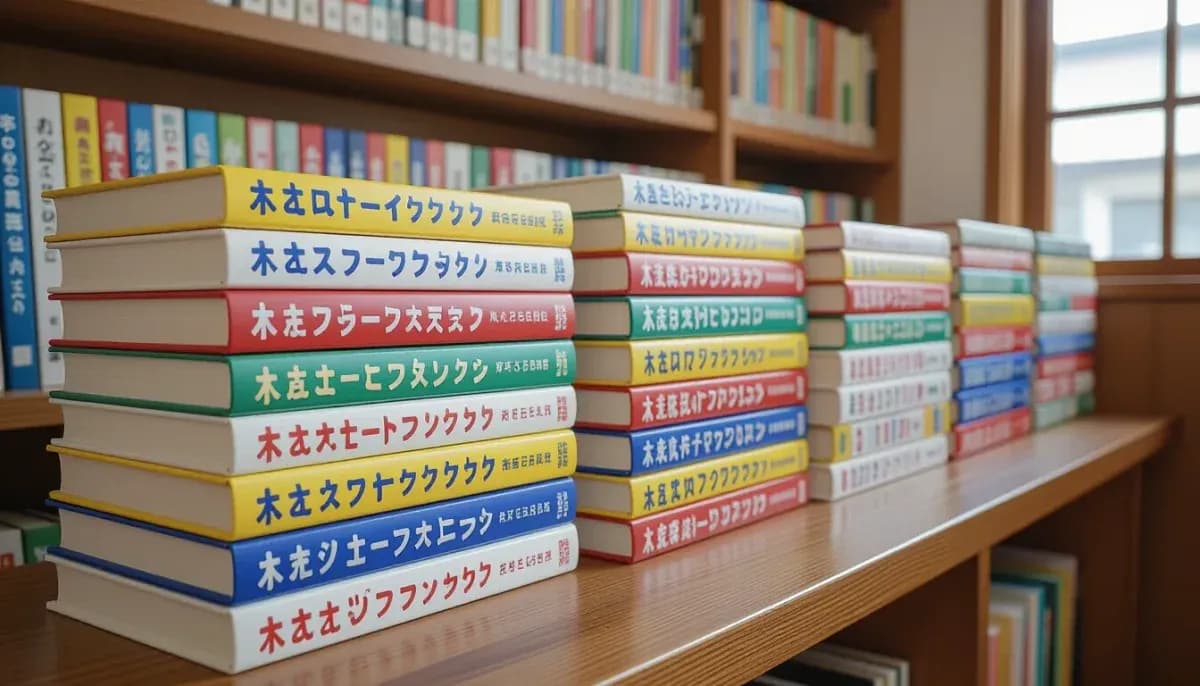
- The Genki Series — widely recommended for teenagers and adults, providing structured grammar and vocabulary with clear explanations
- Irodori (by the Japan Foundation) — a free textbook designed specifically for foreign people learning basic Japanese communication; available online
- Quizlet — create custom flashcard decks and study games for school vocabulary
- Anime with Japanese subtitles — a motivating way to practice listening comprehension; the technique of identifying and looking up three new words per episode can be surprisingly effective
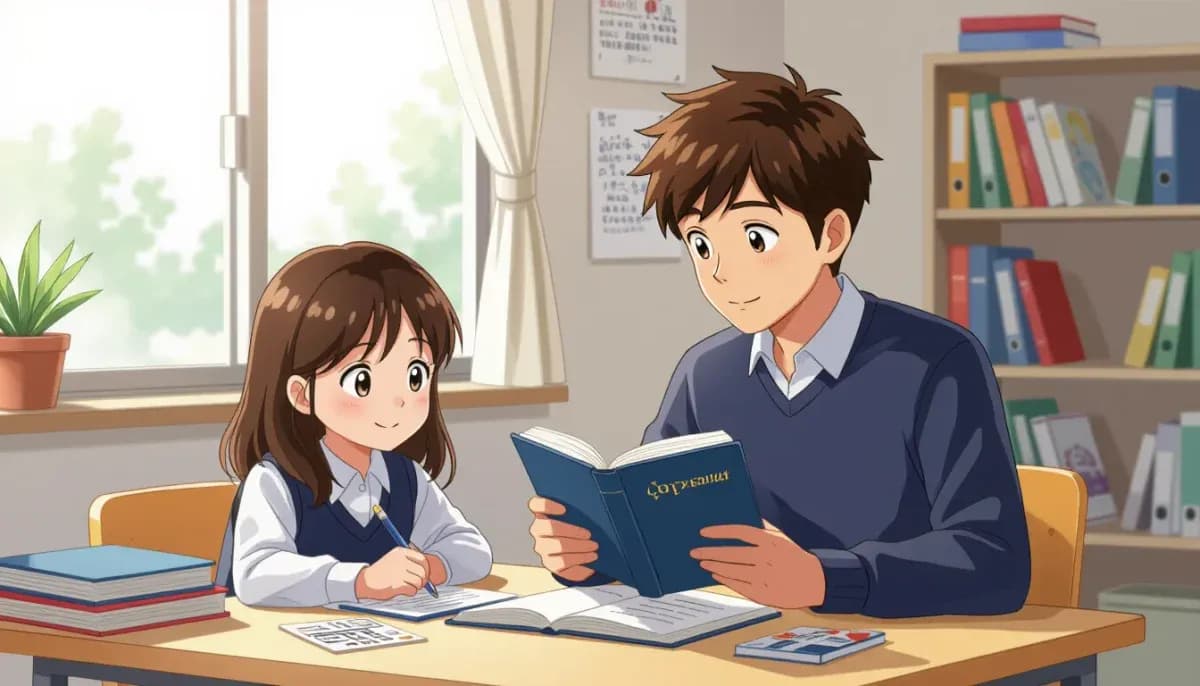
- Private tutors or language schools — for children who need more structured support, one-on-one tuition accelerates progress significantly
Explore study methods and materials at For Work in Japan
See exam preparation strategies for Japanese language at Chuukou Benkyou
Building a Language-Supportive Environment
Beyond specific methods and materials, the broader environment your child grows up in has a profound effect on their language development.
Five Household Strategies
- Establish consistent language rules — decide which language is spoken at home and with whom; some families use the "one parent, one language" approach
- Maintain home language literacy — keeping up reading and writing in the mother tongue prevents cognitive confusion and supports overall literacy development
- Preserve cultural connections — celebrating home culture traditions and connecting with community groups prevents children from feeling they must choose between identities
- Avoid excessive pressure — follow the child's pace; stress and shame around language mistakes slow acquisition significantly
- Utilize weekend supplementary schools — many communities in Japan run Saturday schools in various languages; these help maintain home language while Japanese improves
Finding Japanese-Speaking Peers
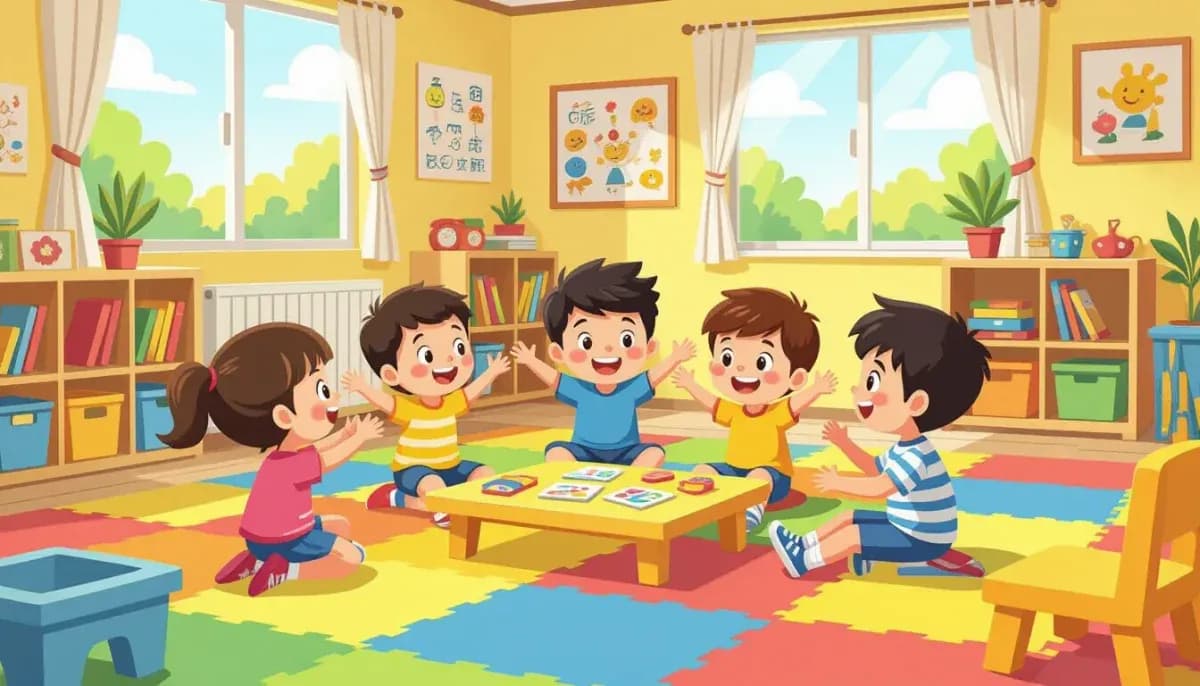
Social motivation is one of the strongest drivers of language acquisition in children. Helping your child build friendships with Japanese-speaking peers — through school clubs, local sports teams, or neighborhood activities — can accelerate progress more than any textbook. Children learn language because they want to communicate with people they care about.
For insights on your child's emotional experience navigating multiple cultures, see our article on Mental Health and Emotional Wellbeing for Foreign Children in Japan.
Online and Community-Based Support
When school support is insufficient and home learning needs reinforcement, community and online resources fill an important gap.
- Municipal international exchange associations offer multilingual counseling, Japanese language classes, and connections to support networks
- NPO ABC Japan supports access to education for foreign children across Japan, including language support programs
- JICA Yokohama provides resources comparing educational systems across multiple countries, useful for families navigating the transition
Online Learning Platforms
- NHK Web Easy — a news site written in simplified Japanese with furigana (pronunciation guides) for kanji; great for intermediate learners
- Nihongojikan.jp — provides structured online Japanese lessons for children with foreign roots
- The Japan Foundation's Irodori — completely free, structured for adult and teen communication but adaptable for motivated older children
For a comprehensive picture of how schools in Japan handle children with diverse backgrounds, our article on Elementary School in Japan: A Complete Guide for Foreign Parents is essential reading.
For further reading on language education methods, Self Taught Japanese's guide on teaching Japanese to children offers practical first-hand strategies, and Nippon.com's in-depth coverage of foreign children's language challenges provides important statistical context.
Key Takeaways for Expat Parents
Teaching Japanese to a foreign child living in Japan is a process that works best when school support, home learning, and community engagement work together. No single resource or method is sufficient on its own. Here is a quick summary of what the evidence and experience of expat families consistently shows:
- Start early — the younger the child, the faster basic conversational fluency develops
- Prioritize active production — speaking, writing, and real communication beat passive app use
- Use what motivates the child — anime, games, social interaction, and culturally relevant content all work
- Set realistic expectations — conversational fluency in six months, academic parity in two to three years
- Advocate at school — ask what Japanese language support your child's school offers and ensure they are enrolled in available programs
- Keep the home language strong — bilingualism is an asset, not a problem to be solved
Japan's foreign resident population is growing, and so is the awareness that better language support for children is needed. With the right methods, resources, and parental engagement, your child can thrive in Japanese school life and emerge with a lifelong bilingual advantage.
For next steps in understanding your child's educational journey in Japan, explore our guide on Heritage Language Maintenance for Children in Japan.