
Japanese Language Playgroups and Immersion Activities

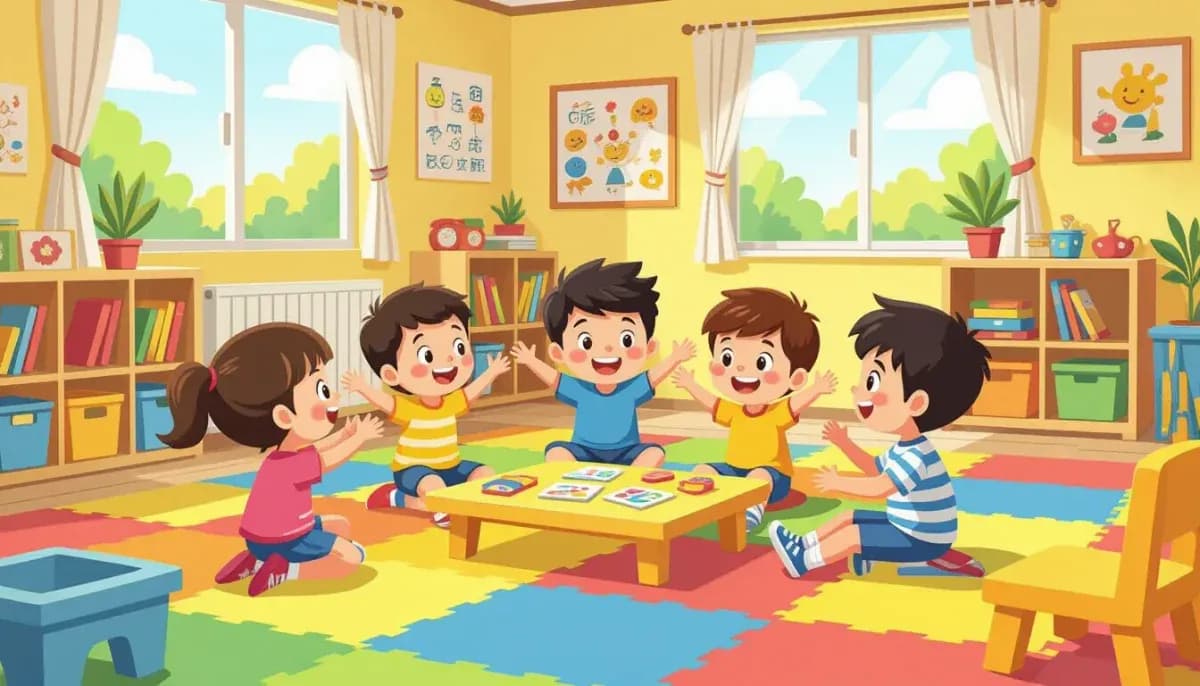
A complete guide to Japanese language playgroups and immersion activities for foreign children in Japan. Find the best programs, strategies, and tips for raising bilingual kids.
Japanese Language Playgroups and Immersion Activities: A Complete Guide for Foreign Families
Moving to Japan with children is an exciting adventure, but it comes with a unique challenge: helping your kids learn Japanese while preserving their home language. Whether your child is a toddler just starting to speak or a school-age kid navigating a Japanese classroom, language playgroups and immersion activities are among the most effective and enjoyable tools at your disposal. This guide covers everything you need to know about finding or creating Japanese language playgroups, running effective immersion activities, and supporting bilingual development for your child in Japan.
Why Language Playgroups Matter for Children in Japan
Language acquisition in early childhood happens most naturally through play, repetition, and social interaction — not formal study. For foreign children growing up in Japan, structured playgroups provide a vital bridge between home culture and the Japanese-speaking world around them.
Research consistently shows that early exposure to a language in a low-pressure, social environment accelerates acquisition. A study on immersion programs found that four weeks of full language immersion can be equivalent to a full year of traditional classroom instruction, thanks to the intensity and variety of input. Playgroups replicate this immersive quality on a smaller, regular scale.
For bilingual families, playgroups serve a dual purpose: they give children a peer community in their target language, and they give parents a support network. Many expat families in Japan report that joining or starting a Japanese or English playgroup was one of the most important steps in their children's language development — and their own emotional well-being.
If you are still in the early stages of settling in with young children, be sure to read our related guide on toddler parenting in Japan and daycare and hoikuen options for foreign parents, which covers how Japanese nursery schools can serve as powerful immersion environments from infancy.
Types of Japanese Language Playgroups and Programs
There is no single model for a Japanese language playgroup. The right format depends on your child's age, your city, and your goals. Here are the most common types:
Community Playgroups at Local Centers
Many Japanese cities and wards run free or low-cost children's centers called kodomo center (子どもセンター) or children's hall (児童館). These are open to all families — including foreigners — and offer regular playgroup sessions, crafts, songs, and storytelling. Attending with your child is one of the most natural ways to immerse them in conversational Japanese with native-speaking parents and teachers.
International and Bilingual Playgroups
Organizations like the Tokyo Mothers Group run structured playgroups for internationally-minded families. These groups often mix Japanese and English speakers, giving children exposure to both languages in one setting. Groups such as the Roppongi Cooperative Playgroup — one of Tokyo's longest-running English playgroups — meet weekly and welcome bilingual families.
Parent-Organized Japanese Immersion Groups
Some expat parents form their own Japanese-focused playgroups, deliberately pairing their children with Japanese-speaking kids in the neighborhood or through local kindergartens. These informal arrangements can be as simple as weekly park meetups where children play naturally in Japanese.
Preschool Exchange Programs
Specialized programs like the Japan Preschool Exchange allow families to stay in Japan for one to three weeks while their children attend a local Japanese preschool. This concentrated immersion experience is especially useful for families relocating from abroad or visiting during holidays.
Saturday Language Schools
As children grow older, playgroups often evolve into Saturday language schools. These sessions, typically run by parent volunteers or hired teachers, focus on structured learning: reading, writing, and grammar alongside cultural activities. They are particularly valuable for maintaining heritage language literacy in English-Japanese families.
For more structured school-age approaches, see our guides on elementary school in Japan for foreign parents and teaching Japanese to foreign children.
Top Japanese Language Immersion Activities for Children
Beyond formal playgroups, everyday immersion activities are critical for natural language development. Here are the most effective approaches:
Singing and Nursery Rhymes (童謡 - Doyo)
Japanese nursery songs like Zou-san (ぞうさん), Donguri Korokoro, and Umi are engaging, repetitive, and packed with basic vocabulary. Singing along at home, in the car, or at playgroup sessions builds phonological awareness and accent from an early age. YouTube channels and streaming apps have made accessing Japanese children's songs easier than ever.
Japanese Picture Books (絵本 - Ehon)
Reading Japanese picture books aloud — even if you are not fluent yourself — exposes children to formal written Japanese, vocabulary, and storytelling patterns. Classics like Taro Gomi's board books are available at every Japanese bookstore. Many public libraries also have free lending programs and bilingual story time sessions.
NHK E Tele Educational Programs
Japan's public broadcaster NHK runs an excellent educational children's channel (E Tele) with programs like いないいないばあっ! (for toddlers), みいつけた!, and おかあさんといっしょ. These shows use simple, clear Japanese with repetitive structures perfect for language learners. Watching together and narrating along reinforces comprehension.
Cultural Activities: Origami, Calligraphy, and Martial Arts
Activities like origami (折り紙), shodo (書道 calligraphy), and taiko drumming combine language learning with cultural immersion. Children naturally acquire vocabulary through instruction and observation. Many community centers and culture schools offer beginner sessions open to foreign children.
Neighborhood Playdates with Japanese Peers
The most powerful immersion tool is also the simplest: regular playdates with Japanese-speaking peers. Children pick up conversational Japanese rapidly from peers in ways that no curriculum can replicate. Schools, neighborhood associations (自治会), and local parks are the best places to meet local families.
Comparison of Japanese Language Immersion Options
| Option | Age Range | Cost | Japanese Exposure | Convenience |
|---|---|---|---|---|
| Local kodomo center | 0–6 | Free / low cost | High (native peers) | High (many locations) |
| International playgroup | 0–5 | Low–Medium | Mixed (bilingual) | Medium |
| Preschool exchange program | 2–5 | Medium–High | Very High | Low (requires travel) |
| NHK E Tele (at home) | 0–8 | Free | Medium (passive) | Very High |
| Saturday language school | 5–12 | Low–Medium | Medium (structured) | Medium |
| Martial arts or cultural class | 4+ | Low–Medium | High (context-rich) | High |
| Local school hoikuen or yochien | 0–6 | Low (subsidized) | Very High (daily) | High |
Strategies for Raising Bilingual Children Through Immersion
Effective immersion is not accidental — it requires a deliberate strategy from parents. Here are approaches used by successful bilingual families in Japan:
One Parent, One Language (OPOL)
The most widely recommended method for bilingual families is One Parent, One Language: each parent consistently speaks their native language to the child. For a Japanese-English household, the Japanese parent always uses Japanese, the English parent always uses English. This clarity helps children compartmentalize and develop both languages without confusion.
Minority Language at Home
If both parents are non-Japanese speakers (for example, an English-speaking expat couple), many language experts recommend using English exclusively at home — the "minority language at home" method — while relying on the Japanese environment outside to supply immersion. Japanese will come naturally through daycare, playgroups, and the wider community.
Daily Consistent Exposure
Even 20–30 minutes of quality, focused language interaction daily makes a meaningful difference. A study involving 145 foreign mothers in Japan found that the most successful bilingual families were those with intentional, structured language time — reading aloud, storytime, or playgroup attendance — built into their daily routine.
Regular Home Country Visits
Spending extended time in a parent's home country provides concentrated immersion in the heritage language. Many expat parents in Japan make annual summer trips and even enroll children in local schools temporarily. This approach was reinforced by author Louise George Kittaka, who spent months each year in New Zealand with her children to maintain their English alongside Japanese.
For more on bilingual development strategies, see our in-depth article on raising bilingual children in Japan and heritage language maintenance for children in Japan.
Finding Playgroups and Resources in Your City
Tokyo
Tokyo has the largest expat community in Japan and the widest variety of playgroups. Key resources include:
- Tokyo Mothers Group — runs multiple weekly playgroups across Tokyo wards
- Aozora Community — Japanese immersion preschool and after-school programs
- International kindergartens — many offer trial days and community playgroups
Osaka, Kyoto, and Nagoya
These cities have active international school networks that often organize community playgroups. Check local expat Facebook groups, Meetup.com, and ward-level community bulletins (回覧板) for family groups.
Smaller Cities and Rural Areas
In smaller cities, playgroup options may be limited to municipal children's centers. However, this can be an advantage: foreign children in these settings often receive extra attention from Japanese teachers and naturally form strong peer relationships with local children.
For guidance on navigating Japanese education in any region, Living in Nihon's children's education guide offers valuable context on the education system and government subsidies available to foreign families, including preschool subsidies of up to 25,700 yen per month for children ages 3 to 5.
For working parents researching Japanese language resources, For Work in Japan's guide to Japanese study methods recommends beginner-friendly resources like NHK World's Easy Japanese and the Genki textbook series — both excellent starting points for children and parents learning together.
For families preparing children for the Japanese middle and high school environment, Chuukou Benkyou provides resources on Japanese academic preparation for exam entry.
Additional reading: Savvy Tokyo's guide to raising bilingual children in Japan shares first-hand strategies from expat parents, and Japan Today's 16 tips for raising a bilingual child offers practical, experience-based advice.
Common Challenges and How to Overcome Them
My Child Refuses to Speak Japanese
Resistance is normal, especially for school-age children who feel self-conscious. Focus on low-stakes, high-fun activities: games, songs, and crafts. Avoid correcting mistakes — comprehension always precedes production. Given time and consistent exposure, most children overcome resistance naturally.
Balancing Two Languages Without Confusion
Children sometimes mix languages — this is called code-switching and is completely normal in bilingual development. It does not indicate confusion; it actually reflects sophisticated language processing. Maintain consistent language rules at home while accepting that mixing will happen.
I Do Not Speak Japanese Well Enough to Help
You do not need to be fluent to support your child's Japanese development. Enroll them in a local playgroup, hoikuen, or after-school program where they are surrounded by native speakers. Your role is to provide structure and motivation — the immersion environment provides the input.
Finding Time as a Busy Working Parent
Even small daily habits compound over time. A 15-minute Japanese storytime at bedtime, watching one NHK program together, or attending a monthly playgroup can meaningfully support language development. See our guide on financial planning for expat families in Japan for tips on budgeting for language programs and activity fees.
Conclusion
Japanese language playgroups and immersion activities are among the most powerful — and enjoyable — tools for raising children with strong Japanese language skills in Japan. Whether you join an established group at a local children's center, organize your own bilingual playdates, or enroll your child in a structured Saturday school, consistent, social, and culturally rich exposure makes all the difference.
Start where you are, use what is available in your community, and remember: children's brains are remarkably well-adapted for language acquisition. With the right environment and support, your child can grow up truly bilingual — and grateful for the opportunity.
For a broader overview of the education landscape for foreign families in Japan, visit our complete guide to the Japanese education system for foreign families.

Originally from Vietnam, living in Japan for 16+ years. Graduated from Nagoya University, with 11 years of professional experience at Japanese and international companies. Sharing practical information for foreign parents raising children in Japan.
View Profile →Related Articles
Summer Immersion Programs for Japanese Language Learning
Discover the best summer immersion programs for Japanese language learning for children and teens. From in-Japan schools to US-based camps, find the right program with costs, age requirements, and tips for expat families.
Read more →
Overcoming Japanese Language Barriers in School
A complete guide for foreign families on overcoming Japanese language barriers in school. Learn practical strategies, support resources, and what to expect for your child in Japan's education system.
Read more →
How Long Does It Take Kids to Become Fluent in Japanese?
Wondering how long it takes expat children to become fluent in Japanese? This guide covers realistic timelines by age group, immersion strategies, and tips to help your child thrive in Japan.
Read more →
Kumon and Learning Programs for Japanese Language
Explore Kumon's Japanese Language Program and other top learning options for foreigners in Japan. Costs, enrollment tips, and how to choose the right program for your child or yourself.
Read more →
Using Anime and TV Shows to Help Kids Learn Japanese
A complete guide for foreign parents in Japan on using anime and children's TV shows to build kids' Japanese skills. Includes recommended shows by age, subtitle strategies, and practical daily habits that actually work.
Read more →
Best Japanese Children's Books for Language Learning
Discover the best Japanese children's books for language learning. From classic ehon like Guri and Gura to intermediate reads like Kaiketsu Zorori — a complete guide for foreign families in Japan.
Read more →