
Kumon and Learning Programs for Japanese Language

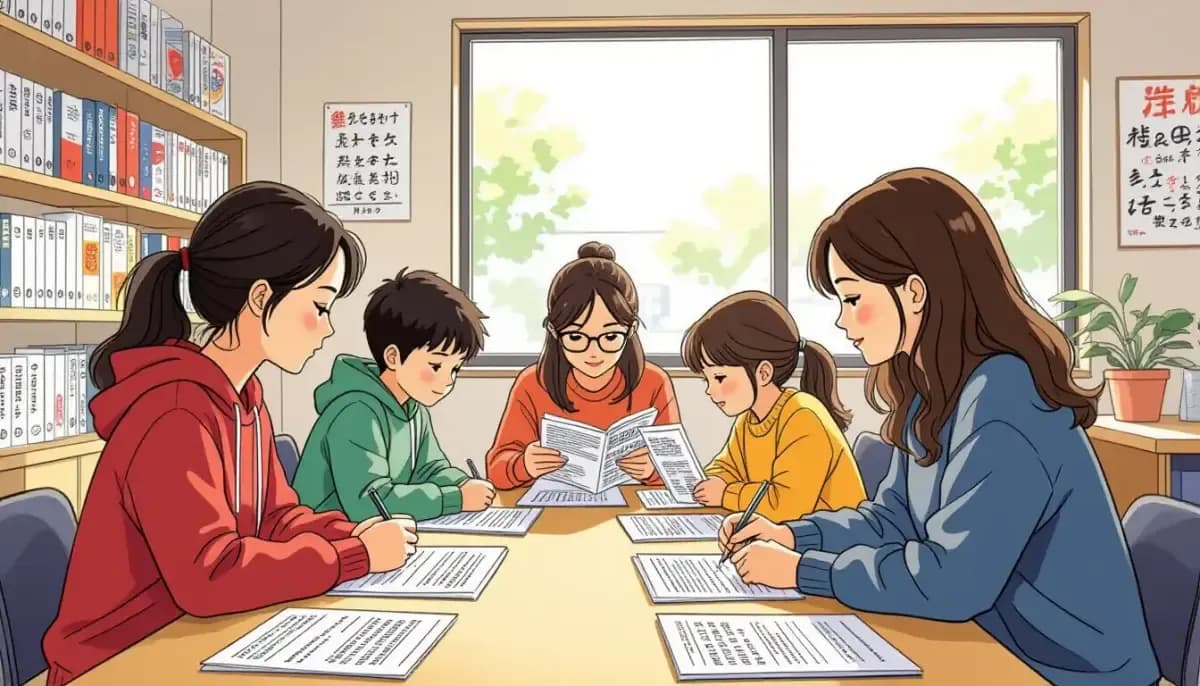
Explore Kumon's Japanese Language Program and other top learning options for foreigners in Japan. Costs, enrollment tips, and how to choose the right program for your child or yourself.
Kumon and Learning Programs for Japanese Language: A Complete Guide for Foreigners
If you're a foreigner living in Japan with children — or you're an adult trying to get a handle on the language yourself — choosing the right Japanese learning program can feel overwhelming. Kumon is one of the most well-known options, but it's far from the only one. This guide breaks down Kumon's Japanese Language Program alongside other popular methods, helping you make an informed decision for you and your family.
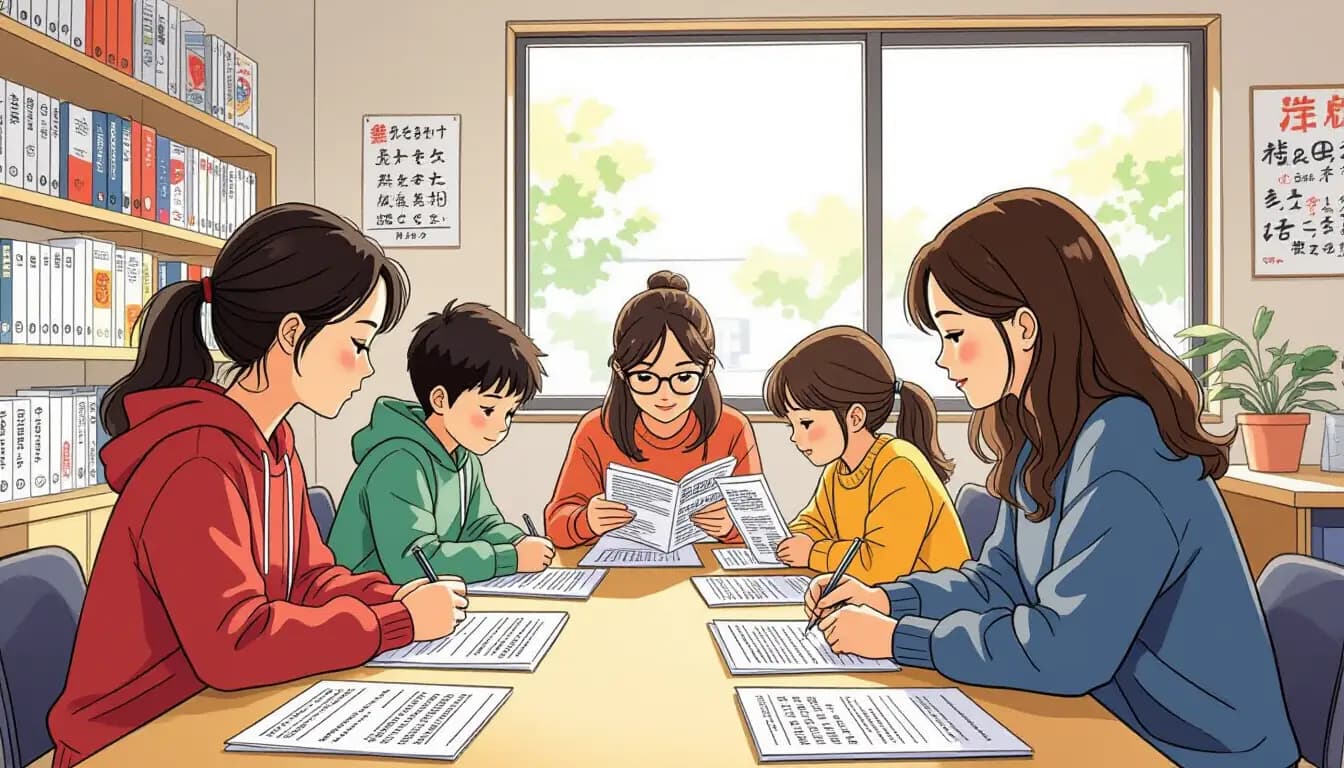
With the number of foreign residents in Japan reaching approximately 3.96 million as of mid-2025, and nearly 70,000 students requiring Japanese as a Foreign Language (JFL) instruction in public schools in 2023 — double the figure from a decade ago — the need for quality Japanese learning programs has never been greater.
What Is the Kumon Japanese Language Program?
Kumon was born in 1950s Japan when a math teacher named Toru Kumon developed personalized worksheets to help his son improve at mathematics. That philosophy of self-paced, individualized learning has since expanded into reading, writing, and language programs worldwide — including a dedicated Japanese Language Program designed for non-native speakers.
The Kumon Japanese Language Program takes learners from absolute beginner (hiragana, katakana, and basic vocabulary) all the way up to JLPT N2 level proficiency. With 15 levels and 3,000 worksheets progressing in small, manageable steps, the program is designed so that students build confidence before moving on.
What's Covered
- Characters: Hiragana, katakana, and kanji
- Vocabulary: Systematically introduced at each level
- Grammar: From basic sentence patterns to complex structures
- Reading Comprehension: From simple passages to authentic texts like novels and newspapers
- Oral Practice: Audio materials recorded by native Japanese speakers for listening and repetition
A key strength of Kumon is that it supports learners with worksheet directions available in English, Portuguese, and Chinese — making it far more accessible to non-Japanese speakers than many local alternatives.
Kumon Course Options and Pricing
Kumon offers two main formats for its Japanese Language Program:
| Course Type | Format | Cost (Monthly) | Best For |
|---|---|---|---|
| Class Course | Twice-weekly at a Kumon center | ¥8,640 | Children and those who prefer structure |
| Correspondence Course | Study at home, submit worksheets by post | ¥9,720 | Busy adults, those far from centers |
| Enrollment Fee | One-time | ¥0 | No enrollment fee required |
There are approximately 600 Kumon centers across Japan offering the Japanese Language Program, so finding a nearby location is generally straightforward in most urban and suburban areas. The correspondence course is ideal for families in rural areas or adults juggling work and childcare.
For the correspondence course, students submit worksheets by mail and participate in twice-monthly online reading lessons with an instructor, who can communicate via email in English.
Is Kumon Right for Your Child?
Kumon's self-paced worksheet method works particularly well for children because:
- No "wrong level" embarrassment — Students start where they actually are, not where they're supposed to be
- Regular short sessions — About 10 short worksheets per day makes it sustainable
- Clear progression — Achievement tests mark each level, giving children a sense of accomplishment
- Structured repetition — Mimics how native speakers build language skills over time
That said, Kumon is not for everyone. The repetitive worksheet format can feel monotonous for some learners, and there's limited speaking practice built into the program. For children who struggle with self-motivation, the twice-weekly class format at a local center tends to work better than the correspondence option.
For broader guidance on supporting your child's Japanese education journey, see our guide on Teaching Japanese to Foreign Children: Methods and Resources.
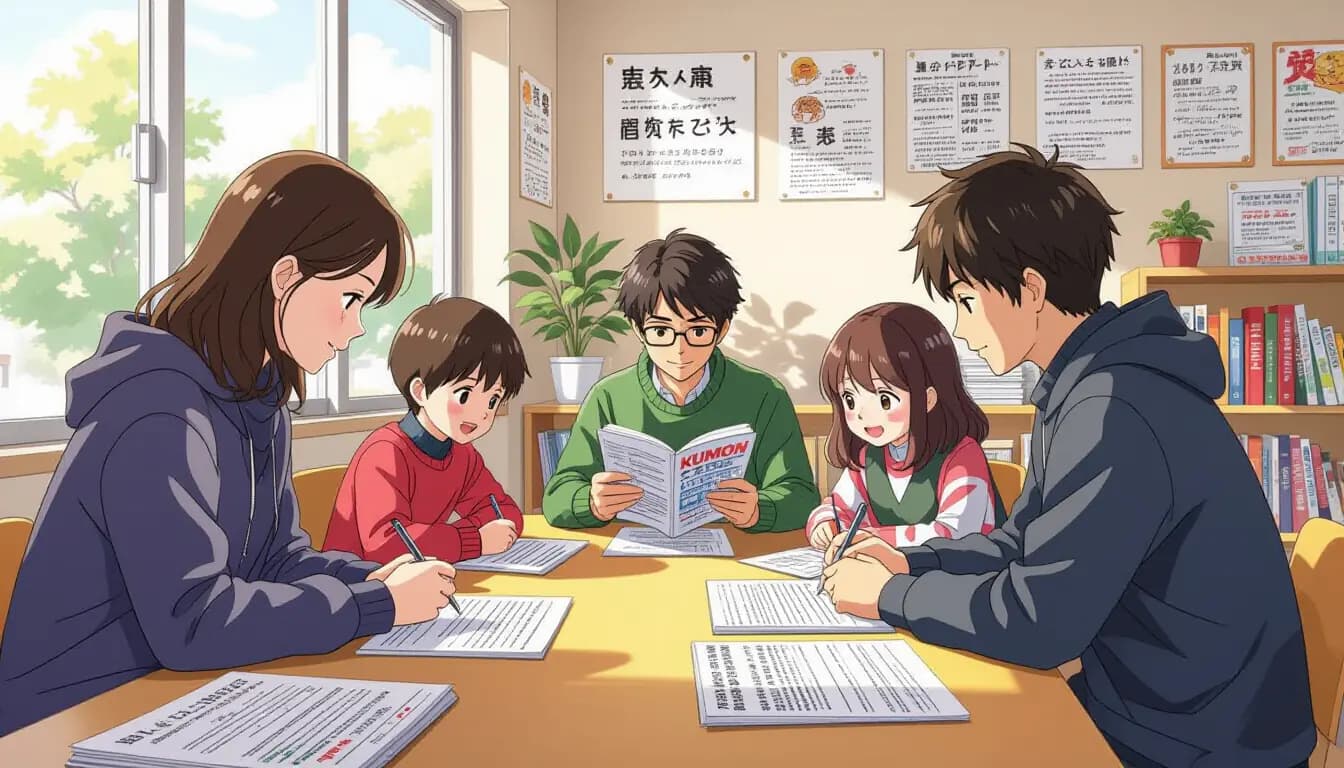
Alternative Japanese Learning Programs in Japan
Kumon isn't your only option. Here's how it compares to other popular programs:
| Program | Format | Cost | Best For | JLPT Prep? |
|---|---|---|---|---|
| Kumon (Japanese Program) | Worksheets + audio | ~¥9,000/month | Self-paced learners, children | Up to N2 |
| JLPT prep courses | Classroom or online | ¥10,000–30,000/course | Adults targeting JLPT | Yes, focused |
| Community Japanese classes | Group classroom | Free–¥3,000/month | Social learners, beginners | Varies |
| Private tutors | One-on-one | ¥2,000–5,000/hour | Flexible, fast progress | Custom |
| Online apps (Duolingo, etc.) | Mobile/self-study | Free–¥1,500/month | Supplemental learning | Limited |
| International school support | In-school JSL classes | Included in fees | Children at international schools | No |
Community Japanese language classes are often offered by local municipalities and voluntary organizations at no or low cost — in 2024, there were 510 volunteer-run Japanese language institutions operating across Japan, with over 21,000 volunteer teachers. These are excellent supplementary options, especially for newly-arrived families.
For expert advice on effective study techniques, check out Effective Japanese Study Methods and Recommended Materials at For Work in Japan.
How to Enroll in Kumon's Japanese Language Program
Getting started with Kumon is relatively straightforward:
- Find a center or enroll online — Visit kumon.ne.jp/jpn/english and use the center locator or sign up for the correspondence course
- Take a diagnostic test — If you have prior Japanese experience, you'll take a short placement test to find your starting level
- Receive your materials — Worksheets, audio CDs (or downloads), and an instruction guide in your language
- Study regularly — Aim for short daily sessions rather than cramming; consistency is the Kumon method's foundation
- Submit and review — Your instructor checks your work and provides feedback; online lessons complement independent study
Customer support is available in English, making it much less intimidating for newly arrived expats. You can reach instructors by email, phone (toll-free number available), or during scheduled online reading sessions.
Raising Bilingual Children: Combining Kumon With Other Methods
For families raising children bilingually in Japan, Kumon works best as one piece of a larger strategy. Consider combining it with:
- Daily conversation practice at home in both languages
- Japanese public school attendance for immersive language exposure
- Reading Japanese books together at bedtime to build vocabulary naturally
- Extracurricular activities in Japanese — sports teams, art classes — for social language practice
For a comprehensive look at raising bilingual children in Japan, see our detailed guide on Raising Bilingual Children in Japan: Strategies and Tips.
The Japan Foundation reported in 2024 that learners at Japanese language education institutions worldwide reached a record high of 294,198 — approximately five times the number in 1990. Learning resources and community support are more available now than at any prior point.
For families navigating entrance exams or academic Japanese, Chuukou Benkyou offers excellent resources specifically targeting middle and high school Japanese language strategies.
Practical Tips for Getting the Most Out of Any Japanese Learning Program
Regardless of which program you choose, these practical habits will accelerate your child's (or your own) progress:
- Set a consistent daily study time — Even 15–20 minutes daily beats one-hour weekend sessions
- Connect learning to real life — Practice at shops, read signs, watch Japanese TV with subtitles
- Celebrate small wins — Every level passed, every kanji mastered is progress worth acknowledging
- Supplement with social Japanese — Language is ultimately about communication; make time for real conversations
- Review regularly — Don't just push forward; revisiting older material solidifies retention
For more guidance on supporting foreign children through the Japanese education system, see our comprehensive guide on Elementary School in Japan: A Complete Guide for Foreign Parents.
You can also find broader community support and tips at Living in Nihon's guide for raising children and education in Japan.
Key Takeaways
The Kumon Japanese Language Program is a well-structured, proven method for building Japanese reading and comprehension skills from scratch. Its self-paced design, multilingual support materials, and nationwide network of centers make it especially practical for expat families across Japan.
That said, it's most effective when combined with real-world conversation practice, social exposure to Japanese, and — for children — a supportive school environment. Whether you choose Kumon, community classes, a private tutor, or a blend of all three, the most important factor is consistency and daily engagement with the language.
For a complete overview of the Japanese education system and how to navigate it as a foreign family, start with our guide to The Complete Guide to the Japanese Education System for Foreign Families.
Sources:

Originally from Vietnam, living in Japan for 16+ years. Graduated from Nagoya University, with 11 years of professional experience at Japanese and international companies. Sharing practical information for foreign parents raising children in Japan.
View Profile →Related Articles
Summer Immersion Programs for Japanese Language Learning
Discover the best summer immersion programs for Japanese language learning for children and teens. From in-Japan schools to US-based camps, find the right program with costs, age requirements, and tips for expat families.
Read more →
Overcoming Japanese Language Barriers in School
A complete guide for foreign families on overcoming Japanese language barriers in school. Learn practical strategies, support resources, and what to expect for your child in Japan's education system.
Read more →
How Long Does It Take Kids to Become Fluent in Japanese?
Wondering how long it takes expat children to become fluent in Japanese? This guide covers realistic timelines by age group, immersion strategies, and tips to help your child thrive in Japan.
Read more →
Japanese Language Playgroups and Immersion Activities
A complete guide to Japanese language playgroups and immersion activities for foreign children in Japan. Find the best programs, strategies, and tips for raising bilingual kids.
Read more →
Using Anime and TV Shows to Help Kids Learn Japanese
A complete guide for foreign parents in Japan on using anime and children's TV shows to build kids' Japanese skills. Includes recommended shows by age, subtitle strategies, and practical daily habits that actually work.
Read more →
Best Japanese Children's Books for Language Learning
Discover the best Japanese children's books for language learning. From classic ehon like Guri and Gura to intermediate reads like Kaiketsu Zorori — a complete guide for foreign families in Japan.
Read more →