The Complete Guide to the Japanese Education System for Foreign Families
Moving to Japan with children is an exciting but complex undertaking. Navigating the Japanese education system as a foreign family can feel overwhelming at first — different school structures, language barriers, and a culture deeply rooted in community participation. This comprehensive guide breaks down everything you need to know about schooling options, costs, enrollment procedures, and practical tips to help your children thrive in Japan.
Whether you are a newly arrived expat, a long-term resident, or planning your move, this guide gives you the full picture of education in Japan for foreign families.
Understanding Japan's Education Structure
Japan follows the 6-3-3-4 system:
- 6 years of elementary school (小学校, shōgakkō) — ages 6–12
- 3 years of junior high school (中学校, chūgakkō) — ages 12–15
- 3 years of high school (高等学校, kōtōgakkō) — ages 15–18
- 4 years of university (大学, daigaku) — ages 18–22
Compulsory education covers only the first 9 years (elementary and junior high school). The academic year starts in April and ends in March, divided into three terms.
Foreign children are not legally required to attend Japanese mandatory education, but local governments request schools to accept them. As of 2023, approximately 129,000 foreign children attend Japanese public schools — a 9% year-over-year increase — with around 70,000 needing Japanese language instruction.
For deeper dives into specific stages, see our guides on elementary school in Japan and junior high school in Japan.
Your School Options as a Foreign Family
Foreign families in Japan generally have three main schooling paths:
1. Japanese Public Schools
Public elementary and junior high schools are tuition-free for all children, including foreigners. The main challenge is that all instruction is in Japanese. However, children often adapt quickly through immersion, and many schools provide:
- Pullout Japanese language instruction classes
- Bilingual support staff
- Pre-entry preparation programs
This is the most affordable option and the best for deep integration into Japanese society. Many expat families find their children become functionally bilingual within 1–2 years.
2. Japanese Private Schools
Private schools follow the national Japanese curriculum but often offer stronger academic programs, smaller class sizes, and additional extracurricular activities. Annual costs range from ¥500,000 to ¥1.5 million. These schools still teach primarily in Japanese.
3. International Schools
International schools teach in English (or another foreign language) and follow curricula such as IB, American, or British systems. They are popular with expats who plan to return to their home country or move again. Annual fees typically range from ¥2 million to ¥3 million per year.
Note: International school credits may not transfer directly to Japanese high schools or universities unless the school is ministry-accredited.
For a full breakdown, see our dedicated international schools in Japan guide.
| School Type | Annual Cost | Language | Best For |
|---|
| Public School | Free (misc ~¥350,000–¥540,000) | Japanese | Long-term residents, integration |
| Private Japanese School | ¥500,000–¥1.5 million | Japanese | Higher academic standards |
| International School | ¥2–3 million | English/other | Short-term expats, English speakers |
How to Enroll Your Child in a Japanese Public School
Enrolling in a public school is a straightforward process once you know the steps:
- Register your address at your local municipal office (市区町村). This is required before enrollment.
- Contact the Board of Education (教育委員会, kyōiku iinkai) in your city or ward. They will assign the school based on your home address.
- Prepare required documents: residence card (在留カード), proof of address, your child's birth certificate (with Japanese translation if needed).
- Attend a school orientation — most schools will schedule a meeting to discuss language support options.
- Start school — typically at the beginning of a new term (April, September, or January).
Your child does not need to speak Japanese to enroll. Many schools are experienced in welcoming foreign students and will provide language support.
For the full enrollment walkthrough for younger children, see our daycare and hoikuen guide and kindergarten guide.
Language Support and Bilingual Development
One of the biggest concerns for foreign families is language. Japanese public schools do not require Japanese proficiency for enrollment, and support varies by municipality and school. Here is what you can expect:
- Pullout classes: Your child may be taken out of regular classes for dedicated Japanese instruction.
- Bilingual staff: Some schools in areas with large foreign populations employ bilingual support teachers.
- Prep programs: Several municipalities offer pre-enrollment Japanese programs to help foreign children transition smoothly.
At home, experts recommend the "one parent, one language" approach for bilingual development. Maintaining your child's home language through supplementary weekend schools, heritage language programs, or online resources is also important.
Learn more about our guides on raising bilingual children in Japan, teaching Japanese to foreign children, and heritage language maintenance.
Costs, Benefits, and Government Support
Japan has made significant strides in reducing the financial burden of education for families:
- Public school: Tuition is free. Miscellaneous expenses (lunches, supplies, activities) run approximately ¥350,000/year for elementary and ¥540,000/year for junior high.
- Preschool/kindergarten (ages 3–5): Tuition is free under Japan's 2024 childcare reforms.
- Daycare (ages 0–2): Free for non-taxpaying households; subsidized for others.
- Childcare allowance (2024 reform): ¥100,000–¥150,000 per year per child through high school; income limits have been removed.
- High school tuition support: Japan's High School Tuition Support Fund (高等学校等就学支援金) covers or partially covers tuition at public and some private high schools.
For a comprehensive overview of financial support available to your family, see our guide on government benefits and subsidies for families in Japan and financial planning for expat families.
Navigating Japanese School Culture
Japanese school culture has several distinctive features that foreign families should be aware of:
- School uniforms: Most junior high and high schools require uniforms. Elementary schools vary.
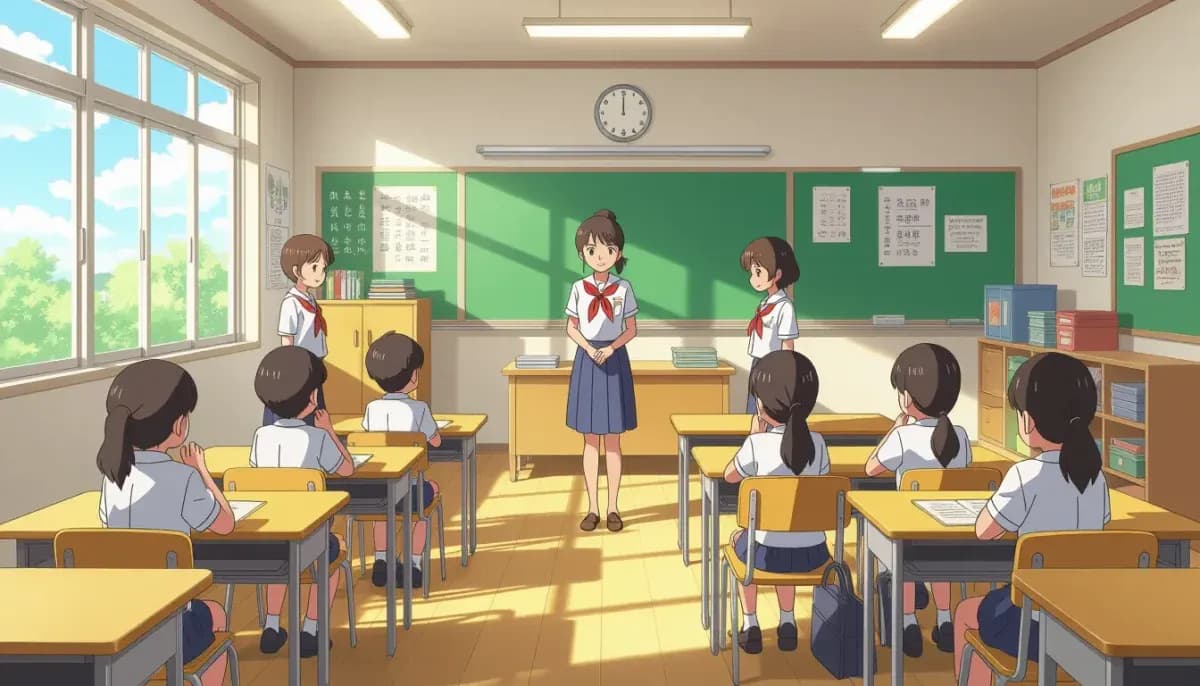
- Cleaning duties (掃除, sōji): Students clean their own classrooms and school areas — this is a core part of Japanese educational philosophy.
- School lunch (給食, kyūshoku): Most public schools provide hot lunches that students eat in their classrooms with their teacher.
- PTA participation: Japanese schools expect active parental involvement in PTA (Parent-Teacher Association) meetings and school events. This is an important cultural expectation even when there is a language barrier.
- Club activities (部活動, bukatsudō): Junior high and high school students are strongly encouraged to join extracurricular clubs, which run before and after school.
- Entrance exams: High schools and universities typically require entrance examinations. For foreign children and returnee students, special "returnee exam" (帰国子女枠) pathways exist at many schools and universities with lower competition ratios.
For more on this topic, see chuukoubenkyou.com's guide on returnee and foreign student exam systems.
Resources and Further Reading
Navigating Japan's education system is much easier with the right information. Here are some trusted resources:
Frequently Asked Questions
Can my child attend a Japanese public school without speaking Japanese? Yes. Japanese proficiency is not a requirement for enrollment. Schools are legally required to accept foreign children, and many provide language support.
Do I need to pay to enroll my child in public school? Public elementary and junior high school is tuition-free. Families pay only for meals, supplies, and some activities (approximately ¥30,000–¥45,000/month total).
What happens if my child's Japanese is not strong enough for regular classes? Many schools offer pullout instruction or assign a buddy teacher. The Ministry of Education encourages schools to provide support, though the level varies by location.
How do international school credits affect university entrance in Japan? International school graduates can apply to Japanese universities through special admissions pathways. Many top universities including Waseda, Keio, Sophia, and ICU offer dedicated tracks for international students and returnees.
What is the school year calendar in Japan? The Japanese school year runs April to March, with three terms: Term 1 (April–July), Term 2 (September–December), and Term 3 (January–March). Summer vacation runs approximately six weeks in July–August.
Japan's education system is rigorous, community-oriented, and increasingly welcoming to foreign families. Whether you choose the public school route for immersion and cost savings, or an international school for continuity with your home country's curriculum, Japan offers strong educational foundations for your children. Start by registering your address, contacting your local Board of Education, and connecting with local expat parent communities — you'll find that you are not alone in this journey.
For related topics, explore our guides on healthcare for children in Japan, visa and legal issues for foreign families, and mental health support for foreign children in Japan.