
PTA and Parent Involvement in Japanese Schools: A Foreign Parent's Guide

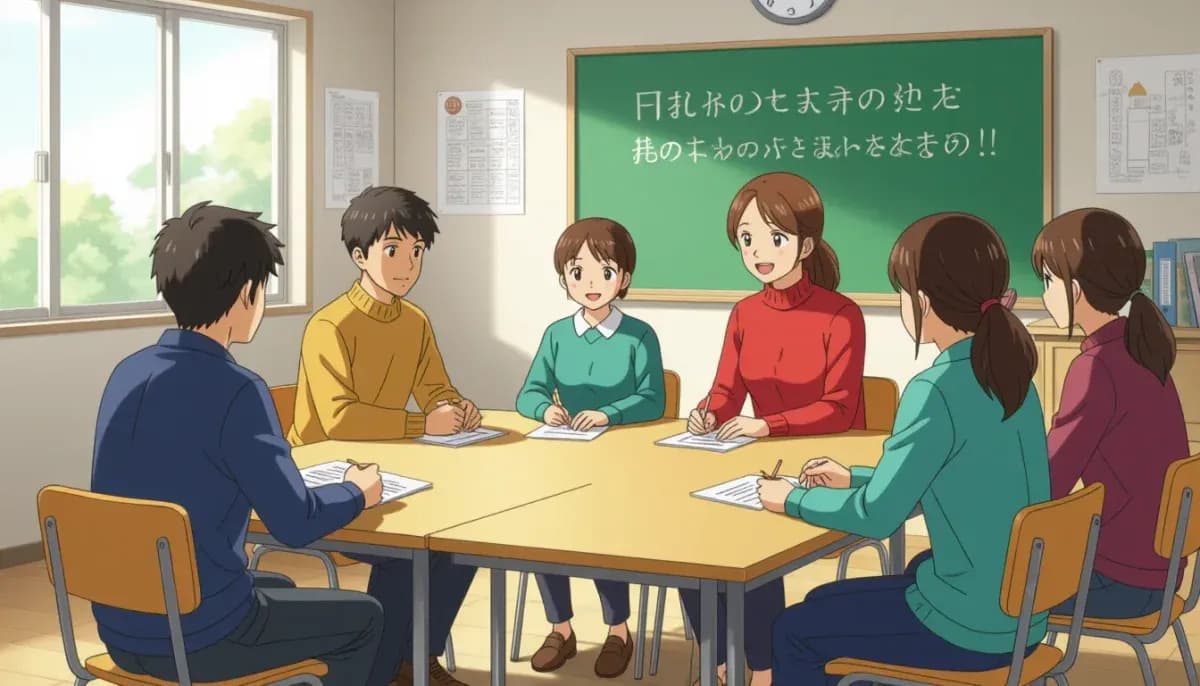
Everything foreign parents need to know about PTA involvement in Japanese schools — membership, roles, costs, practical tips, and how to navigate as a non-Japanese parent.
PTA and Parent Involvement in Japanese Schools: A Foreign Parent's Guide
If you have children enrolled in a Japanese public school, you will almost certainly encounter the PTA — Japan's version of the Parent-Teacher Association. For foreign parents, navigating PTA expectations can feel overwhelming, especially when meetings are conducted entirely in Japanese and cultural norms differ from what you are used to back home. This guide breaks down everything you need to know about PTA involvement, from how the system works to practical tips for participating as a non-Japanese parent.
What Is the PTA in Japan?
The PTA (Parent-Teacher Association) in Japan is a parent-run organization found in nearly every public elementary and junior high school. Established nationally in 1952 with the formation of the Japan PTA National Assembly, the system was originally modeled after American PTAs during the postwar period.
Unlike some countries where PTAs are primarily fundraising bodies, Japanese PTAs play an active, hands-on role in school operations. They coordinate safety patrols, organize school events, publish newsletters, and serve as a communication bridge between parents and teachers. The PTA works alongside the school administration but is technically an independent organization managed by parent volunteers.
For a broader understanding of how the Japanese school system works, see our complete guide to the Japanese education system.
Is PTA Membership Mandatory?
Legally, PTA membership in Japan is completely voluntary. However, the reality is more nuanced. In many schools, especially in smaller communities, there is strong social pressure to join. Most parents enroll automatically when their child enters the school, and opting out can be seen as uncooperative.
That said, the trend is shifting. An increasing number of Japanese parents are choosing not to participate, and schools are gradually becoming more accepting of this. As a foreign parent, you have the right to decline membership, but it is worth understanding what you might miss — PTA members often receive school communications and event access that non-members do not.
The annual membership fee is typically 3,000 to 5,000 yen (roughly ¥350 per month per household), which is quite affordable.
PTA Organizational Structure and Roles
Japanese PTAs follow a fairly standard organizational structure. Understanding the hierarchy helps you know what to expect if you are asked to take on a role.
Executive Committee
| Position | Responsibilities | Time Commitment |
|---|---|---|
| President (Kaicho) | Represents PTA at events, gives speeches | Moderate — mostly ceremonial |
| Vice President(s) | Operational leadership, liaison between parents and teachers | High — almost daily during term |
| Secretary | Meeting minutes and documentation | Low to moderate |
| Treasurer | Managing PTA budget and fees | Low to moderate |
| General Duties | Supporting various activities | Low |
The lead vice president role is essentially a part-time job in terms of hours and carries managerial responsibility. The president position is more frequently held by fathers, partly because it involves evening meetings and public-facing duties.
Five Main PTA Sections
- Class Representatives (Gakunen Gakkyu-bu) — The most popular section. Members organize class contact lists, coordinate summer festival activities, and host parent-child events. This role provides direct connection to your child's teacher.
- Outside School Instruction (Kougai Shidou-bu) — Supervises bicycle parking at school events, participates in safety patrols, and maintains the Kodomo 110 safe house network. This section has a reputation for lower workload and is least language-dependent, making it ideal for foreign parents.
- Public Relations (Kouhou-bu) — Writes about and photographs school events for newsletters. Good for parents who want Japanese language practice or enjoy photography.
- Adult Education (Seijin Kyoiku-bu) — Arranges approximately two workshops per year, including cooking classes, sports lessons, and parenting seminars.
- Recommendation Section (Suisen-bu) — Recruits candidates for the executive committee. Light workload and helps prevent pressure tactics on reluctant parents.
Role assignments are often determined by drawing lots or rock-paper-scissors — yes, this is a real and common practice in Japanese schools. Most parents are expected to serve once during their child's time at the school, typically for a single year. For more about how elementary schools in Japan operate day-to-day, check our dedicated guide.
Challenges Foreign Parents Face with PTA
Foreign parents encounter several unique challenges when it comes to PTA involvement:
Language barriers are the biggest hurdle. PTA meetings, documents, and communications are conducted almost entirely in Japanese. Even parents with conversational Japanese may struggle with formal administrative language used in meeting agendas, budgets, and official notices.
Cultural expectations can also be confusing. The Japanese concept of "voluntary" participation operates differently — declining a role may be technically allowed but can create social friction. Understanding the unspoken expectations helps you navigate these situations more smoothly.
Scheduling conflicts affect many foreign parents, particularly those in dual-income households. Many PTA activities take place on weekday mornings or afternoons, which is difficult if both parents work full-time. However, some schools hold events on Saturdays to accommodate working parents.
Isolation is another concern. If you are the only foreign parent in the PTA, you may feel like an outsider. Building relationships with other parents takes time but is one of the greatest benefits of participation.
For tips on building your child's social connections beyond PTA, see our guide on raising bilingual children in Japan.
Practical Tips for Foreign Parents Joining PTA
Here are actionable strategies to make your PTA experience manageable and even rewarding:
1. Communicate early. If language or scheduling is an issue, inform the school or PTA representative at the start of the year. Many schools are more flexible than they appear, and special accommodations may be available for foreign families.
2. Choose the right section. The Outside School Instruction section (Kougai Shidou-bu) is the best fit for parents with limited Japanese. Activities like safety patrols and bicycle supervision require minimal language skills.
3. Bring a translation tool. Smartphone translation apps like Google Translate or DeepL can help you follow along during meetings. Some schools may also allow you to bring a Japanese-speaking friend.
4. Start small. You do not need to volunteer for a leadership role in your first year. Participating in smaller events like school festivals or cleanup days is a great way to ease into the community.
5. Connect with other foreign parents. If your school has other international families, coordinate with them. Sharing information and supporting each other makes the experience much less daunting.
6. Ask for written materials in advance. Request meeting agendas and documents before meetings so you can translate them at home. This helps you prepare questions and follow discussions more easily.
For more about adapting to Japanese school culture, Real Life Japan's guide for foreign parents offers excellent first-hand perspectives.
Benefits of PTA Participation for Foreign Families
Despite the challenges, PTA involvement offers significant advantages:
- Community building: PTA is one of the fastest ways to connect with other parents and teachers at your child's school. These relationships extend beyond school and help your family integrate into the local community.
- School insight: Active PTA members gain a much deeper understanding of how the school operates, upcoming events, and any issues affecting students. This information is especially valuable for foreign families still learning the system.
- Language practice: Regular exposure to Japanese in a social context accelerates language learning. Even if you struggle at first, consistent participation builds your vocabulary and confidence.
- Child safety awareness: PTA activities like safety patrols and the Kodomo 110 safe house network directly contribute to your child's safety in the neighborhood.
- Cultural understanding: Participating in PTA gives you a window into Japanese parenting values, school culture, and community dynamics that you simply cannot get from the outside.
According to Savvy Tokyo's comprehensive PTA guide, many foreign parents who initially dreaded PTA involvement found it to be one of their most rewarding experiences in Japan.
What If You Cannot or Do Not Want to Join PTA?
Opting out of PTA is increasingly common in Japan, and it is your legal right. Here are some things to keep in mind:
- You will not be penalized academically. Your child's education and treatment at school should not be affected by your PTA status.
- You may miss some communications. PTA-exclusive information channels might not reach non-members. Stay in touch with other parents to fill any gaps.
- Alternative involvement is possible. Even without PTA membership, you can volunteer for individual school events, join classroom observation days (jugyou sankan), or attend parent-teacher conferences.
- Be honest and respectful. If asked why you are not joining, a simple explanation about work commitments or language difficulties is usually accepted without judgment.
For information on government support available to families regardless of PTA status, see our guide to government benefits and subsidies for families in Japan.
PTA Costs and Financial Obligations
Understanding the financial side of PTA helps you plan accordingly:
| Item | Typical Cost | Notes |
|---|---|---|
| Annual membership fee | ¥3,000–¥5,000 | Collected at start of school year |
| Event contributions | ¥500–¥2,000 | Occasional, for festivals or activities |
| Bellmark collection | Free (time only) | Collecting product labels for school supplies |
| Welcome/farewell gifts | ¥1,000–¥3,000 | For teachers at start/end of year |
The total annual cost is modest — roughly ¥5,000 to ¥10,000 per year depending on your school. The bigger investment is time, not money.
For broader financial planning as a foreign family in Japan, check our guide on financial planning for expat families. You can also find helpful information about education funding at Living in Nihon's education fund planning guide.
How PTA Differs Across School Levels
PTA involvement changes as your child progresses through school:
Elementary school (Shougakkou): PTA is most active at this level. Parents are heavily involved in safety patrols, school events, and classroom support. This is where most foreign parents first encounter PTA. See our elementary school guide for more details.
Junior high school (Chuugakkou): PTA activity decreases somewhat. Focus shifts to supporting club activities and preparing for high school entrance exams. For exam-related guidance, Chuukou Benkyou's education reform insights provides useful context. Learn more in our junior high school guide.
High school (Koukou): PTA involvement is minimal. Most activities are managed by students themselves. Read our high school guide for a complete overview.
Understanding these differences helps you pace your involvement and avoid burnout. You can also read about family life in Japan for a broader perspective on balancing work and parenting responsibilities.
Frequently Asked Questions
Q: Do I need to speak fluent Japanese to join PTA? A: No. While Japanese is used in meetings, many roles require minimal language skills. The Outside School Instruction section is particularly suitable for parents with limited Japanese.
Q: Can I refuse a PTA role? A: Yes, participation is voluntary. However, it helps to explain your reasons politely. Work schedule conflicts and language limitations are widely understood.
Q: What happens if both parents work full-time? A: Many schools offer Saturday events and flexible scheduling. Some PTA roles require very few hours per year. Communicate your constraints early.
Q: Will my child be treated differently if I skip PTA? A: Teachers should treat all children equally regardless of parents' PTA involvement. If you notice any differential treatment, address it directly with the school administration.
Q: Is PTA different at international schools? A: Yes, international school PTAs typically operate in English and follow Western organizational models. See our international schools guide for details.
As Japan Today reports, even experienced foreign residents find PTA navigating challenging but ultimately valuable.
Final Thoughts
PTA involvement in Japanese schools is one of those experiences that seems intimidating at first but becomes manageable once you understand the system. As a foreign parent, you bring a unique perspective that many Japanese parents and teachers genuinely appreciate. Whether you choose full participation, selective involvement, or opt out entirely, the key is making an informed decision that works for your family.
Start by attending one meeting or event, ask questions, and let your comfort level grow naturally. The relationships you build through PTA can become some of the most meaningful connections your family makes in Japan.

Originally from Vietnam, living in Japan for 16+ years. Graduated from Nagoya University, with 11 years of professional experience at Japanese and international companies. Sharing practical information for foreign parents raising children in Japan.
View Profile →Related Articles
Recent Japanese Education Reforms That Affect Foreign Children
Comprehensive guide to recent Japanese education reforms that affect foreign children, including free high school tuition, GIGA School program, JSL support expansion, and special exam pathways for expat families.
Read more →
How to Transfer Schools in Japan as a Foreign Family
Complete guide to transferring schools in Japan for foreign families. Learn the required documents, step-by-step process, best timing, and tips for a smooth school transition in Japan.
Read more →
School Fees and Education Costs in Japan Breakdown
Complete breakdown of education costs in Japan for foreign families. Compare public, private, and international school fees from kindergarten through high school with real cost data.
Read more →
Understanding Japanese Report Cards and Academic Evaluation
Understand Japanese report cards (tsushinbo), grading scales, evaluation criteria, and naishoten scores. A complete guide for foreign parents navigating academic assessment in Japanese schools.
Read more →
Homework and Study Habits in Japan: What to Expect
A complete guide to homework and study habits in Japanese schools for foreign families. Learn about daily homework amounts, summer assignments, juku cram schools, and tips for supporting your child.
Read more →
Japanese Classroom Culture and Etiquette Your Child Should Know
A complete guide to Japanese classroom culture and etiquette for foreign families. Learn about bowing rituals, school cleaning duties, lunch customs, dress codes, and how to prepare your child for school in Japan.
Read more →