
Homework and Study Habits in Japan: What to Expect


A complete guide to homework and study habits in Japanese schools for foreign families. Learn about daily homework amounts, summer assignments, juku cram schools, and tips for supporting your child.
Homework and Study Habits in Japan: What to Expect
Moving to Japan with children means adapting to one of the world's most academically rigorous education systems. Japanese students consistently rank among the top globally in math, reading, and science, and much of that success traces back to the homework and study culture that begins in elementary school. If you are a foreign parent raising children in Japan, understanding what homework looks like, how much your child will receive, and how the broader study culture operates will help you support them effectively.
This guide covers everything from daily homework expectations to the role of juku (cram schools), summer assignments, and practical tips for helping your child thrive in the Japanese education system.
How Much Homework Do Japanese Students Get?
The amount of homework in Japan varies by grade level, but it is generally more structured and consistent than what many Western families are accustomed to. On average, Japanese students spend about 2 hours per day on homework during school weeks, which is above the OECD average.
| Grade Level | Typical Daily Homework | Key Focus Areas |
|---|---|---|
| Elementary (Grades 1-3) | 30-60 minutes | Kanji writing practice, math drills, reading aloud |
| Elementary (Grades 4-6) | 60-90 minutes | Math problem sets, kanji (1,026 total by Grade 6), journaling |
| Junior High School | 1.5-2.5 hours | All subjects, test preparation, English study |
| High School | 2-4 hours | University entrance exam prep, essays, research |
Elementary students typically complete daily assignments such as 2 pages of math and 1 page of Japanese writing practice. By junior high school, the workload increases significantly as students prepare for high school entrance exams.
Types of Homework in Japanese Schools
Japanese homework places heavy emphasis on repetition and discipline. Unlike many Western education systems that prioritize creative problem-solving and individual expression, Japanese assignments are designed to build mastery through consistent practice.
Common Homework Types
- Kanji practice (漢字ドリル): Students copy kanji characters repeatedly. Elementary students must master 1,026 kanji before graduating to junior high.
- Math drills (計算ドリル): Daily calculation exercises that build speed and accuracy.
- Reading aloud (音読): Parents are expected to listen to their child read textbook passages aloud and sign off on the assignment.
- Journaling and diaries (日記): Students write about their day, developing writing skills and self-reflection habits.
- Research projects (自由研究): Especially during summer break, students choose a topic to investigate independently.
For foreign families, reading aloud assignments can be particularly challenging if parents do not speak Japanese fluently. Many families find creative solutions such as recording the child reading or asking a Japanese-speaking friend to help. Check our guide on teaching Japanese to foreign children for additional strategies.
Summer Vacation Homework: The Big Surprise
One of the biggest surprises for foreign parents is that summer vacation does not mean a break from studying. Japanese summer holidays last approximately 40 days, from mid-July to the end of August, and students receive a substantial homework packet to complete during this time.
Summer homework typically includes:
- Daily math and Japanese worksheets (similar to regular school assignments)
- A book report or essay (読書感想文) — the most disliked assignment according to surveys, with 33% of students ranking it as their least favorite
- An independent research project (自由研究) — students choose any topic, conduct research, and present their findings
- A picture diary or art project
- Physical exercise tracking
According to a survey by Nifty Kids, about 49% of the 1,393 elementary and junior high students surveyed felt summer homework was necessary or somewhat necessary. When it comes to research methods, 63% of students now use online resources, while only 24% rely on books.
For expat families, summer vacation homework can feel overwhelming, especially the independent research project. Start early and help your child pick a topic they are genuinely interested in — this makes the process much more enjoyable.
The Role of Juku (Cram Schools)
Beyond regular school homework, more than half of all Japanese students attend juku (塾), or cram schools, which add another layer of study to their daily routine. Juku attendance is particularly common starting in the upper years of elementary school and intensifies during junior high.
Why Do Students Attend Juku?
- Entrance exam preparation: Competitive exams for junior high, high school, and university require dedicated preparation beyond regular school.
- Supplementary learning: Some students attend juku to catch up on subjects they find difficult.
- Academic enrichment: High-achieving students use juku to get ahead of the curriculum.
Juku sessions typically run from late afternoon to early evening, meaning many students are studying until 8 or 9 PM. For foreign families, deciding whether to enroll your child in juku is a significant decision. It can help your child keep up with peers and improve Japanese language skills, but it also means less free time.
For more about how education reforms are affecting the exam system, see this helpful overview from Chuukou Benkyou.
Japanese Study Habits and Techniques
The Japanese approach to studying reflects broader cultural values of perseverance (ganbaru) and continuous improvement (kaizen). These principles shape how students approach their homework and exam preparation.
Key Study Habits
- Consistency over intensity: Japanese students study in regular, shorter sessions rather than marathon cramming. Daily review is considered more effective than last-minute preparation.
- Repetition for mastery: Copying kanji, repeating math problems, and rereading textbook passages are standard techniques. The goal is automatic recall, not just understanding.
- Organized study environments: Most Japanese homes have a dedicated study area. Many students use a desk in their bedroom specifically for homework.
- Self-monitoring: Students use planners and checklists to track completed assignments. Writing down study plans has been shown to increase follow-through by up to 75%.
- Group study: Older students sometimes study in groups at libraries or cafes, testing each other and sharing notes.
Japan's PISA scores reflect the effectiveness of these habits. In the 2022 PISA assessment, Japanese 15-year-olds scored 536 in math, 516 in reading, and 547 in science, well above the OECD averages of 472, 476, and 485 respectively.
What Foreign Parents Should Know
If your child is attending a Japanese public school, here are practical things to expect and prepare for:
Accommodations for Foreign Children
Many schools provide support for non-Japanese-speaking students, including:
- A support aide who visits weekly to help with homework and questions
- After-school Japanese language classes to build foundational skills
- Modified homework expectations — some teachers reduce the workload for children still learning Japanese
- Bilingual materials when available
If you are raising bilingual children, balancing Japanese school homework with heritage language study requires careful planning. Some families set aside specific days for each language.
Tips for Supporting Your Child
- Establish a daily homework routine — Set a consistent time and quiet space for study right after school or snack time.
- Learn the homework system — Each school has a renraku-cho (連絡帳), a communication notebook between teacher and parent. Check it daily.
- Practice kanji together — Even if your Japanese is limited, you can sit with your child and practice stroke order using apps or workbooks.
- Communicate with the teacher — Do not hesitate to ask the homeroom teacher (担任の先生) for clarification on assignments. Many teachers appreciate engaged parents.
- Embrace the process — Japanese homework culture values effort and persistence over perfection. Encourage your child to try their best rather than focusing solely on correct answers.
For a comprehensive overview of raising children in the Japanese system, see Living in Nihon's guide to education in Japan. You can also explore effective study methods on For Work in Japan for additional strategies.
How Homework Differs from Western Systems
Understanding the philosophical differences between Japanese and Western homework helps foreign parents adjust expectations:
| Aspect | Japanese Approach | Western Approach |
|---|---|---|
| Primary Goal | Discipline and mastery through repetition | Creativity and critical thinking |
| Parental Role | Active involvement expected (signing off, listening to reading) | Varies; often more independent |
| Summer Break | Substantial homework packet required | Usually minimal or optional |
| Grading Focus | Effort and completion | Accuracy and originality |
| Study Tools | Textbooks, drills, handwriting practice | Digital tools, projects, presentations |
Neither system is inherently better — they reflect different cultural priorities. Many foreign families find that the Japanese approach builds excellent discipline and foundational skills, while supplementing at home with more creative or analytical activities creates a well-rounded experience.
Conclusion
Homework and study habits in Japan may feel intense compared to what your family is used to, but they are a core part of why Japanese students perform so well academically. By understanding the expectations, establishing supportive routines, and communicating with your child's school, you can help your child not only keep up but genuinely benefit from this structured approach to learning.
The key is balance: respect the system, support your child through the challenges, and remember that the habits they build now — consistency, perseverance, and self-discipline — will serve them well throughout their lives. For more guidance on navigating the Japanese school system as a foreign family, explore our complete guide to the Japanese education system for foreign families.

Originally from Vietnam, living in Japan for 16+ years. Graduated from Nagoya University, with 11 years of professional experience at Japanese and international companies. Sharing practical information for foreign parents raising children in Japan.
View Profile →Related Articles
Recent Japanese Education Reforms That Affect Foreign Children
Comprehensive guide to recent Japanese education reforms that affect foreign children, including free high school tuition, GIGA School program, JSL support expansion, and special exam pathways for expat families.
Read more →
How to Transfer Schools in Japan as a Foreign Family
Complete guide to transferring schools in Japan for foreign families. Learn the required documents, step-by-step process, best timing, and tips for a smooth school transition in Japan.
Read more →
School Fees and Education Costs in Japan Breakdown
Complete breakdown of education costs in Japan for foreign families. Compare public, private, and international school fees from kindergarten through high school with real cost data.
Read more →
Understanding Japanese Report Cards and Academic Evaluation
Understand Japanese report cards (tsushinbo), grading scales, evaluation criteria, and naishoten scores. A complete guide for foreign parents navigating academic assessment in Japanese schools.
Read more →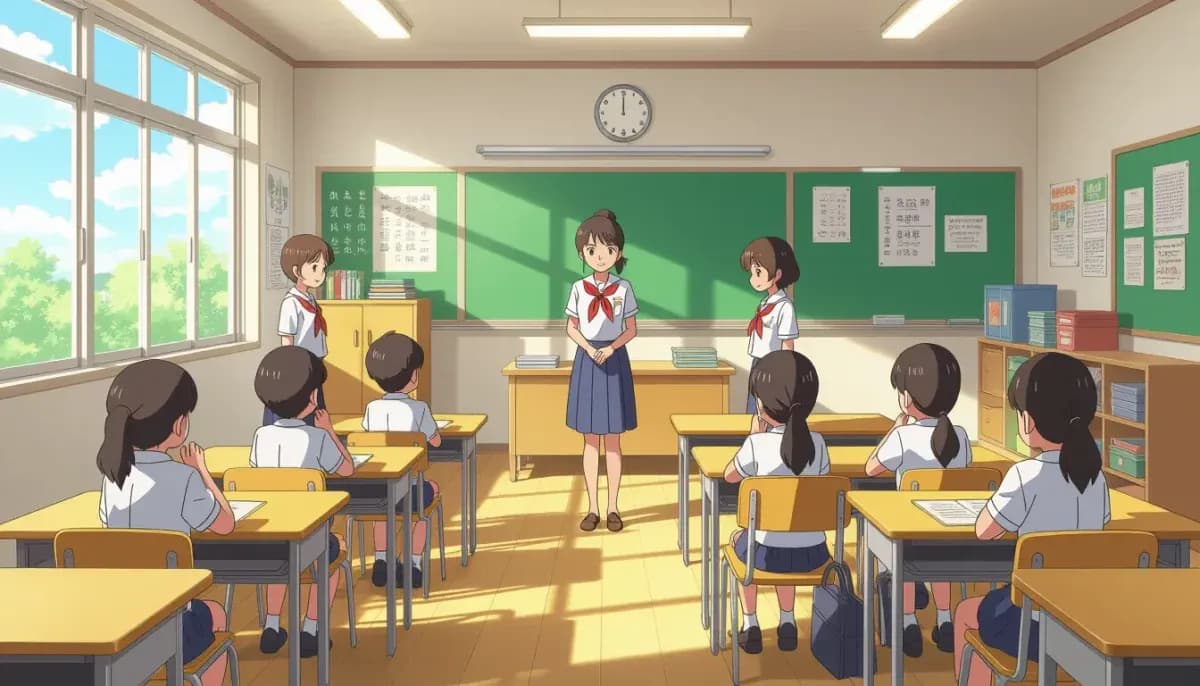
Japanese Classroom Culture and Etiquette Your Child Should Know
A complete guide to Japanese classroom culture and etiquette for foreign families. Learn about bowing rituals, school cleaning duties, lunch customs, dress codes, and how to prepare your child for school in Japan.
Read more →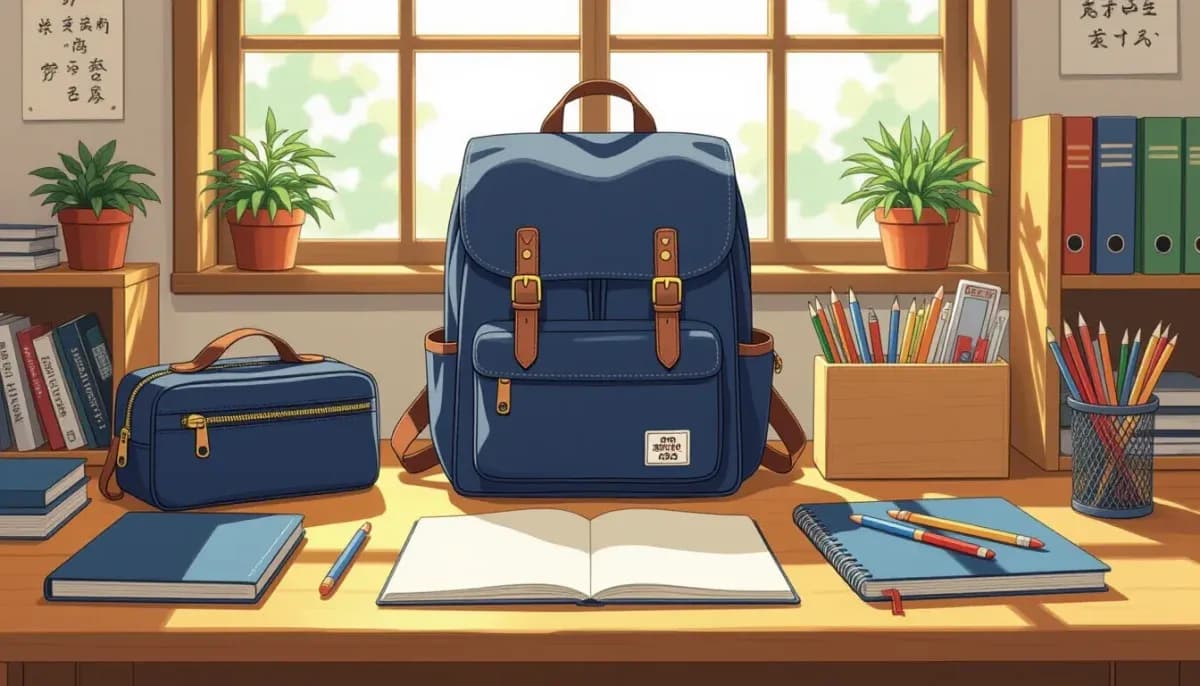
Essential School Supplies for Japanese Schools: Complete Checklist
Complete checklist of school supplies needed for Japanese schools, from randoseru backpacks to uwabaki shoes. Costs, where to buy, and tips for foreign parents in Japan.
Read more →