Family Travel in Japan: Destinations and Tips for Kids
Japan is one of the most rewarding family travel destinations in the world. Clean, safe, and endlessly fascinating, it offers a perfect blend of ancient culture, cutting-edge technology, incredible food, and world-class theme parks that will delight children and parents alike. Whether you are a foreign family already living in Japan or planning your first visit, this guide covers the best destinations, practical transportation tips, accommodation options, and everything you need to know to make your family trip a success.
Japan received over 36.87 million international tourists in 2024, and families consistently rank among the happiest visitors. With some of the world's safest cities, excellent public transport, and an extremely family-friendly culture, Japan makes it easy to travel with children of all ages.
Why Japan Is Perfect for Family Travel
Japan's reputation as a family destination rests on a few key pillars that make it stand out from other Asian travel hotspots.
Safety first. Japan consistently ranks among the top nations on the Global Peace Index. Japanese cities are so safe that children routinely walk to school unaccompanied. Foreign families can explore neighborhoods, parks, and public transport with genuine peace of mind.
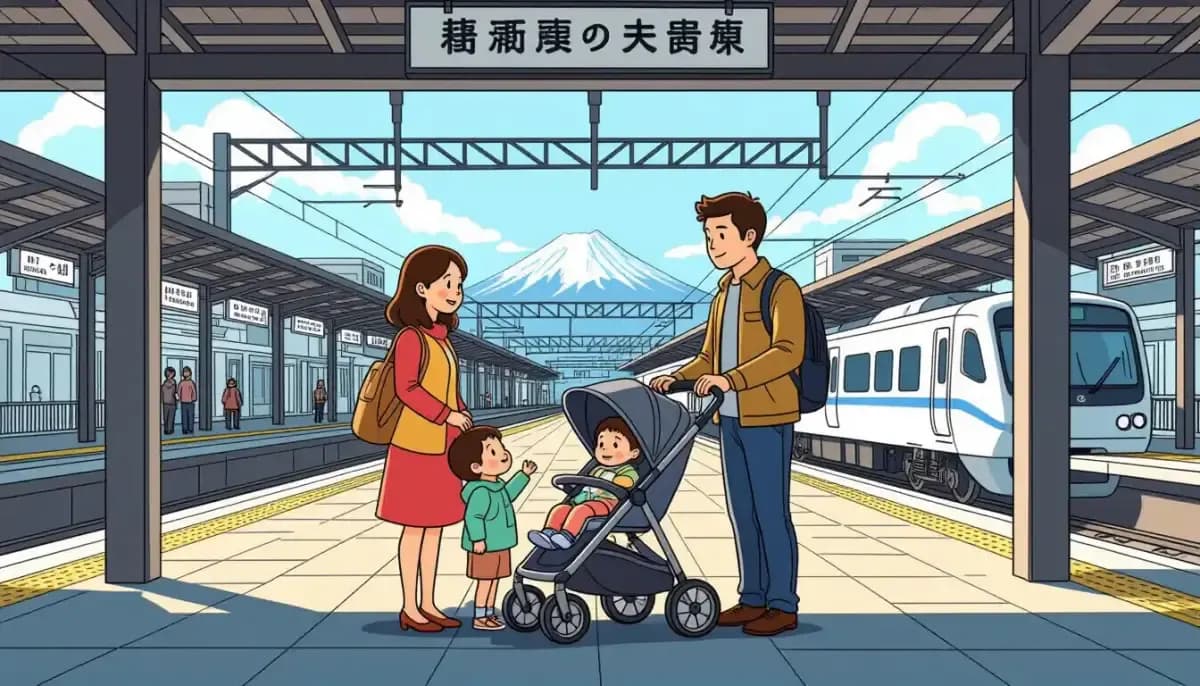
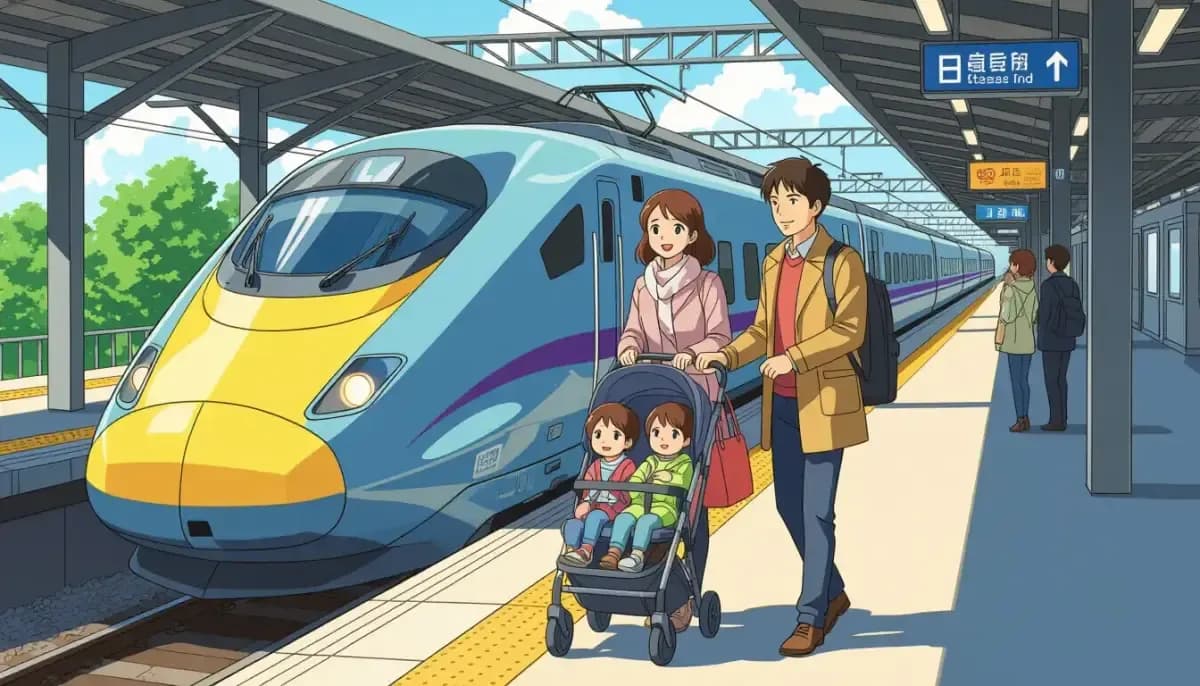
Child-friendly infrastructure. Train stations have elevators and stroller-friendly ramps. Family restaurants (ファミレス) are everywhere, with kids' menus, high chairs, and spacious booths. Convenience stores like 7-Eleven, Lawson, and FamilyMart are open 24 hours and stock affordable, kid-friendly food. Baby care rooms (授乳室) are available in most shopping malls and department stores.
Affordable for children. Museum and theme park admission is typically discounted 50% for children under 12. On trains, children aged 6–11 pay just 50% of the adult fare, children aged 1–5 ride free (up to 2 per adult), and infants under 1 are always free.
Culture and wonder at every turn. From ancient Shinto shrines and samurai history to Pokemon Centers and robot restaurants, Japan gives children exposure to both timeless traditions and futuristic innovation in a way no other country can match.
For more insights on living in and exploring Japan as a foreigner, Living in Nihon's domestic travel guide is an excellent resource for expat families navigating Japan's travel landscape.
Best Family Destinations in Japan
Tokyo
Tokyo is the ideal starting point for most family trips. The city is so large and diverse that you could spend a week here and still not run out of things to do with kids.
Top family attractions in Tokyo:
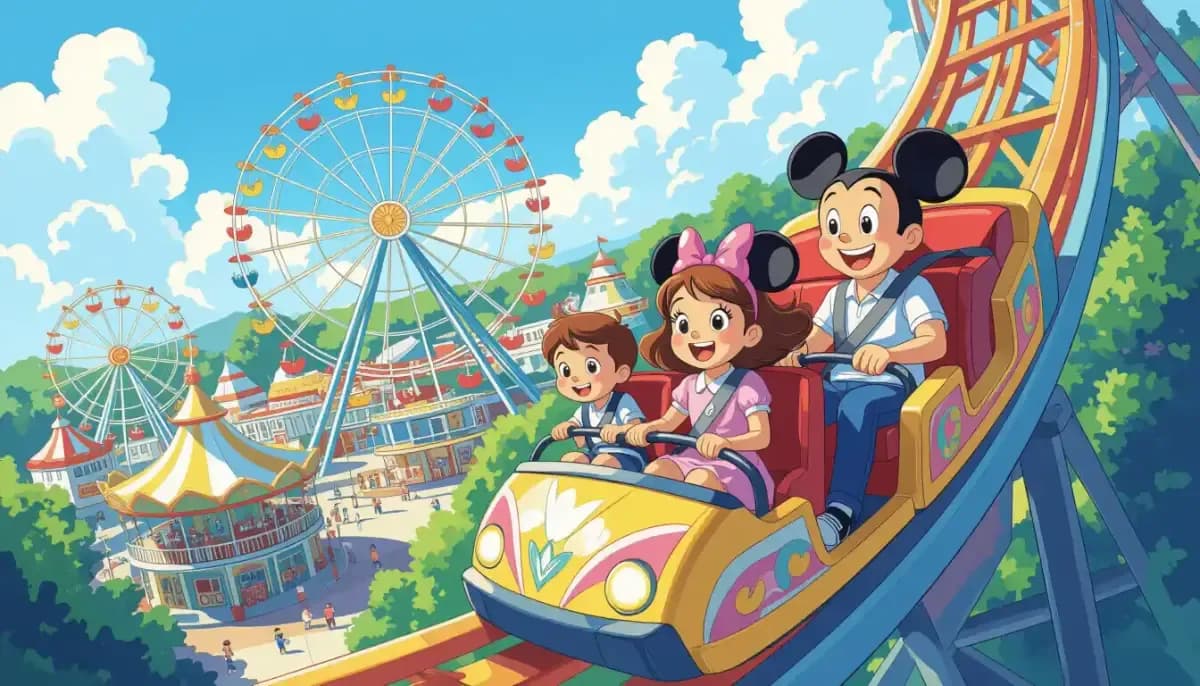
- Tokyo Disneyland and Tokyo DisneySea — Two parks on the same resort; DisneySea is more unique globally and slightly more adult-friendly, while Disneyland is perfect for younger children.
- teamLab Borderless (Azabudai Hills) — An immersive digital art experience that children find magical. Tickets must be booked in advance.
- Ghibli Museum (Mitaka) — A must for Studio Ghibli fans. Tickets sell out months in advance; book on the 10th of the prior month at 10 AM Japan time.
- Pokemon Centers — Flagship stores in Shibuya and Ikebukuro with exclusive merchandise.
- KidZania — Interactive role-play city where children experience real jobs; locations in Tokyo and Osaka.
- National Museum of Emerging Science (Miraikan) — Odaiba's science museum with robots, space exhibits, and interactive displays.
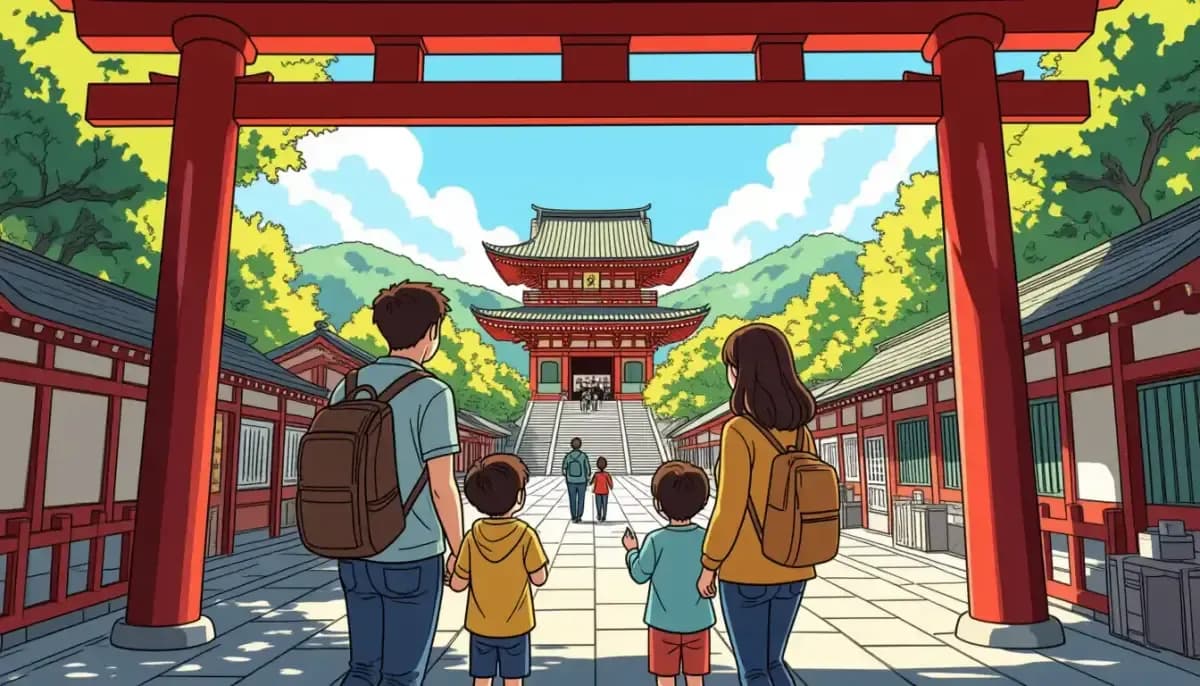
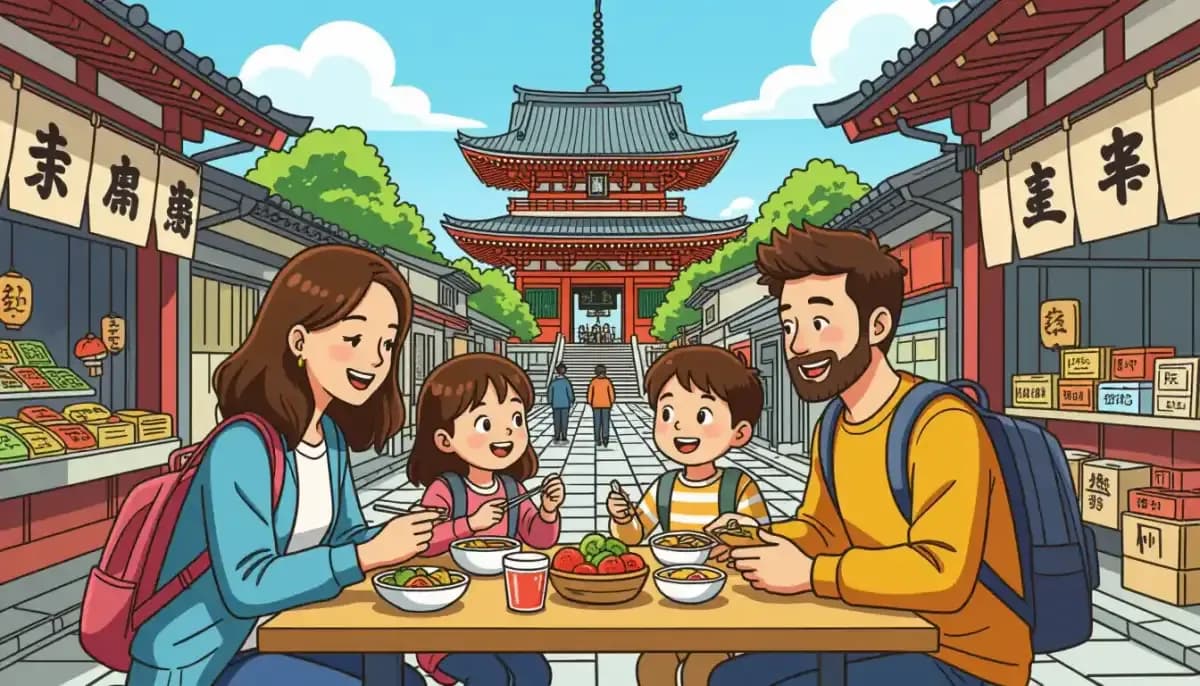
- Senso-ji (Asakusa) — Tokyo's oldest temple, easily accessible and visually stunning for kids.
- Akihabara — Electronics and anime paradise for older children.
Kyoto
Kyoto offers a quieter, more historical experience but still has plenty for children.
- Arashiyama Bamboo Forest — A short, easy walk through towering bamboo that feels otherworldly.
- Nijo Castle and Nishiki Market — History and street food in the city center.
- Samurai and Ninja training experiences — Interactive workshops where children dress up and learn traditional skills.
- Kimono rental and tea ceremony — Hands-on cultural experiences children remember forever.
- Pokemon-themed hotel — Available in Kyoto for dedicated Pokemon fans.
Osaka
Just 15 minutes from Kyoto by Shinkansen, Osaka is Japan's food capital and home to one of the country's best theme parks.
- Universal Studios Japan (USJ) — Features Harry Potter World, Super Nintendo World, and Minion Park. Express Passes are strongly recommended as queues can be very long.
- Osaka Aquarium Kaiyukan — One of the largest aquariums in the world, featuring whale sharks.
- Cup Noodles Museum Ikeda — Children design and create their own custom instant ramen to take home.
- Dotonbori — Osaka's famous neon-lit street food district where kids can try takoyaki, okonomiyaki, and more.
Nara
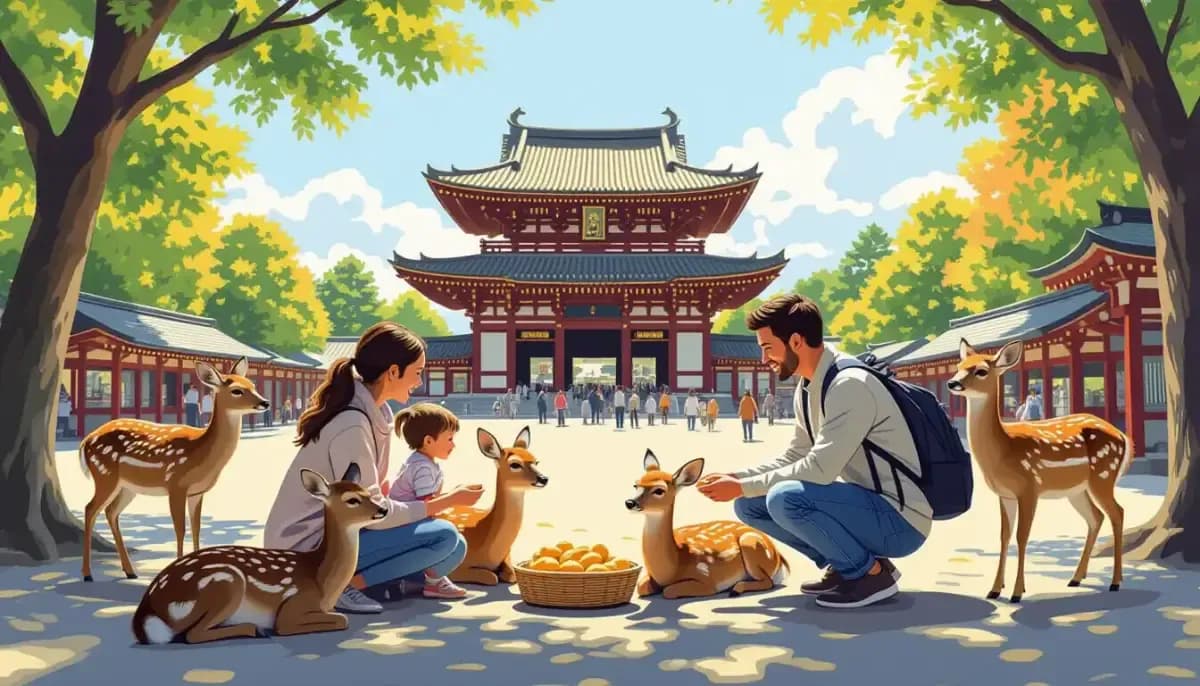
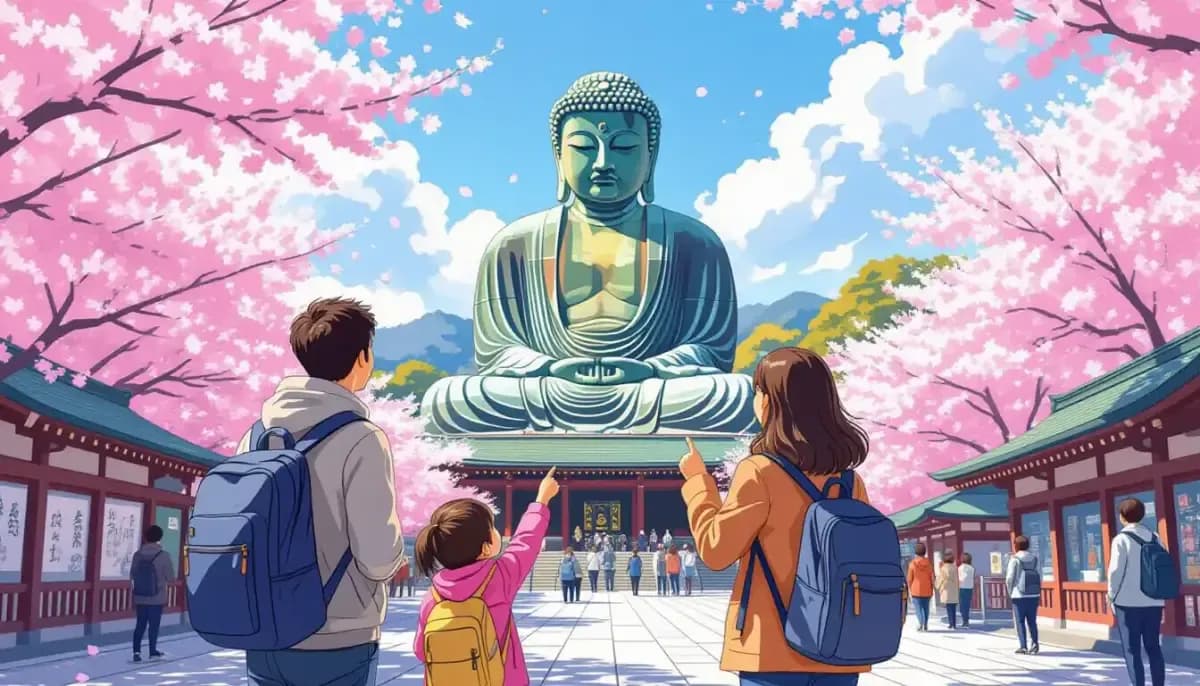
Just 30–45 minutes from both Kyoto and Osaka, Nara's Nara Park is home to over 1,000 wild deer that freely roam the streets. Children can buy deer crackers (shika-senbei) and hand-feed them. This is often the highlight of the trip for young children. Combine with a visit to Todai-ji, home to Japan's largest bronze Buddha.
Hakone
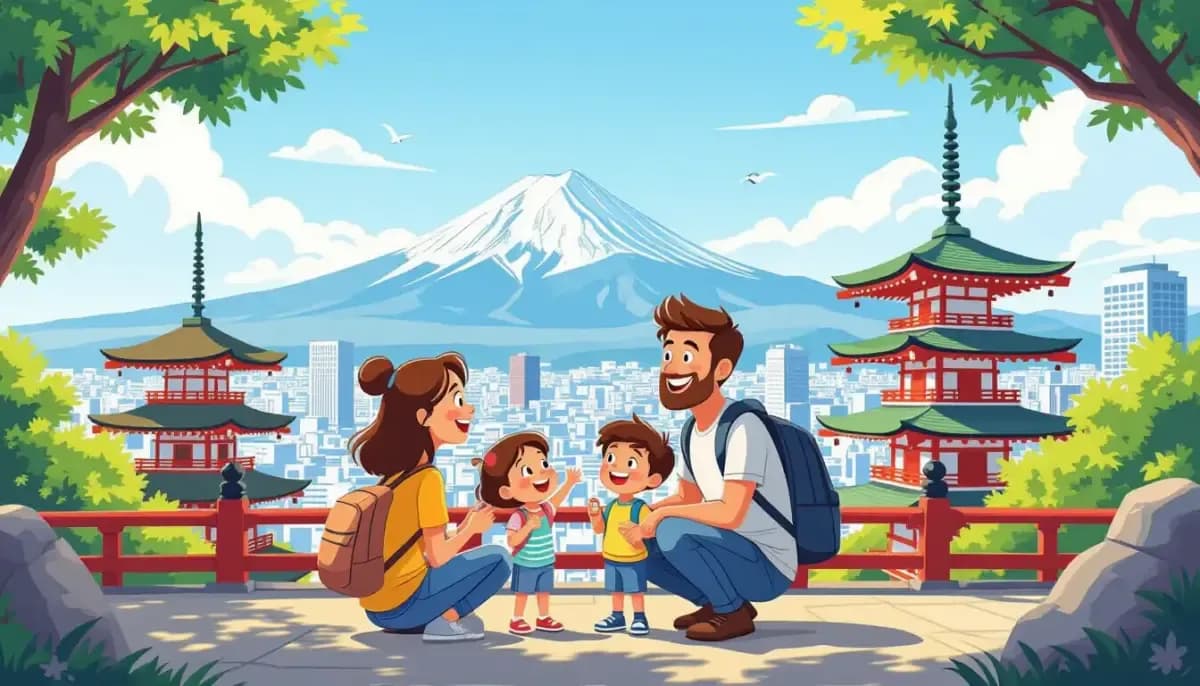
Located 1.5 hours from Tokyo, Hakone offers stunning Mt. Fuji views (weather permitting) and a variety of family-friendly activities.
- Yunessun Hot Spring Park — An onsen theme park with wine baths, sake baths, and coffee baths that children love.
- Hakone Pirate Ship — A cruise across Lake Ashi on a pirate-themed boat with Mt. Fuji as a backdrop.
- Hakone Open Air Museum — Outdoor sculpture garden with a Picasso pavilion and a children's play section.
Nagoya
Often overlooked, Nagoya is a fantastic detour for families.
- LEGOLAND Japan — Perfect for children aged 2–12, with interactive builds and water rides.
- Toyota Automobile Museum — Car history from the 1880s to today; great for transport-obsessed children.
- SCMAGLEV and Railway Park — Japan's national railway museum with full-size bullet trains and simulators.
Hokkaido
For winter trips, Hokkaido is unbeatable.
- Sapporo Snow Festival (February) — Massive snow sculptures from around the world.
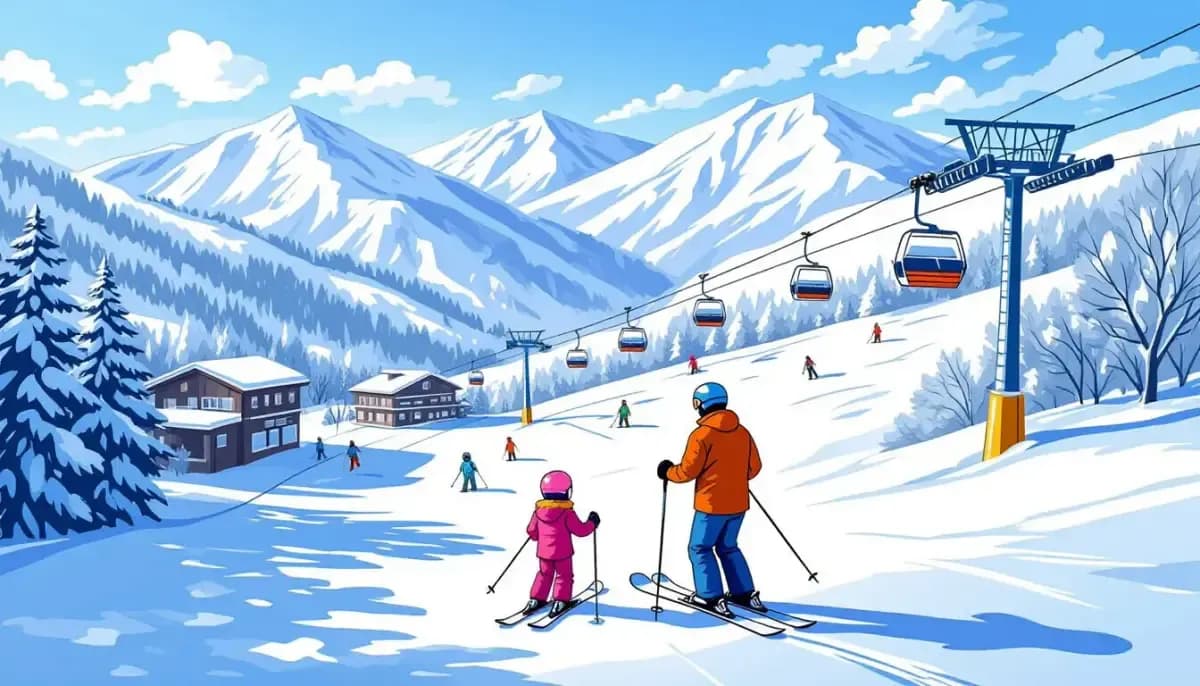
- Niseko and Furano — World-class powder ski resorts with excellent children's ski schools.
- Asahiyama Zoo — Famous for its creative animal enclosures that let children get eye-level with polar bears and penguins.
- Jigokudani Snow Monkey Park (technically in Nagano) — Watch wild Japanese macaques soaking in natural hot springs; best November–March.
Okinawa
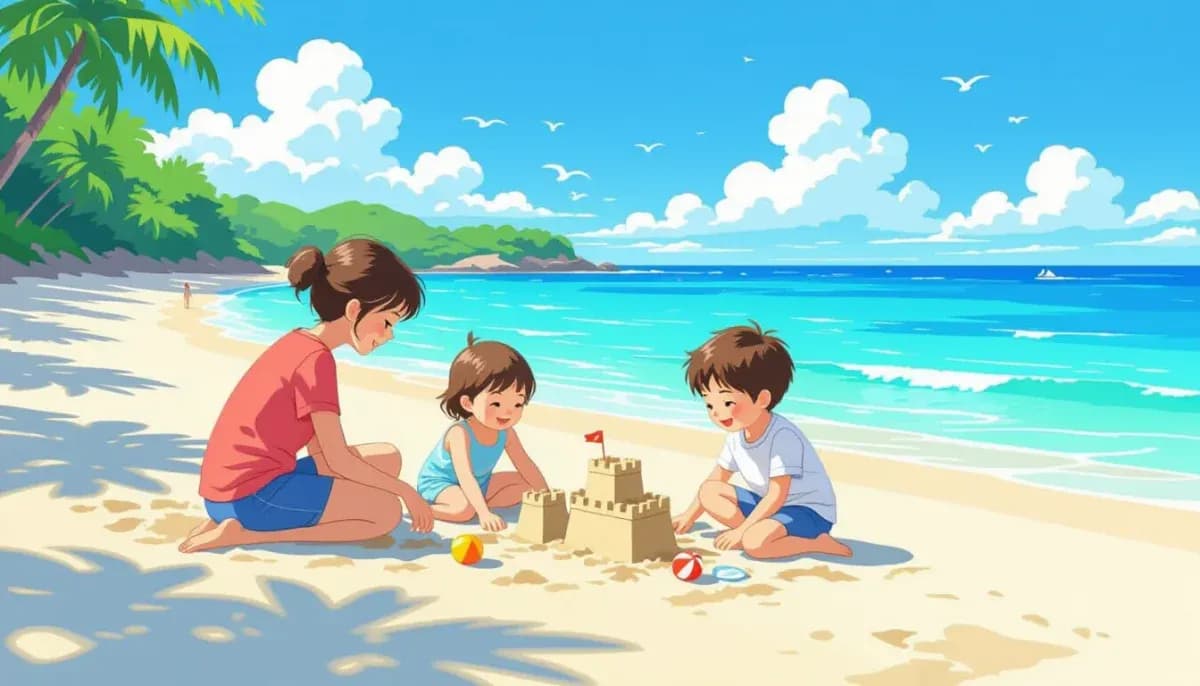
For beach-focused families, Okinawa is Japan's tropical paradise.
- Churaumi Aquarium — The second largest aquarium in the world, home to whale sharks and manta rays.
- Ocean Expo Park — Free outdoor park surrounding the aquarium with beaches and dolphin shows.
- Marine activities — Snorkeling, glass-bottom boat tours, and sea kayaking.
- Shisa-making workshops — Create your own Okinawan lion-dog guardian figurine.
Transportation Tips for Families in Japan
Getting around Japan with children requires planning, but the transport network is excellent once you understand it.
| Transport Option | Child Fare | Best For |
|---|
| Shinkansen (Bullet Train) | 50% of adult (ages 6–11); free under 6 | Long-distance city-hopping |
| Local trains / Subway | 50% of adult (ages 6–11); free under 6 | Within cities |
| IC Card (Suica/Pasmo) | Child IC card available | Everyday urban transport |
| Japan Rail Pass | Children's version available (50% discount) | Multiple cities, flexible travel |
| Bus | 50% of adult (ages 6–11); free under 6 | Rural areas, airports |
| Car Rental | N/A — child seats required under age 6 | Rural areas, off-beat destinations |
Practical tips:
- Avoid rush hour: 7–9 AM and 5–7 PM on weekdays. Trains are extremely crowded and uncomfortable with young children.
- Luggage forwarding: Use Yamato Transport's TA-Q-BIN service to send suitcases between hotels for approximately ¥2,500–4,000 per bag. This is essential for families — do not try to carry large bags onto trains with small children.
- Strollers: Compact folding strollers (like the Pockit) work best on trains. Baby carriers are better in narrow streets and at temples.
- Coin lockers: Available at all major stations (¥300–700 depending on size) for storing bags while sightseeing.
- Haneda vs Narita: If flying into Tokyo, Haneda (30 minutes to city center) is far easier than Narita (90 minutes) especially with tired children.
For families working or living in Japan, For Work in Japan has useful resources on navigating daily life and transport in Japanese cities.
Accommodation Options for Families
Ryokan (Traditional Japanese Inns)
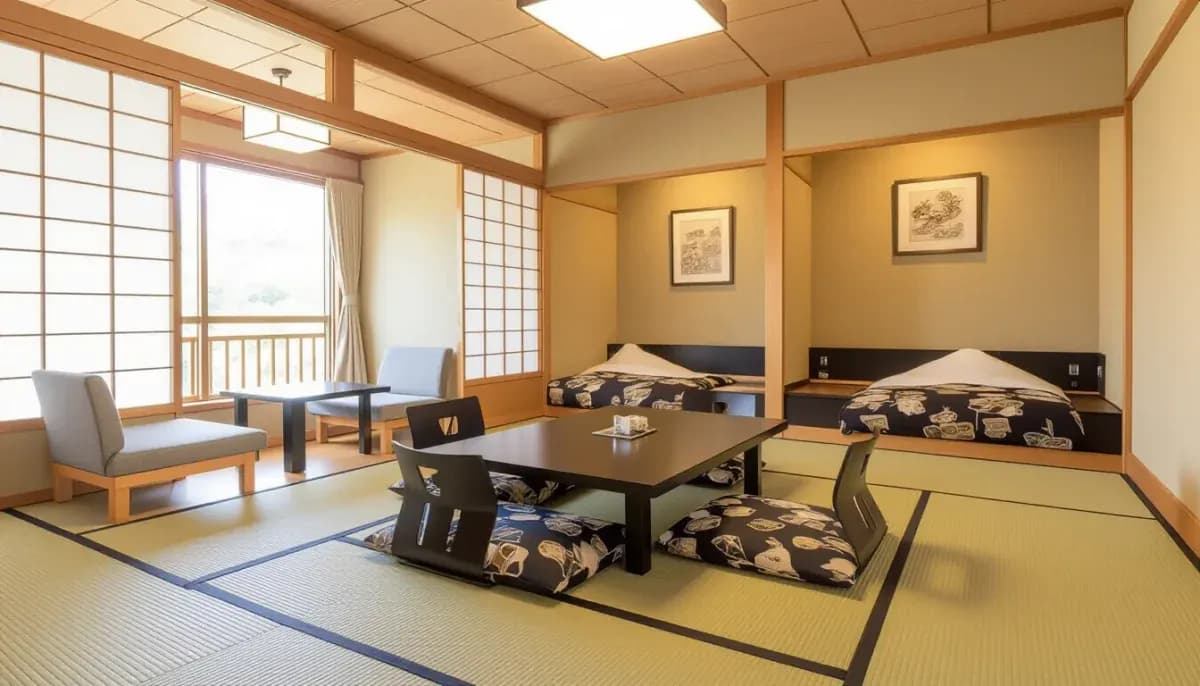
Ryokan offer a uniquely Japanese experience that children find exciting — sleeping on futons on tatami floors, wearing yukata robes, and eating elaborate multi-course kaiseki meals. Request a private family bath (家族風呂) if your children cannot use the communal onsen (children in diapers cannot use shared baths). Prices range from ¥10,000 to ¥50,000+ per person including meals.
Western Hotels
Most international hotel chains welcome families. Children under 12 typically share parents' beds for free, and cribs are available on request. On-site breakfast buffets usually include both Japanese and Western options. Budget chains like APA Hotel (from ¥8,000/night) and Dormy Inn are affordable options.
Vacation Rentals
Services like Airbnb and Rakuten Stay offer apartments with full kitchens — ideal for families with infants or picky eaters who need to prepare their own meals. Often more economical than hotels for groups of 4+.
Themed Hotels
Pokemon-themed hotels in Tokyo and Kyoto are extremely popular with children. Disney Official Hotels near Tokyo Disneyland book up 3–4 months in advance.
Food and Eating Out with Kids in Japan
Japan is one of the easiest countries in the world to feed children, with a wide variety of mild, approachable foods available everywhere.
Most kid-friendly Japanese foods:
- Curry rice (カレーライス) — mild and universally loved
- Udon noodles — thick wheat noodles in a mild broth
- Ramen — rich noodle soup; many regional varieties
- Karaage (fried chicken) — available at every convenience store
- Onigiri (rice balls) — portable, inexpensive, filling
- Sushi — conveyor belt sushi (kaiten-zushi) with tablet ordering and illustrated menus is perfect for children
Family restaurant chains (ファミレス): Gusto, Saizeriya, Joyfull, and Denny's Japan have spacious tables, kids' menus, high chairs, and very affordable prices. These are lifesavers when everyone is tired.
Convenience stores: 7-Eleven, Lawson, and FamilyMart are open 24/7 and stock hot food, bentos, sandwiches, and snacks from ¥100–800. Perfect for late arrivals and early mornings.
Ekiben (station bento boxes): Major train stations sell beautiful regional bento boxes. Eating ekiben on the Shinkansen is part of the authentic Japan travel experience.
Dietary restrictions: Vegetarian/vegan options are more limited but improving in cities. Use the Happy Cow app for vegan-friendly restaurants. Severe food allergies require careful advance research, as Japanese labeling laws differ from Western countries. Some common Western medications are also restricted in Japan — check with the Japanese Embassy before travel.
For Japanese families with school-age children, Chuukou Benkyou covers educational resources that complement cultural travel experiences in Japan.
Best Times to Visit Japan with Kids
| Season | Highlights | Considerations |
|---|
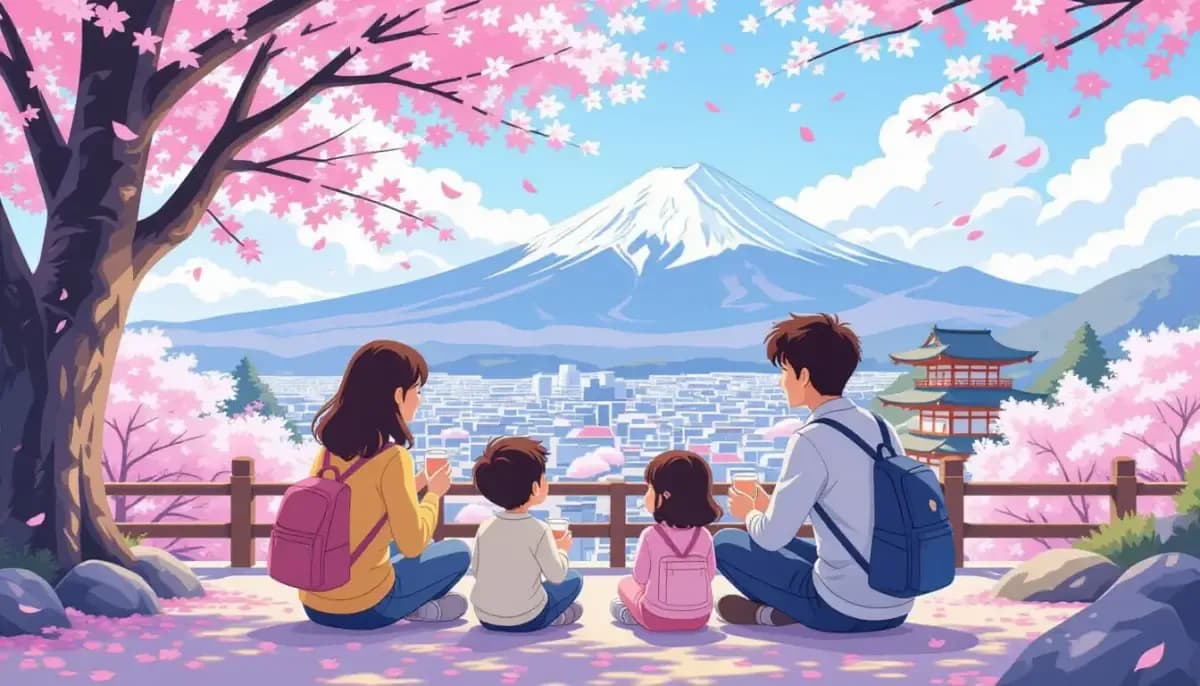
| Spring (March–May) | Cherry blossoms (late March–early April); mild weather; baseball season | Avoid Golden Week (late April–early May): extremely crowded and expensive |
| Summer (July–September) | Mt. Fuji climbing; matsuri (festivals); Okinawa beaches; fireworks | Hot and humid; Hokkaido is cooler |
| Autumn (Sept–November) | Fall foliage; comfortable temperatures; fewer tourists | Early December also excellent |
| Winter (December–February) | Snow monkeys; Hokkaido skiing; Sapporo Snow Festival | New Year Jan 1–3: many closures |
Best overall for first-time family visitors: Late March to mid-April (cherry blossoms, before Golden Week) or October (fall foliage, comfortable temperatures, fewer crowds).
Budgeting for a Family Trip to Japan
Japan is more affordable than many people expect, especially considering its quality and safety.
| Category | Estimated Cost (2-week family of 4) |
|---|
| International flights | Variable |
| Accommodation (mid-range hotels) | ~¥200,000 (~$1,400) |
| Transport (JR Pass + local trains) | ~¥150,000 (~$1,050) |
| Food (mix of restaurants and convenience stores) | ~¥70,000 (~$500) |
| Activities and entrance fees | ~¥35,000+ (~$250+) |
| Pocket WiFi / eSIM | ~¥10,000 (~$70) |
| Total estimated | ~¥500,000 (~$3,500–4,000) |
Money-saving tips:
- Book accommodations 3–6 months in advance, especially for Disney hotels and popular ryokan.
- Travel in shoulder seasons (late January–February or early December) for 30–50% lower accommodation prices.
- Use convenience store meals for some lunches to keep food costs down.
- Many museums and parks offer free entry for children under 6.
Essential Practical Tips for Foreign Families
Connectivity: Rent a pocket WiFi router (~¥1,000/day) or purchase a travel eSIM (~¥5,000 for 15 days unlimited). Essential for navigation, Google Translate, and booking restaurants.
Navigation: Google Maps works excellently in Japan's cities. For complex train routing, use the Navitime or Jorudan apps. Google Translate's camera function is invaluable for menus.
Currency: Japan is increasingly cashless, but some smaller restaurants and temples remain cash-only. 7-Eleven ATMs accept international cards 24/7.
Cultural etiquette: Remove shoes at ryokan, temples, and some restaurants (look for a genkan entrance step). No tipping is expected anywhere. Do not eat or drink while walking (except at festivals). Slurping noodles is polite.
Healthcare: Japan has excellent hospitals and clinics in major cities. JMIP-certified international hospitals have English-speaking staff. Travel insurance with medical coverage is strongly recommended. Check which medications are permitted in Japan before your trip — some common Western drugs are banned.
Plan your arrival day wisely: Jet lag hits children hard. Plan nothing significant on arrival day. Have a convenience store meal and an early bedtime.
For families raising children in Japan, our guides on Japanese schools for foreign families and healthcare for children in Japan provide essential support for settling in long-term.
Quick Reference: Japan Family Travel Checklist
Before you go:
- Book Ghibli Museum tickets (10th of prior month, 10 AM Japan time)
- Reserve Tokyo Disneyland/DisneySea tickets (no gate sales)
- Book Universal Studios Japan tickets + Express Pass
- Reserve popular ryokan 3–6 months ahead
- Apply for Japan Rail Pass (not available to Japan residents)
- Arrange pocket WiFi or travel eSIM
- Check visa requirements for your nationality
- Check medication restrictions
Pack:
- Compact folding stroller
- IC card for each person (or phone NFC payment)
- Japanese phrase card for emergencies
- Small day packs (one per adult)
- Motion sickness medication for Shinkansen/mountain roads
Apps:
- Google Maps + Google Translate
- Navitime or Jorudan (train routing)
- Tabelog or Google Maps (restaurant reviews)
- Happy Cow (vegetarian options)
Family travel in Japan rewards those who plan ahead and embrace the experience with curiosity. The country's combination of safety, beauty, and sheer variety of experiences — from feeding deer in Nara to riding bullet trains to seeing Mt. Fuji — creates family memories that last a lifetime. Whether you are visiting for two weeks or exploring as a family already living in Japan, there is always something new to discover.
For more guidance on raising and traveling with children in Japan, explore our related resources on raising bilingual children in Japan and financial planning for expat families.