
Traveling with Babies and Toddlers in Japan

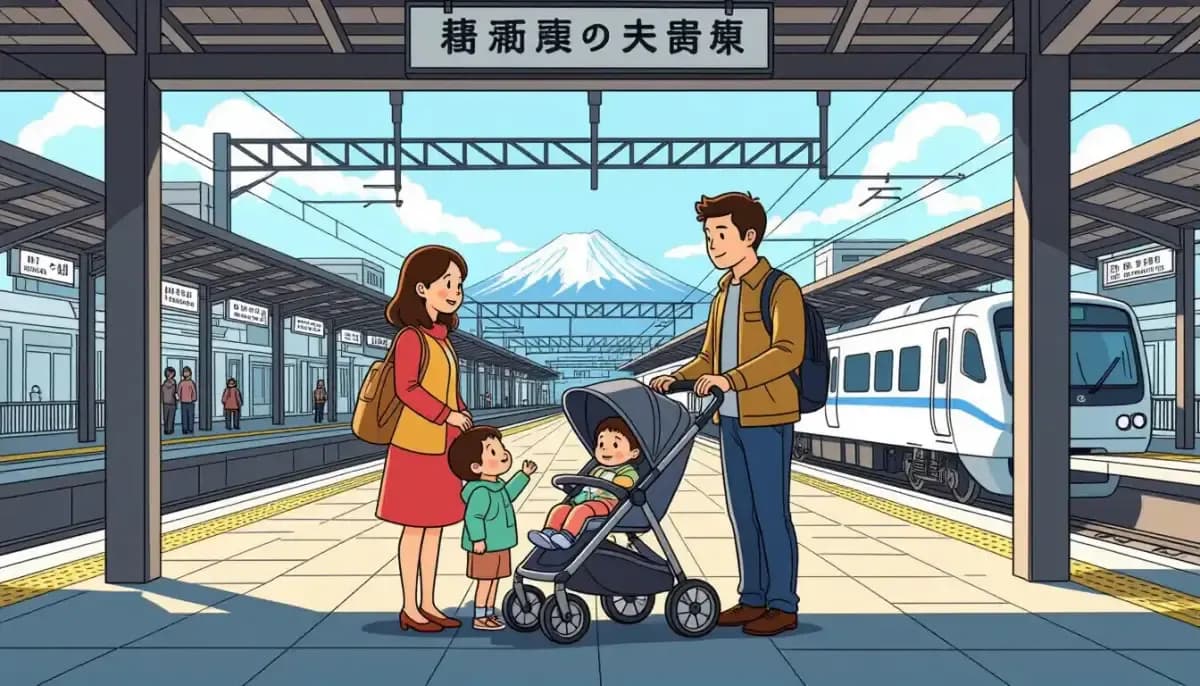
Everything you need to know about traveling with babies and toddlers in Japan — transport, accommodation, feeding, changing facilities, best destinations, and practical tips for foreign families.
Traveling with Babies and Toddlers in Japan: The Complete Family Guide
Japan consistently ranks as one of the world's most baby-friendly travel destinations. Despite its reputation for busy train stations and narrow temple streets, Japan offers an extraordinary combination of safety, helpful locals, excellent baby infrastructure, and endless family-friendly activities. Whether you're planning a two-week adventure or a month-long stay, this guide covers everything you need to know about traveling with babies and toddlers in Japan.
If you're already living in Japan with children, you may want to read our guides on daycare and hoikuen options and baby and infant care as a foreign parent for deeper context on Japan's child-rearing environment.
Is Japan Really Baby-Friendly?
The short answer: yes, more than most people expect. Japan is renowned for its welcoming attitude toward families. Strangers on trains will smile and wave at your baby. Shop staff will rush to help if you're struggling with a stroller. And unlike many destinations, practical baby infrastructure — changing tables, nursing rooms, family restrooms — is genuinely widespread.
Multiple independent family travel writers describe Japan as "one of the most baby-friendly countries in the world." The country consistently ranks at the top of the Global Peace Index, meaning you can explore cities and neighborhoods with real peace of mind. Japan's low crime rates, extremely clean streets, and highly organized public spaces make it an ideal destination for anxious first-time traveling parents.
That said, Japan does present unique challenges. Train networks can be overwhelming, traditional restaurant seating is often low to the ground, and urban density means hotel rooms tend to be small. The key is preparation — and that's exactly what this guide provides.
Best Time to Visit Japan with a Baby
Timing your trip correctly makes a huge difference when traveling with a baby or toddler. Japan has distinct seasons, and some are far more comfortable for young children than others.
| Season | Months | Baby-Friendliness | Notes |
|---|---|---|---|
| Spring | March – May | ⭐⭐⭐⭐⭐ Excellent | Cherry blossoms, mild weather, but Golden Week is very crowded |
| Early Summer | June | ⭐⭐⭐ Good | Rainy season begins, cooler than July-Aug |
| Summer | July – August | ⭐ Poor | Extreme heat and humidity; exhausting with young children |
| Autumn | September – November | ⭐⭐⭐⭐⭐ Excellent | Comfortable temperatures, fall foliage, less crowded |
| Winter | December – February | ⭐⭐⭐ Good | Cold but manageable; fewer tourists |
Best advice: Aim for late March to early May (avoiding Golden Week if possible) or mid-September through November. These shoulder seasons offer comfortable temperatures, manageable crowds, and beautiful scenery that makes for memorable family photos.
Avoid visiting during Golden Week (late April to early May) and Obon (mid-August) if at all possible — these are Japan's busiest domestic travel periods, with hotels booked months in advance and transportation packed.
Getting Around Japan with a Stroller
Transportation is one of the biggest concerns for parents. Here's the comprehensive breakdown:
Stroller Recommendations
Japan is NOT the place to bring a large, bulky travel system. Narrow train doors, crowded platforms, and stairs at older stations demand a lightweight, quick-fold stroller. Popular choices among Japan-experienced parents include:
- Stokke Xplory X / Yo-Yo — compact, airline-friendly, easy to fold one-handed
- Cybex Libelle — ultra-compact fold, reclines fully, very popular in Japan
- Babyzen YOYO — fits in overhead bins, perfect for shinkansen
Baby carriers (Ergobaby, Tula, structured wraps) are extremely useful for situations where strollers are impractical — temple grounds, narrow shopping streets, and crowded attractions. Many experienced Japan-traveling parents use a carrier as primary transport and stroller as backup.
Train Travel
Japan's train network is world-class, and it's how you'll get around. Key things to know:
- Children under 6 ride free (up to 2 children per adult)
- Ages 6–11 pay 50% of adult fare
- JR Pass (the tourist rail pass): 50% discount available for ages 6–11
- Most major stations have elevators, but finding them adds time — budget extra
- Avoid rush hour (7–9 AM and 5–7 PM) with strollers on city metro lines
- On the shinkansen (bullet train), book the last row of a car — extra legroom in front and space for strollers
Luggage Forwarding (Takkyubin)
This is one of Japan's most family-friendly travel secrets. Yamato Transport (Kuroneko) and other services allow you to ship luggage between hotels for around ¥1,500–¥2,500 per bag. This means you can travel on trains completely hands-free — no wrestling a suitcase while managing a stroller and a toddler at the same time. Drop luggage at your hotel the night before you move to the next city, and it arrives at your next hotel by the time you check in.
For more information on living and working in Japan, Living in Nihon offers comprehensive guides for expats and long-term residents.
Where to Stay: Accommodations for Families with Babies
Standard Japanese hotel rooms are notoriously small. A typical business hotel room may be 18–22 square meters — barely enough space for two adults, let alone a crib, stroller, and baby gear. Planning accommodation carefully is essential.
Best Options for Families
Apartment-style hotels are the gold standard for traveling families:
- Mimaru Hotels (Tokyo, Kyoto, Osaka) — specifically designed for families, with separate bedrooms, full kitchens, and living spaces
- &Here Hotels — larger rooms with kitchenettes
- Serviced apartments via Booking.com or Airbnb — allow cooking, extra space, washing machines
Ryokan (traditional Japanese inns):
- Tatami mat floors are actually soft and great for babies learning to crawl or walk
- Confirm private family baths (kashikiri onsen) if you want to do hot springs
- Meal timing can be rigid — check if the inn can accommodate an early dinner for tired toddlers
- Futon beds are laid on the floor, which is safer than high beds for rolling babies
Business hotels:
- Request: crib availability (yōji no bed/bebī beddo — ask in advance), microwave or kettle access, blackout curtains
- Larger chain hotels (APA, Dormy Inn, Toyoko Inn) often have family rooms
Always confirm crib (cot) availability when booking — policies vary significantly and availability can be limited. Pack a lightweight travel bassinet as backup.
For expats raising children long-term in Japan, check our guide on toddler parenting in Japan for insights on the Japanese approach to early childhood.
Baby Supplies and Essentials in Japan
One of the great reliefs of traveling in Japan: baby supplies are easy to find and often high quality.
What You Can Easily Buy in Japan
- Diapers (pampers/オムツ): Available everywhere — Akachan Honpo (baby megastore), Babies R Us, Don Quijote, drugstores (drug store), supermarkets, and even some convenience stores. Japanese brands like Merries and Goo.n are excellent quality.
- Baby wipes: Readily available in all stores
- Baby food pouches and jarred food: Available at Akachan Honpo, Toys R Us Japan, pharmacies, and most supermarkets
- Formula: Most Japanese formula is excellent; bring a small supply of your home brand to transition if needed
- Sunscreen for babies: Available at drugstores (though check SPF levels)
What to Bring from Home
- Specific formula your baby is used to (switching brands can cause digestive upset)
- Preferred rash cream — Japanese options exist but may differ
- Fever reducer (liquid ibuprofen/acetaminophen) in familiar brand
- Thermometer — easy to find in Japan but your own is convenient
- Translated allergy cards if your child has food allergies (print Japanese allergen info)
Trash can note: Japan has very few public trash cans. Bring a small bag for dirty diapers and carry until you find a convenience store or hotel to dispose.
For more detail on medical care for children in Japan, see our guide on healthcare and medical care for children in Japan.
Changing and Nursing Facilities in Japan
Japan's public changing and nursing infrastructure has improved dramatically in recent years.
Diaper Changing
- Major train stations (Tokyo Station, Shinjuku, Osaka, Kyoto): Changing tables in both men's and women's restrooms at larger facilities
- Department stores and shopping malls: Usually have dedicated baby rooms (赤ちゃんルーム) on specific floors with changing tables, nursing areas, and sometimes bottle warmers
- Museums and theme parks: Generally well-equipped with family facilities
- Convenience stores (7-Eleven, FamilyMart, Lawson): Increasingly have changing facilities
Plan to stop at a confirmed bathroom roughly every 2–3 hours when out sightseeing.
Breastfeeding / Nursing
Private nursing booths are common at large department stores and in the baby/children's sections of major retailers like Akachan Honpo. Dedicated nursing rooms are usually clean and well-equipped. Breastfeeding in public is generally accepted but less common than in Western countries — having a nursing cover provides added comfort in crowded spaces.
For Work in Japan provides useful information for expat families navigating Japanese systems, including parental leave and workplace policies.
Eating Out with a Baby or Toddler in Japan
Japan's food scene is world-class, but not all restaurants are equally child-friendly. Knowing where to go makes a huge difference.
Most Baby-Friendly Dining Options
Family restaurants (ファミリーレストラン / famiresu): Chains like Gusto, Denny's Japan, Saizeriya, and Jonathan's are specifically designed for families. They offer:
- High chairs at every table
- Kid's menus with smaller portions
- Extended hours
- Patient, experienced staff
Conveyor-belt sushi (回転寿司 / kaiten-zushi): Chains like Sushiro, Kura Sushi, and Hama-Sushi are among the most family-friendly dining experiences in Japan. Individual small plates come on a conveyor — toddlers love watching them. High chairs are standard.
Convenience stores: Don't underestimate konbini. 7-Eleven, FamilyMart, and Lawson offer decent onigiri, sandwiches, hot foods, and snacks that work well for a quick meal when you're on the move.
Restaurants to approach with caution:
- Traditional kaiseki restaurants: Not designed for children; long meals with delicate settings
- Izakaya (Japanese pubs): Smoky, noisy, often crowded after 7 PM
- Very traditional ramen shops: Counter seating only, no space for strollers or high chairs
Always carry some safe snacks for your toddler — rice crackers (senbei), fruit pouches, and simple onigiri make excellent fallbacks.
Top Family-Friendly Destinations in Japan
Tokyo
Tokyo is surprisingly manageable with a baby despite its size. Highlights include:
- Ueno Park: Wide paths, petting zoo, Ueno Zoo, and open spaces perfect for stroller walks
- Odaiba: Futuristic waterfront district with parks, shopping malls with great baby facilities, and teamLab Planets (spectacular light art)
- Sunshine City (Ikebukuro): Aquarium, planetarium, family entertainment — all under one roof
- Anpanman Children's Museum (Yokohama, near Tokyo): Beloved Japanese cartoon characters; perfect for toddlers 1–5
Kyoto
Kyoto requires more planning but is magical for families.
- Arashiyama: Visit the bamboo grove early morning (before 8 AM) to avoid crowds — stroller-friendly paths
- Nishiki Market: Narrow; use carrier instead of stroller
- Nara day trip: Deer park is great for toddlers; keep visits to a few hours as deer can startle young children
Osaka
Many family travelers find Osaka the most practical Japanese city with children:
- Kids Plaza Osaka: Japan's best children's interactive museum; 3+ floors of hands-on exhibits
- Osaka Aquarium Kaiyukan: World-class aquarium; stroller-friendly throughout
- Dotonbori: Lively, entertaining, family-friendly street food energy
Hiroshima / Miyajima
- Miyajima Island: Very manageable for families; famous torii gate is accessible, deer roam freely, short ferry ride
- Hiroshima Peace Memorial Park: Important cultural experience; park grounds are stroller-friendly
For families considering longer stays in Japan, our article on pregnancy and giving birth in Japan as a foreign parent may be relevant.
Onsen (Hot Springs) with Babies and Toddlers
Hot springs are a quintessential Japanese experience, but require extra thought with young children.
Key rules:
- Babies in diapers cannot enter communal onsen baths (hygiene rules)
- Many onsen have age minimums (often 3 or 5 years)
- Young children ARE typically allowed to accompany parents in the opposite-sex bath until approximately age 9 (policies vary)
Best solution for families: Book a private family bath (kashikiri-buro/貸切風呂) at your ryokan. These are private bathing rooms you rent by the hour — perfect for babies and toddlers, and a wonderful family experience. Most traditional ryokan offer this option (confirm when booking).
Chuukou Benkyou offers resources for families with children studying in Japan, including Japanese language learning tips for kids.
Health and Safety Tips for Traveling with Babies in Japan
- Tap water is completely safe to drink throughout Japan — no need to buy bottled water for formula
- Pharmacies (drug stores): Ubiquitous; most open until 10 PM; some 24-hour options in cities. Staff may have limited English but can often read English medication labels
- Hospitals with English support: Major cities have international clinics; print your insurance information and keep it accessible
- Sun protection: Japan's summer UV index is extremely high; keep babies in shade, use hats, and apply baby sunscreen even in spring
- Food safety: Japan's food safety standards are world-class; no need to be overly cautious about street food
In case of emergency: Japan emergency number is 119 (ambulance/fire) and 110 (police).
For families dealing with more complex health and wellbeing topics, see our guide on mental health and emotional wellbeing for foreign children in Japan.
Practical Packing List for Japan with a Baby
Must-Have Items:
- Lightweight, quick-fold stroller (Stokke Yo-Yo or Cybex Libelle recommended)
- Baby carrier (Ergobaby 360 or Tula for longer carry sessions)
- Portable white noise machine or app for naps in varied environments
- 3–4 days' worth of diapers (top up locally)
- Familiar formula and/or food pouches
- Baby first aid: thermometer, fever reducer, rash cream, bandages
- Nursing cover and breast pads if breastfeeding
- Universal travel adapter (Japan uses Type A plugs, same as US/Canada)
- Small bag for diaper disposal
- Printed allergy cards (if needed) in Japanese
- Travel insurance documents
Useful But Optional:
- Portable travel high chair or clip-on seat
- Collapsible bath tub or bathing net for young infants
- Swim diapers if visiting hotel pools or water parks
Final Tips from Japan Family Travel Veterans
- Slow down. Japan rewards travelers who don't rush. Two destinations per day is enough with a baby. Three can be exhausting. Build in at least one "rest day" per week.
- Embrace the convenience store. Japanese konbini are genuinely life-saving for traveling families — snacks, meals, diapers, wipes, and even hot water for formula.
- Use hotel concierge services. Most hotels can arrange luggage forwarding, restaurant reservations, and stroller rental in some areas.
- Learn three phrases: "Baby change room?" (おむつ替えの場所はどこですか?), "High chair please" (ハイチェアをお願いします), and "Is it okay to use a stroller?" (ベビーカーを使えますか?)
- Connect with expat communities. Facebook groups like "Families in Tokyo" and local expat parent groups on Line can provide real-time recommendations.
Japan with a baby or toddler is not only doable — it's genuinely wonderful. The combination of safety, cleanliness, incredible food, and warm reception of young children makes Japan one of the world's great family travel destinations. With the right preparation, you'll return home with memories that last a lifetime.
For comprehensive information on expat life with children in Japan, explore our complete guide to the Japanese education system for foreign families and resources on raising bilingual children in Japan.

Originally from Vietnam, living in Japan for 16+ years. Graduated from Nagoya University, with 11 years of professional experience at Japanese and international companies. Sharing practical information for foreign parents raising children in Japan.
View Profile →Related Articles
Best Seasonal Travel Destinations for Families in Japan
Discover the best seasonal travel destinations for families in Japan. From spring cherry blossoms to winter snow festivals, explore Japan's top family-friendly spots season by season.
Read more →
Best Day Trips from Osaka with Kids
Discover the best day trips from Osaka with kids — Nara's deer park, Kobe's Anpanman Museum, Kyoto temples, Himeji Castle, and Iga ninja village. Train times, tips, and family advice.
Read more →
Best Day Trips from Tokyo with Kids
Discover the best day trips from Tokyo with kids — Hakone, Kamakura, Kawagoe, Nikko, and more. Complete family guide with age recommendations, train tips, and seasonal advice for foreign parents in Japan.
Read more →
Camping with Children in Japan: Best Sites and Tips
Complete guide to camping with children in Japan for foreign families. Discover the best family-friendly campsites, booking tips, gear advice, campsite rules, and what to expect as an expat camping with kids in Japan.
Read more →
Planning a Road Trip with Kids in Japan
Everything foreign families need to know about planning a road trip in Japan with kids — IDP requirements, car rentals, child seat laws, best routes, and family-friendly tips.
Read more →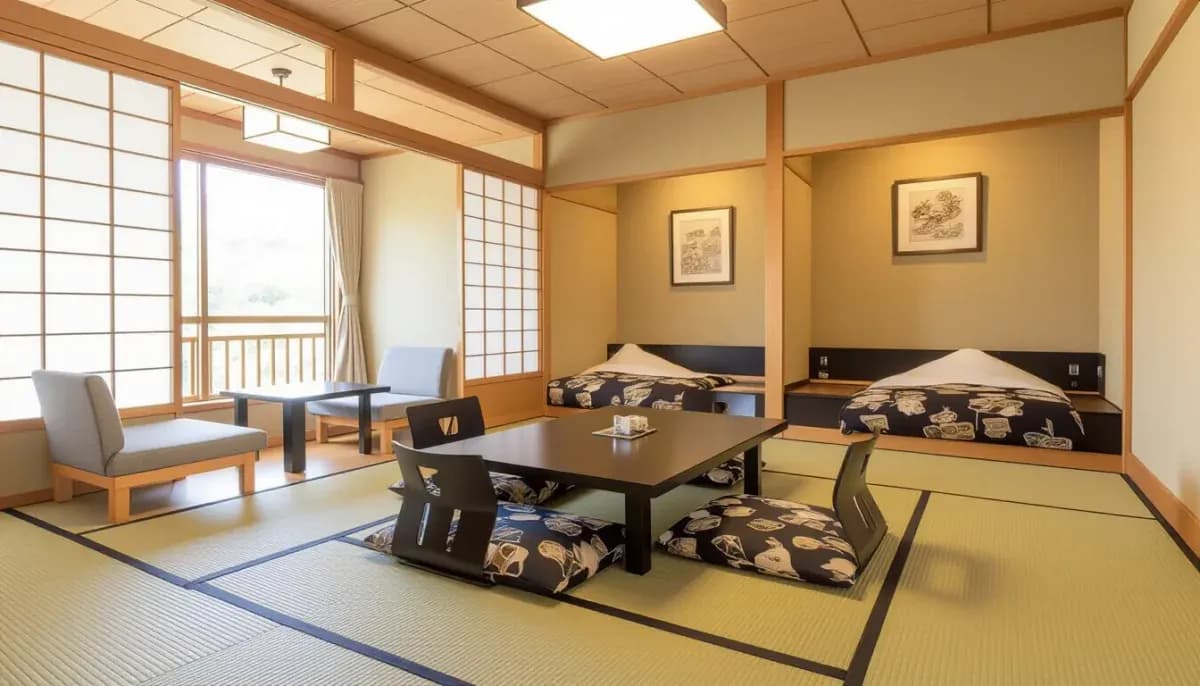
Family-Friendly Hotels and Ryokan in Japan
Find the best family-friendly hotels and ryokan in Japan. Learn about private onsen, age policies, pricing, booking tips, and top destinations for families traveling with children.
Read more →