
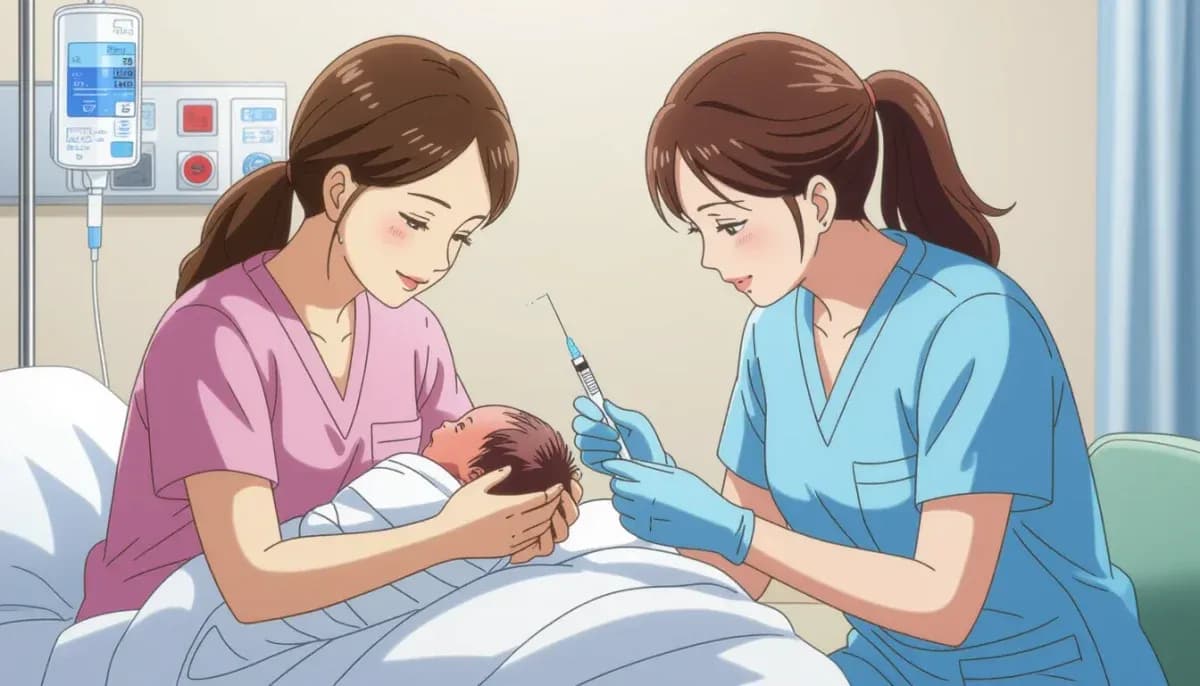
Newborn Care Tips for First-Time Parents in Japan
Complete guide to newborn care in Japan for foreign parents: hospital stays, Boshi Techo handbook, free vaccinations, health checkups, breastfeeding tips, and postpartum support programs.
Read more →
Complete guide to baby and infant care in Japan for foreign parents. Covers birth registration, vaccinations, health checkups, baby products, financial support, and childcare options for expat families.
Welcoming a new baby in Japan as a foreign parent can feel both exciting and overwhelming. From navigating Japanese hospitals to decoding vaccination schedules and finding familiar baby products, there's a lot to learn — but the good news is that Japan offers world-class infant care with an exceptional support system for families. This guide walks you through everything you need to know about raising a baby in Japan as a foreigner, from birth registration through the first year and beyond.
One of your first tasks as a new parent in Japan is completing the necessary administrative steps. You have 14 days after birth to file the birth notification (出生届, shusshou todoke) at your local ward (区役所, kuyakusho) or city office.
For foreign families, the process involves a few extra steps:
One important tip: your baby's name on the Japanese birth notification is written in katakana with the original script (Roman letters, Chinese characters, etc.) appended. Make sure spellings match exactly across all documents to avoid issues later.
Also be sure to obtain the 母子健康手帳 (Maternal and Child Health Handbook) from your local municipal office. This essential booklet — available in multiple languages — tracks your child's growth, vaccinations, and health checkups from birth through school age.
For more on related legal topics, see our guide on Visa and Legal Issues for Foreign Families with Children in Japan.
Japan has a comprehensive national vaccination program, and most routine vaccinations for infants are free of charge when you use the municipal coupons provided by your ward office after birth registration.
| Vaccine | Schedule | Cost |
|---|---|---|
| BCG (Tuberculosis) | Around 5 months | Free (routine) |
| DPT-IPV (Diphtheria, Pertussis, Tetanus, Polio) | 2, 3, 4 months + booster | Free (routine) |
| Hib (Haemophilus influenzae type b) | 2, 3, 4 months + booster | Free (routine) |
| PCV (Pneumococcal) | 2, 3, 4 months + booster | Free (routine) |
| Hepatitis B | 2, 3, 7-8 months | Free (routine) |
| Rotavirus | 2, 3 months (or 2, 3, 4) | Free (routine) |
| MR (Measles, Rubella) | 12-15 months | Free (routine) |
| Varicella (Chickenpox) | 12 and 18 months | Free (routine) |
| Japanese Encephalitis | 3 years old | Free (routine) |
| Influenza | Annually from 6 months | Optional (partially subsidized) |
The vaccination schedule begins at 2 months of age. Your ward office will send you coupon booklets and scheduling information. In Tokyo, you can use the Himawari search system to find English-friendly clinics. Many areas also have health nurses who conduct home visits shortly after birth.
If you miss the window for routine vaccinations, you may need to pay out of pocket for catch-up doses. Check with your local health center (hokenjo) for guidance.
For a detailed look at the healthcare system for children, visit our article on Healthcare and Medical Care for Children in Japan.
Japan has a structured and thorough health checkup system for babies and young children. The 18-month and 3-year checkups are required by law; most others are offered free of charge with municipal invitations.
| Checkup | Timing | What's Assessed |
|---|---|---|
| Newborn screening | 3–5 days after birth (hospital) | Metabolic disorders, hearing |
| 1-month checkup | 4 weeks | Weight, feeding, jaundice |
| 3–4 month checkup | 3-4 months | Motor development, growth |
| 6–7 month checkup | 6-7 months | Mobility, diet introduction |
| 9–10 month checkup | 9-10 months | Crawling, first words |
| 18-month checkup | 18 months (legally required) | Language, walking, development |
| 3-year checkup | 3 years (legally required) | Social skills, vision, hearing |
Most checkups are conducted at your local health center or municipal office in group settings. A public health nurse may also do a home visit in the first two months after birth. This visit is free and is a great opportunity to ask questions in a comfortable environment. Ask if your municipality offers an English-speaking nurse or interpreter.
Japan is generally breastfeeding-friendly. Nursing rooms (授乳室, junyuushitsu) are found in virtually all shopping malls, train stations, airports, department stores, and parks. Look for the nursing room sign — a silhouette of a mother feeding a baby. These rooms typically include private booths, changing tables, and sometimes warming stations.
If you prefer or need to use formula, you'll find an excellent selection at pharmacies (薬局), baby stores, and supermarkets. International brands including Meiji, Morinaga, and Wakodo are popular Japanese options. Some parents also import formula from their home country — note that customs rules allow reasonable personal import quantities.
Introducing solid foods (離乳食, *rinyuushoku*) typically begins around 5–6 months in Japan, later than in some Western countries. The Japanese approach tends to be quite gradual:
Japanese baby food (ベビーフード, bebi fuudo) is widely available at grocery stores and pharmacies and is of high quality. Brands like Kewpie, Wakodo, and Pigeon offer a wide range of age-appropriate purees, cereals, and snacks.
Japan has an extensive network of baby stores, and foreign parents are often pleasantly surprised by the quality and selection available.
| Store | Locations | Best For |
|---|---|---|
| Nishimatsuya (西松屋) | 1,100+ nationwide | Budget diapers, clothing, strollers |
| Akachan Honpo (アカチャンホンポ) | 127 locations | Full range: cribs, car seats, toys |
| Babies "R" Us | 100+ combined stores | Premium gear, international brands |
| BirthDay (バースデイ) | Nationwide | Affordable clothing and accessories |
| Amazon Japan | Online | Convenient delivery, wide selection |
| Rakuten Ichiba | Online | Japanese and imported brands |
International brands including Pampers, Huggies, Philips Avent, Dr. Brown's, Britax, and Cybex are readily available in major cities. In Tokyo, you can often walk into a baby store and find almost any product you'd expect at home.
Nishimatsuya is particularly beloved for its extremely affordable prices — perfect for stocking up on diapers, wipes, onesies, and everyday items. A large diaper pack typically costs ¥1,500–¥2,000. Join the store membership program for additional coupons and points.
For more information on Japanese baby products, check out Japanese Baby Products in Japan for Foreign Residents.
For broader family living tips, see our guide on Government Benefits and Subsidies for Families in Japan.
Japan provides substantial financial assistance to families, and foreign residents are fully eligible as long as they are enrolled in Japanese health insurance and have resident registration.
Key benefits include:
To apply, visit your local ward office with your residence card, health insurance card, and birth documentation. Most ward offices have foreign resident support desks and multilingual materials.
For detailed financial planning advice, see Financial Planning for Expat Families Raising Children in Japan.
Once your parental leave ends, you'll need to consider childcare options. Japan's system can be complex for newcomers, but the key options are:
For a comprehensive breakdown of the daycare system, see our full guide on Daycare and Hoikuen in Japan for Foreign Parents.
Navigating baby care in a foreign country is much easier when you know where to turn for help. Here are some go-to resources:
Raising a baby in Japan as a foreign parent comes with a learning curve, but the country's exceptional healthcare system, generous financial support, and comprehensive childcare infrastructure make it one of the best places in the world to raise young children. Japan's infant mortality rate of 1.7 per 1,000 live births (one of the world's lowest) reflects the quality of newborn care available.
The key is to get registered at your local ward office as soon as possible after birth, collect your vaccination coupon booklets and Maternal and Child Health Handbook, and don't hesitate to ask for multilingual support — most municipalities offer it. With the right preparation, your first year with a baby in Japan can be a wonderfully supported experience.
For more guidance on your parenting journey in Japan, explore our other articles:
Complete guide to newborn care in Japan for foreign parents: hospital stays, Boshi Techo handbook, free vaccinations, health checkups, breastfeeding tips, and postpartum support programs.
Read more →
Complete guide to baby swimming lessons and early activities in Japan for foreign parents. Enrollment tips, costs, English options, and top swim schools explained.
Read more →
Discover the most popular baby brands and stores in Japan, from Akachan Honpo and Nishimatsuya to Japanese brands like Pigeon, Combi, and Miki House. Complete guide for expat parents shopping for baby products in Japan.
Read more →
Complete guide to baby clothing in Japan for foreign parents. Learn how Japanese sizing works (cm-based), what to buy each season, and where to shop from budget to premium stores like Nishimatsuya and Miki House.
Read more →
A complete guide for foreign parents on registering a newborn at city hall in Japan. Learn about the 14-day deadline, required documents, child allowance, and immigration procedures.
Read more →
Complete guide to nursing rooms and baby-friendly facilities in Japan for foreign parents. Where to find them, what to expect, useful apps like Mama Papa Map, and practical tips for getting around with a baby.
Read more →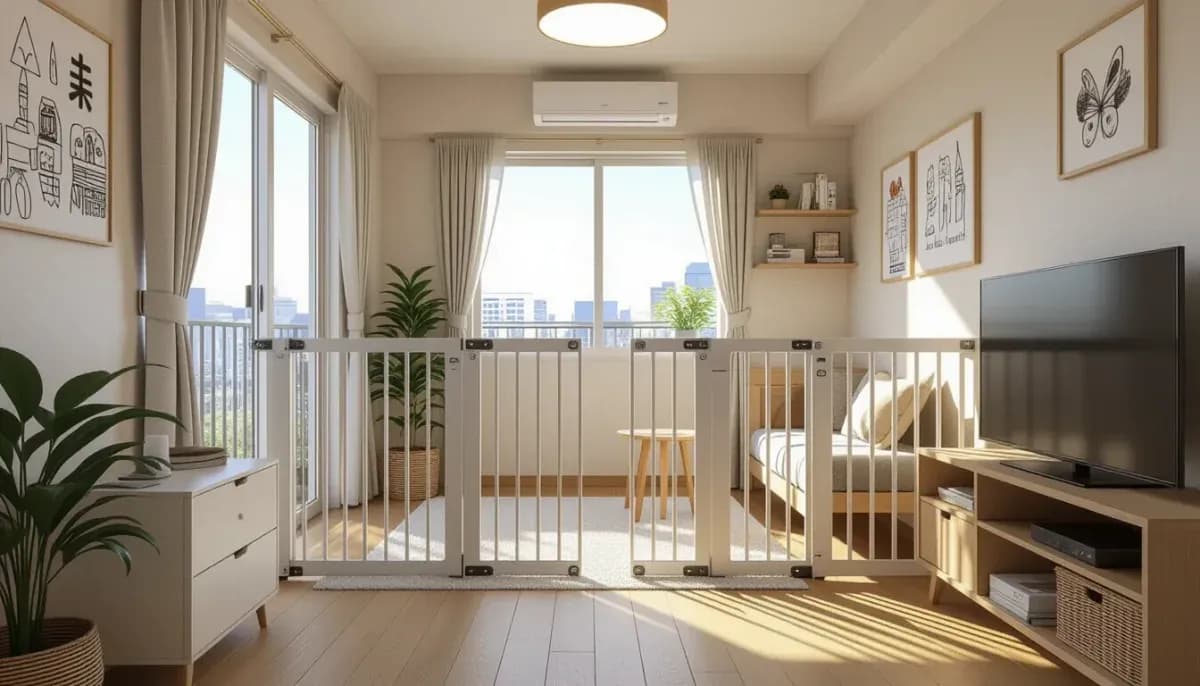
Learn how to baby-proof your Japanese apartment without damaging the property. Renter-friendly tips for foreign parents including products, room-by-room checklist, and earthquake safety.
Read more →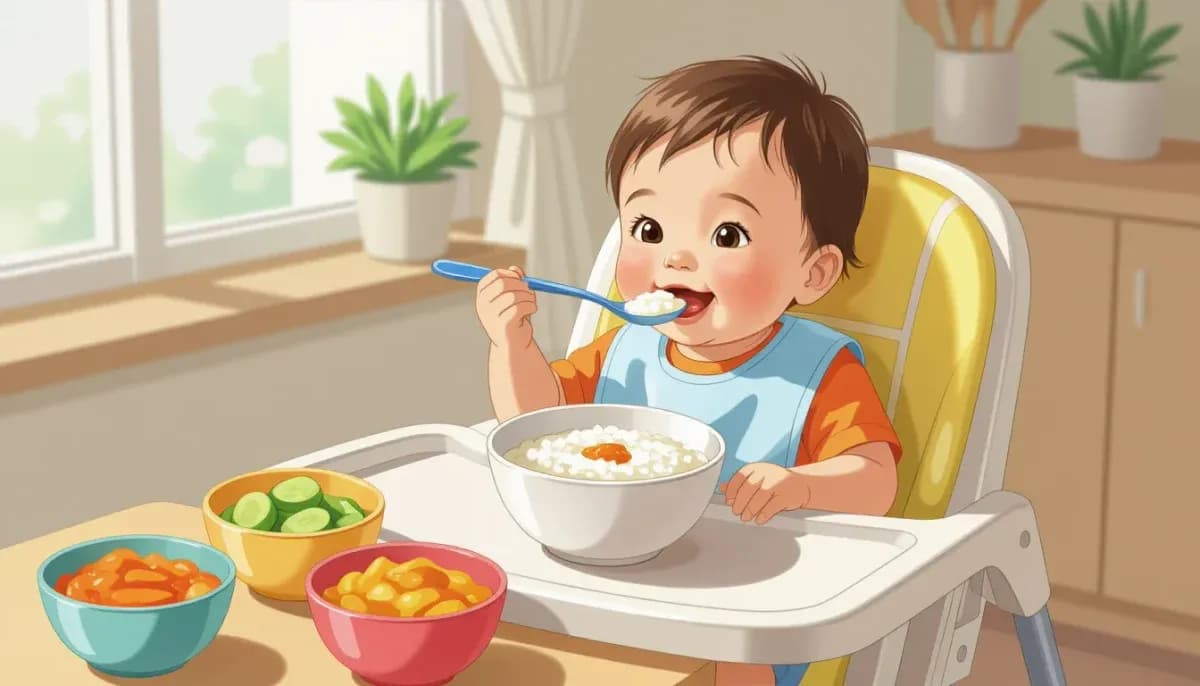
Complete guide to rinyuushoku (Japanese baby weaning) for foreign parents. Learn the 5 stages, first foods, where to buy, major brands like Kewpie and Wakado, and tips for expat families in Japan.
Read more →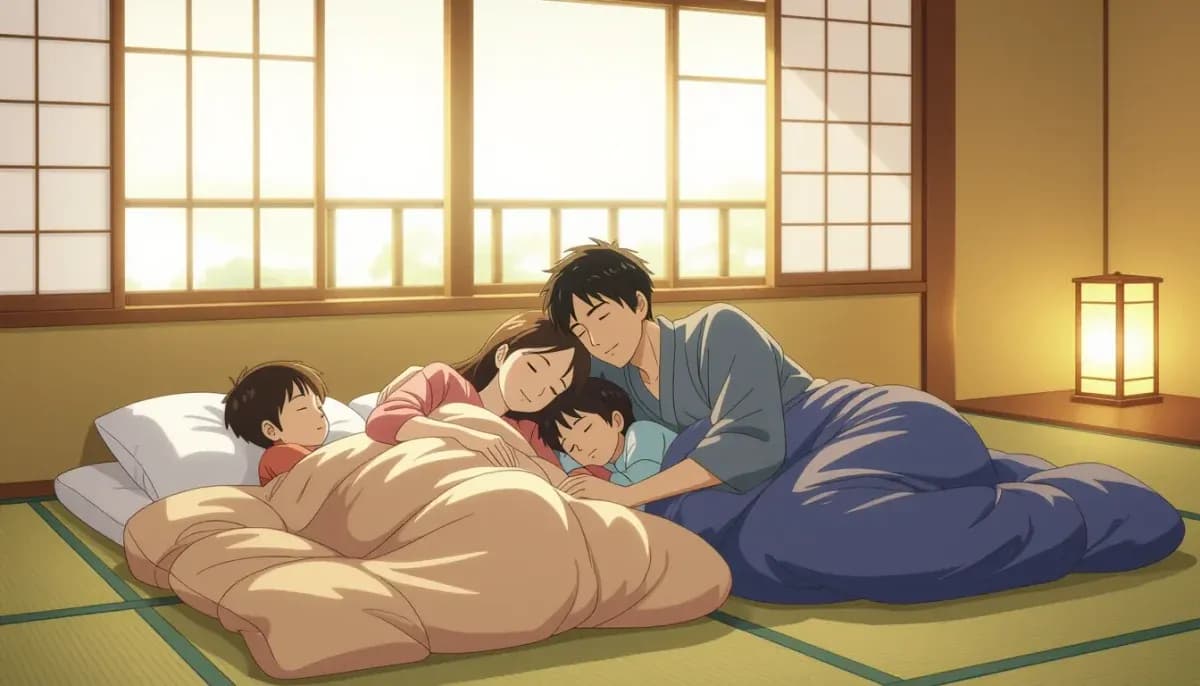
Discover how Japanese families practice co-sleeping (soine), the kawa no ji sleeping arrangement, futon use, and safety tips for foreign parents raising babies in Japan.
Read more →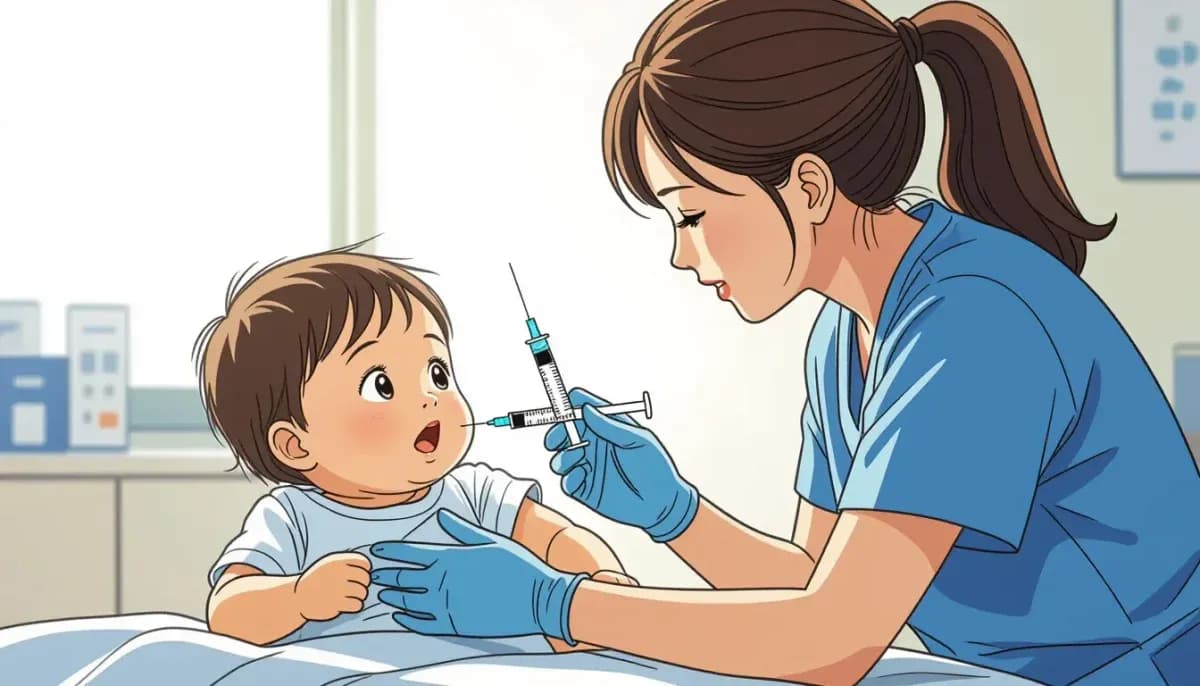
A complete guide to Japan's baby vaccination schedule for foreign parents — free routine vaccines, timing, coupons, and tips for expats navigating the system.
Read more →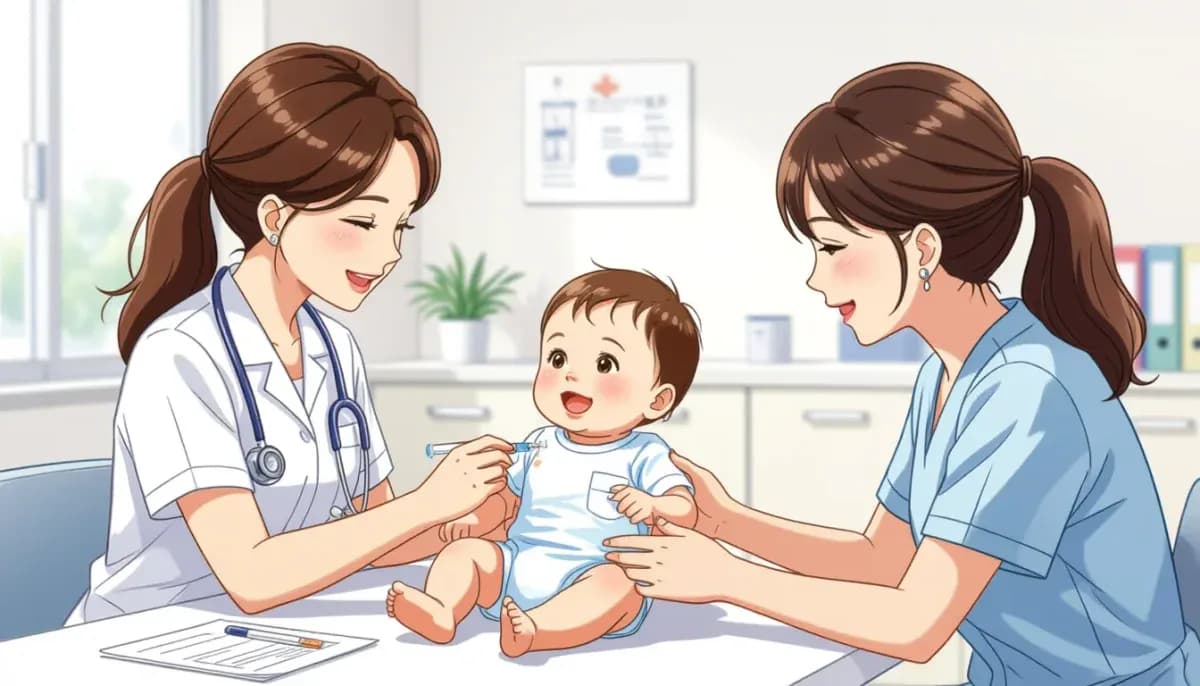
Complete guide to Japan's baby health checkup schedule for foreign parents — from 1-month to 3-year checkups. Learn what's free, what's required by law, and how to navigate the system as an expat.
Read more →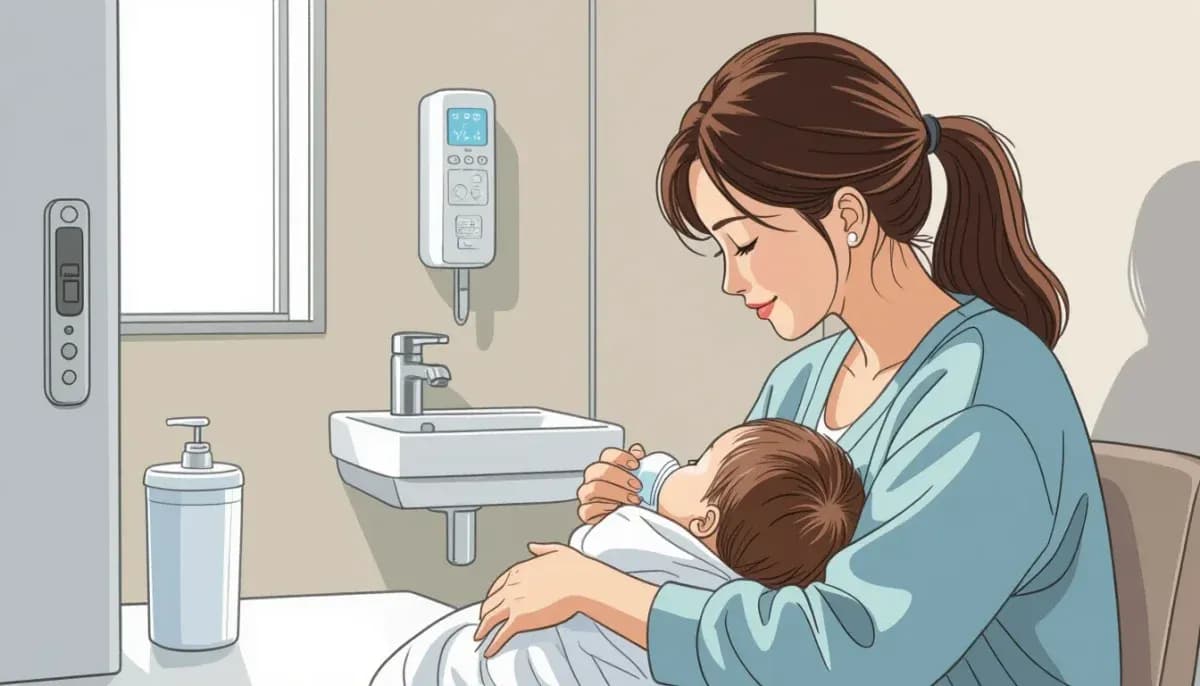
Complete guide to breastfeeding in Japan for foreign parents: nursing rooms, support groups, La Leche League, returning to work, and practical tips for expat mothers.
Read more →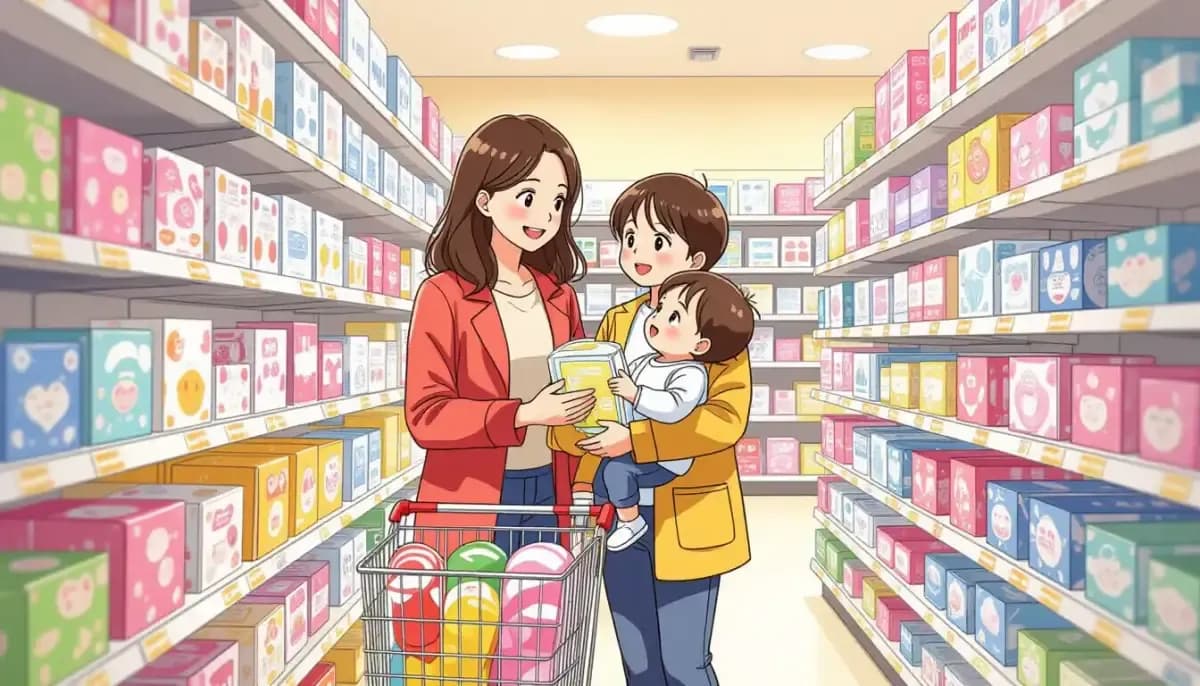
Find everything you need to know about essential baby products in Japan—top brands, store guides, diaper costs, clothing sizing, formula options, and money-saving tips for foreign parents.
Read more →