
Baby-Proofing Your Japanese Apartment

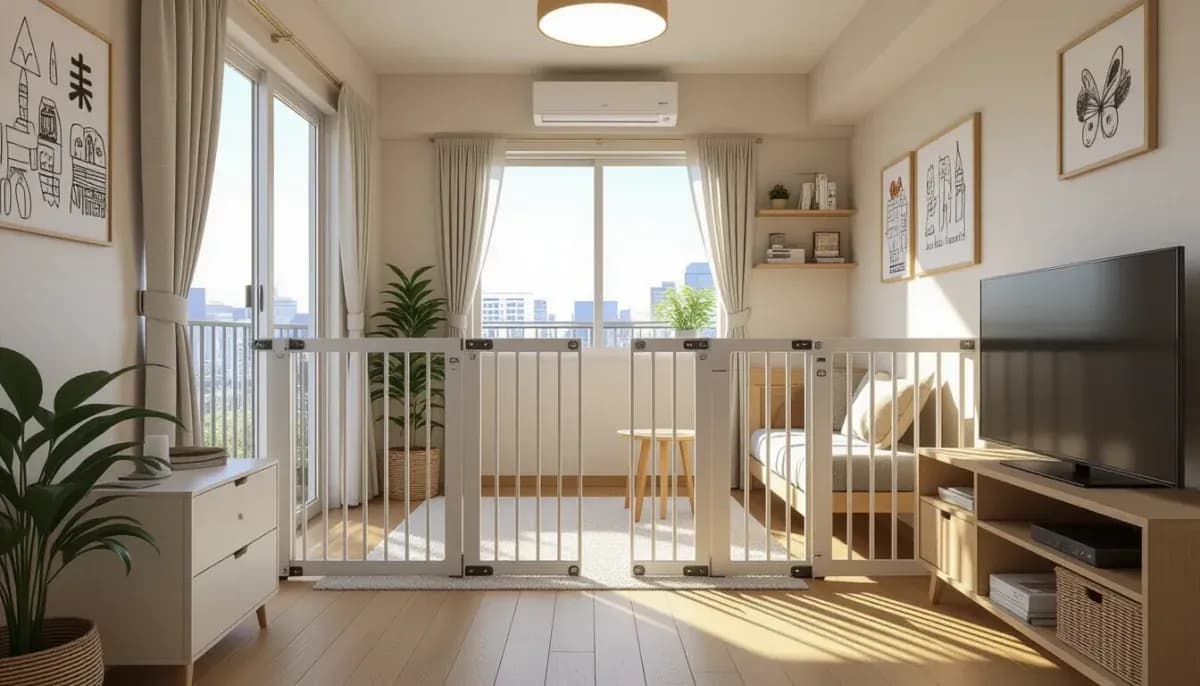
Learn how to baby-proof your Japanese apartment without damaging the property. Renter-friendly tips for foreign parents including products, room-by-room checklist, and earthquake safety.
Baby-Proofing Your Japanese Apartment: A Complete Guide for Foreign Parents
Welcoming a new baby into your Japanese apartment is an exciting milestone — but those compact, beautifully designed spaces come with hidden hazards for curious little ones. From polished wooden floors and sliding shoji screens to low furniture and exposed electrical outlets, a typical Japanese apartment requires thoughtful childproofing. The good news: you can make your home significantly safer without drilling holes, damaging walls, or violating your lease agreement.
According to Japan's National Institute of Technology and Evaluation (NITE), from 2019 to 2023, 73 incidents of children under age 6 sustained serious injuries — and over 70% of those accidents happened indoors. This guide walks you through practical, renter-friendly baby-proofing steps tailored specifically to Japanese apartments.
Understanding the Unique Challenges of Japanese Apartments
Japanese apartments differ from Western homes in several ways that affect how you baby-proof them.
Compact layouts: Most Japanese apartments, especially in Tokyo and Osaka, are small. LDKs (living-dining-kitchen) are often open-plan, meaning the kitchen is accessible from the living area — a major hazard zone for toddlers.
Traditional flooring: Tatami mats, polished wooden floors, and tile entryways (genkan) can all be slippery. Babies learning to walk on these surfaces are at higher risk of falls.
Sliding doors: Fusuma (paper sliding doors) and shoji screens can trap tiny fingers or be pushed open by curious babies.
Low furniture: Many Japanese homes feature floor-level sofas, futons, and low tables — which seems safe, but it means babies also have easy access to hot drinks on coffee tables and small objects left within reach.
No permanent fixtures: As a renter, you generally cannot drill into walls or install permanent fixtures. All baby-proofing solutions need to be adhesive, pressure-mounted, or temporary.
Understanding these specific challenges helps you focus your efforts where they matter most. For a broader overview of life as a foreign parent in Japan, see our guide to baby and infant care in Japan for foreign parents.
Essential Baby-Proofing Products and Where to Buy Them in Japan
Japan has an excellent selection of baby-safety products, available at major baby stores, home centers, and online. Here's what you need and where to find it:
| Product | Purpose | Where to Buy |
|---|---|---|
| Corner protectors (コーナーガード) | Cushion sharp furniture edges | Nitori, Tokyu Hands, Amazon Japan |
| Cabinet locks (引き出しロック) | Prevent access to dangerous cabinets | Akachan Honpo, Babies R Us, Rakuten |
| Safety gates (ベビーゲート) | Block stairs, kitchen entry | Akachan Honpo, Amazon Japan, IKEA |
| Outlet covers (コンセントカバー) | Cover unused electrical outlets | AEON, Lawson, convenience stores |
| Non-slip mats (滑り止めマット) | Prevent slipping on wood/tatami | Nitori, IKEA, Muji |
| Door stoppers (ドアストッパー) | Prevent finger-pinching | Daiso, Seria (100-yen stores) |
| Toilet locks (トイレロック) | Stop children opening toilet lid | Home centers, Amazon Japan |
| Furniture anchor straps (家具固定ベルト) | Earthquake and tip-over prevention | Nitori, Cainz, Amazon Japan |
| Window locks (窓ロック) | Prevent falls from windows | Daiso, Kohnan, Rakuten |
| Stove guard (コンロガード) | Block access to cooking area | Amazon Japan, baby specialty stores |
Budget tip: 100-yen stores like Daiso and Seria carry many basic safety items — door stoppers, outlet covers, and non-slip pads — for just ¥100–¥220 each. Start there before investing in more expensive specialized products.
For more on navigating family life in Japan, check out our housing and family-friendly neighborhoods guide.
Room-by-Room Baby-Proofing Checklist
Kitchen
The kitchen is arguably the most dangerous room for babies. In Japanese apartments, the kitchen is often not separated from the living area.
- Install a pressure-mounted safety gate at the kitchen entrance. These require no drilling and can be removed without leaving marks.
- Secure lower cabinet doors with adhesive cabinet locks. Keep cleaning products, sharp utensils, and plastic bags in locked cabinets.
- Move the rubbish bin out of reach or inside a locked cabinet — small objects in the trash are choking hazards.
- Use a stove guard (available at Amazon Japan) to prevent little hands from reaching up to hot pots.
- Unplug rice cookers and electric kettles after use and store them out of reach.
Living Room and Bedroom
- Apply corner protectors to all sharp furniture edges — coffee tables, shelves, TV stands, and drawer corners.
- Anchor bookshelves and tall furniture to the wall using furniture straps. This is especially important in Japan for earthquake safety. Even lightweight Japanese furniture can tip and cause serious injury.
- Secure the TV — flat-screen TVs on low TV stands are easily pulled over. Use furniture anchor straps or an anti-tip TV strap.
- Cover all unused outlets with outlet covers.
- Use non-slip mats under rugs and playmat areas, especially on wooden and tatami floors.
Bathroom
- Install a toilet lock to prevent children from lifting the lid and playing with water — a serious drowning risk even in shallow water.
- Never leave even a centimeter of standing water in the bathtub. Always drain it immediately after use.
- Store medications, cosmetics, and cleaning products in a locked cabinet or on a high shelf.
- Use a non-slip bath mat inside and outside the tub.
Genkan (Entryway)
- Keep shoes and bags off the floor — shoe closets (getabako) are standard in Japanese apartments and are great for keeping hazards out of reach.
- Watch for doors — the heavy front door of a Japanese apartment can trap fingers easily. Use foam door stoppers on the hinge side.
Japan-Specific Safety Concern: Earthquake-Proofing
One critical difference between baby-proofing in Japan versus other countries is earthquake preparedness. Japan experiences thousands of minor tremors every year, and even moderate earthquakes can topple unsecured furniture.
Here's what to prioritize:
- Anchor all tall furniture (bookshelves, wardrobes, chest of drawers) to the wall using L-brackets or anti-tipping straps. These can be installed without major drilling using furniture anchor kits (家具転倒防止グッズ) from Nitori or Cainz.
- Secure the TV to the stand and the stand to the floor if possible.
- Use non-slip mats under furniture feet.
- Avoid placing heavy items on high shelves in areas where your baby crawls or plays.
- Keep a clear escape path — don't block hallways with baby gear.
The H&R Japan resource on child-proofing your home in Japan without damaging property offers detailed renter-friendly guidance on securing furniture safely.
Living in Japan also means your home environment and parenting context differ from your home country. For support with the broader experience, Living in Nihon offers practical guides for foreigners navigating daily life in Japan.
Renter-Friendly Baby-Proofing: Keeping Your Security Deposit
One of the biggest worries for foreign parents renting in Japan is the security deposit. Japanese landlords can be strict about wall damage, and nakatachi (middlemen/property managers) will often charge significant fees for any holes, marks, or adhesive residue left behind.
Follow these principles to baby-proof without jeopardizing your deposit:
Use only removable adhesive products: Look for products labeled 跡が残らない (no residue) or 賃貸OK (rental OK) when shopping at Japanese baby stores.
Pressure-mounted gates instead of wall-mounted: Pressure-mounted safety gates (突っ張りタイプ) use tension against doorframes and walls without screws. They're widely available and equally effective for most doorways.
Test adhesives before full application: Apply corner protectors or cabinet locks to an inconspicuous spot first to confirm they don't damage the surface.
Keep all packaging: When you move out, removing items and restoring the apartment is easier with original packaging.
Document everything: Take photos of your apartment before installing any baby-proofing items, so you have proof of the original condition.
For guidance on renting as a foreigner in Japan more broadly, For Work in Japan has resources on navigating Japanese housing systems as a non-Japanese resident.
When to Start and How to Update Your Baby-Proofing
Baby-proofing isn't a one-time task — it needs to evolve as your child grows.
0–6 months: Focus on the basics — outlet covers, furniture anchors for earthquake safety, and non-slip mats. Your baby isn't mobile yet, but now is the time to establish habits.
6–12 months: Install safety gates and cabinet locks before your baby starts crawling. This stage comes quickly. Add corner protectors and secure all TV and shelf furniture.
1–2 years (toddler): Re-evaluate everything. Toddlers can climb, open doors, and reach higher than you expect. Add door handle covers, check that windows are locked, and reassess kitchen safety.
2–3 years: Focus on behavioral safety alongside physical barriers — teach your child about hot surfaces, stairs, and water dangers.
As your family grows and your child's needs change, your understanding of Japanese parenting expectations will also deepen. Read more in our guide to toddler parenting in Japan for ages 1 to 3.
For information on Japanese child safety standards and reported incidents, the National Consumer Affairs Center of Japan publishes consumer safety alerts covering common hazards for young children. You can also review statistics and safety guidance from the Japan Times coverage of indoor child accidents.
Additional support for expat families living in Japan can be found at 中高受験ガイド (Chuukou Benkyou), which covers education and family life topics for those raising children in Japan.
Quick Reference: Baby-Proofing Priority List
Starting from scratch? Here's what to prioritize in order:
- Furniture anchors (earthquake safety — do this first)
- Safety gates for kitchen and stairs
- Outlet covers throughout the apartment
- Cabinet locks in kitchen and bathroom
- Corner protectors on all sharp furniture edges
- Non-slip mats on polished floors and tatami
- Toilet lock in bathroom
- Window locks on all accessible windows
- Door stoppers on heavy doors
- Stove guard in kitchen
For a broader picture of raising children in Japan as a foreign parent — including healthcare, education, and legal considerations — explore our complete guide to baby and infant care for foreign parents in Japan and our resource on healthcare and medical care for children in Japan.
Baby-proofing your Japanese apartment doesn't have to be expensive or complicated. With the right renter-friendly products and a systematic approach room by room, you can create a safe, nurturing environment for your baby — all while keeping your landlord happy and your security deposit intact.

Originally from Vietnam, living in Japan for 16+ years. Graduated from Nagoya University, with 11 years of professional experience at Japanese and international companies. Sharing practical information for foreign parents raising children in Japan.
View Profile →Related Articles
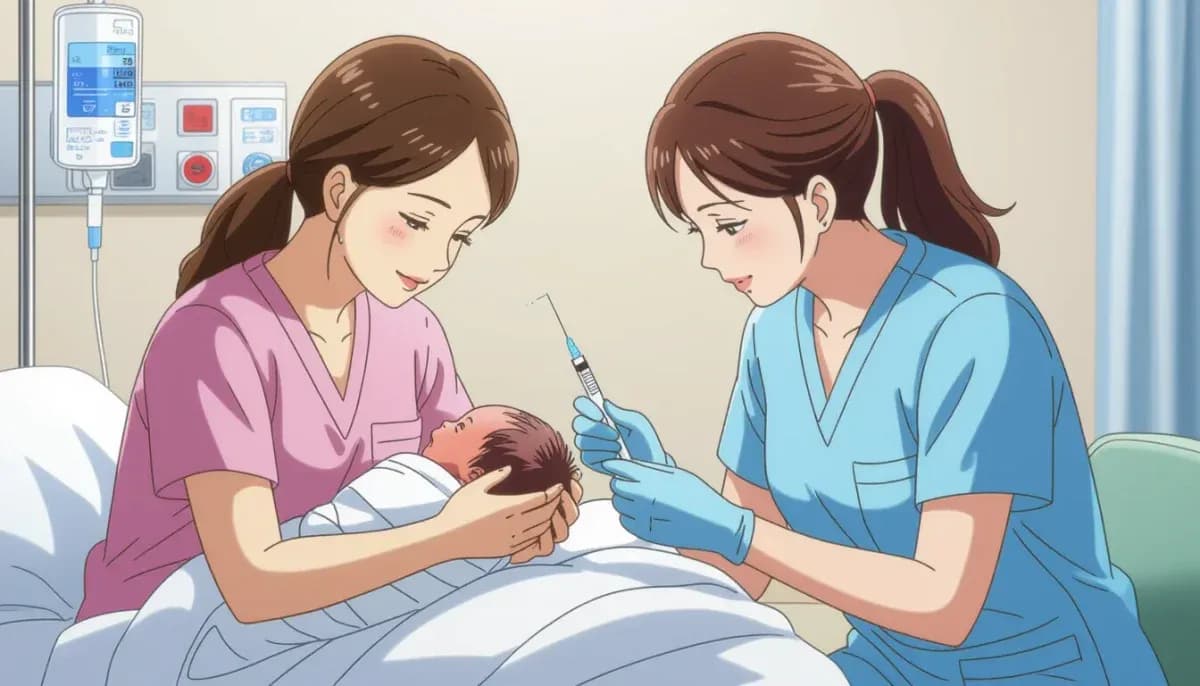
Newborn Care Tips for First-Time Parents in Japan
Complete guide to newborn care in Japan for foreign parents: hospital stays, Boshi Techo handbook, free vaccinations, health checkups, breastfeeding tips, and postpartum support programs.
Read more →
Baby Swimming and Early Activities in Japan
Complete guide to baby swimming lessons and early activities in Japan for foreign parents. Enrollment tips, costs, English options, and top swim schools explained.
Read more →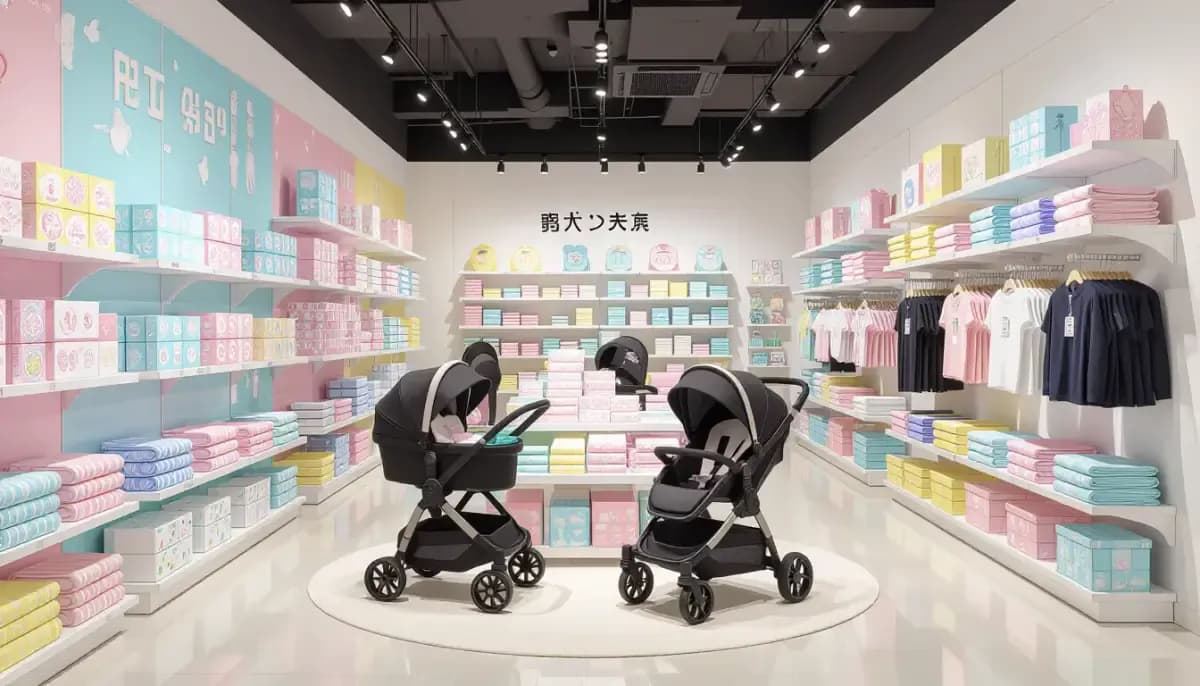
Popular Baby Brands and Stores in Japan
Discover the most popular baby brands and stores in Japan, from Akachan Honpo and Nishimatsuya to Japanese brands like Pigeon, Combi, and Miki House. Complete guide for expat parents shopping for baby products in Japan.
Read more →
Baby Clothing: Seasons, Sizing, and Shopping in Japan
Complete guide to baby clothing in Japan for foreign parents. Learn how Japanese sizing works (cm-based), what to buy each season, and where to shop from budget to premium stores like Nishimatsuya and Miki House.
Read more →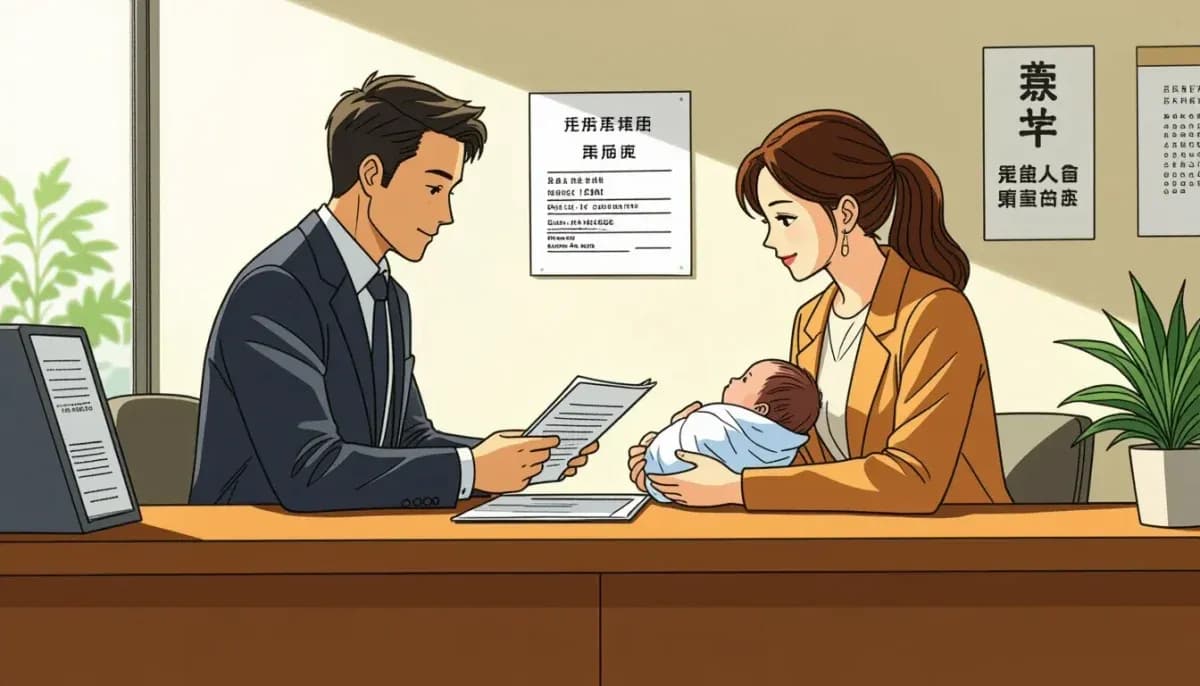
Registering Your Newborn at City Hall in Japan
A complete guide for foreign parents on registering a newborn at city hall in Japan. Learn about the 14-day deadline, required documents, child allowance, and immigration procedures.
Read more →
Baby-Friendly Facilities and Nursing Rooms in Japan
Complete guide to nursing rooms and baby-friendly facilities in Japan for foreign parents. Where to find them, what to expect, useful apps like Mama Papa Map, and practical tips for getting around with a baby.
Read more →