
Baby Clothing: Seasons, Sizing, and Shopping in Japan

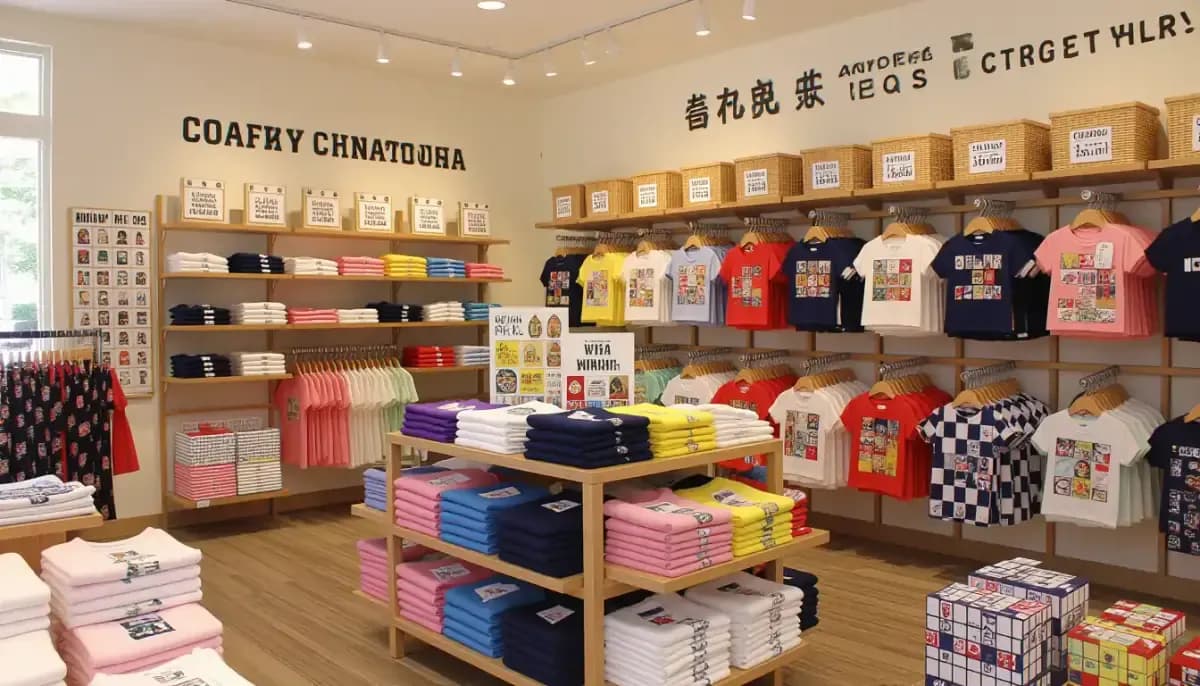
Complete guide to baby clothing in Japan for foreign parents. Learn how Japanese sizing works (cm-based), what to buy each season, and where to shop from budget to premium stores like Nishimatsuya and Miki House.
Baby Clothing: Seasons, Sizing, and Shopping in Japan
Shopping for baby clothes in Japan can feel overwhelming when you first arrive. The sizing system is completely different from what most Western parents are used to, the seasons demand very different wardrobes, and the sheer variety of stores — from budget chains to premium department stores — can leave you unsure where to start. The good news is that Japan has some of the best baby clothing options in the world, once you know how to navigate the system.
This guide covers everything foreign parents need to know about dressing their baby in Japan: how Japanese sizing works, what to buy for each season, which stores to shop at, and practical tips for getting the best value.
Understanding Japanese Baby Clothing Sizes
The biggest adjustment for foreign parents is Japan's sizing system. In most Western countries, baby clothes are labeled by age (0–3 months, 6–12 months, etc.). In Japan, clothes are sized by the child's height in centimeters. Once you know your baby's height, finding the right size becomes straightforward.
Here is the standard Japanese baby and children's clothing size chart:
| Japanese Size | Approximate Age | Height Range |
|---|---|---|
| 50 | Newborn | Up to 50 cm |
| 60 | ~3 months | 55–65 cm |
| 70 | ~6 months | 65–75 cm |
| 80 | ~1 year | 75–85 cm |
| 90 | ~2 years | 85–95 cm |
| 95 | ~3 years | 90–100 cm |
| 100 | 3–4 years | 95–105 cm |
| 110 | 5–6 years | 105–115 cm |
| 120 | 7–8 years | 115–125 cm |
Important note for Western parents: Western brands sold in Japan (H&M, Gap, Zara) sometimes run larger than Japanese equivalents at the same label size. A Japanese size 80 may fit a child that a Western brand labels 12–18 months. Always check your child's actual height and weight before buying, and when in doubt, size up to allow for growth.
For more practical tips on adjusting to daily life in Japan as a foreigner, see our guide on Baby and Infant Care in Japan.
Dressing Your Baby for Each Season in Japan
Japan has four distinct seasons, each requiring a different approach to baby dressing. The transitions between seasons — particularly from spring to rainy season and from summer to autumn — can be abrupt, so having a flexible layered wardrobe is key.
Spring (March–May)
Spring in Japan is mild but unpredictable. Temperatures range from around 10°C in March to 25°C by late May. Layering is essential: a light long-sleeved onesie under a cardigan or zip-up fleece works well for most days.
Spring is also the season of ceremonies. Graduation ceremonies (卒業式, sotsugyoushiki) happen in March, and entrance ceremonies (入学式, nyuugakushiki) in April. While this mainly applies to older children, if you have toddlers in yochien or hoikuen, you may need smart, formal outfits. Japanese convention calls for dark, muted tones — navy, black, beige, or grey — for these occasions.
See our guide on Daycare and Hoikuen in Japan for more on what to expect at nursery ceremonies.
Rainy Season and Summer (June–September)
Japanese summers are intensely hot and humid. Tokyo, for example, regularly sees temperatures above 35°C with humidity over 80% in July and August. For babies and toddlers, overheating is a real risk.
Key summer dressing principles:
- Single layer only — one thin, breathable garment is enough indoors
- Cotton and Airism — Uniqlo's Airism fabric is excellent for Japanese summer; it wicks moisture and dries quickly
- Loose fit — Japanese baby brands tend toward looser cuts that allow airflow
- Sun protection — UV-protective hats and rash guards are widely available and important for outdoor time
During the rainy season (tsuyu, typically mid-June to mid-July), waterproof layers and rain ponchos are useful. Japanese stores sell child-sized rain ponchos large enough to cover a backpack, which are popular for daycare pickups.
Autumn (October–November)
Autumn is similar to spring — comfortable temperatures and gradual cooling. A versatile wardrobe of layered pieces works well. Long-sleeved onesies, light sweaters, and a windproof outer layer cover most conditions. Japanese parents begin transitioning to warmer fabrics in October.
Winter (December–February)
Japanese winters vary greatly by region. Tokyo winters are dry and cold (0–10°C), while northern regions like Hokkaido can see temperatures well below zero with heavy snowfall.
The standard rule for dressing babies in winter: one more layer than you need. Babies cannot regulate their body temperature as efficiently as adults, so they chill faster. A layered approach works best:
- Base layer — Uniqlo HeatTech or a thin cotton long-sleeved onesie
- Mid layer — Fleece onesie or pajama-style outfit
- Outer layer — Padded jacket or snowsuit for outdoor time
Protect the three critical warmth points: head, hands, and feet. Japanese pharmacies and baby stores stock excellent hats, mittens, and booties. Remember to remove outer layers indoors — Japanese buildings, trains, and shopping centers are well-heated, and an overdressed baby will overheat quickly.
Unique Japanese Baby Clothing Items
Japanese baby clothing includes some items that may be unfamiliar to foreign parents but are genuinely useful:
Tan hadagi (タン肌着) and conbi hadagi (コンビ肌着): These are Japanese-style base layer garments for newborns and young infants. They fasten with side ties or snaps rather than over-the-head openings, making dressing a wriggly newborn much easier. Many have open bottoms for quick diaper access in the early weeks. They are designed specifically for temperature regulation and are a staple in Japanese hospitals and nurseries.
Rompers and all-in-ones (カバーオール, cover-all): Japan has an enormous selection of cover-all style onesies for babies. These full-body garments are available in light cotton for summer, padded fleece for winter, and everything in between. The quality from Japanese brands tends to be excellent.
Okurumi (おくるみ / swaddle blankets): Japanese swaddle blankets are typically large, double-gauze cotton squares used for swaddling, carrying, and as a nursing cover. They are available everywhere and make excellent gifts.
Where to Shop for Baby Clothes in Japan
Japan offers a wide range of baby clothing retailers at every price point:
Budget Stores
Nishimatsuya (西松屋): With over 1,100 stores nationwide (every prefecture), Nishimatsuya is the go-to budget baby store in Japan. It carries baby clothes from newborn through elementary school age, along with gear, toys, and baby products. The store's own SmartAngel brand offers excellent value. Download the Nishimatsuya app to earn points and access coupons.
Akachan Honpo (アカチャンホンポ): Around 127 stores nationwide, usually located inside large shopping centers (イオンモール, etc.). Akachan Honpo carries a broader range than Nishimatsuya, including mid-range and premium Japanese brands alongside budget options. Good for one-stop shopping.
Uniqlo (ユニクロ): Not exclusively a baby store, but Uniqlo's Baby (50–90cm) and Kids lines are outstanding for quality basics. HeatTech and Airism in baby sizes are particularly popular with expat parents for their year-round utility.
Mid-Range and Online
ZARA Kids / H&M Kids: International brands with Japan locations. Sizing runs larger than Japanese brands; good for character prints and Western-style cuts. Prices are similar to home countries.
Mercari (メルカリ): Japan's largest secondhand marketplace. You can find detailed advice on kids' secondhand shopping at Savvy Tokyo's children's clothing guide. Baby clothes in excellent condition sell very quickly (babies outgrow clothes fast), and you can find premium Japanese brand items at a fraction of retail price. The app is available in English.
Amazon Japan: Full range of Japanese and international baby clothing brands with next-day delivery. For size guidance, City-Cost's kids clothing size breakdown is a helpful reference. Useful for specific items you can't find locally.
Premium Stores
Department stores (Isetan, Takashimaya, Sogo) carry premium Japanese children's brands:
- Miki House (ミキハウス): Japan's most recognized premium baby/kids brand. High quality, bright designs, excellent durability.
- mezzo piano (メゾ ピアノ): Upscale children's fashion, popular for gifts and formal occasions.
- Familiar (ファミリア): Established Japanese kids brand known for classic designs and quality fabrics.
For a broader overview of shopping and consumer life in Japan, see Living in Nihon's shopping guide.
Practical Tips for Foreign Parents
Measure in centimeters. Buy a soft measuring tape and measure your baby's height at home before going shopping. This single habit makes Japanese sizing completely manageable.
Buy ahead, but not too far ahead. Japanese baby clothes are priced to be replaced frequently as children grow. Rather than stocking up on multiple sizes, buy one size up from your child's current measurements. You'll find the next size easily when the time comes.
Check the season timing. Japanese stores operate on a strict seasonal schedule: winter stock arrives in October, summer stock in April. If you need cold-weather items in November, stores may already be transitioning. Shopping slightly ahead of season gives you the best selection.
Second-hand is excellent value. Japanese parents take extremely good care of baby items. Secondhand baby clothes from Mercari or local flea markets are often in near-new condition at 20–50% of retail price.
Formal wear for ceremonies. If your child attends hoikuen, yochien, or elementary school, keep one smart outfit ready in muted tones for seasonal ceremonies. These occasions are taken seriously in Japan, and turning up in casual clothes will stand out. See our Kindergarten in Japan guide for more on ceremony expectations.
Language at stores. Most Japanese baby store staff will not speak English, but pointing to your baby and showing a measuring tape gets the message across. Size labels are numerical (50, 60, 70, etc.) so no Japanese reading is needed to shop by size.
For more on raising children in Japan as a foreign family, the team at For Work in Japan has useful resources on family life for expats, and Chuukou Benkyou provides guidance on navigating Japanese systems with children.
Key Takeaways
Dressing your baby in Japan becomes easy once you understand two things: sizes are in centimeters, and seasons drive what you need. Japan's baby clothing market is well-developed, competitively priced at the budget end, and exceptionally high-quality at the premium end. Nishimatsuya and Akachan Honpo cover most everyday needs, Uniqlo handles basics brilliantly, and for special occasions or gifts, Miki House and department store brands deliver. Use Mercari to stretch your budget and find premium items secondhand.
The seasonal clothing needs align with Japan's four distinct seasons — layered flexibility for spring and autumn, breathable minimalism for hot humid summers, and warm layering with attention to core warmth points in winter. Keep a thermometer at home and dress your baby one layer warmer than yourself, and you'll navigate Japanese baby clothing with confidence.
For more guidance on life with a baby in Japan, explore our articles on toddler parenting in Japan and healthcare for children in Japan.

Originally from Vietnam, living in Japan for 16+ years. Graduated from Nagoya University, with 11 years of professional experience at Japanese and international companies. Sharing practical information for foreign parents raising children in Japan.
View Profile →Related Articles
Newborn Care Tips for First-Time Parents in Japan
Complete guide to newborn care in Japan for foreign parents: hospital stays, Boshi Techo handbook, free vaccinations, health checkups, breastfeeding tips, and postpartum support programs.
Read more →
Baby Swimming and Early Activities in Japan
Complete guide to baby swimming lessons and early activities in Japan for foreign parents. Enrollment tips, costs, English options, and top swim schools explained.
Read more →
Popular Baby Brands and Stores in Japan
Discover the most popular baby brands and stores in Japan, from Akachan Honpo and Nishimatsuya to Japanese brands like Pigeon, Combi, and Miki House. Complete guide for expat parents shopping for baby products in Japan.
Read more →
Registering Your Newborn at City Hall in Japan
A complete guide for foreign parents on registering a newborn at city hall in Japan. Learn about the 14-day deadline, required documents, child allowance, and immigration procedures.
Read more →
Baby-Friendly Facilities and Nursing Rooms in Japan
Complete guide to nursing rooms and baby-friendly facilities in Japan for foreign parents. Where to find them, what to expect, useful apps like Mama Papa Map, and practical tips for getting around with a baby.
Read more →
Baby-Proofing Your Japanese Apartment
Learn how to baby-proof your Japanese apartment without damaging the property. Renter-friendly tips for foreign parents including products, room-by-room checklist, and earthquake safety.
Read more →