
Baby Swimming and Early Activities in Japan

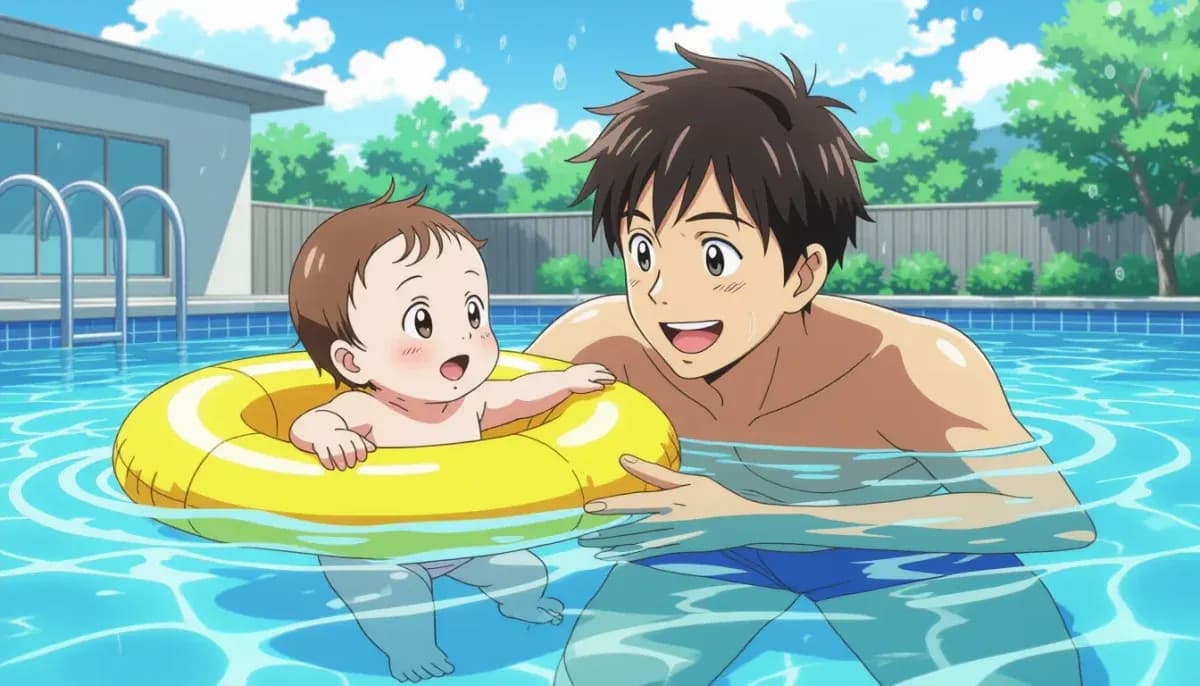
Complete guide to baby swimming lessons and early activities in Japan for foreign parents. Enrollment tips, costs, English options, and top swim schools explained.
Baby Swimming and Early Activities in Japan: A Complete Guide for Foreign Parents
If you're raising a baby or toddler in Japan, you'll quickly discover that Japanese parents are enthusiastic about enrolling their little ones in structured activities from an early age. From baby swimming classes to music sessions and playgroups, Japan offers a rich ecosystem of early childhood programs. This guide walks you through everything foreign parents need to know about baby swimming and other early activities in Japan — including how to enroll, what to expect, costs, and English-friendly options.
Why Japanese Parents Start Activities So Early
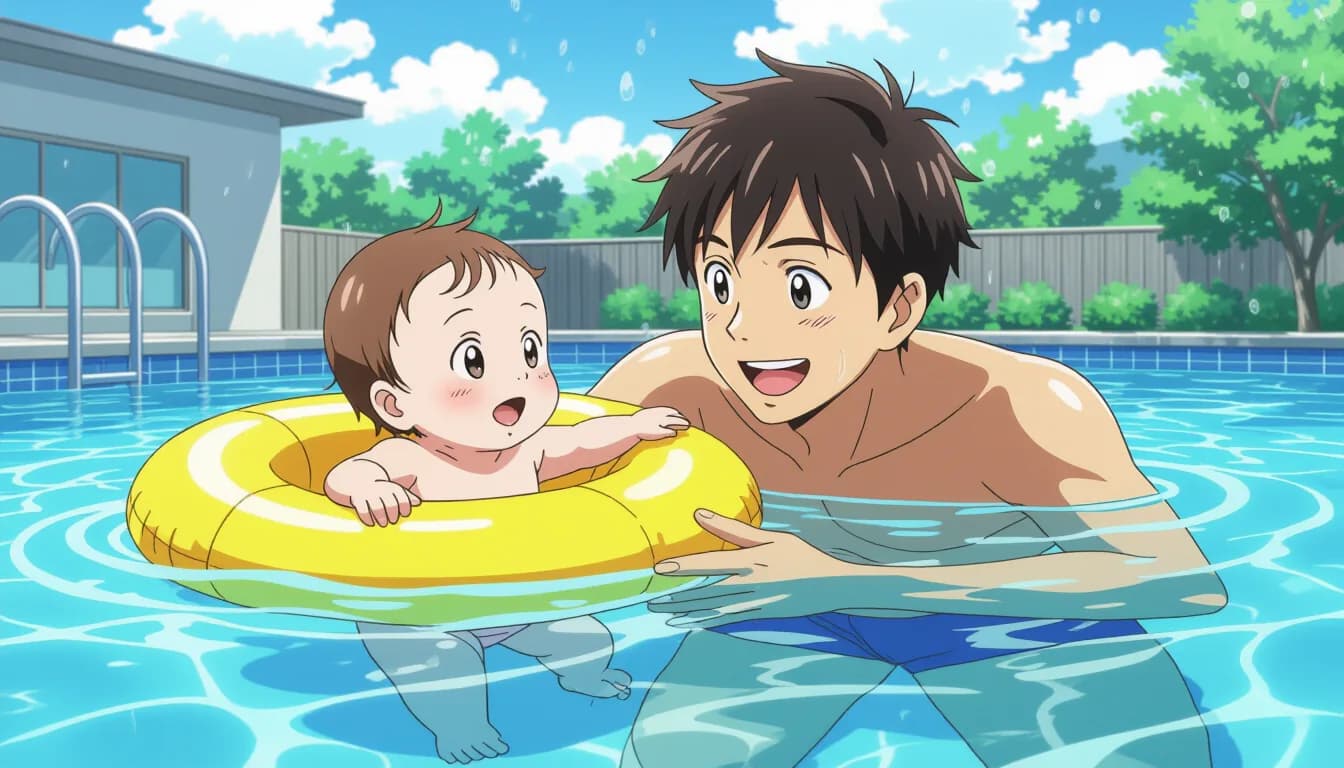
In Japan, structured children's activities are called naraigoto (習い事), and the culture of enrolling children young is deeply embedded in parenting philosophy. Japanese parents broadly believe that early exposure to water, music, and social environments builds a strong foundation for development.
According to survey data from Nippon.com, swimming is Japan's #1 extracurricular activity, chosen by 38% of parents and ranking first for four consecutive years since 2017. Less than 30% of children up to age 3 are enrolled in any structured activity class, but this rises sharply to 40% for 4-year-olds and over 60% for 5-year-olds.
For foreign parents, joining these programs can seem daunting at first — most communications are in Japanese, enrollment paperwork can be complex, and the cultural norms may feel unfamiliar. But with the right preparation, these activities are absolutely accessible to expat families.
Baby Swimming in Japan: What You Need to Know
History and Growth of Baby Swimming
Baby swimming in Japan began gaining traction in the 1980s, initially limited to private or exclusive club pools. By the early 1990s, it expanded nationally and became accessible to families across the country. The numbers tell the story clearly: according to the Baby Swimming Association, participation grew from just 2,200 babies in 1992 to over 80,000 by 2019.
The Japanese government has actively supported baby swimming through safety regulations, instructor certification requirements (including mandatory infant CPR training), and funded research on developmental benefits.
Benefits of Baby Swimming
Research strongly supports the value of early water activities. A large-scale study from the Japan Environment and Children's Study (JECS), involving over 100,000 mother-child pairs, found that swimming before age 3 significantly contributes to motor competence development. Benefits include:
- Physical development: Builds muscle strength, cardiovascular function, and coordination
- Water safety: Instills comfort and safety awareness around water from infancy
- Cognitive stimulation: Multi-sensory aquatic environment promotes brain development
- Parent-child bonding: Classes are designed as joint activities, strengthening the parent-child relationship
- Social skills: Group classes introduce babies to social environments early
Age Requirements and Class Structure
Most Japanese baby swimming programs accept children from 6 months to 3 years old. Classes typically run 40–60 minutes, once or twice per week. Sessions include:
- Water acclimation through songs and gentle splashing
- Parent-child movement activities in the water
- Gradual submersion practice to reduce water anxiety
- Recreational play with pool toys, slides, and colored balls
Parents (or guardians — fathers, grandparents, and other caregivers are welcome) participate alongside their babies throughout every session.
How to Enroll in a Baby Swimming School in Japan
Major Swim School Chains
Several large chains operate baby swimming programs across Japan:
| School | Ages | Session Length | Monthly Cost | English Support |
|---|---|---|---|---|
| Central Sports | 6 months – 3 years | 40–60 min | ¥6,000–¥10,000 | Limited (auto-translation) |
| Swimmy (Tokyo) | 3 months+ | 30 min | ¥20,000 (private) | Yes (English lessons) |
| Tokyo Swimming Center | 6 months+ | 45–60 min | ¥5,000–¥9,000 | Limited |
| Tokyo American Club | 3 months – 1 year | 30–45 min | Members only | Yes (English) |
| Konami Sports | 6 months – 3 years | 45 min | ¥6,500–¥11,000 | Limited |
Central Sports is one of the most accessible nationwide chains, with locations across Japan. Their baby swim program has a detailed English website section. Swimmy offers English-language private swimming lessons in Tokyo, making it an excellent choice for non-Japanese-speaking parents.
Enrollment Documents Required
For most Japanese swim schools (particularly chains like Central Sports), you'll need:
- Bank passbook and registered seal (hanko) from a designated financial institution — for automatic monthly payment
- Joining fee (typically ¥3,000–¥10,000 one-time)
- Two months' membership dues paid upfront
- Membership card issuance fee
- Mother-child health notebook (boshi techo) — issued by your local ward office, this is a key document for all baby activities in Japan
Most schools also require proof of age (health insurance card or birth certificate copy).
What to Bring to Classes
- Membership card
- Swim diaper (suiei omutsu — essential for any baby in a pool)
- Baby swimsuit
- Swimming cap (required at most facilities)
- Towel and changing supplies
English-Friendly Baby Swimming Options
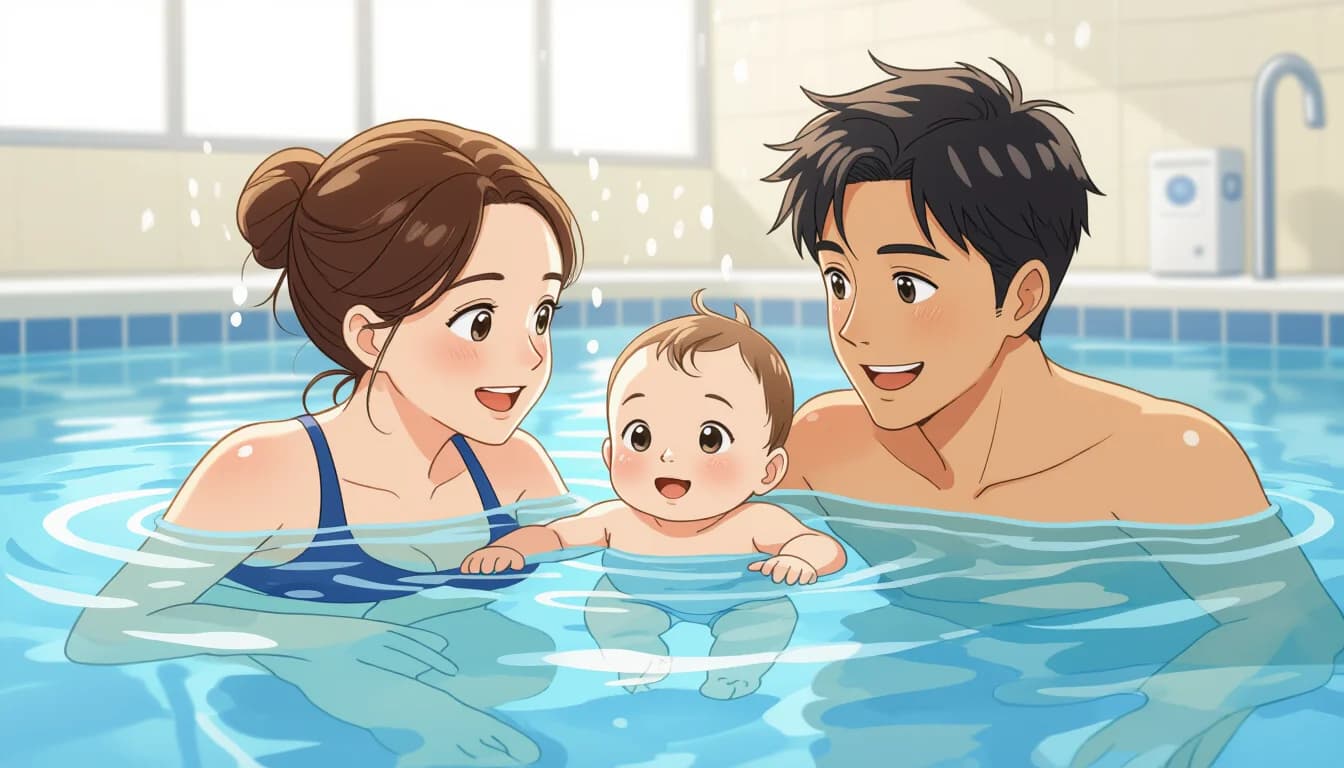
If navigating Japanese-language programs feels overwhelming, these options offer English support:
- Swimmy Tokyo (swimmy-ss.com/english): Private English lessons available for babies and children, ¥20,000/month for 4 sessions
- Tokyo American Club: Sky Pool offers certified baby swim instructors for ages 3 months+, English spoken
- YMCA Japan: Some locations offer family swimming programs with staff who speak basic English
- International community pools: Larger cities often have expat community organizations running English-speaking parent-baby swim groups
For a broader overview of raising children in Japan as a foreigner, including navigating Japanese institutions, check out this comprehensive guide: The Complete Guide to Raising Children and Education in Japan.
Other Popular Early Activities for Babies and Toddlers in Japan
Baby swimming may be king, but it's far from the only option. Here are other popular early activities for infants and toddlers in Japan:
Music Classes (音楽教室)
Music programs like Yamaha Music School and Kawai Music offer parent-child music classes for babies as young as 0–2 years. These sessions focus on rhythm, singing, and sensory exploration through sound. Monthly costs typically range from ¥5,000–¥8,000.
English Conversation Classes
With Japan's increasing emphasis on English education, parent-baby English classes are widely available. Programs use songs, games, and interactive play to introduce a second language from infancy. Many international brands (like ECC Junior or Kids Duo) operate nationwide.
Baby Gym / Movement Classes
Programs like Gymboree (where available) and local community center classes offer structured movement play for babies and toddlers, focusing on gross motor development.
Community Center Programs (公民館)
Local government community centers (kominkan) often run free or low-cost parent-baby activity programs. These can include:
- Morning playgroups
- Singing and reading circles
- Parent support groups
These programs are excellent for meeting other local parents and integrating into your neighborhood community. Contact your local city or ward office for schedules.
Splash Pads and Outdoor Water Play
During summer (July–August), many Tokyo and suburban parks open splash pad areas (jャブジャブ池, jabujabu ike) — shallow water play areas perfect for toddlers. These are free or very low cost and great for water acclimation before enrolling in formal swim lessons.
For more information on family life for expats in Japan, see Family Life in Japan: A Complete Guide for Foreigners.
Tips for Foreign Parents Navigating Japanese Activity Culture
- Start with a trial lesson (taiken lesson, 体験レッスン): Almost all schools offer a one-time trial class (¥500–¥2,000) before you commit to membership. This is the standard way to evaluate fit.
- Bring your hanko: A registered seal is required for most enrollment paperwork in Japan. If you haven't registered one yet, do so at your local ward office.
- Download the mother-child notebook translation: The boshi techo is used by schools to verify your baby's health and vaccination records. Some ward offices provide English translations; otherwise, apps like Google Translate camera mode work well.
- Join expat parenting communities: Facebook groups like "Tokyo Expat Parents" and apps like Meetup often have recommendations for English-friendly programs and informal playgroups.
- Understand the payment system: Most schools use jidou furikae (自動振替), automatic bank transfer. You'll need a Japanese bank account set up before enrollment.
- Be prepared for waiting lists: Popular swim schools in urban areas often have waiting lists. Apply early, especially for April enrollment (the start of Japan's academic year).
For more on caring for a baby in Japan as a foreign parent — including healthcare, vaccinations, and navigating the boshi techo — see our guide: Baby and Infant Care in Japan: A Guide for Foreign Parents.
You may also find it helpful to read about Daycare and Hoikuen in Japan as your baby gets older and transitions from activity programs into more formal childcare settings.
Summary: Getting Started with Baby Activities in Japan
Baby swimming and early activities in Japan are well-organized, safety-focused, and genuinely beneficial for infant development. While the language barrier and administrative requirements can feel daunting at first, options for English-speaking families exist in most major cities, and the cultural openness to foreign families at activity programs is generally welcoming.
| Activity | Best Starting Age | Approx. Monthly Cost | English Options |
|---|---|---|---|
| Baby Swimming | 6 months | ¥6,000–¥20,000 | Swimmy, TAC |
| Music (Yamaha/Kawai) | 0–2 years | ¥5,000–¥8,000 | Limited |
| English Conversation | 0+ | ¥5,000–¥15,000 | Yes (designed for English) |
| Community Playgroup | 0+ | Free–¥1,000 | Varies |
| Baby Gym | 3 months+ | ¥5,000–¥10,000 | Some |
For deeper research into Japan's baby swimming programs, Baby Swim Info is an excellent English-language resource. For a broader look at children's activities and education in Japan, Real Life Japan's extracurricular guide offers solid practical insights.
If you're still in the early stages of settling in Japan with your family, be sure to explore resources for Family Life in Japan and Raising Children and Education in Japan to build a strong foundation for your expat parenting journey. For study and education resources beyond early childhood, Chuukou Benkyou covers Japan's middle and high school educational pathways in depth.

Originally from Vietnam, living in Japan for 16+ years. Graduated from Nagoya University, with 11 years of professional experience at Japanese and international companies. Sharing practical information for foreign parents raising children in Japan.
View Profile →Related Articles
Newborn Care Tips for First-Time Parents in Japan
Complete guide to newborn care in Japan for foreign parents: hospital stays, Boshi Techo handbook, free vaccinations, health checkups, breastfeeding tips, and postpartum support programs.
Read more →
Popular Baby Brands and Stores in Japan
Discover the most popular baby brands and stores in Japan, from Akachan Honpo and Nishimatsuya to Japanese brands like Pigeon, Combi, and Miki House. Complete guide for expat parents shopping for baby products in Japan.
Read more →
Baby Clothing: Seasons, Sizing, and Shopping in Japan
Complete guide to baby clothing in Japan for foreign parents. Learn how Japanese sizing works (cm-based), what to buy each season, and where to shop from budget to premium stores like Nishimatsuya and Miki House.
Read more →
Registering Your Newborn at City Hall in Japan
A complete guide for foreign parents on registering a newborn at city hall in Japan. Learn about the 14-day deadline, required documents, child allowance, and immigration procedures.
Read more →
Baby-Friendly Facilities and Nursing Rooms in Japan
Complete guide to nursing rooms and baby-friendly facilities in Japan for foreign parents. Where to find them, what to expect, useful apps like Mama Papa Map, and practical tips for getting around with a baby.
Read more →
Baby-Proofing Your Japanese Apartment
Learn how to baby-proof your Japanese apartment without damaging the property. Renter-friendly tips for foreign parents including products, room-by-room checklist, and earthquake safety.
Read more →