
Elementary School Graduation Ceremony in Japan
Everything foreign parents need to know about Japan's elementary school graduation ceremony (sotsugyo-shiki): ceremony format, dress code, songs, traditions, and tips for expats.
Read more →
Everything foreign parents need to know about elementary school in Japan: enrollment steps, school costs, language support, school culture, and tips for helping your child adapt.
Sending your child to elementary school in Japan is a milestone moment — and for foreign parents, it can also feel overwhelming. The Japanese public school system is highly structured, with its own customs, expectations, and language requirements that differ vastly from schools in other countries. The good news is that Japan's public elementary schools are open to all children living in Japan, regardless of nationality, and they offer a high-quality, well-rounded education.
This comprehensive guide walks you through everything you need to know: how to enroll your child, what daily school life looks like, how to handle language challenges, what costs to expect, and how to support your child throughout their elementary school journey in Japan.
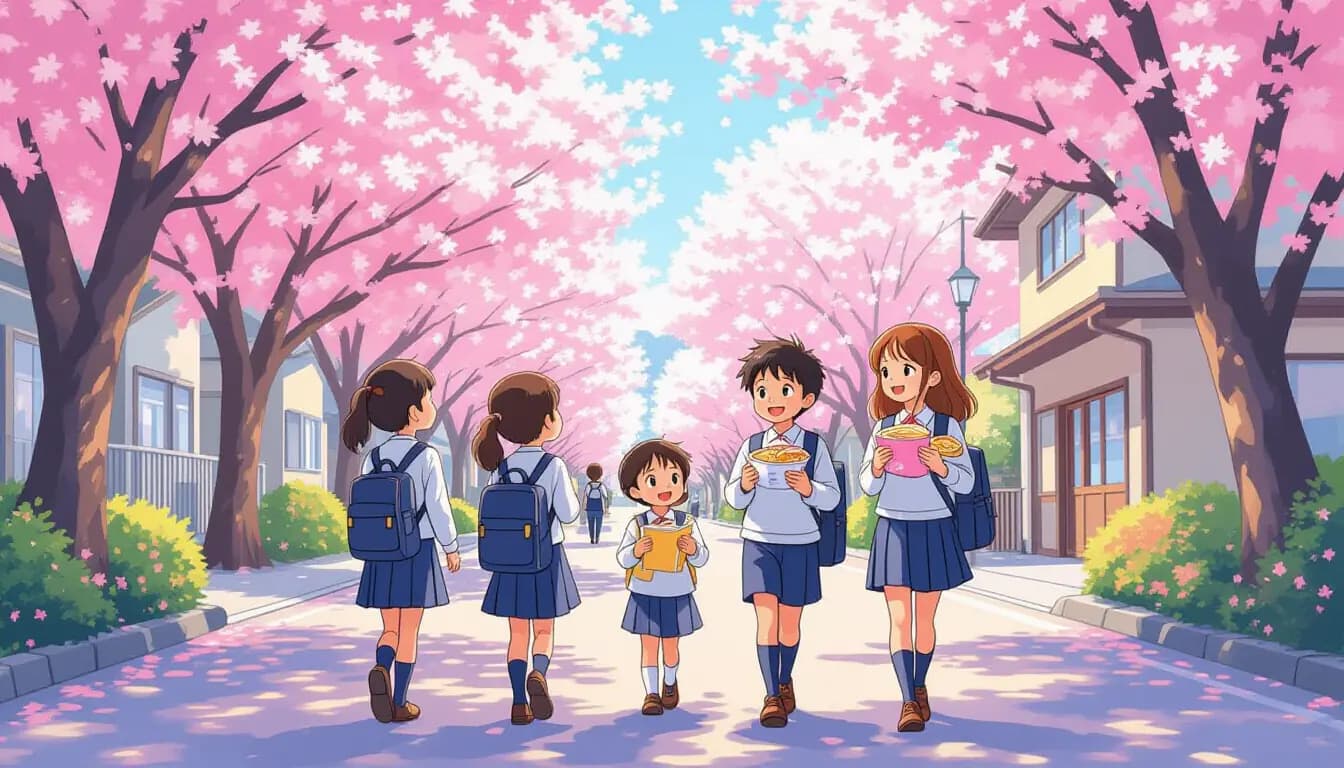
Japan's compulsory education begins at elementary school (小学校, shōgakkō), which covers grades 1 through 6. Children start in the April following their sixth birthday and graduate six years later. The school year runs from April to March, divided into three terms with breaks in summer, winter, and spring.
Japan's Ministry of Education, Culture, Sports, Science, and Technology (MEXT) oversees the national curriculum, which ensures a consistent, high standard of education across the country. Subjects taught include:
| Subject | Notes |
|---|---|
| Japanese Language (国語) | Reading, writing, kanji — the most time-intensive subject |
| Mathematics (算数) | Arithmetic through to basic algebra |
| Science (理科) | Starts from Grade 3 |
| Social Studies (社会) | History, geography, civic education |
| English | Mandatory from Grade 5; introduced informally from Grade 3 |
| Physical Education (体育) | Daily movement, team sports |
| Music (音楽) | Singing, recorder, rhythm instruments |
| Art and Crafts (図工) | Hands-on creative projects |
| Home Economics (家庭科) | Cooking and sewing basics (Grades 5–6) |
| Moral Education (道徳) | Character development discussions |
The school day typically begins around 8:00–8:20 AM, with the first class at 8:45 AM. Most children are released by 3:00–3:30 PM, though this varies by grade and day.
One defining feature of Japanese elementary schools is the emphasis on community responsibility. Students clean their own classrooms and school hallways every day, rotate lunch-serving duties, and are expected to participate in group activities and school events such as Sports Day (undōkai), cultural festivals, and field trips.
Foreign children in Japan have the legal right to attend Japanese public elementary schools. While enrollment is compulsory for Japanese citizens, it is optional but encouraged for foreign nationals. Here is the step-by-step enrollment process:
Step 1: Register Your Residence Visit your local city or ward office (shiyakusho or kuyakusho) and submit a Moving-In Notification (転入届, ten'nyū todoke). Bring your family's Residence Cards (zairyū kādo). Once registered, your child's address is recorded in the municipal system.
Step 2: Contact the Board of Education After residence registration, the municipal Board of Education (kyōiku iinkai) will typically send you a letter with the name of your assigned elementary school. If you do not receive this automatically, contact the Board directly or inquire at the city office.
Step 3: Visit the Assigned School Contact the school principal's office to schedule an introductory meeting. Bring:
Step 4: Prepare School Supplies Unlike many countries where schools provide all materials, Japanese elementary schools require families to purchase specific items. Common items include:
For a detailed look at costs and financial planning for your child's education in Japan, see Financial Planning for Expat Families Raising Children in Japan.
The enrollment process may seem daunting, but many city offices now have multilingual staff or can connect you with an interpreter. MEXT also provides a school guidebook available in English, Chinese, Portuguese, Spanish, Vietnamese, Filipino, and Korean. For more on the broader Japanese education system and options available to foreign families, visit our guide on The Complete Japanese Education System for Foreign Families.
Language is the biggest challenge most foreign children face when entering Japanese public schools. According to data from Japan's Ministry of Education, 57,718 foreign children required Japanese language support in 2023, and approximately 41.5% of all foreign students in Japanese public schools need additional language instruction.
The linguistic hurdles are real:
What support is available?
Many schools and municipalities offer:
However, support quality varies enormously by region. Urban areas like Tokyo, Osaka, and Nagoya tend to have better-resourced programs. In rural areas, JFL teachers often cover multiple schools and resources may be limited.
Tips for parents:
For strategies on raising multilingual children, read our guide on Raising Bilingual Children in Japan: Strategies and Best Practices.
One of the great advantages of Japanese public elementary schools is that tuition is free. The government also provides textbooks at no cost. However, families are responsible for additional expenses:
| Expense | Approximate Monthly Cost |
|---|---|
| School lunch (kyushoku) | ~¥4,688/month |
| School supplies (notebooks, stationery) | ¥500–¥1,500/month |
| Extracurricular activities | ¥1,000–¥3,000/month |
| School trips/events (annual) | ¥5,000–¥20,000/year |
| Randoseru (one-time purchase) | ¥30,000–¥80,000 |
| Gym uniform, indoor shoes | ¥5,000–¥15,000 (one-time) |
Compared to international schools (which cost ¥2–3 million per year) or private Japanese schools (¥500,000–¥1.5 million per year), public elementary schools are remarkably affordable. Over a child's full education from kindergarten through high school in the public system, total costs amount to approximately ¥5.44 million — compared to ¥18.3 million for entirely private schooling.
Low-income families can apply for the 就学援助 (shūgaku enjo) program, which provides subsidies for school lunches, supplies, and other fees. Ask your city or ward office for details.
For comprehensive information on saving for your child's education in Japan, check out Education Fund Planning for Children in Japan on Living in Nihon, which covers savings strategies, government support programs, and financial planning tools available to foreign residents.
Japanese elementary schools have a distinctive culture that can surprise foreign parents. Understanding these customs will help your child adapt more smoothly.
The School Lunch System Almost all public elementary schools serve a set school lunch (kyūshoku) prepared by the school or a central kitchen. Children eat in their classrooms together with their homeroom teacher. A rotating team of students serves the meal each day. School lunch costs approximately ¥4,688 per month and is generally nutritious and balanced. Children are expected to eat everything served — "残さず食べよう" (don't leave food) is a common classroom motto.
Cleaning Duty (掃除, Sōji) Every day after lunch, students clean their own classroom, hallways, and school grounds. No janitors clean the common areas — this responsibility falls to the students and teachers together. This practice teaches children communal responsibility and respect for shared spaces.
School Events Japanese elementary schools are event-rich environments. Key annual events include:
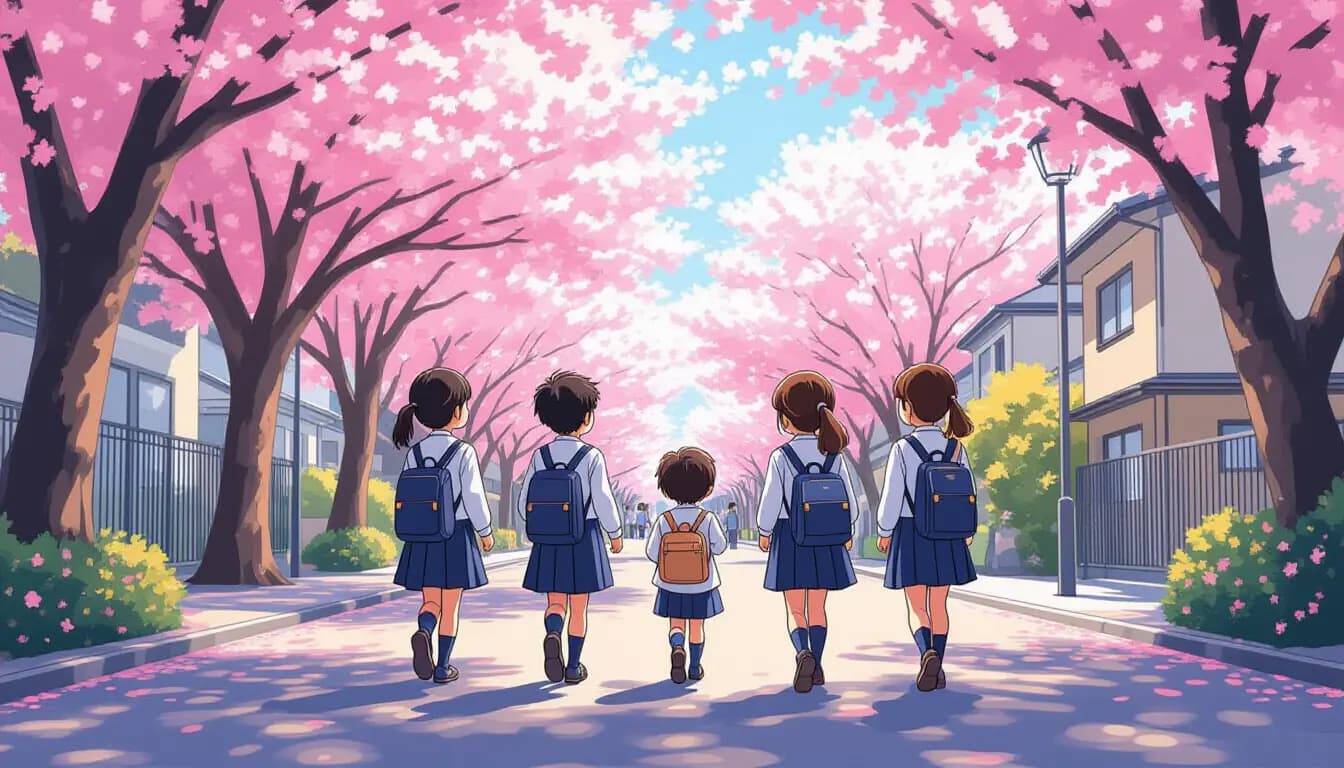
Walking to School Most Japanese elementary school children walk to school in groups (tōkōhan) organized by neighborhood. There are no school buses for public elementary schools. Children are expected to walk independently from quite young ages. This is a proud tradition in Japan and reflects the high level of public safety and community trust in Japanese society.
Uniform Policies Not all public elementary schools require uniforms — many simply have a dress code. However, all schools require specific items like indoor shoes, gym clothes, and the traditional randoseru backpack.
Foreign families in Japan generally have three main educational paths to choose from:
| School Type | Language | Cost | Pros | Cons |
|---|---|---|---|---|
| Public Japanese School | Japanese | Free (+ small fees) | Free, community integration, high quality | Japanese-only instruction, cultural adjustment |
| Private Japanese School | Japanese | ¥500K–¥1.5M/year | Often better facilities, smaller classes | Expensive, still Japanese-only |
| International School | English or mixed | ¥2–3M/year | Home-country curriculum, English instruction | Very expensive, less Japanese integration |
For most families planning a long-term stay in Japan, public Japanese elementary school offers the best combination of quality and cost. Children who start young — especially before Grade 3 — tend to adapt to Japanese language and culture relatively quickly.
If you are considering international schools, see our detailed breakdown in International Schools in Japan: The Definitive Guide for Families.
For more on the overall journey from daycare through to high school for foreign families, the Complete Family Life Guide for Foreigners in Japan on For Work in Japan offers excellent guidance on navigating life stages as a foreign family in Japan.
Transitioning into a Japanese elementary school is a significant life event for any foreign child. Here are practical strategies to support your child:
Before school starts:
During the first months:
Long-term integration:
For children who struggle emotionally or academically, Japan has growing awareness of and support for Mental Health and Emotional Wellbeing for Foreign Children in Japan.
One resource worth exploring for understanding how foreign-educated children eventually navigate Japan's exam system later on is Chuukou Benkyou's guide on returnee and foreign student exam pathways, which explains how children educated abroad can re-enter Japan's education system for high school and university entrance.
Can my child attend a Japanese public school if they don't speak Japanese? Yes. Foreign children are welcome regardless of Japanese proficiency. Many schools have support teachers, and children often pick up Japanese surprisingly quickly, especially at younger ages.
Do I need to be a Japanese resident to enroll? Your child must be registered in the Japanese resident system (jūminhyō). As long as you have a valid visa and residence card, you can register and enroll.
What if there is no Japanese language support at our local school? Contact your city or ward Board of Education to ask about available resources. NPOs and volunteer tutoring networks exist across Japan — your city office can often provide referrals.
Can my child skip a grade or repeat a year? Japan's public school system does not have grade skipping or retention. All children advance with their age group.
Is school lunch mandatory? Yes, in most public elementary schools, school lunch participation is expected. Children with severe allergies should discuss accommodations with the school nurse (yōgoshi) in advance.
What happens if we move to a different area? You will need to re-enroll at the new local school. Transfer (tenkō) processes are handled through the new city or ward office, and schools are experienced in handling mid-year transfers.
Starting elementary school in Japan as a foreign family is a journey of adaptation, discovery, and growth — for both child and parent. Japan's public schools offer a world-class education wrapped in a deeply community-oriented culture. With the right preparation and support network, your child can thrive.
For more guidance on navigating family life in Japan, explore our full range of articles on raising children in Japan as a foreign parent, and connect with local parent communities to share your experiences. Additional enrollment guidance is available at How Foreign Students Can Attend Public School in Japan on E-Housing and on Nippon.com's in-depth coverage of language challenges for foreign children.
Everything foreign parents need to know about Japan's elementary school graduation ceremony (sotsugyo-shiki): ceremony format, dress code, songs, traditions, and tips for expats.
Read more →
Complete guide to swimming lessons at Japanese elementary schools: schedule, required gear, exemptions, grading, and tips for foreign parents navigating suiei season.
Read more →
A complete guide for foreign families on music and arts education in Japanese elementary schools. Learn what subjects are taught, what instruments children use, school festivals, and practical tips for expat parents.
Read more →
A complete guide to Doutoku (道徳), Japan's moral education class, for foreign parents. Learn what's taught, how classes work, and how to support your child.
Read more →
Everything foreign parents need to know about school field trips in Japanese elementary schools — ensoku day trips, shugakuryoko overnight trips, costs, packing lists, and cultural significance.
Read more →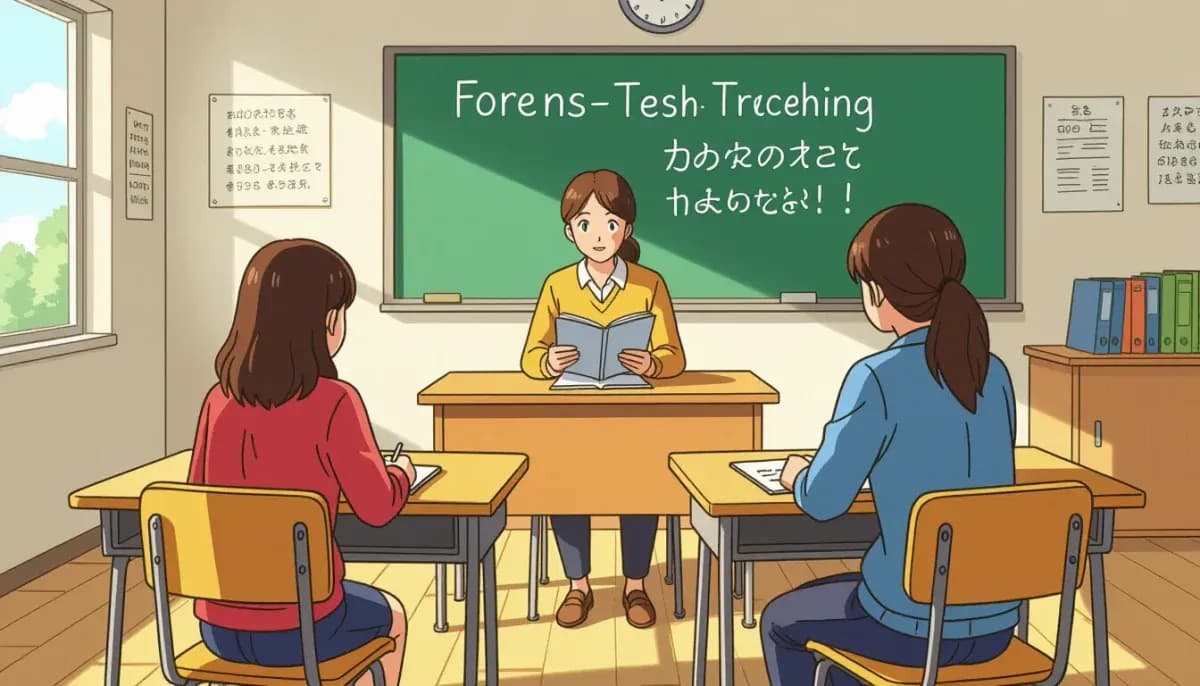
A complete guide for foreign parents on navigating parent-teacher meetings at Japanese elementary schools: types, what to expect, language tips, and how to prepare.
Read more →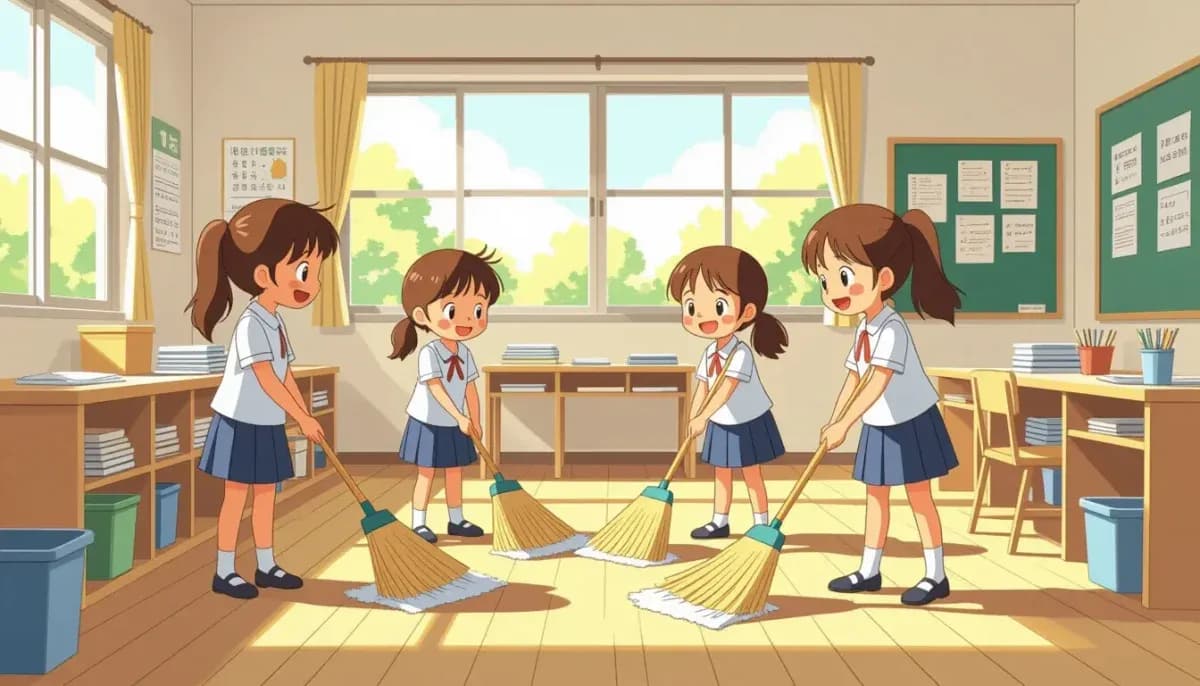
Learn why Japanese students clean their own schools every day. Discover how souji works, its cultural roots in Buddhism and Shinto, educational benefits, and what foreign parents need to know.
Read more →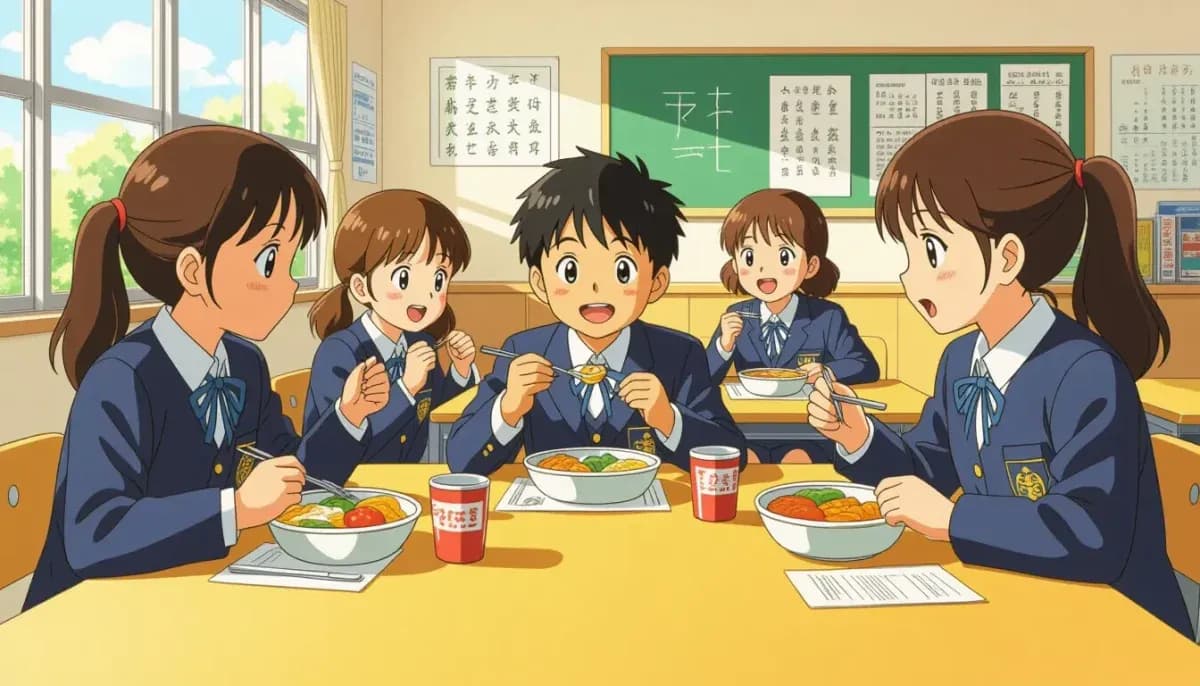
Discover how Japan's kyushoku school lunch system works, what children eat, how much it costs, and tips for helping your foreign child adjust to Japanese elementary school meals.
Read more →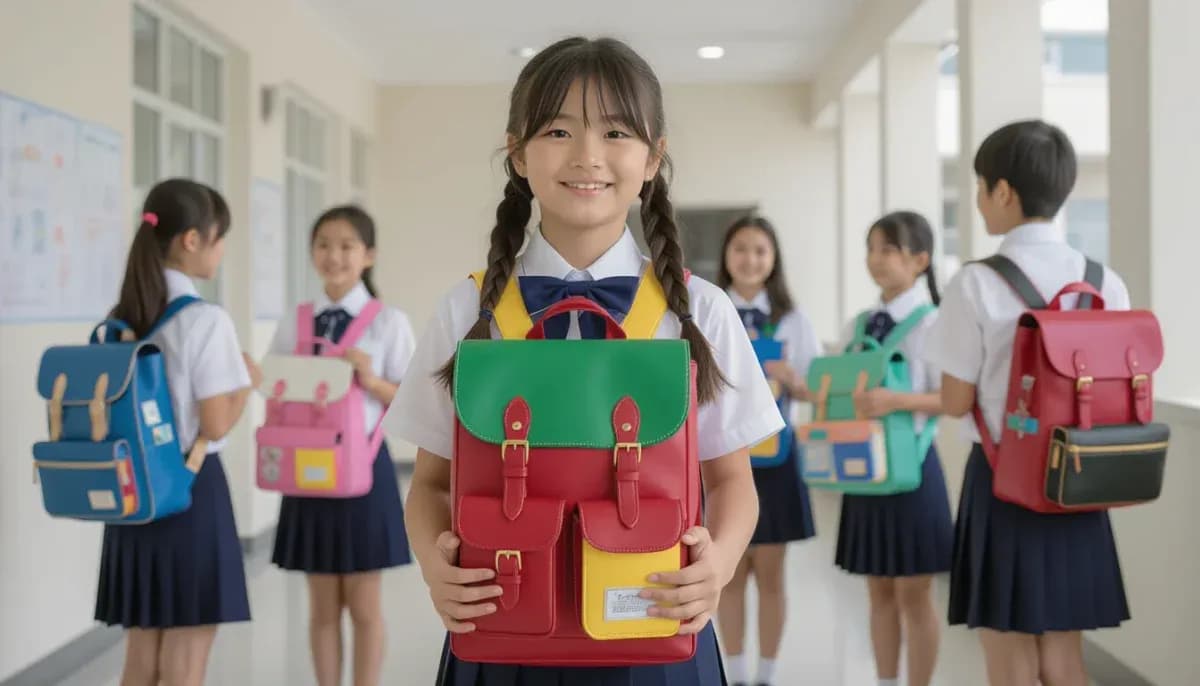
Everything foreign parents need to know about buying a randoseru in Japan: prices (¥10,000–¥100,000+), materials, colors, top brands, when to buy, and ergonomic tips for your child's school bag.
Read more →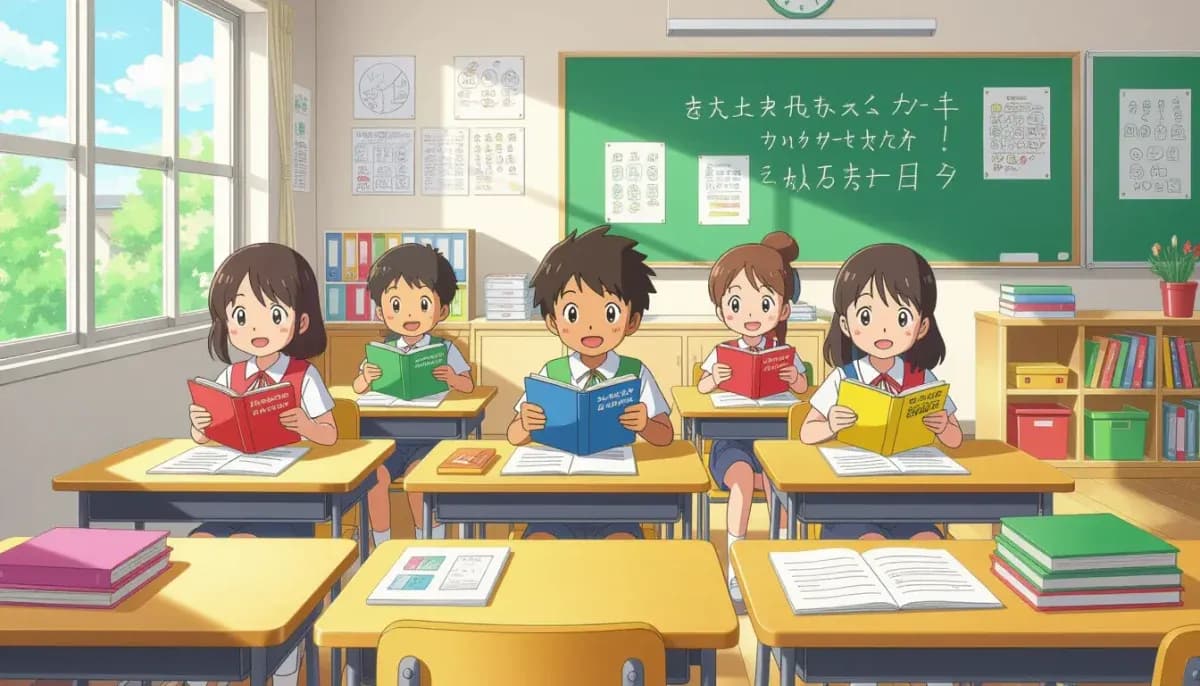
Learn everything about elementary school subjects and curriculum in Japan (Grades 1-6): Japanese, math, science, moral education, English, home economics and more. Essential guide for foreign parents.
Read more →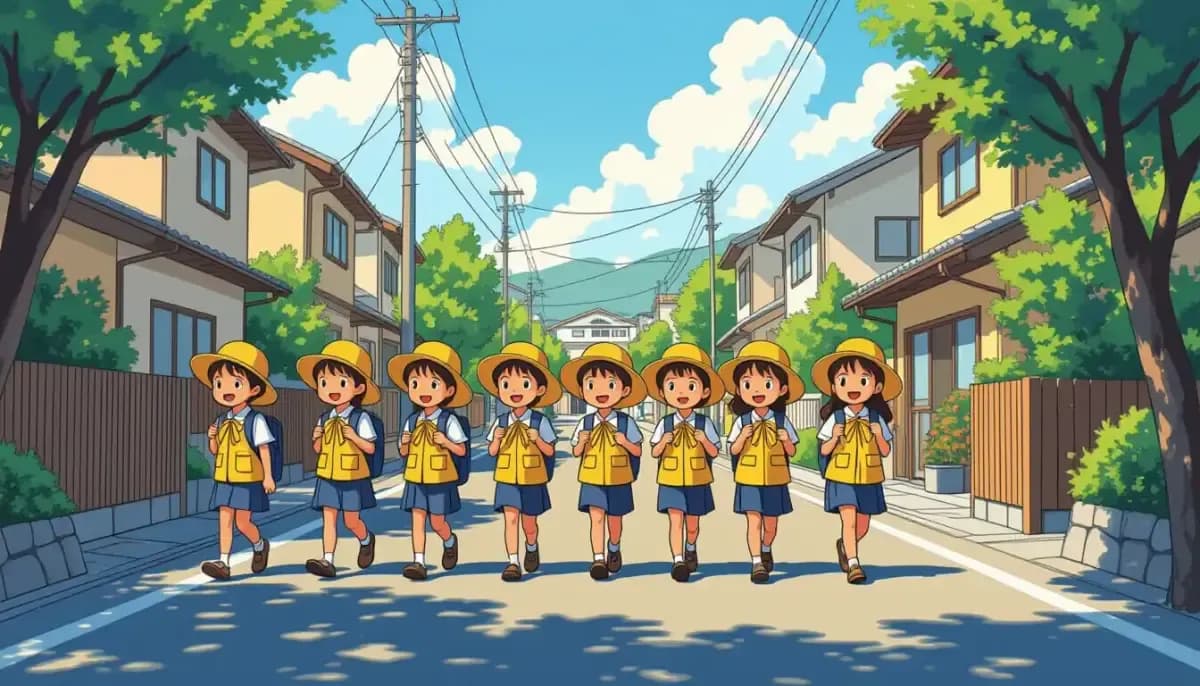
Discover Japan's tsugaku walking-to-school system: how children walk solo safely, the han group structure, Kodomo 110-ban safe houses, and tips for expat parents preparing their child for the Japanese school commute.
Read more →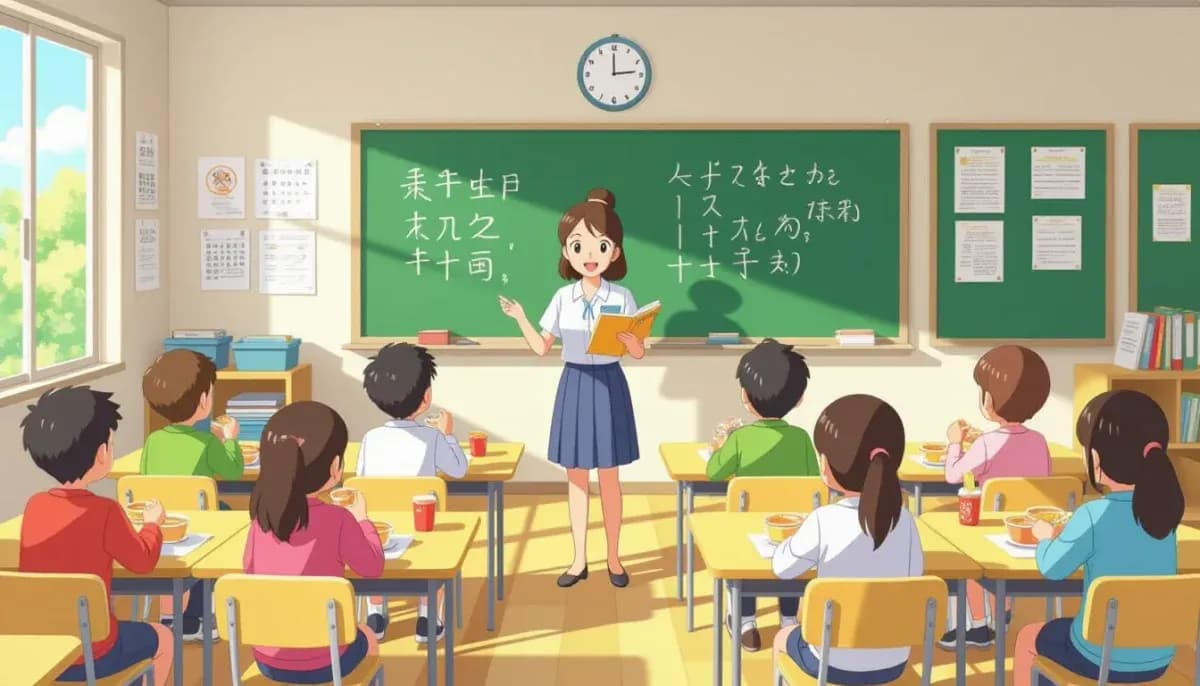
Understand the complete Japanese elementary school daily schedule — class periods, kyushoku lunch, souji cleaning time, and after-school routines. Essential guide for foreign parents in Japan.
Read more →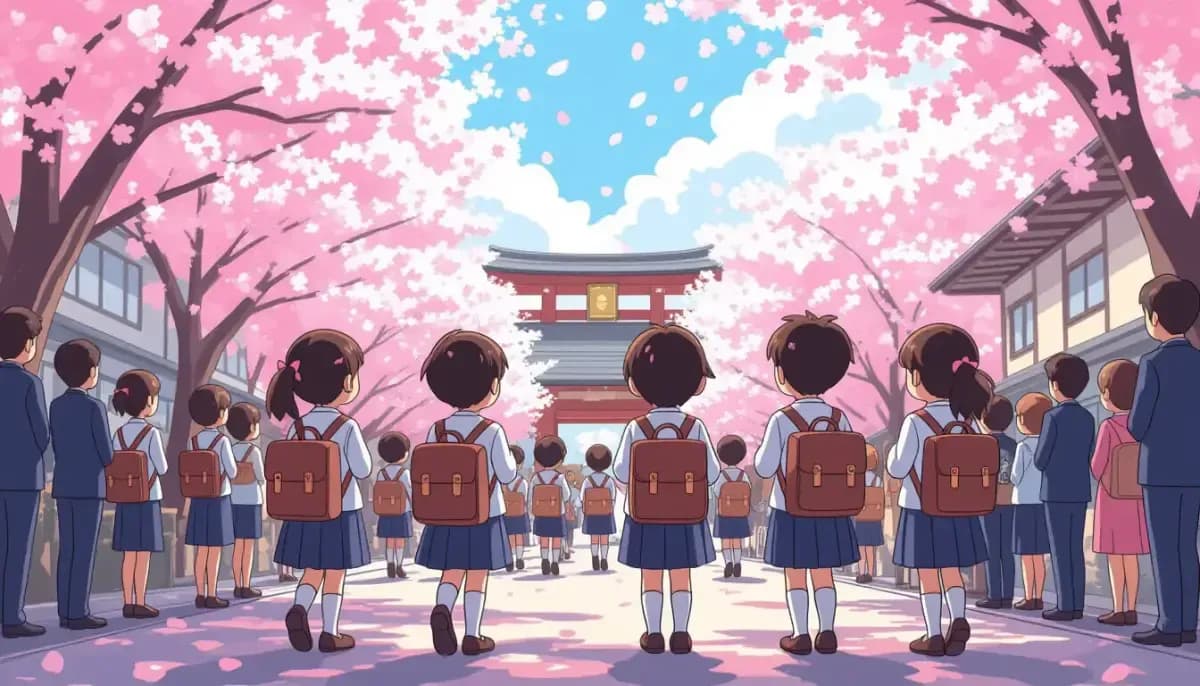
Everything foreign parents need to know about the first day of elementary school in Japan — the entrance ceremony, school supplies, enrollment, daily schedule, and tips for a smooth start.
Read more →