
Randoseru School Bag: The Complete Buying Guide for Parents

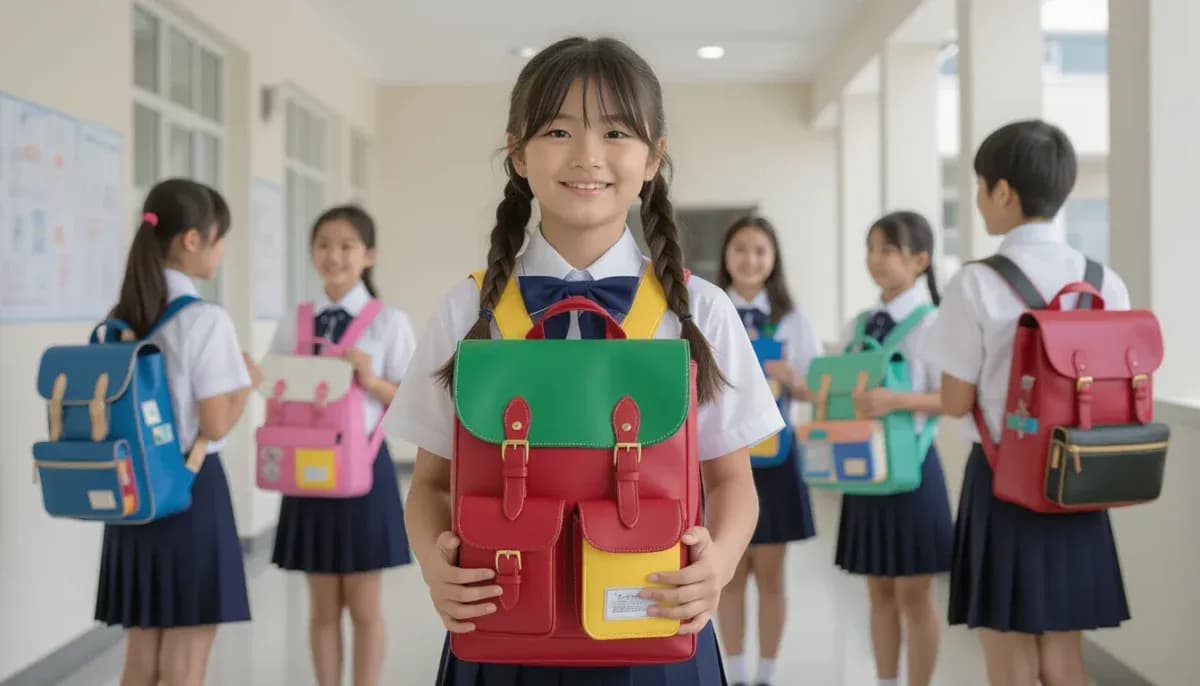
Everything foreign parents need to know about buying a randoseru in Japan: prices (¥10,000–¥100,000+), materials, colors, top brands, when to buy, and ergonomic tips for your child's school bag.
Randoseru School Bag: The Complete Buying Guide for Parents
When your child is about to start elementary school in Japan, one of the biggest purchases you'll make is the randoseru (ランドセル) — the iconic Japanese school backpack. For foreign parents navigating this tradition for the first time, the process can feel overwhelming. From price ranges that rival a designer handbag to color choices and brand decisions, there is a lot to consider. This complete guide walks you through everything you need to know to choose the perfect randoseru for your child.
What Is a Randoseru?
A randoseru is a structured, hard-framed school backpack used by Japanese elementary school students. Unlike ordinary backpacks, the randoseru is built to last all six years of elementary school — typically from grade 1 (age 6-7) through grade 6 (age 12). The design has remained largely unchanged since it was first introduced for schoolchildren in the 1880s, when it was adapted from Dutch military satchels.
The key characteristics that define a randoseru include:
- A rigid, box-like frame that protects books and stationery
- Wide, padded shoulder straps with back support panels
- A main compartment and multiple sub-compartments
- Durable construction designed to withstand daily use for six years
- A clasp closure on the main flap
For families new to Japan's school system, the randoseru is not just a bag — it is a rite of passage and a cultural institution. Nearly every child entering a Japanese public elementary school will carry one. If your child attends a Japanese public school, purchasing a randoseru is essentially mandatory. For more context about what to expect when your child starts school, see our guide on Elementary School in Japan: A Complete Guide for Foreign Parents.
Randoseru Price Ranges: How Much Should You Spend?
One of the first things that surprises foreign parents is the cost. Randoseru are significantly more expensive than typical school backpacks in other countries. Here is a breakdown of what to expect:
| Price Range | Type | Where to Buy |
|---|---|---|
| ¥10,000 – ¥30,000 | Budget / Entry-level | Discount stores, Nitori, Aeon |
| ¥30,000 – ¥55,000 | Mid-range | Chain stores, department stores |
| ¥55,000 – ¥80,000 | Premium | Department stores, specialty shops |
| ¥80,000 – ¥100,000+ | Luxury / Artisan | Tsuchiya Kaban, Kabankōbō Yamamoto |
According to the Japan Bag Association, the average randoseru cost in 2022 was ¥56,000. A February 2024 survey found that over 37% of parents spent more than ¥65,000, with another 22.5% paying between ¥55,000 and ¥65,000. The trend is clearly moving upward.
Why are they so expensive? The price reflects the quality of materials, durability engineering, and craftsmanship required to produce a bag that must last six years of daily use by a child. When you calculate the cost per year (roughly ¥5,000–¥10,000 per year for a mid-range bag), it starts to seem more reasonable.
Budget tip: Many families pass randoseru down between siblings, and second-hand randoseru in good condition are widely available online and at flea markets.
Materials: Leather vs. Synthetic Leather
The most important material decision you will make is between genuine leather and synthetic leather. Each has clear advantages and trade-offs.
| Feature | Genuine Leather | Synthetic Leather (Clarino) |
|---|---|---|
| Weight | ~1.5 kg | ~1.0–1.2 kg |
| Durability | Excellent | Very good |
| Water resistance | Moderate (needs care) | High |
| Price | Higher | Lower |
| Maintenance | Requires conditioning | Low maintenance |
| Market share | ~30% | ~70% |
Clarino is the most common synthetic leather used in randoseru, accounting for roughly 70% of the market. It was invented in 1965 by the Japanese manufacturer Kuraray and has been refined specifically for randoseru production. Modern Clarino is extremely durable, lightweight, and easy to clean — making it the practical choice for many families.
Genuine leather remains popular among parents who prefer the natural feel and traditional look. It is undeniably durable and develops a beautiful patina over time, but it does require occasional conditioning and is heavier for young children to carry.
Recommendation: For most families, especially those with younger or smaller children, a synthetic leather (Clarino) randoseru in the ¥40,000–¥65,000 range offers the best balance of quality, weight, and value.
For more advice on navigating Japan's school system as a foreign family, the Complete Guide to the Japanese Education System for Foreign Families is an excellent resource. You can also find helpful tips for expat parents at Living in Nihon's guide for foreigners raising children in Japan.
Color and Style: How to Choose
Until relatively recently, randoseru color choices were rigidly divided by gender: black for boys, red for girls. That has changed dramatically. Today's market offers a wide spectrum of colors for all children.
Most popular colors for girls (recent survey):
- Purple / Violet
- Red (traditional)
- Pink
- Light blue / Sky blue
- Lavender
Most popular colors for boys (recent survey):
- Black (traditional, still dominant)
- Navy blue
- Blue
- Green
- Brown
Key advice on color selection:
- Think long-term: Your child will carry this bag from age 6 to 12. A color that excites a 6-year-old may feel embarrassing to a 12-year-old. Opt for classic colors that hold up over time.
- Avoid very trendy or heavily decorated styles: Simple, clean designs age much better.
- Let your child choose: Within reason, allowing your child to pick their randoseru color builds excitement for starting school and gives them ownership over the decision.
- Check school guidelines: While most schools are flexible about color, some schools — particularly older traditional ones — may have informal color preferences. Ask at your school's enrollment session.
For foreign children navigating Japanese school culture, choosing a randoseru they feel proud of can be an important part of their social integration. Our article on Cultural Identity for Hafu and Mixed-Race Children in Japan discusses how these everyday choices can play a role in helping children feel they belong.
Top Randoseru Brands in Japan
Japan's randoseru market includes both mass-market manufacturers and artisan workshops. Here are some of the most well-known:
| Brand | Price Range | Notes |
|---|---|---|
| Seiban | ¥50,000–¥80,000 | Market leader; famous for "Fine Fit" ergonomic straps |
| Tsuchiya Kaban | ¥75,000–¥100,000+ | Premium artisan; stores nationwide and in Taipei |
| Kabankōbō Yamamoto | ¥70,000–¥90,000 | Traditional craftwork; highly regarded |
| Ohba | ¥55,000–¥75,000 | Good mid-range quality |
| Fit-chan | ¥40,000–¥65,000 | Widely available; good value |
| Nitori / Aeon | ¥10,000–¥30,000 | Budget options; functional but less durable |
Seiban is the industry leader and is particularly well-regarded for its ergonomic engineering. The "Fine Fit" design uses shape-sustaining straps that hold the bag higher on the child's back, reducing shoulder and back strain — an important consideration for young children carrying heavy textbooks every day.
For parents who want to explore more shopping and product options in Japan, For Work in Japan's family life guide covers many practical aspects of daily life including shopping.
When and Where to Buy Your Randoseru
Timing is critical. The randoseru market in Japan operates on an unusually long sales cycle:
The Randoseru Buying Timeline:
- February–May (the year BEFORE enrollment): Catalogs are released; this is the ideal time to start browsing
- June–August: Peak shopping season; many families make their purchase during this period
- September–November: Stock of popular colors and brands begins to run low
- December–January: Last chance; popular options may be sold out
- April: Enrollment ceremony — your child needs the randoseru by this date
⚠️ Important: Popular colors and premium brands can sell out more than six months before the April enrollment ceremony. If your child starts school in April, start shopping in the spring or summer of the previous year — that's up to 10 months in advance.
Where to buy:
- Department stores (Takashimaya, Mitsukoshi, Isetan): Wide selection, knowledgeable staff, allow fitting
- Specialty randoseru shops: Best selection; staff are experts
- Chain stores (Nitori, Aeon): Budget-friendly options; smaller selection
- Brand websites: Convenient but cannot try before buying
- Online (Amazon Japan, Rakuten): Huge variety but no fitting option
Strongly recommended: Try the randoseru on your child in person before purchasing. You want to assess the padding, strap positioning, and back support while the bag is actually on your child's back. A bag that looks great in photos may sit awkwardly on a small child.
Ergonomics and Fit: Protecting Your Child's Back
Elementary school children in Japan carry heavy loads. Textbooks, notebooks, art supplies, sports clothes, and lunch boxes are all transported daily. A poorly fitted randoseru can cause back and shoulder strain over months of use.
What to check when fitting:
- Strap length: The bag should sit snugly against the child's back, not hanging low
- Back panel: Should make full contact with the child's back to distribute weight evenly
- Chest strap: Many modern randoseru include a chest buckle to stabilize the load — use it
- Weight: Full bag weight can be significant; choose lighter synthetic leather if your child is small for their age
- Width: The bag should not extend wider than the child's shoulders
Some premium brands like Seiban offer AI-fitting tools and detailed sizing guides on their websites. Department stores with dedicated randoseru sections often have trained staff who can help with proper fitting.
For concerns about your child's health and wellbeing in Japan, see our guide on Healthcare and Medical Care for Children in Japan.
The Randoseru Tradition: Cultural Context for Foreign Parents
Understanding the cultural significance of the randoseru helps foreign parents navigate the purchase with confidence.
Grandparent tradition (ランドセル商戦): In Japan, it is a deeply ingrained tradition for grandparents to purchase the randoseru as a gift when their grandchild enters elementary school. If your child has Japanese grandparents or grandparents who want to participate in this tradition, discuss the purchase early — grandparents often want to be involved and may have strong opinions about brand or price.
The "rankatsu" phenomenon: The term rankatsu (ランカツ) refers to the increasingly intense "randoseru activity" — the competitive process of researching, comparing, and purchasing randoseru. Many Japanese parents treat it with the same seriousness as a major appliance purchase.
Second-hand market: While new randoseru are the norm, there is a growing second-hand market. Bags in good condition from older siblings are commonly reused within families. However, buying from a stranger online is less common due to hygiene and sizing concerns.
Accessories to budget for separately: The randoseru is just the start. You will also need to budget for:
- Textbook/lesson bags (for smaller items)
- Rain cover (雨カバー / ame kabā)
- Reflective safety tags
- Lunch bag
- Gym clothes bag
These accessories are typically not included in the randoseru price. For a full picture of the costs of raising children in Japan, see our article on Financial Planning for Expat Families Raising Children in Japan.
Randoseru FAQ for Foreign Parents
Q: Is a randoseru mandatory? A: For Japanese public elementary schools, yes — it is the expected and essentially universal school bag. Some international schools do not require it.
Q: Can my child use a different backpack? A: In most public schools, children are expected to use a randoseru. Using a different bag may cause your child to stand out, which can be difficult socially. Check with your school to confirm requirements.
Q: Are there rental options? A: Yes, some newer services offer randoseru rental programs, and coverage of this option has grown as average prices have risen. However, rentals are still not widely available and ownership remains the norm.
Q: What size should I buy? A: Randoseru are standardized in size — typically around 31cm (H) × 23cm (W) × 18cm (D) — so size is not a major variable. Focus on fit (strap and back support) rather than dimensions.
Q: Can I buy a randoseru outside Japan? A: Yes. Major brands ship internationally and can be found on Amazon Japan with international shipping. However, you lose the ability to try before buying, which is a significant disadvantage.
For broader guidance on raising children in Japan as a foreign family, explore our resource on The Complete Guide to the Japanese Education System for Foreign Families and the helpful overview at Chuukou Benkyou for academic preparation insights.
Summary: Randoseru Buying Checklist
Before you make your purchase, use this checklist:
- [ ] Start shopping at least 6–8 months before April enrollment
- [ ] Set your budget (average is ¥56,000; most families spend ¥50,000–¥80,000)
- [ ] Decide between genuine leather (heavier, traditional) and Clarino synthetic (lighter, practical)
- [ ] Let your child help choose the color
- [ ] Choose a simple, classic design they will still like at age 12
- [ ] Try the randoseru on your child in person before buying
- [ ] Check that the back panel sits flush and straps adjust properly
- [ ] Budget for accessories: rain cover, lunch bag, lesson bags
- [ ] Ask at your school enrollment session about any color/style guidelines
- [ ] Consider whether grandparents want to be involved in the purchase
The randoseru is a significant investment, but it is also one of the most iconic parts of your child's Japanese elementary school experience. Chosen carefully, it will serve them well for all six years — and might even become a cherished keepsake long after graduation.
For more guides on navigating life as a foreign parent in Japan, explore our full series starting with Daycare and Hoikuen in Japan for Foreign Parents and Kindergarten in Japan (Yochien): Everything Foreign Parents Need to Know.
External resources:

Originally from Vietnam, living in Japan for 16+ years. Graduated from Nagoya University, with 11 years of professional experience at Japanese and international companies. Sharing practical information for foreign parents raising children in Japan.
View Profile →Related Articles
Elementary School Graduation Ceremony in Japan
Everything foreign parents need to know about Japan's elementary school graduation ceremony (sotsugyo-shiki): ceremony format, dress code, songs, traditions, and tips for expats.
Read more →
Swimming Lessons at Japanese Elementary Schools
Complete guide to swimming lessons at Japanese elementary schools: schedule, required gear, exemptions, grading, and tips for foreign parents navigating suiei season.
Read more →
Music and Arts Education in Japanese Elementary Schools
A complete guide for foreign families on music and arts education in Japanese elementary schools. Learn what subjects are taught, what instruments children use, school festivals, and practical tips for expat parents.
Read more →
Moral Education (Doutoku) at Japanese Elementary Schools
A complete guide to Doutoku (道徳), Japan's moral education class, for foreign parents. Learn what's taught, how classes work, and how to support your child.
Read more →
School Field Trips and Excursions in Japanese Elementary Schools
Everything foreign parents need to know about school field trips in Japanese elementary schools — ensoku day trips, shugakuryoko overnight trips, costs, packing lists, and cultural significance.
Read more →
Parent-Teacher Meetings at Japanese Elementary Schools
A complete guide for foreign parents on navigating parent-teacher meetings at Japanese elementary schools: types, what to expect, language tips, and how to prepare.
Read more →