
Parent-Teacher Meetings at Japanese Elementary Schools

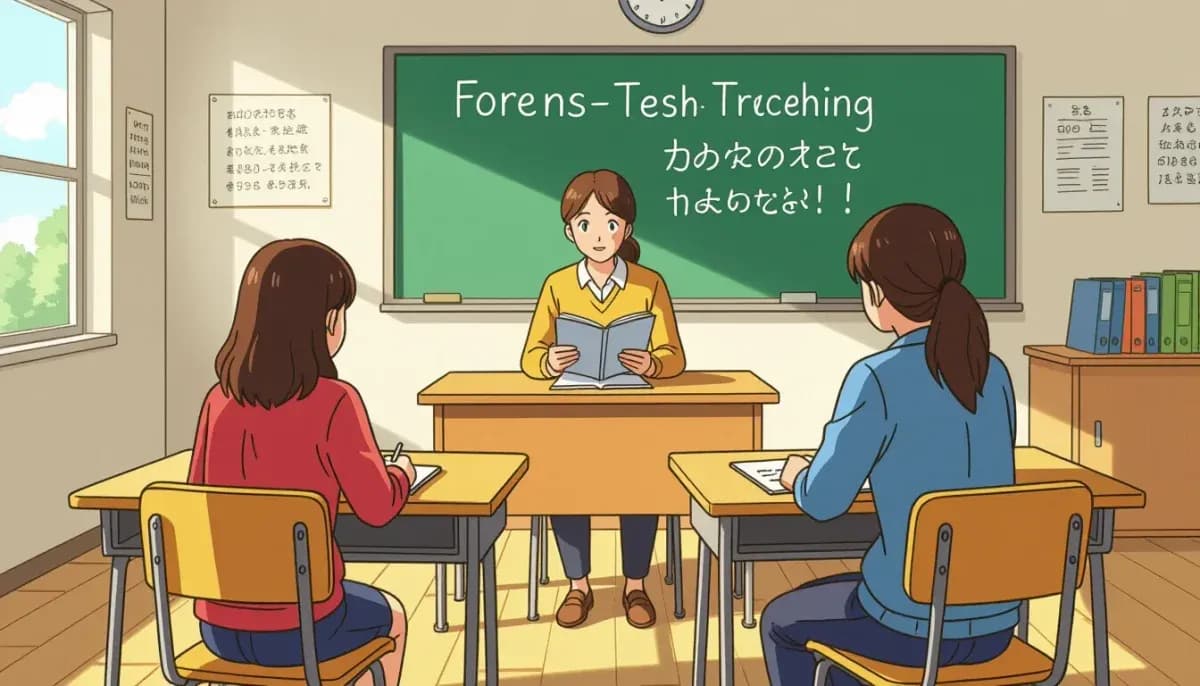
A complete guide for foreign parents on navigating parent-teacher meetings at Japanese elementary schools: types, what to expect, language tips, and how to prepare.
Parent-Teacher Meetings at Japanese Elementary Schools: A Complete Guide for Foreign Parents
Attending your first parent-teacher meeting at a Japanese elementary school can feel overwhelming, especially when everything happens in Japanese and the cultural expectations are entirely unfamiliar. Whether you are a long-term expat or newly arrived, understanding how these meetings work — and what is expected of you — will help you feel prepared and confident as a school parent.
This guide explains the different types of parent-teacher meetings in Japan, what to expect at each one, how to navigate the language barrier, and practical tips for making the most of your involvement in your child's school life.
Types of Parent-Teacher Meetings in Japan
Japanese elementary schools hold several distinct types of parent-school interactions throughout the year. Each has a different format, purpose, and level of formality.
| Meeting Type | Japanese | Romaji | Format | Frequency |
|---|---|---|---|---|
| General parent meeting | 保護者会 | Hogosha-kai | Group, class-level | ~2x per year |
| Class discussion meeting | 学級懇談会 | Gakkyu Kondankai | Group discussion | ~2x per year |
| Individual conference | 個人面談 | Kojin Mendan | One-on-one with teacher | 1-2x per year |
| Three-way meeting | 三者面談 | Sansha Mendan | Teacher + parent + student | Occasionally |
| Home visit | 家庭訪問 | Katei Houmon | Teacher visits your home | ~1x per year |
| Open school day | 公開授業 | Koukai Jugyou | Parents observe class | Several times/year |
Understanding which type of meeting you have been called to is the first step. The notice will usually be sent home on a paper slip (プリント, purinto) or via the school's parent app.
The Hogosha-kai: Group Parent Meetings
The hogosha-kai (保護者会) is the most common type of parent meeting and is held at the beginning and end of each school semester. These are group events held in your child's classroom. When you arrive, you will be expected to sit at your child's desk — an intentional design choice that helps parents experience the school from their child's perspective.
These meetings serve several purposes:
- The teacher introduces themselves and their teaching philosophy for the term
- Detailed school schedules and requirements are distributed (often a dense B4-size sheet with uniform policies, lunch rules, homework expectations, and field trip information)
- The PTA committee asks for parent volunteers or conducts officer elections
A critical note for new parents: the very first hogosha-kai of the school year is when PTA roles (役員, yakuin) are assigned. Skipping this meeting may result in you being assigned a role in absentia. If you wish to volunteer — or to politely decline — attending in person gives you more agency.
At these group meetings, teachers often ask each parent to stand and give a brief jikoshokai (自己紹介), or self-introduction. This is standard procedure and not something to panic about. A simple introduction of your name, your child's name, and one personal detail (a hobby, where you are from, or something your child enjoys) is perfectly appropriate. Even a short introduction in basic Japanese will be warmly received.
The Kojin Mendan: Individual One-on-One Conferences
The kojin mendan (個人面談) is a scheduled one-on-one meeting between a parent and the classroom teacher. These are typically held once or twice per year, usually in summer and/or autumn, and last around 10 to 15 minutes each.
Topics discussed at individual conferences include:
- Your child's academic progress and areas for improvement
- Social relationships and friendships within the class
- Any behavioral observations the teacher has made
- Your concerns or questions about your child's school life
For foreign families, this is also an appropriate time to discuss any language support needs your child may have, cultural adjustment challenges, or questions about upcoming school events.
Tips for the kojin mendan:
- Think in advance about what you want to discuss — the meetings are short
- Bring a notebook to write down key points (in any language)
- If needed, bring a bilingual friend or interpreter; most teachers will appreciate the effort to communicate clearly
- Do not be afraid to ask the teacher to write things down if you cannot follow spoken Japanese
For more on navigating the Japanese school system as a foreign parent, see our Complete Guide to Elementary School in Japan for Foreign Parents.
Home Visits: The Katei Houmon
One uniquely Japanese school tradition is the katei houmon (家庭訪問), or teacher home visit. In spring — typically April or May — your child's homeroom teacher will schedule a visit to your home. The purpose is for the teacher to understand your child's home environment, confirm your address, and establish a personal connection with the family.
What to expect:
- A paper slip will be sent home asking you to select a time slot from a list
- The visit typically lasts only 10 to 15 minutes
- The teacher will not usually enter your home; in most cases, you speak at the front door or in a small entrance area
- Some schools have replaced katei houmon with chiiki houmon (地域訪問), where the teacher walks the neighborhood routes children take to school, rather than visiting each home individually
Even if your Japanese is limited, a home visit is a valuable opportunity. Prepare a few simple phrases, offer tea if the teacher enters, and have your child present if possible. The teacher will appreciate the gesture even if deep conversation is not possible.
Open School Days: Watching Your Child Learn
Several times per year, Japanese elementary schools hold koukai jugyou (公開授業) or gakkou koukai (学校公開) — open school days when parents are invited to observe classes in progress.
These events are popular among parents and give you a direct window into your child's classroom experience. They are especially valuable for foreign parents who want to understand what their child faces each day linguistically and socially.
What to bring to open school days:
- Indoor slippers (室内用スリッパ, shitsunai slippers) — you must remove outdoor shoes at the entrance
- Your own name tag (名札, nafuda), which the school will often provide in advance
- A plastic bag to carry your outdoor shoes
Classrooms can get crowded during open school events. Arrive a few minutes early to find a good viewing spot, and follow the lead of other parents regarding when to enter or exit the classroom.
Navigating the Language Barrier
The most significant challenge for foreign parents at Japanese school meetings is the language. All materials are in Japanese, meetings are conducted entirely in Japanese, and teachers rarely have the capacity to provide English translation.
Here are practical strategies that work:
Before the meeting:
- Ask a bilingual friend, neighbor, or fellow school parent to review the meeting notice with you
- Join the school's parent LINE group — other parents are often willing to help translate or explain what is expected
- Use a translation app (Google Translate camera feature works well for printed documents) to understand the agenda in advance
During the meeting:
- Sit near a friendly-looking parent who may help you follow along
- Bring a notebook and write down key words or phrases you do not understand to look up later
- If the teacher asks you to speak, a short introduction is fine — do not feel pressured to say more than you can handle
After the meeting:
- Compare notes with other parents
- Contact the teacher via the school communication notebook (連絡帳, renrakucho) if you have follow-up questions
- Our guide on Teaching Japanese to Foreign Children has additional resources for improving communication
For broader advice on raising children in Japan, Living in Nihon offers practical information for foreign residents. You can also find workplace and community resources at For Work in Japan, which covers life as a foreigner in Japan more broadly. For first-person accounts of school meetings from expat parents, the Education in Japan community blog has practical jikoshokai tips and hogosha-kai experiences.
The PTA: What You Need to Know
The PTA (保護者と教師の会, hogosha to kyoshi no kai) is a significant part of Japanese school life that foreign parents often find confusing or stressful. Originally introduced after World War II based on the American PTA model, Japan's school PTAs have evolved into organizations that manage a wide range of school support activities.
Key things to understand about the PTA:
- Membership is technically voluntary, but social pressure to join is strong
- Each family is expected to take on at least one role (役員 or 委員) during their child's elementary school years
- Roles range from small tasks (serving at a school event once) to year-long committee positions
- Meetings are almost always conducted in Japanese
If joining the PTA feels too linguistically challenging right now, it is acceptable to explain your situation honestly. Many schools are becoming more understanding of foreign parents' language limitations, particularly in urban areas. Connecting with other foreign parents through communities like Chuukou Benkyou can help you find others who have navigated the same situation.
For a deeper understanding of the school year structure and what to expect month by month, see The Complete Guide to the Japanese Education System for Foreign Families.
Practical Checklist for School Meetings
Use this checklist before attending any parent-teacher meeting at a Japanese elementary school:
- [ ] Confirm the type of meeting (group hogosha-kai, individual kojin mendan, open school day, etc.)
- [ ] Read the meeting notice carefully using a translation app if needed
- [ ] Pack indoor slippers and a name tag
- [ ] Prepare a short jikoshokai (self-introduction) if it is a group meeting
- [ ] Write down your questions or concerns in advance for individual meetings
- [ ] Arrange for a bilingual helper if the meeting is high-stakes
- [ ] Join the school's LINE group for real-time support from other parents
- [ ] Bring a notebook to write down important information
- [ ] Check the Savvy Tokyo school event guide for a kanji cheat sheet of common school terms
Final Thoughts
Parent-teacher meetings in Japan are an important part of your child's school journey, and your participation — even imperfect — sends a powerful message of support to your child and respect to the school community. Japanese teachers generally go out of their way to be welcoming to foreign families, and a genuine effort to engage, however limited your Japanese may be, will be noticed and appreciated.
The learning curve is real, but you are not alone. Thousands of foreign families navigate the Japanese school system every year, and the expat parent community in Japan is generous with advice and support. Start small, attend what you can, and build your confidence one meeting at a time.
For more resources on raising children in Japan as a foreign parent, explore our full guide to raising bilingual children in Japan and our overview of government benefits and subsidies for families in Japan.

Originally from Vietnam, living in Japan for 16+ years. Graduated from Nagoya University, with 11 years of professional experience at Japanese and international companies. Sharing practical information for foreign parents raising children in Japan.
View Profile →Related Articles
Elementary School Graduation Ceremony in Japan
Everything foreign parents need to know about Japan's elementary school graduation ceremony (sotsugyo-shiki): ceremony format, dress code, songs, traditions, and tips for expats.
Read more →
Swimming Lessons at Japanese Elementary Schools
Complete guide to swimming lessons at Japanese elementary schools: schedule, required gear, exemptions, grading, and tips for foreign parents navigating suiei season.
Read more →
Music and Arts Education in Japanese Elementary Schools
A complete guide for foreign families on music and arts education in Japanese elementary schools. Learn what subjects are taught, what instruments children use, school festivals, and practical tips for expat parents.
Read more →
Moral Education (Doutoku) at Japanese Elementary Schools
A complete guide to Doutoku (道徳), Japan's moral education class, for foreign parents. Learn what's taught, how classes work, and how to support your child.
Read more →
School Field Trips and Excursions in Japanese Elementary Schools
Everything foreign parents need to know about school field trips in Japanese elementary schools — ensoku day trips, shugakuryoko overnight trips, costs, packing lists, and cultural significance.
Read more →
Cleaning Time (Souji): Why Japanese Students Clean Their Schools
Learn why Japanese students clean their own schools every day. Discover how souji works, its cultural roots in Buddhism and Shinto, educational benefits, and what foreign parents need to know.
Read more →