Japanese Holidays, Festivals, and Seasonal Events for Families
Complete guide to Japanese national holidays, matsuri festivals, and seasonal events for expat families. Learn about Golden Week, Obon, hanami, Shichi-Go-San, and how to participate as a foreign family in Japan.
13 articles
Japanese Holidays, Festivals, and Seasonal Events for Families: The Complete Expat Guide
Japan's calendar is packed with vibrant national holidays, ancient festivals, and deeply rooted seasonal traditions — and for families raising children here, this cultural richness is one of the greatest gifts of life in Japan. From the quiet beauty of cherry blossom picnics to the thunderous drums of a summer matsuri, each season brings experiences that will stay with your children forever. This comprehensive guide walks foreign families through Japan's major holidays, festivals, and seasonal events — what they mean, how to participate, and how to make the most of them with kids.
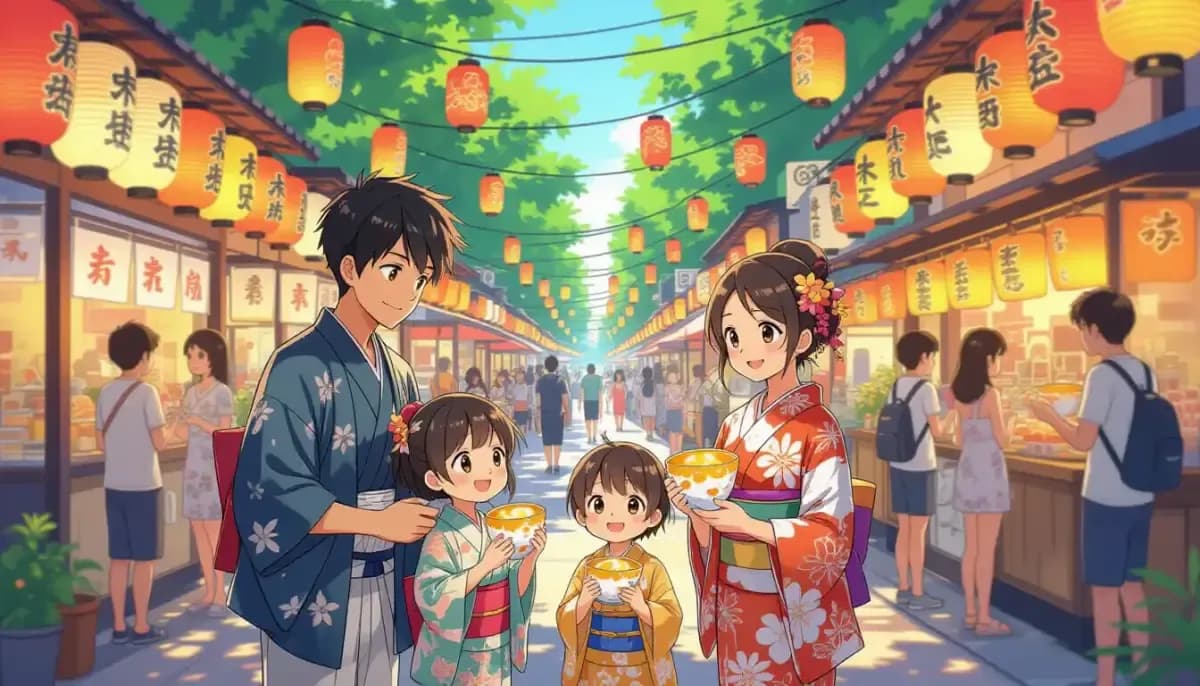
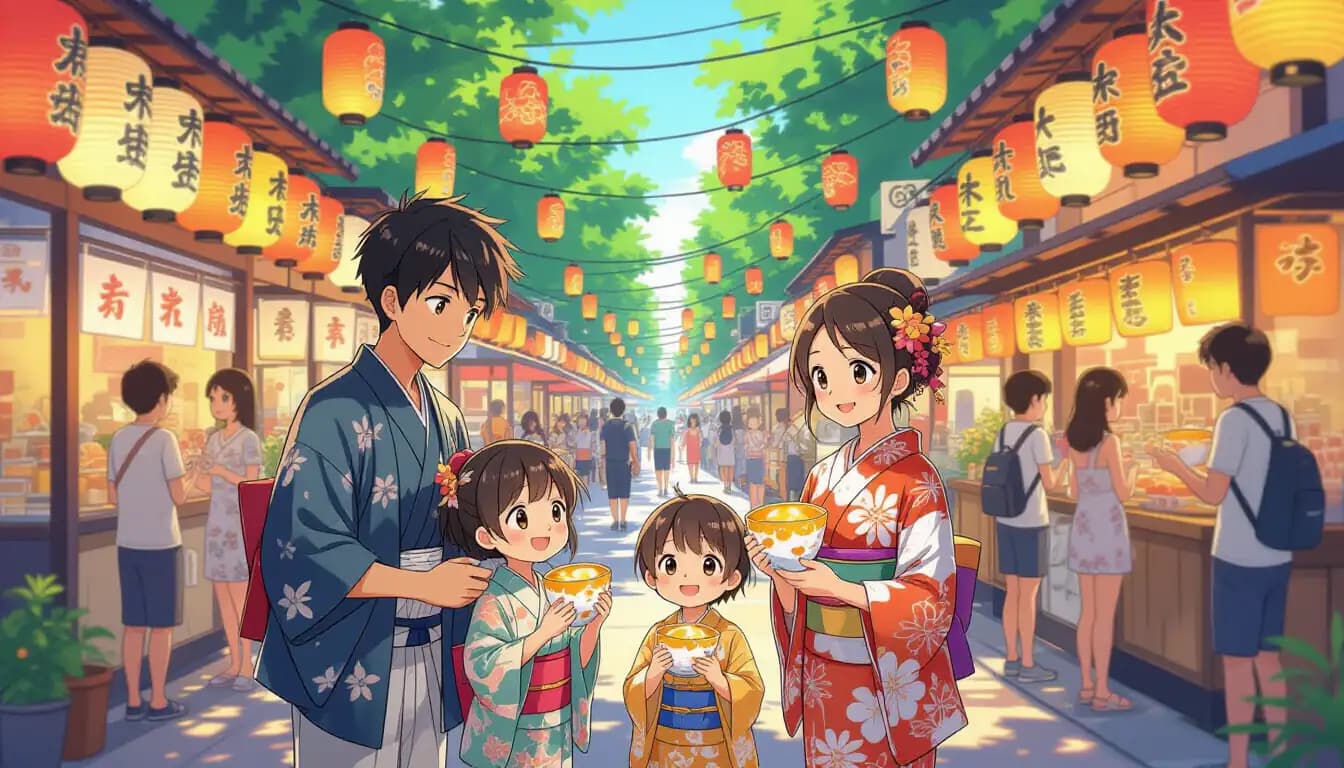
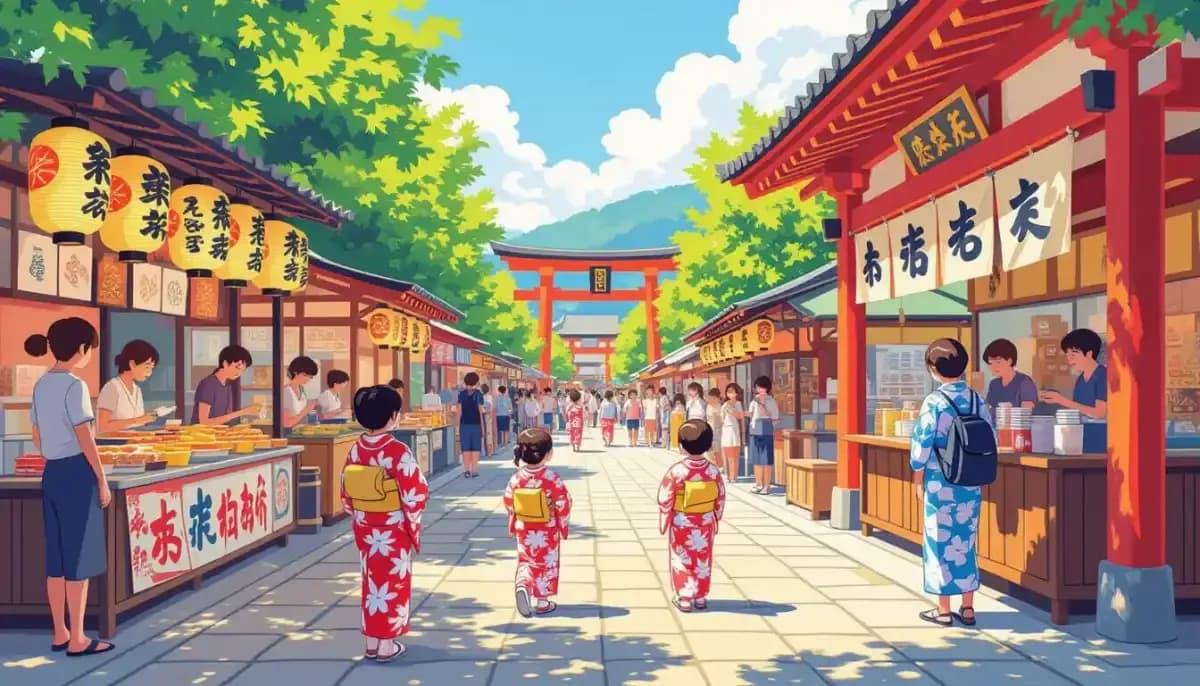
Japanese family enjoying a summer matsuri festival with colorful lanterns and yukata
Japan's National Holiday Calendar: What You Need to Know
Japan has 16 official public holidays per year, established under the Public Holiday Law of 1948 and amended multiple times since. One key rule to know: if a public holiday falls on a Sunday, the following Monday becomes a substitute holiday. Similarly, any day sandwiched between two public holidays also becomes a non-working holiday — a rule that sometimes creates unexpected long weekends.
For expat families, understanding this calendar is essential for planning childcare, school schedules, and travel. Here is the full list of Japan's national holidays:
Holiday
Date
Japanese Name
Key Family Activity
New Year's Day
January 1
元日 (Ganjitsu)
Hatsumode shrine visit
Coming of Age Day
2nd Monday, January
成人の日
Watch furisode-clad young adults
National Foundation Day
February 11
建国記念の日
Local ceremonies
Emperor's Birthday
February 23
天皇誕生日
Imperial Palace grounds open
Vernal Equinox Day
~March 20
春分の日
Hanami picnic season begins
Showa Day
April 29
昭和の日
Start of Golden Week
Constitution Day
May 3
憲法記念日
Golden Week travel
Greenery Day
May 4
みどりの日
Parks and nature events
Children's Day
May 5
こどもの日
Koinobori carp streamers
Marine Day
3rd Monday, July
海の日
Beach outings
Mountain Day
August 11
山の日
Hiking with kids
Respect for the Aged Day
3rd Monday, September
敬老の日
Visit grandparents
Autumnal Equinox Day
~September 23
秋分の日
Autumn leaf viewing
Sports Day
2nd Monday, October
スポーツの日
Athletic events
Culture Day
November 3
文化の日
Museums free admission
Labour Thanksgiving Day
November 23
勤労感謝の日
Family time at home
Most shops, restaurants, and tourist attractions remain open on national holidays — the main exception is New Year's Day, when many businesses close. This makes Japan's holidays highly accessible for families exploring the country.
Golden Week: Japan's Biggest Family Holiday Season
Golden Week (April 29 to May 5) is the single most important holiday period for Japanese families. Four national holidays cluster together — Showa Day, Constitution Day, Greenery Day, and Children's Day — creating a week-long break when most companies close entirely.
For expat families, Golden Week means:
Children are home from school — daycare and hoikuen often close too
Domestic travel is extremely congested — book trains and hotels months in advance
Prices surge significantly — accommodation and transport can cost 2-3× normal rates
Major tourist spots are very crowded — consider less-famous local destinations
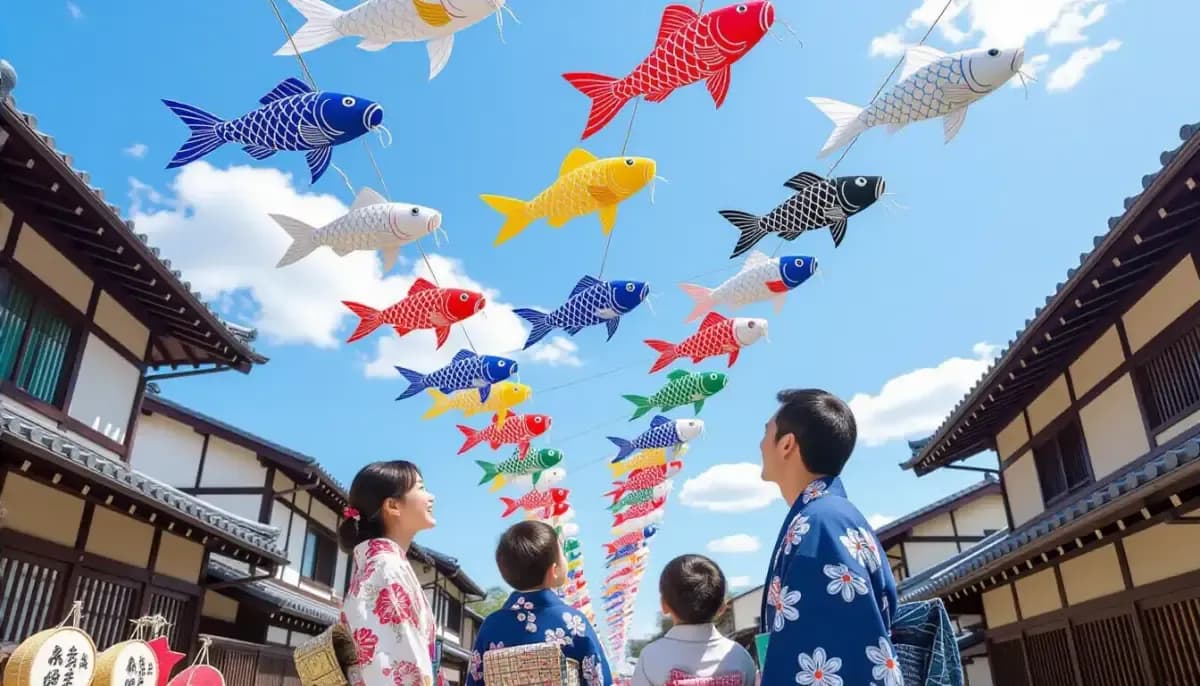
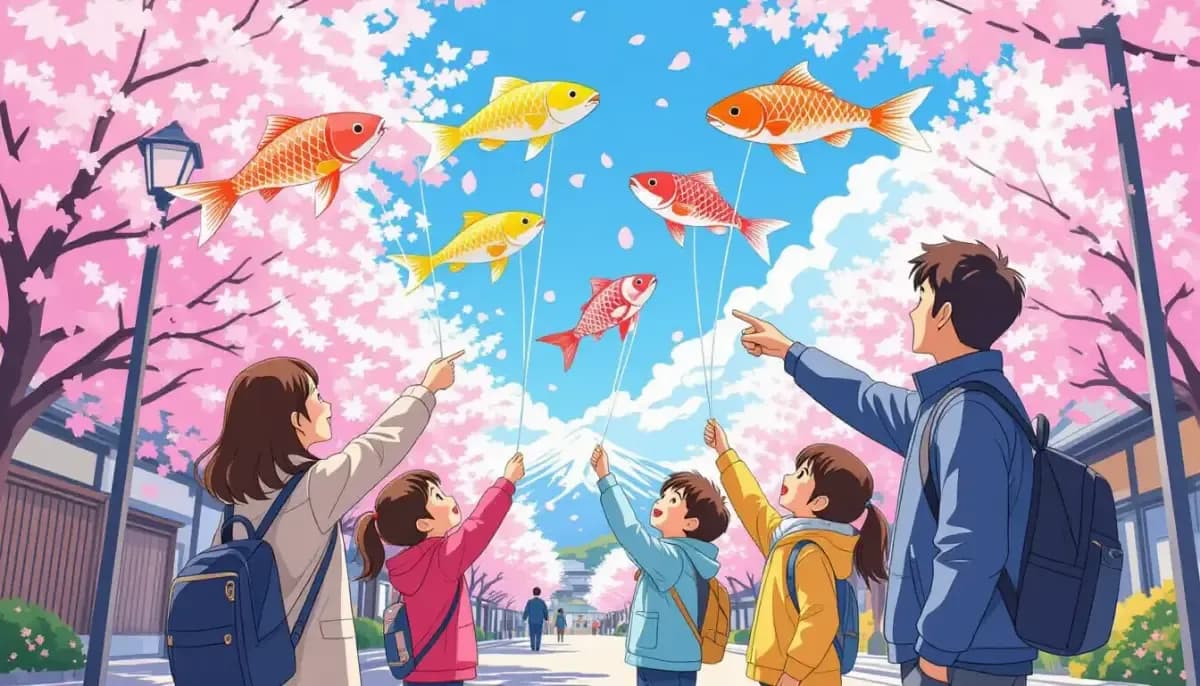
Children's Day (May 5) is the highlight for families with kids. Households fly koinobori — colorful carp-shaped streamers on poles — traditionally to wish for sons' healthy growth, though today they celebrate all children. Inside, warrior dolls (musha ningyo) may be displayed. Local parks often hold family events with games and activities.
If you plan to travel during Golden Week, aim to leave on April 29 (the first day, before everyone else) and return on May 6 (the day after Children's Day). Staying in your own prefecture and discovering local festivals can be just as rewarding — and far less stressful.
Obon (mid-August, typically August 13-16) is not technically a national holiday, but it functions as Japan's second-biggest holiday season. Most companies offer an Obon break, and transportation networks reach their annual second-peak of congestion as people return to family hometowns.
Obon is a Buddhist tradition honoring the spirits of ancestors. Key family-friendly traditions include:
Bon odori — community folk dances held outdoors at local parks, school yards, and temples. These are among the most welcoming events for foreigners and children; the dances are simple, circles are open, and locals love to teach newcomers the steps.
Lantern floating (toro nagashi) — paper lanterns are floated on rivers or the sea at nightfall, guiding ancestor spirits home. A deeply moving experience for children.
Bon appetit with osechi summer style — special seasonal foods including cucumber dishes and cold somen noodles are associated with this period.
Many neighborhoods host free bon odori events during the first two weeks of August. Check local ward office (kuyakusho) bulletin boards or community apps for your area's schedule. Wear a yukata (light summer kimono) — children's yukata are widely available at reasonable prices and make for wonderful photos.
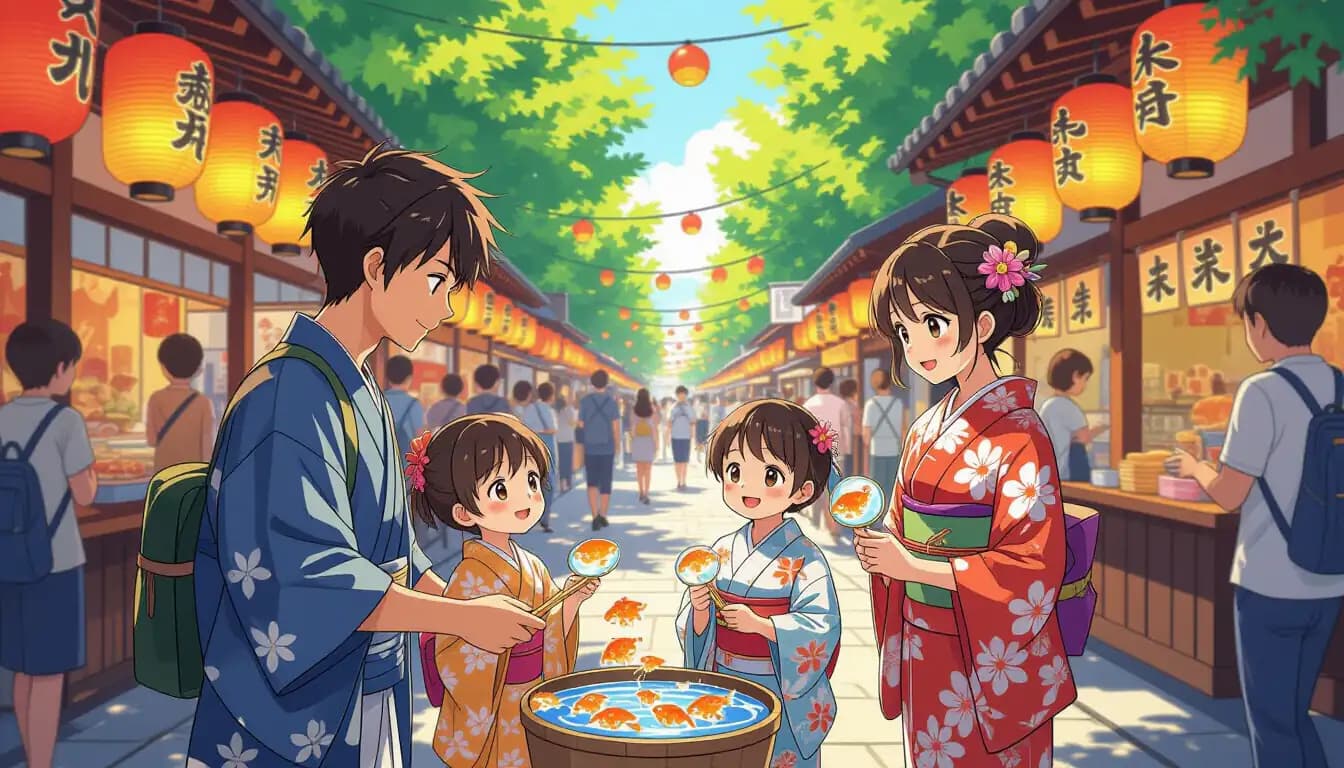
Children in yukata participating in a bon odori circle dance at a local community festival
Major Festivals (Matsuri) Your Family Should Experience
Japan is home to thousands of matsuri — festivals rooted in Shinto and Buddhist traditions. In 2016, UNESCO recognized Japanese festivals as Intangible Cultural World Heritage, acknowledging their living importance to community identity. Here are the standout ones for families:
Gion Matsuri (Kyoto, July)
One of Japan's three great festivals, running throughout July with its climax on July 17 (Yamaboko Junko procession). Massive wooden floats called yamaboko are pulled through Kyoto's streets. The float neighborhoods open "screens festivals" (byobu matsuri) during evenings July 14-16, when locals display heirloom art through open lattice windows. Great for curious older children.
Awa Odori (Tokushima, August 12-15)
Japan's most exuberant dancing festival. Anyone can join the dance lines, making it exceptionally welcoming for foreign families. Dancers in straw hats and yukata fill the streets in coordinated procession. Tokushima's dance season begins weeks before the main dates with warm-up events across the city.
Sapporo Snow Festival (Hokkaido, early February)
Massive snow sculptures — some as large as buildings — fill Odori Park and the Susukino area. Children can play on snow slides and build their own small sculptures. Bundle up well; temperatures hover around -8°C to -3°C. Free to attend.
Tenjin Matsuri (Osaka, July 24-25)
One of Japan's top three festivals, featuring a boat procession (funatogyo) on the Okawa River and fireworks. The night of July 25 is particularly spectacular. Great for families who can manage late-night outings.
Tanabata (July 7 or August 7 in some regions)
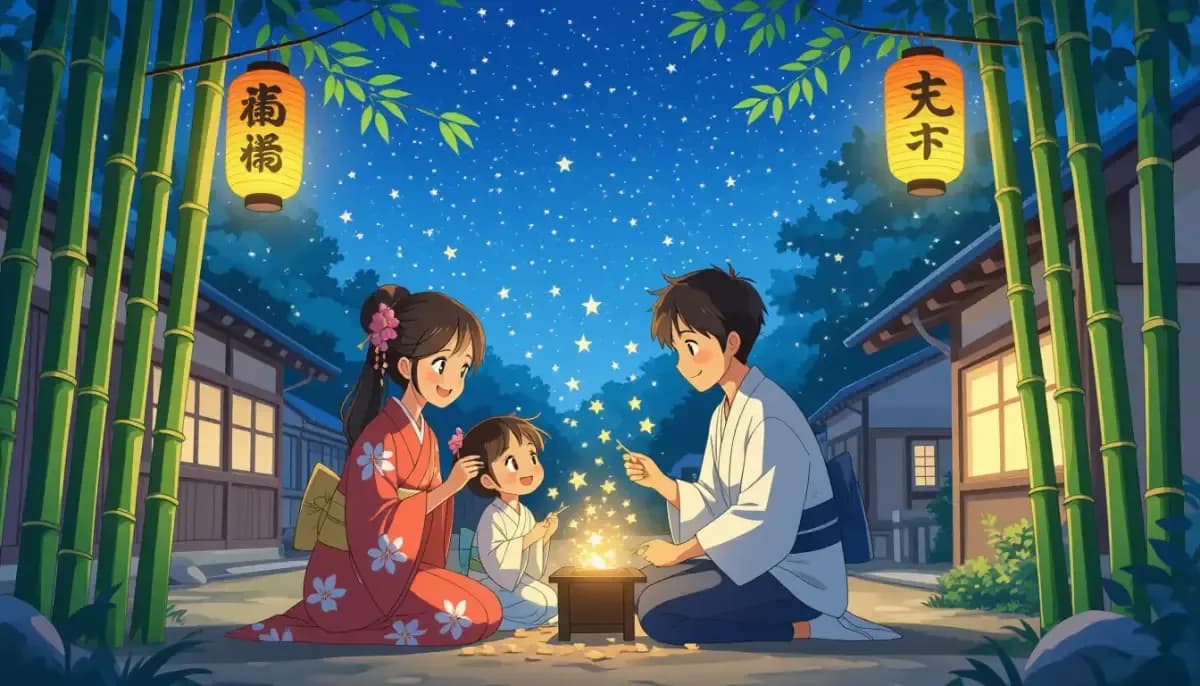
The star festival celebrates the once-yearly meeting of stellar deities Orihime and Hikoboshi. Children write wishes on tanzaku (colored paper strips) and hang them on bamboo branches. Many neighborhoods set up community bamboo displays. Schools often incorporate Tanabata crafts.
Children-Specific Seasonal Celebrations
Several Japanese holidays and seasonal events are centered specifically on children — making them particularly meaningful for expat families:
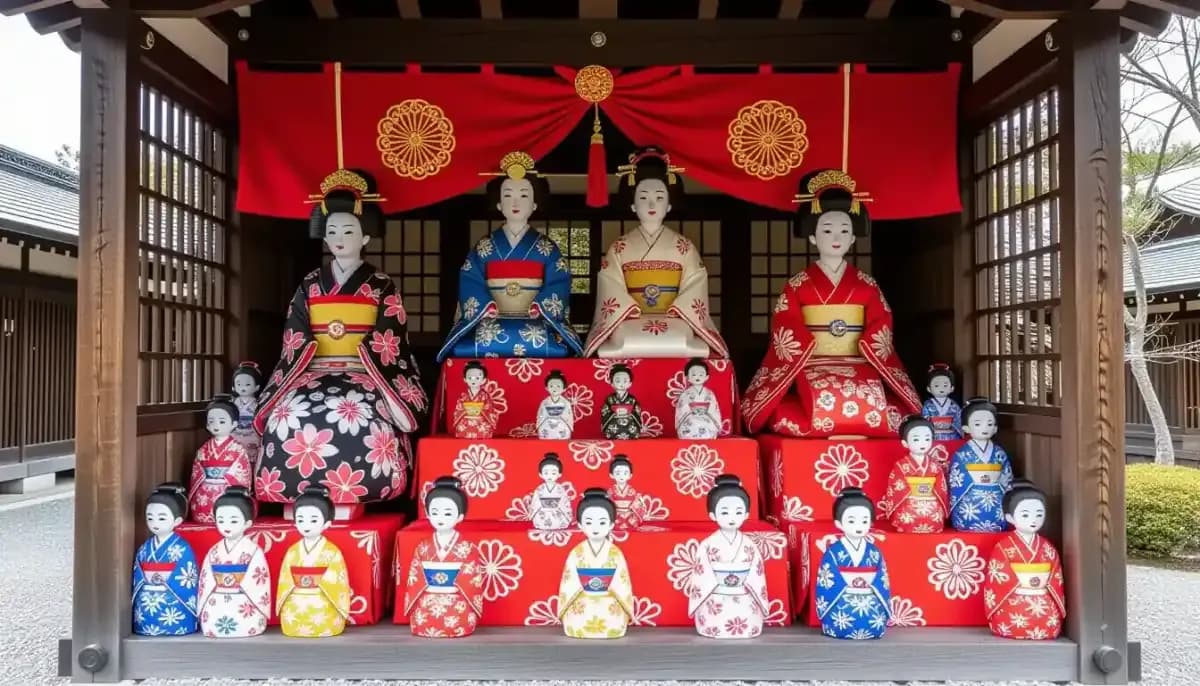
Hinamatsuri — Girls' Day (March 3) Families with daughters display elaborate sets of ornamental imperial court dolls (hina ningyo) on tiered platforms. Traditional foods include hishi mochi (diamond-shaped rice cakes in pink, white, and green), chirashizushi, and amazake (sweet mild sake). The dolls must be stored away promptly after March 3 — folk belief holds that leaving them out delays a daughter's marriage.
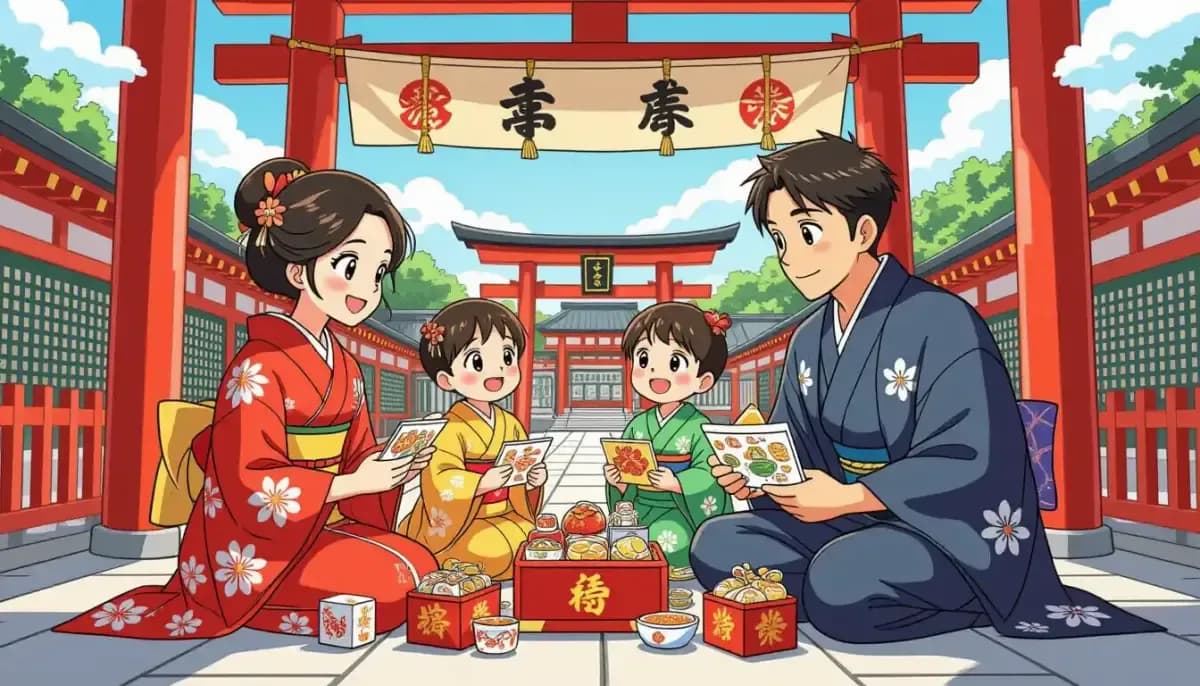
Shichi-Go-San (November 15) Children aged three (boys and girls), five (boys), and seven (girls) are dressed in formal kimono and taken to Shinto shrines for blessings. The name means "7-5-3." Children receive long candy sticks called chitose ame (thousand-year candy) in crane-and-tortoise bags symbolizing longevity. As a foreign family, participating is a beautiful way to integrate into Japanese cultural life — kimono rental is available near major shrines.
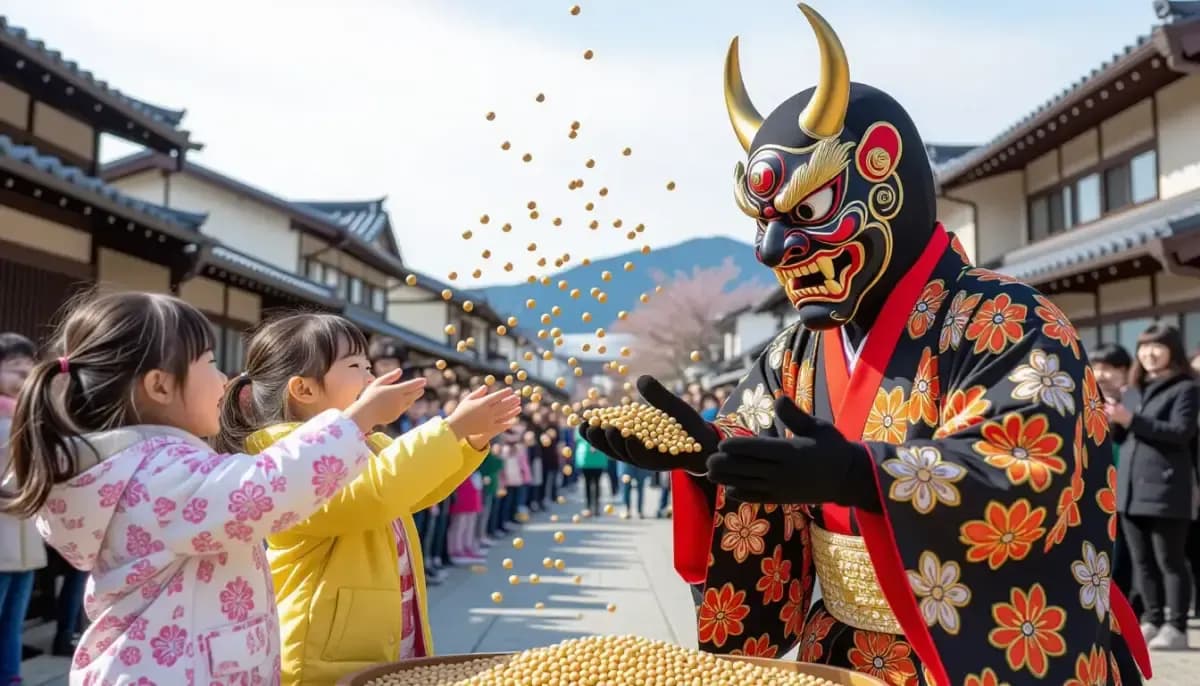
Setsubun (February 3) The last day of winter by the traditional lunar calendar. In a ritual called mamemaki, families scatter roasted soybeans while shouting "Oni wa soto! Fuku wa uchi!" ("Demons out! Fortune in!"). Children eat one bean for each year of their age to ensure good health. Many shrines hold large public bean-throwing ceremonies where celebrity guests participate. Schools and hoikuen celebrate with paper oni mask crafts.
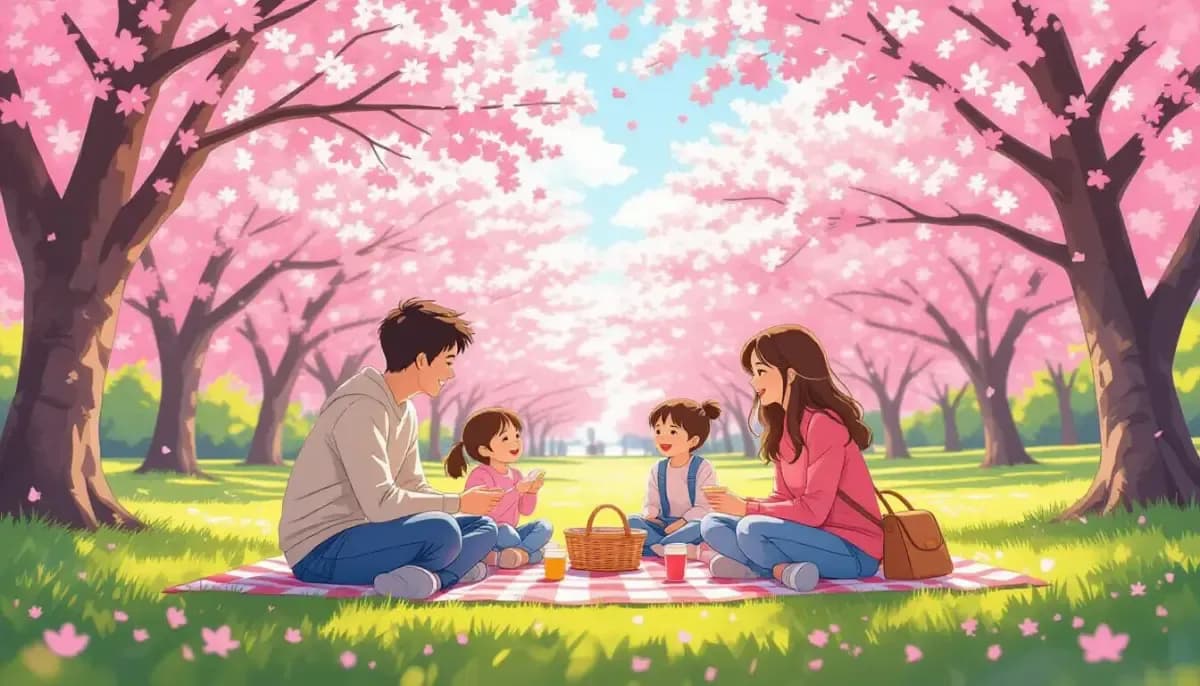
Hanami (cherry blossom viewing) is not a national holiday but is arguably Japan's most beloved seasonal tradition. From late March to mid-April (varying by region and year), sakura trees burst into bloom and families spread picnic mats beneath them.
Practical hanami tips for families:
Check forecasts obsessively — peak bloom lasts only about one week. Use the Japan Meteorological Corporation or NHK forecasts.
Arrive early — popular spots like Ueno Park, Maruyama Park (Kyoto), and Shinjuku Gyoen fill up from dawn on weekends.
Bring blue tarps — the standard blue plastic sheet for reserving spots is sold everywhere for under ¥500.
Children-friendly spots often include playground equipment beneath the trees — look for parks explicitly noted as suitable for families.
Night viewing (yozakura) — many parks illuminate trees after dark, creating a magical atmosphere for older children.
Some parks charge admission during hanami season (Shinjuku Gyoen: ¥500 adults, ¥250 children). Many neighborhood parks are free. Hanami-themed snacks include sakura mochi, sakura-flavored Kit Kats, and cherry blossom drinks that appear in all convenience stores during the season.
Practical Tips: Participating in Japanese Festivals as a Foreign Family
Joining Japan's festivals as an outsider can feel intimidating, but most events are genuinely welcoming. Here is what to know:
What to wear: Yukata (summer) and jinbei (children's summer wear) signal festive participation and are universally welcomed. Rental and purchase options are widely available near festival venues.
Etiquette basics:
Do not cut lines for food stalls or portable shrines (mikoshi)
Do not touch mikoshi unless invited by organizers
Litter disposal is tricky — Japan has very few public bins at festivals. Bring a bag for your own trash.
Loud music or behavior is generally frowned upon during solemn procession sections; follow the crowd's energy cues
Language: Major festivals in large cities increasingly have English programs and signage. Smaller local festivals may have none. A translation app and a friendly smile go a long way.
Finding local events: Your ward office (kuyakusho) publishes a monthly calendar of local events. Community apps like Jicoo and local Facebook/LINE groups for expats are also excellent sources.
For more on navigating Japanese community life as a foreign family, the team at Living in Nihon offers helpful expat lifestyle resources. For those balancing work schedules around holiday seasons, For Work in Japan covers employment and leave rights in detail. Academic and school event planning resources are available at Chuukou Benkyou.
New Year in Japan: The Most Important Holiday for Families
Shogatsu (New Year) is the year's most sacred and family-centered holiday. While only January 1 is the official public holiday, the period from December 28 to January 3 is effectively a national shutdown.
Key New Year traditions for families with children:
Hatsumode: The first visit to a shrine or temple of the new year. Done within the first three days of January. Lines at major shrines (Meiji Jingu, Naritasan, Fushimi Inari) can be hours long — smaller local shrines offer the same spiritual experience with far shorter waits.
Otoshidama: Money gifts from relatives and close family friends given to children in decorated envelopes. Children collect these eagerly; you can participate by preparing your own otoshidama envelopes for neighborhood children.
Osechi ryori: Special New Year's foods prepared in lacquer boxes, each dish with symbolic meaning — shrimp for longevity, black beans for health, sweet rolled egg for happiness. Many supermarkets sell ready-made osechi from December.
Toshikoshi soba: Buckwheat noodles eaten on New Year's Eve to "cross over" from one year to the next. The long noodles symbolize long life; they should not be cut.
Fukubukuro: "Lucky bags" sold by retailers on January 2, containing mystery merchandise worth more than the bag's price. Department stores and even Apple Japan sell these — lines form overnight.
For children, hatsumode is a magical experience: sweet-smelling incense, ornate gates, fortunes (omikuji) drawn from cylinders, and the communal excitement of thousands gathering to welcome the new year.
Seasonal Events Worth Adding to Your Family Calendar
Beyond official holidays and major matsuri, Japan's informal seasonal events create a year-round rhythm that families grow to love:
Setsubun bean throwing (~February 3): Demons out, fortune in — kids love this one
White Day (March 14): The reciprocal Valentine's Day; children return candy to classmates
Kodomo no Hi carp streamers (throughout May): Some municipalities display enormous koinobori installations in riverbed parks
Firefly viewing (hotaru) (June-early July): Firefly valleys and parks in rural areas are accessible by car; a profound nature experience for children
Summer fireworks festivals (late July-August): Hundreds of local hanabi taikai across Japan; many river banks or field venues have family-friendly viewing areas
Tsukimi moon-viewing (September/October): The traditional harvest moon viewing with susuki grass and tsukimi dango rice dumplings
Koyo (autumn leaf viewing, October-December): Like hanami but for fall foliage; major parks run illuminated evening events
Yuzu bath (~December 22): On the winter solstice, many public bathhouses (sento) offer baths filled with yuzu citrus fruits — a wonderfully aromatic and warming family activity
Conclusion: Embracing Japan's Seasonal Calendar as a Family
Japan's holiday and festival calendar is not just a list of days off — it is a living cultural education for your children. Participating in hatsumode, joining a bon odori circle, watching koinobori fly, or eating toshikoshi soba on New Year's Eve connects children to a community and a tradition far larger than school curricula can convey.
The key is approach: come with curiosity, follow local etiquette, wear a yukata when the occasion calls, and let your children lead in their enthusiasm. Japanese families are overwhelmingly welcoming of foreign families who show genuine interest in participating.