
Setsubun: Bean Throwing Festival Fun for Kids

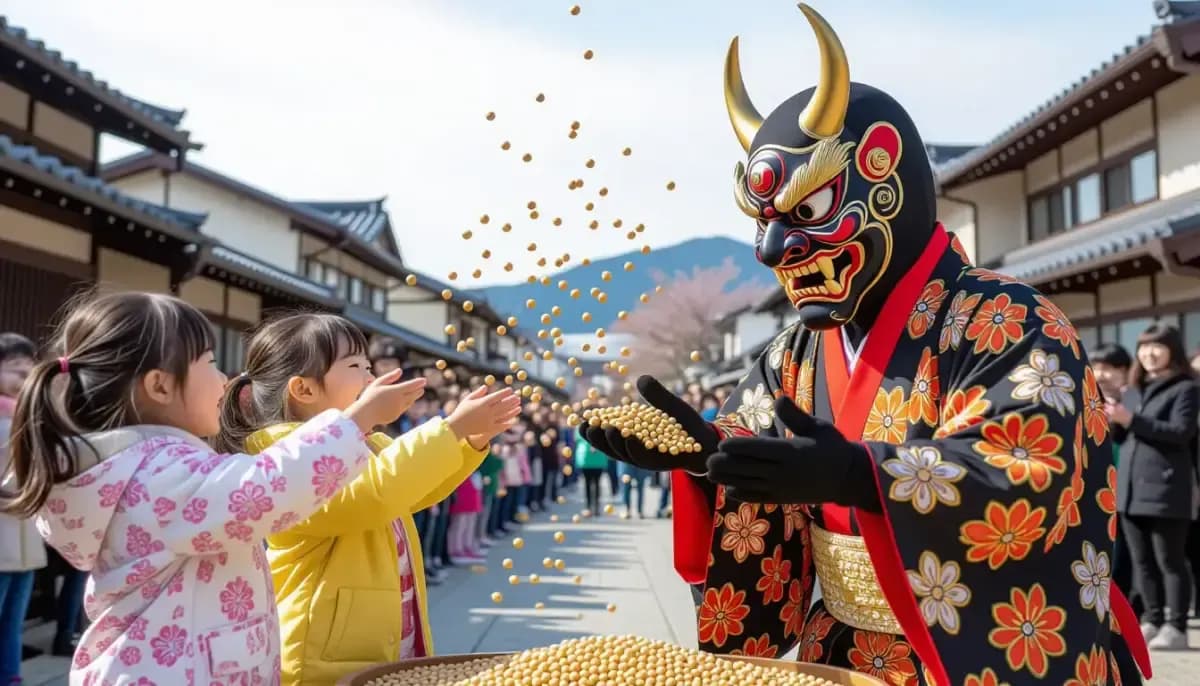
Everything foreign families need to know about celebrating Setsubun in Japan: mamemaki bean throwing, ehomaki sushi rolls, safety tips for toddlers, public events, DIY crafts, and school traditions.
Setsubun: Bean Throwing Festival Fun for Kids in Japan
Setsubun (節分) is one of Japan's most beloved seasonal traditions, and for families with children, it's an absolute delight. Held every year on February 3rd (occasionally February 2nd or 4th depending on the solar calendar), this lively festival marks the eve of spring according to the old lunar calendar. If you're a foreign parent raising kids in Japan, Setsubun is a fantastic opportunity to dive into Japanese culture together — and it involves throwing beans at a demon, which is pretty hard to top in the fun department.
This guide covers everything you need to know about celebrating Setsubun with your children: the traditions, safety tips, where to join public events, and how to make the most of this uniquely Japanese experience.
What Is Setsubun? A Brief History
The name Setsubun literally translates to "division of seasons" (節 = season, 分 = divide). Originally, Setsubun was observed four times a year — at each seasonal transition — but over the centuries it became exclusively associated with the transition from winter to spring, making it the most important of the four.
The festival's demon-chasing origins trace back to the Japanese imperial court, adapted from a Chinese purification ceremony called tsuina (追儺) that was meant to expel evil spirits. By the 17th century, throwing roasted soybeans (大豆, daizu) had become the standard ritual, and the custom has remained largely unchanged ever since.
For children, the festival taps into something primal: the thrill of the monster under the bed made real — and then defeated by their own hands. It's storytelling, ritual, and play all rolled into one afternoon.
For more on how Japan's cultural calendar shapes family life, see our guide to Japanese Holidays, Festivals, and Seasonal Events for Families.
The Main Traditions: What Happens During Setsubun
Mamemaki (豆まき) — Bean Throwing
This is the heart of Setsubun. One family member (typically Dad, but it can be anyone willing to put on the costume) wears an oni mask — the fierce red or blue demon of Japanese folklore — while the rest of the family hurls roasted soybeans at them, shouting:
"Oni wa soto! Fuku wa uchi!" (鬼は外!福は内!) "Demons out! Good fortune in!"
The beans are thrown toward the outside of the house first (to drive the demons out), then inward (to invite good luck in). Once the oni flees, everyone sits down to eat one soybean for each year of their age — plus one extra for good measure — as a wish for health and longevity through the coming year.
The word mame (豆, bean) is also a homophone for 魔滅 (mametsu), meaning "destruction of demons." Soybeans were chosen based on a legend about a demon on Mount Kurama in Kyoto that could only be defeated by throwing roasted beans into its eyes.
Ehōmaki (恵方巻き) — The Lucky Sushi Roll
The second major Setsubun tradition is eating an ehōmaki — a thick, uncut sushi roll containing seven different ingredients, representing the Seven Gods of Fortune (七福神). The rules:
- Face the year's designated lucky direction (恵方, ehō)
- Hold the entire roll without cutting it
- Eat it in complete silence while making a wish
The direction changes each year based on the Chinese zodiac calendar. The lucky direction for 2026 is South-Southeast. Eating the roll uncut symbolizes preserving good luck without interruption — perfect for kids who enjoy the dramatic ritual of silent, serious eating.
This custom originated with Osaka merchants in the 19th century who ate sushi rolls for business success. It went national in the 1990s largely thanks to convenience store promotions — today you'll see elaborate ehōmaki displays in every 7-Eleven and Lawson from late January onward.
Iwashi (Sardines) and Holly Branches
In Kansai and other regions, households place a dried sardine head skewered on a prickly holly branch above the front door. The combination of the pungent fishy smell and the sharp holly spines is said to repel demons. While this tradition is less common in Tokyo, it's fascinating to encounter and easy to do at home if you find the supplies at a local market.
Safety First: Soybeans and Small Children
Here's an important caution that Japanese media and the government emphasize every single year:
Soybeans are a choking hazard for children under 3 years old.
Japan's Consumer Affairs Agency and the National Center for Child Health and Development issue annual safety warnings after hospital cases involving infants and toddlers aged 9 months to 4 years who choked on beans thrown or scattered during mamemaki.
| Child's Age | Recommendation |
|---|---|
| Under 1 year | No beans at all — watch from a safe distance |
| 1–2 years | No loose beans; use safer alternatives |
| 3–4 years | Supervised only; consider large, soft alternatives |
| 5 years and up | Standard soybeans are generally safe with supervision |
| All ages | Always pick up every bean after the event |
Safer alternatives for younger children:
- Use peanuts in their shells (too large to swallow whole — common in some regions anyway)
- Throw balled-up paper or foam balls instead of real beans
- Use pre-packaged candy-filled bean bags sold at 100-yen shops
Many modern families now scatter beans only at doorways rather than inside the house, both for safety and to reduce the cleanup job of finding soybeans in every couch cushion for weeks afterward.
Where to Buy Setsubun Supplies
You don't need to prepare much for a home mamemaki — the supplies are everywhere in February.
| Item | Where to Find | Approximate Cost |
|---|---|---|
| Fukumame (roasted soybeans) | Supermarkets, convenience stores | ¥100–300 |
| Oni mask sets | Daiso, Seria, Supermarkets | ¥100–500 |
| Ehōmaki sushi rolls | 7-Eleven, Lawson, FamilyMart, sushi restaurants | ¥500–2,000 |
| Full oni costume | Don Quijote, Amazon Japan, costume shops | ¥1,000–5,000 |
| Mamemaki kits (all-in-one) | Supermarkets, Amazon Japan | ¥300–800 |
| Peanuts in shell (alternative) | Supermarkets, bulk food stores | ¥200–500 |
Mamemaki kits containing roasted beans and a simple paper oni mask are sold at virtually every supermarket from late January. The 100-yen shops like Daiso and Seria often have more elaborate DIY mask sets that kids can color and decorate themselves — a great pre-festival craft activity.
DIY Setsubun Crafts for Kids
One of the best parts of celebrating Setsubun with children is the craft preparation beforehand. Here are some simple, kid-friendly projects:
Oni Mask Making:
- Use a paper plate as the mask base — cut out eye holes, paint it red or blue, add yellow or white horns cut from cardboard
- Toilet paper rolls or empty Yakult bottles make excellent horns when stuffed with scrunched paper and painted
- Glue on yarn or strips of brown paper for wild demon hair
- Punch holes on the sides and thread elastic or ribbon for wearing
Bean Bag Making (for toddlers):
- Fill small fabric pouches or tied sock segments with dried rice or large dried beans (too big to choke on)
- Let kids decorate the pouches with fabric markers
Ehōmaki Craft:
- Young children can "roll" their own sushi using craft foam or felt pieces and a piece of nori-colored paper — a satisfying sensory activity even if they're too young to eat the real thing
For ideas on creative activities and arts programs for kids in Japan, see our guide to Arts, Music, and Creative Development for Children in Japan.
Public Setsubun Events: Where to Go with Kids
Many temples and shrines across Japan hold spectacular public mamemaki events on Setsubun, where celebrities, athletes, sumo wrestlers, or kabuki actors throw beans (and sometimes candy, snacks, or lucky envelopes) into the crowd. These events are free to attend and hugely popular with families.
| Venue | Location | Approximate Attendance | Notes |
|---|---|---|---|
| Sensoji Temple | Asakusa, Tokyo | ~100,000 | Large, festive atmosphere |
| Zojoji Temple | Minato, Tokyo | ~13,000 | Has a dedicated family area for young children |
| Naritasan Shinshoji Temple | Narita, Chiba | ~40,000 | 860 kg of beans + 400 kg of peanuts thrown by celebrities |
| Kyoto's Heian Shrine | Kyoto | ~20,000 | Traditional atmosphere, maiko performers |
| Namba Yasaka Shrine | Osaka | Large | Features the famous lion head stage |
| Kitano Tenmangu | Kyoto | Moderate | Known for beautiful plum blossom backdrop in February |
Tips for attending with children:
- Arrive early — major temple events attract enormous crowds
- Bring bags or hats to catch thrown items (beans, mochi, snacks)
- Position yourselves in the family-designated areas where available
- Keep toddlers on shoulders or in carriers so they can see — and so beans don't hit them at face level
If you're exploring family-friendly travel destinations, check out our guide to Family Travel in Japan: Destinations and Tips for Kids.
Setsubun at School: What to Expect
Your children will almost certainly celebrate Setsubun at their Japanese school or daycare. Here's what typically happens:
Hoikuen (Daycare) and Yochien (Kindergarten):
- Children make oni masks in arts and crafts
- A teacher or parent volunteer dresses as an oni and bursts dramatically into the classroom
- Children throw (softer, bean-like alternatives) while shouting the chant
- Be aware: some young children find this genuinely frightening — a costumed adult roaring as a demon can cause real anxiety. If your child mentions nightmares about oni afterward, that's completely normal and usually resolves within a few days
Elementary School:
- Homerooms typically organize a classroom mamemaki
- Children learn about the history and meaning of Setsubun as part of seasonal life skills education
- Schools may send home fukumame (roasted beans) in special envelopes for children to take home and share with their families
For more on what to expect in Japanese schools across different grade levels, see our complete guides to daycare and hoikuen in Japan, kindergarten (yochien), and elementary school in Japan.
Making Setsubun Your Own: Expat Family Tips
As a foreign family, you get to cherry-pick the traditions that resonate with you and adapt them to your household's culture. Here are some ideas:
Keep it playful: Don't stress about doing every tradition perfectly. The mamemaki is the core — get an oni mask, get some beans (or paper balls if you have toddlers), and do the chant together. Kids love it.
Add your own demon: Some families personalize the ritual by naming a metaphorical "demon" — the oni of homework stress, the oni of catching colds, the oni of picky eating. Chasing it out together becomes a meaningful family ritual that bridges cultures.
Document the year: Take photos every year of the kids making their oni masks and doing the bean throw. The before-and-after photos across years become a treasured record of childhood in Japan.
Use it for language learning: Setsubun is an excellent opportunity for children to learn vocabulary (鬼 oni, 豆 mame, 節分 setsubun) and practice chanting in Japanese. See our guide on teaching Japanese to foreign children for more language learning strategies.
For further insights on living as a foreigner in Japan and navigating Japanese culture, Living in Nihon offers comprehensive guides on daily life, cultural customs, and settling in. If you're also thinking about work-life balance as a parent, For Work in Japan covers employment topics for international residents. For educational resources related to Japanese academic culture, Chuukou Benkyou focuses on the Japanese study environment.
For deeper reading on the history and cultural meaning of Setsubun, Nippon.com's cultural feature on the festival is an excellent resource, and Savvy Tokyo's guide to celebrating Setsubun with kids offers practical, parent-tested tips.
Conclusion
Setsubun is one of those rare festivals that genuinely lands for children of all ages — it's dramatic, silly, hands-on, and full of story. For foreign families in Japan, it's also a beautiful gateway into Japanese seasonal culture: a tradition that's thousands of years old, still vibrantly alive, and endlessly adaptable.
Get the beans, make the masks, shout the chant, and chase away those demons. Spring is coming, and it's going to be a good year.

Originally from Vietnam, living in Japan for 16+ years. Graduated from Nagoya University, with 11 years of professional experience at Japanese and international companies. Sharing practical information for foreign parents raising children in Japan.
View Profile →Related Articles
Cherry Blossom Season (Hanami) with Children
Complete guide to enjoying cherry blossom season (hanami) with children in Japan. Best family parks, safety tips, what to bring, cultural etiquette, and activities for kids during sakura season.
Read more →
Japanese Summer Festivals (Matsuri) with Kids
Complete guide to Japanese summer festivals (matsuri) for foreign families with children. Top festivals, kid-friendly activities, yukata tips, heat safety, and how to participate respectfully.
Read more →
Seasonal Crafts and Activities to Do with Your Children
Discover the best seasonal crafts and activities to do with your children in Japan — from spring koinobori and Tanabata wishes to autumn moon viewing and Setsubun bean throwing. A complete guide for expat families.
Read more →
School Events Calendar: What to Expect Throughout the Year
A complete guide to the Japanese school events calendar for foreign parents. Learn about Sports Day, Cultural Festival, graduation ceremonies, and all major school events throughout the year.
Read more →
Christmas Celebrations in Japan with Children
Complete guide to celebrating Christmas in Japan with kids: KFC traditions, stunning illuminations, gift shopping, at-home crafts, and practical tips for foreign families living in Japan.
Read more →
Halloween in Japan: How Families Celebrate
Discover how families celebrate Halloween in Japan: theme park events, shopping mall trick-or-treat routes, school parties, and the best family-friendly Halloween events across the country.
Read more →