
School Events Calendar: What to Expect Throughout the Year

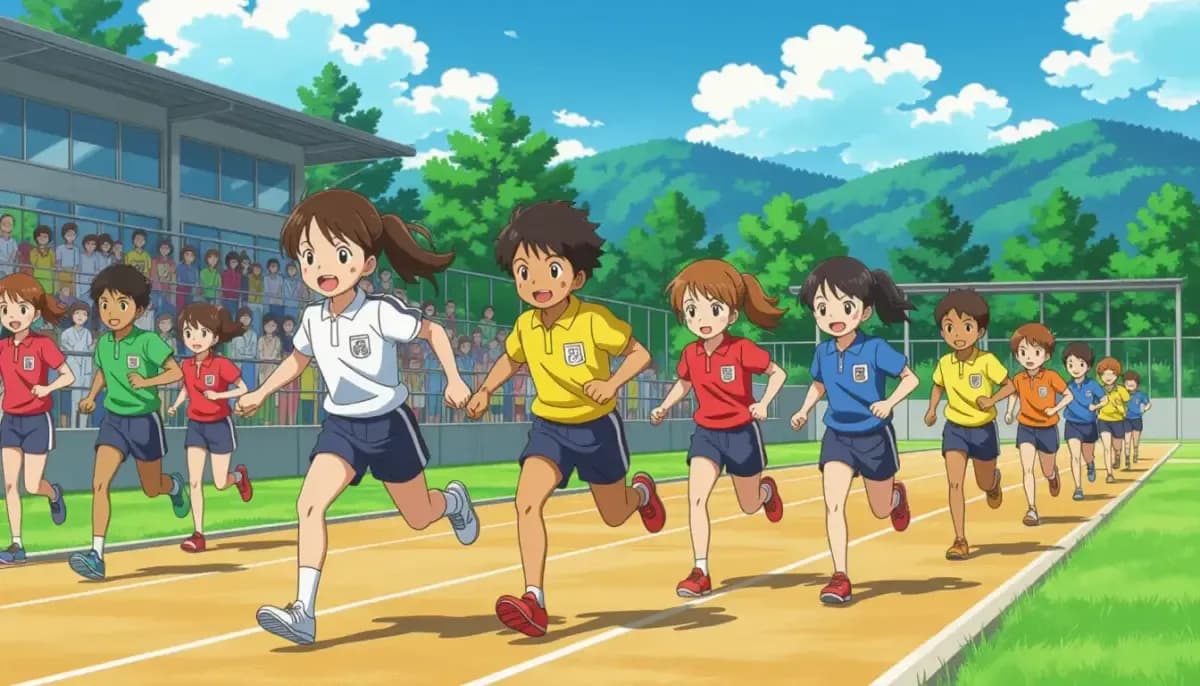
A complete guide to the Japanese school events calendar for foreign parents. Learn about Sports Day, Cultural Festival, graduation ceremonies, and all major school events throughout the year.
School Events Calendar: What to Expect Throughout the Year in Japan
Navigating the Japanese school year as a foreign parent can feel overwhelming at first. From cherry blossom entrance ceremonies to emotionally charged graduation days, Japan's school events calendar is packed with meaningful milestones — many of which require parent participation and preparation. This guide walks you through every major event you can expect throughout the academic year, complete with Japanese vocabulary, cultural context, and practical tips for foreign families.
Understanding Japan's School Year Structure
Before diving into specific events, it helps to understand how the Japanese academic year is structured. Unlike Western countries where school typically starts in September, Japan's school year begins in April and ends in March, aligned with the national fiscal year.
The school year is divided into three terms:
| Term | Period | Key Events |
|---|---|---|
| Term 1 (一学期) | April – July | Entrance Ceremony, Sports Day, Field Trips, Class Observations |
| Summer Break | Late July – Late August | ~30-40 days, extensive homework |
| Term 2 (二学期) | September – December | Cultural Festival, School Trip, Music Festival |
| Winter Break | Late December – Early January | ~2 weeks |
| Term 3 (三学期) | January – March | Graduation Ceremony, Closing Ceremony |
| Spring Break | Late March – Early April | ~2 weeks, bridging school years |
One of the first things you will receive at the start of the school year is the annual events schedule (年間行事予定表, nenkan gyoji yotei-hyo) — a calendar that essentially determines your family's plans for the next 12 months. More detailed monthly schedule sheets (月間予定表) are distributed each month and take priority over the annual version.
Japanese students attend school 200–220 days per year, roughly 40 more days than American students. Understanding the rhythm of this demanding calendar helps foreign families stay prepared and involved.
For a broader overview of how the Japanese school system works, see our Complete Guide to the Japanese Education System for Foreign Families.
Term 1 Events (April – July): The Busiest Season for New Families
The first term is the most event-dense period of the year, especially for families with children entering school for the first time.
Entrance Ceremony (入学式, Nyuugakushiki) — Early to Mid-April
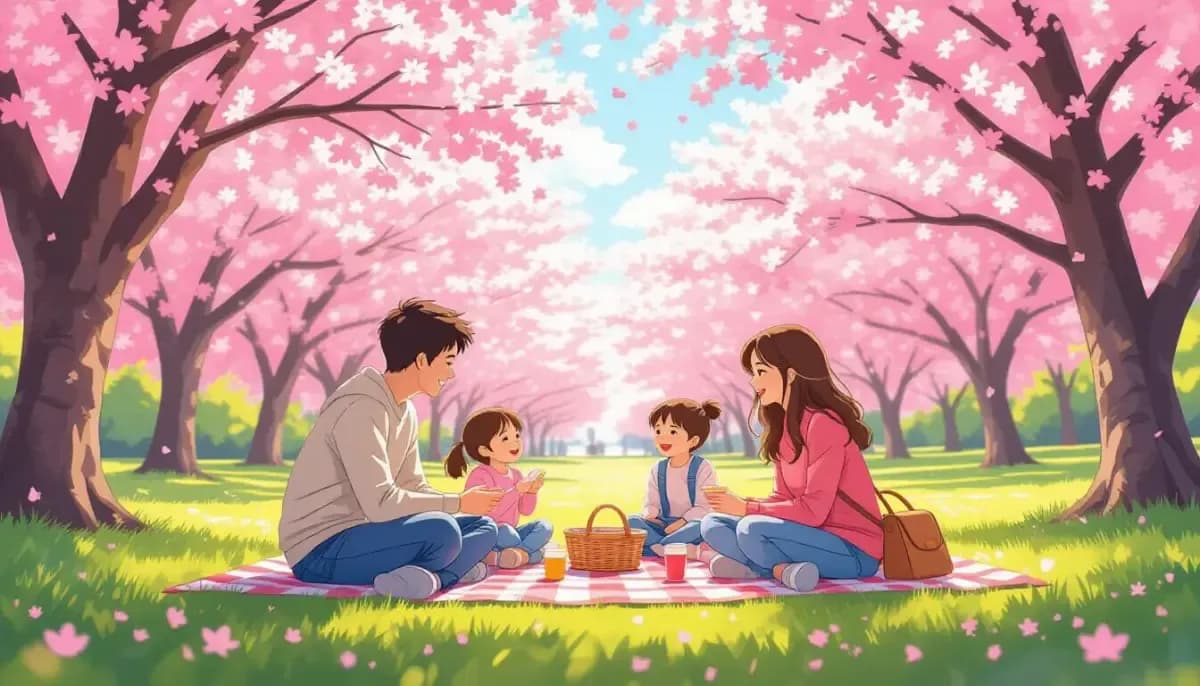
The entrance ceremony marks the official beginning of school life and is one of the most formal events in the Japanese educational calendar. Held in early to mid-April — often coinciding with cherry blossom season — the ceremony typically includes:
- A welcome speech from the principal
- The school anthem
- Introduction of new teachers
- Commemorative class photos
What parents should know: This is a formal occasion. Both students and parents are expected to dress formally — think suits, formal dresses, or traditional Japanese attire. Many schools require parents to wear formal shoes, not sneakers. Bring a camera.
Sports Day (運動会, Undoukai / 体育祭, Taiikusai) — May–June or September–October
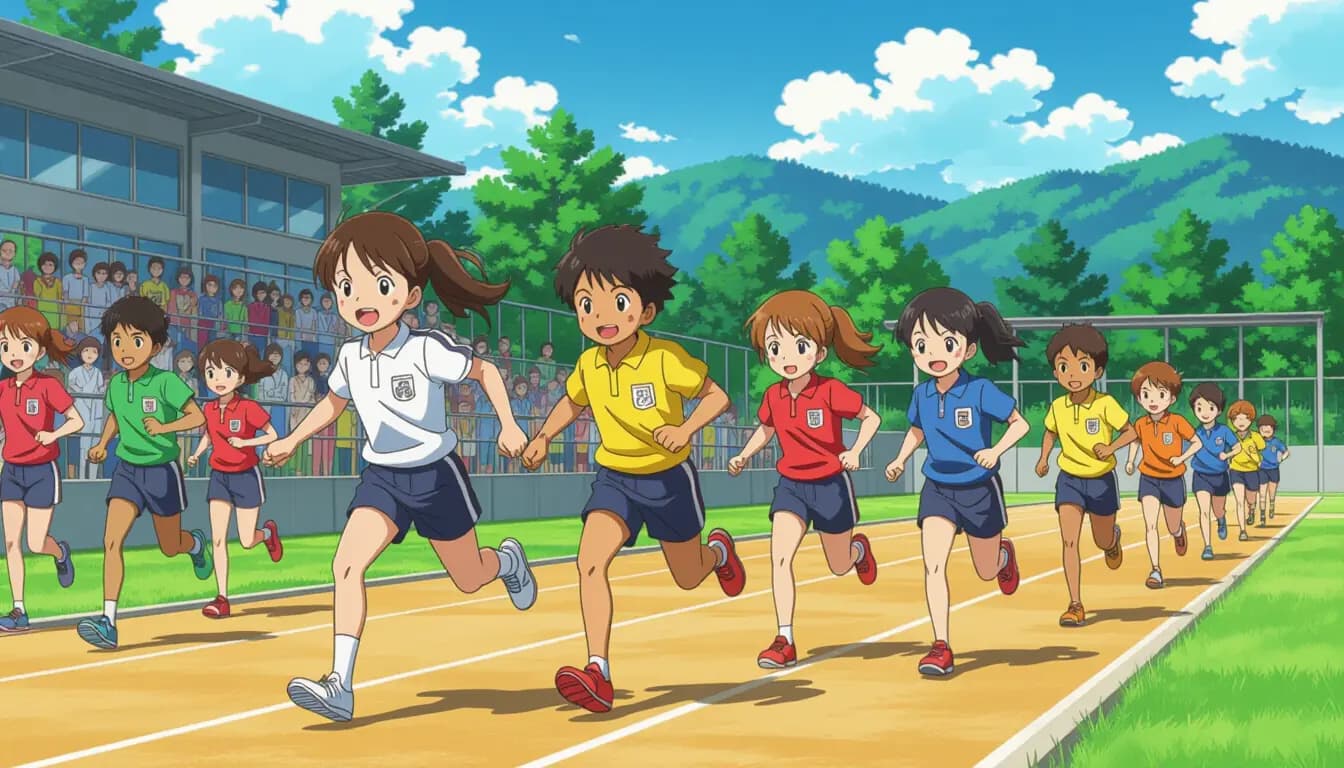
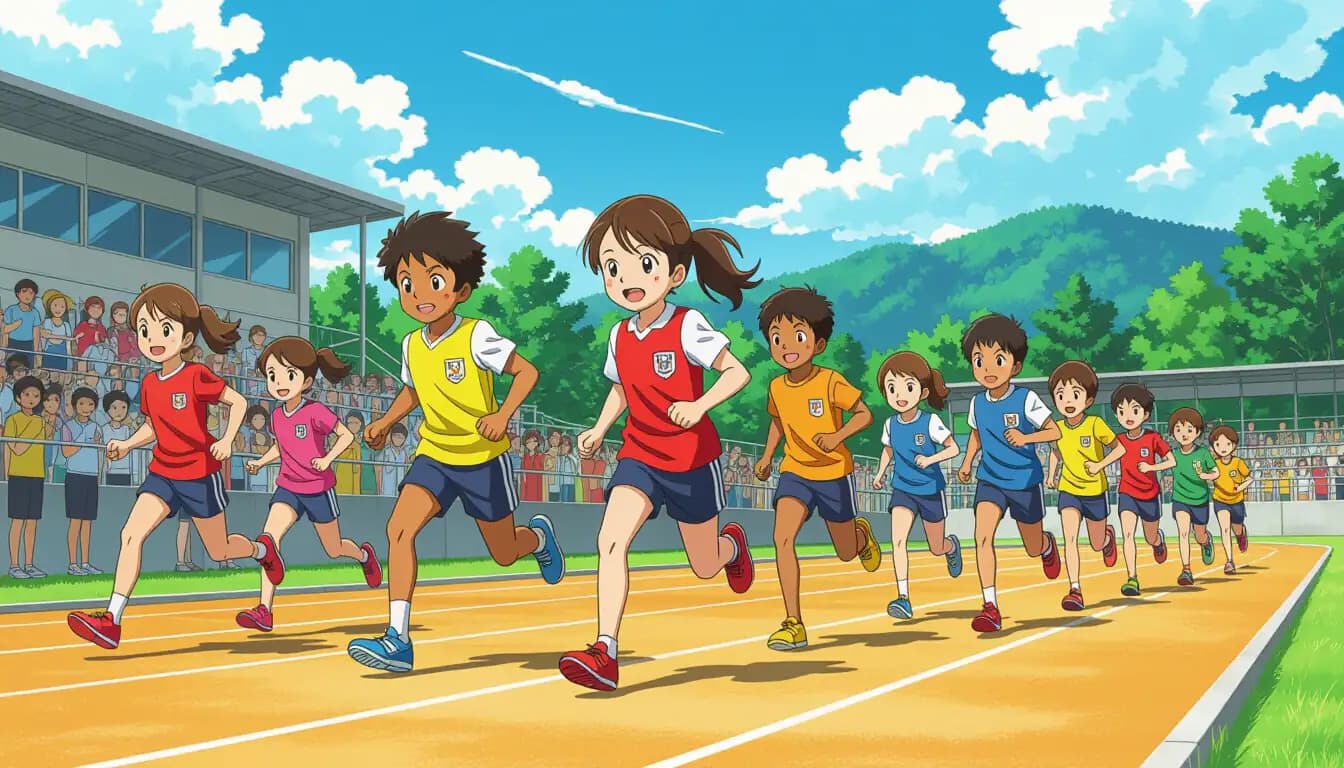
Sports Day is often described as the "Super Bowl" of Japanese school events. For many families, it is the most anticipated — and most logistically demanding — day of the school year. In recent years, many schools have shifted Sports Day to spring (May–June) to avoid conflicts with autumn exam season.
Events typically include:
- Relay races
- Tug-of-war
- Giant ball rolls
- Sack throws
- Group gymnastics and choreographed formations
What parents should know: Sports Day is almost always held on a Saturday. A substitute holiday (振替休業日) follows on the next weekday. Parents bring bento boxes, picnic blankets, and arrive early to claim good viewing spots. It can feel like a community festival — many families come with grandparents in tow.
Class Observation Days (授業参観, Jugyou Sankan) — Typically Once Per Semester
Class observation days invite parents to watch their child's class in action. The first observation of the year is often held in May or June. Schools also hold parent-teacher meetings (保護者会, hogoshakai) around the same time.
What parents should know: Bring indoor slippers (uwabaki) to change into when entering the school building. Some schools also ask parents to wear name tags. These events are excellent opportunities to meet your child's teacher and other parents — essential networking for any foreign family navigating the Japanese school system.
Field Trips (遠足, Ensoku) — Spring and Autumn
Field trips vary by grade:
- Grades 1–3: Short walking trips to local spots (supermarkets, police stations, parks)
- Grades 4–6: Extended bus trips to museums, observatories, farms, or factories
What parents should know: Students bring packed lunches. Each trip has a reserve date (予備日) in case of rain. Weather-related cancellations are common, so keep your schedule flexible.
For more information on what elementary school life looks like day-to-day, see our Elementary School in Japan: A Complete Guide for Foreign Parents.
Term 2 Events (September – December): Culture and Milestones
Term 2 brings some of the most culturally rich school events in Japan, particularly for older students.
Disaster Prevention Drills (避難訓練, Hinan Kunren) — September
Japan's schools take disaster preparedness seriously. Earthquake and fire evacuation drills are held regularly throughout the year, with many scheduled in September, coinciding with Japan's national Disaster Prevention Day (防災の日, Bousai no Hi) on September 1st — marking the anniversary of the 1923 Great Kanto Earthquake.
Some schools also conduct child pick-up emergency training (引き渡し訓練, hikiwatashi kunren), where parents collect children from school as they would in a real earthquake emergency.
What parents should know: Take these drills seriously. Confirm your emergency contact information is up to date with the school. Know your child's designated pick-up procedure.
Cultural Festival (文化祭, Bunkasai / 学園祭, Gakuensai) — September–November
The cultural festival is primarily a middle school and high school event, and it is where students take genuine creative ownership. Students — not teachers — organize and run nearly everything:
- Food stalls
- Theater performances
- Art exhibitions
- Haunted houses
- Musical performances
Preparation typically begins 2–3 months in advance, with students deciding themes and delegating responsibilities. For many Japanese students, the cultural festival is their most treasured school memory.
What parents should know: Cultural festivals are often open to the public. Even if your child is not involved, attending a local school's festival is a wonderful way to engage with the community.
School Trip (修学旅行, Shugaku Ryokou) — Autumn (Grade-Dependent)
The school trip is a multi-day educational excursion typically taken in 5th or 6th grade for elementary students, and annually for middle and high school students. Common destinations include:
- Kyoto and Nara (historical culture)
- Hiroshima (peace education)
- Hokkaido (nature and agriculture)
- Okinawa (subtropical culture and WWII history)
Some schools offer overseas options for high school students.
What parents should know: Your child will be away for several days. Schools provide detailed preparation checklists. Many foreign parents find this trip is where their child makes their closest Japanese friendships.
Music and Drama Festival (音楽発表会, Ongaku Happyoukai) — November–December
Students perform instrumental pieces and theatrical productions in events lasting anywhere from one day to a full week. These are held in the school gymnasium or a nearby community hall.
What parents should know: Practice at home becomes intense in the weeks leading up to the festival. Expect your child to be rehearsing the same recorder piece for a month straight.
For insights on raising children to thrive in both Japanese and international environments, visit our guide on Raising Bilingual Children in Japan.
Term 3 Events (January – March): Endings and New Beginnings
Graduation Ceremony (卒業式, Sotsugyoushiki) — March
The graduation ceremony is perhaps the most emotionally significant event in the Japanese school calendar. Held in March, it is a highly formal affair. 5th graders participate in the ceremony to send off 6th graders with flowers and gifts; other grades typically have the day off.
The ceremony includes:
- Formal roll call and diploma presentation
- Speeches from students and the principal
- School anthem
- Farewell songs
A beloved tradition: graduating students give the second button of their school uniform (第二ボタン, dai-ni botan) — the one closest to the heart — to someone special.
What parents should know: Dress formally. This event often moves parents to tears, including foreign parents who were not expecting the emotion.
Closing Ceremonies (終業式, Shuugyoushiki) — End of Each Term
Each term ends with a closing ceremony where students receive their report cards (通知表, tsuuchi-hyo). In Japan, grades are often reported on a 1–5 or 1–3 scale, along with behavioral and attitude assessments.
What parents should know: Review the report carefully and discuss it with your child's teacher at the next parent-teacher meeting if you have questions or concerns.
Year-Round Events to Know About
Some events do not fit neatly into a single term:
Medical Check-Ups (健康診断, Kenkou Shindan) — April–May
Annual full-body check-ups, including dental examinations, are conducted for all students in April and May.
Swimming Instruction (水泳指導, Suiei Shidou) — Summer
Most Japanese public schools have pools and conduct swimming instruction during summer. Parents must stamp the child's daily pool participation card (プール参加カード) to confirm the child is healthy enough to swim each day.
Home Visits (家庭訪問, Katei Houmon) — Spring
Teachers visit students' homes in spring to meet parents and observe the home environment. Some schools have shifted to area visits (地区訪問) where teachers walk through the neighborhood rather than entering individual homes.
School Anniversary Day (開校記念日) — Varies by School
Each school has its own anniversary holiday — a school-specific day off unique to that institution. It is surprisingly a good day to visit popular attractions, as most local schoolchildren will be off school that day.
Tips for Foreign Parents Navigating the Events Calendar
| Challenge | Practical Solution |
|---|---|
| Can't read Japanese announcements | Use a translation app (Google Translate camera mode works well for printed sheets) |
| Don't know the dress code | Ask the class teacher (担任, tanin) directly — they will appreciate the question |
| Unsure about bento requirements | Check with the class parent rep (学年委員, gakunen iin) |
| Missing events due to work | Inform the teacher in advance — it's accepted but always communicate |
| PTA participation pressure | Participation is optional but useful; consider joining at least the first year |
Stay organized:
- Keep a family calendar and update it as soon as you receive the annual schedule
- Monthly plan sheets take precedence — read them carefully each month
- Set reminders 1–2 weeks before events requiring preparation (bento boxes, formal wear, permission slips)
Embrace participation:
- Japanese schools deeply value community involvement
- Your child notices and appreciates your presence at events
- Attending even one or two major events per term builds significant goodwill with teachers and other families
For comprehensive guidance on all aspects of Japanese school life, Living in Nihon offers useful resources for foreign residents navigating daily life in Japan. For Work in Japan provides helpful guides for working expats with families. For academic support and study resources, Chuukou Benkyou is a helpful reference for middle and high school content.
For more practical guides on healthcare and legal topics for foreign families in Japan, explore our articles on Healthcare and Medical Care for Children in Japan and Visa and Legal Issues for Foreign Families with Children in Japan.
Annual Events Calendar at a Glance
| Month | Key Events |
|---|---|
| April | Entrance Ceremony, School Start, Medical Check-ups, Home Visits |
| May | Class Observation Day, Parent-Teacher Meeting, Field Trips (lower grades) |
| June | Sports Day (spring version), Swimming Instruction Begins |
| July | Closing Ceremony (Term 1), Summer Break Begins |
| August | Summer Vacation, Homework Due at Term End |
| September | School Start (Term 2), Disaster Prevention Drill, Cultural Festival Prep Begins |
| October | Sports Day (autumn version), School Trip (varies by school/grade) |
| November | Cultural Festival, Music and Drama Festival Prep |
| December | Music Festival, Winter Break Begins |
| January | School Start (Term 3) |
| February | Student Artwork Exhibition, Kindergarten Open School |
| March | Graduation Ceremony, Closing Ceremony, Spring Break |
Additional resources for navigating the Japanese school year:
- Savvy Tokyo: Kanji Cheat Sheet for Elementary School Events
- Japan Living Guide: School Activities Calendar
Conclusion
Japan's school events calendar is rich, structured, and deeply community-oriented. As a foreign parent, understanding what is coming — from the formality of entrance and graduation ceremonies to the joyful energy of Sports Day — allows you to participate meaningfully in your child's education. While the sheer number of events can feel daunting at first, most foreign families find that this involvement becomes one of the most rewarding aspects of raising children in Japan.
Keep your annual schedule handy, dress up when required, pack a thoughtful bento, and enjoy the journey through each season of the Japanese school year.

Originally from Vietnam, living in Japan for 16+ years. Graduated from Nagoya University, with 11 years of professional experience at Japanese and international companies. Sharing practical information for foreign parents raising children in Japan.
View Profile →Related Articles
Cherry Blossom Season (Hanami) with Children
Complete guide to enjoying cherry blossom season (hanami) with children in Japan. Best family parks, safety tips, what to bring, cultural etiquette, and activities for kids during sakura season.
Read more →
Japanese Summer Festivals (Matsuri) with Kids
Complete guide to Japanese summer festivals (matsuri) for foreign families with children. Top festivals, kid-friendly activities, yukata tips, heat safety, and how to participate respectfully.
Read more →
Seasonal Crafts and Activities to Do with Your Children
Discover the best seasonal crafts and activities to do with your children in Japan — from spring koinobori and Tanabata wishes to autumn moon viewing and Setsubun bean throwing. A complete guide for expat families.
Read more →
Christmas Celebrations in Japan with Children
Complete guide to celebrating Christmas in Japan with kids: KFC traditions, stunning illuminations, gift shopping, at-home crafts, and practical tips for foreign families living in Japan.
Read more →
Halloween in Japan: How Families Celebrate
Discover how families celebrate Halloween in Japan: theme park events, shopping mall trick-or-treat routes, school parties, and the best family-friendly Halloween events across the country.
Read more →
Obon Festival Explained for Foreign Families
A complete guide to Obon festival for foreign families in Japan: dates, traditions, Bon Odori, Toro Nagashi, and how your family can participate respectfully and joyfully.
Read more →