Community and Support Networks for Foreign Families in Japan
A complete guide to community and support networks for foreign families in Japan—government centers, expat parent groups, school support, healthcare resources, and legal aid for foreign residents raising children in Japan.
13 articles
Community and Support Networks for Foreign Families in Japan
Moving to Japan with children is an adventure full of excitement—and moments of genuine bewilderment. School enrollment forms in kanji, doctors who don't speak English, playgrounds where your child doesn't yet share a language with the other kids. But here's the reassuring truth: you are far from alone. Japan's foreign resident population has grown to approximately 3.77 million people as of 2024—about 3.04% of the total population—and a robust ecosystem of support networks, both official and grassroots, has grown alongside it. This guide maps out the full landscape of community and support resources available to foreign families raising children in Japan, from government-backed multilingual centers to online parent groups and school support systems.
Government-Backed Multilingual Support Centers
Japan's national and prefectural governments operate a network of dedicated multicultural support centers designed specifically for foreign residents. These are often the best first call when facing bureaucratic or legal challenges.
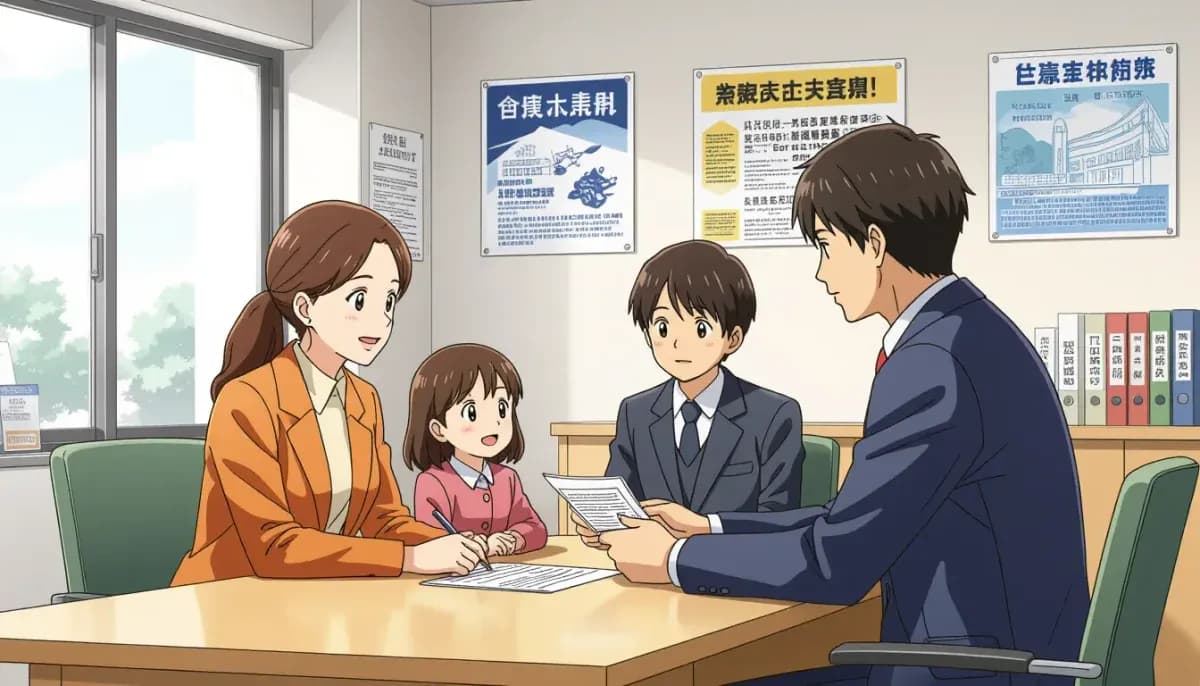
Government-Backed Multilingual Support Centers - illustration for Community and Support Networks for Foreign Families in Japan
FRESC (Foreign Residents Support Center) – Tokyo Located in Shinjuku, FRESC offers one-stop consultations on visas, employment, healthcare, and daily life across multiple languages. It is operated in partnership with the Ministry of Justice and is a critical resource for residents of the greater Kanto area.
OFIX (Osaka Foundation of International Exchange) Based in Osaka, OFIX provides support in 11 languages, including consultations on healthcare, legal matters, and mental health. Their multilingual counseling services are especially valuable for families navigating the Japanese medical and school system.
YOKE (Yokohama Association for International Communications and Exchanges) YOKE offers services in 12 languages and runs support programs specifically for children, including Japanese language classes and school transition assistance for newly arrived foreign students.
Other Major Centers
Center
Location
Languages
Key Services
FRESC
Tokyo (Shinjuku)
Multiple
Visa, legal, daily life consultations
OFIX
Osaka
11
Healthcare, legal, mental health
YOKE
Yokohama
12
Children's support, school transition
KICC
Kobe
Multiple
Cultural exchange, daily life support
NIC
Nagoya
Multiple
Residency procedures, Japanese classes
FCIF
Fukuoka
Multiple
Information, community events
In addition to these major centers, every one of Japan's 47 prefectures has a local International Exchange Association (国際交流協会, kokusai kōryū kyōkai). These smaller regional centers often organize Japanese language classes, cultural exchange events, and direct referrals to local services. Finding yours is as simple as searching "[your city] 国際交流協会."
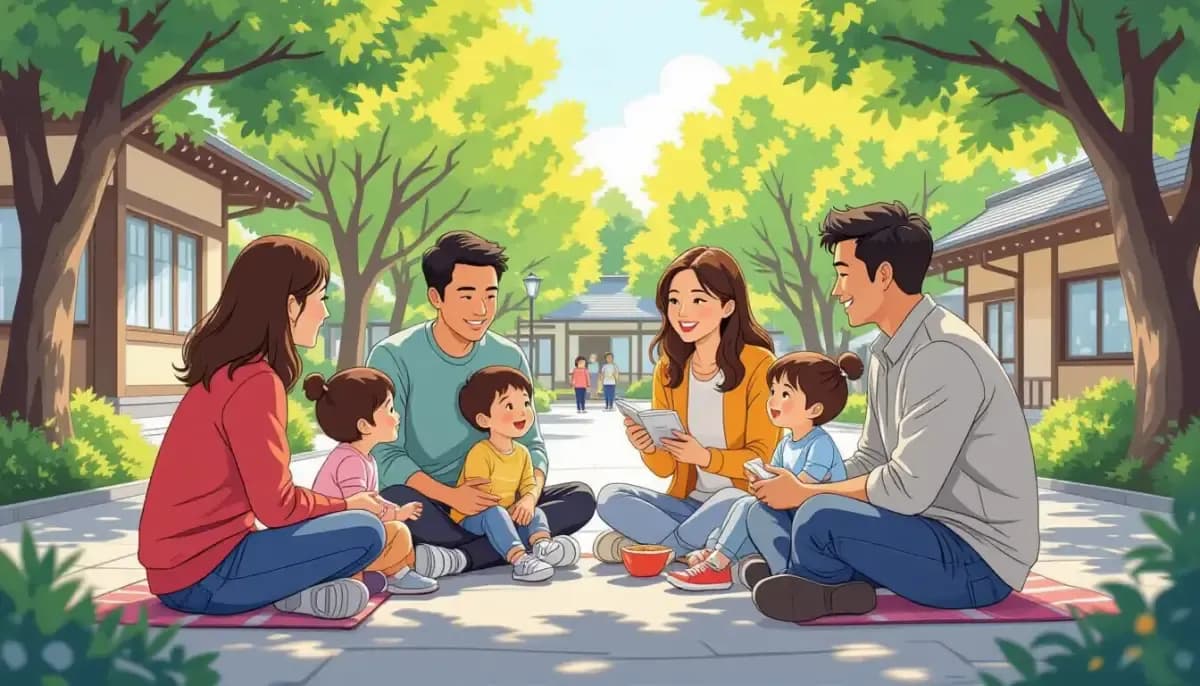
Some of the most practical day-to-day support for foreign families comes not from official bodies, but from other parents who have been there before. Japan has a thriving ecosystem of expat parent communities, both in-person and online.
Tokyo Mothers Group One of the longest-running English-speaking parent networks in Japan, Tokyo Mothers Group is volunteer-run and organizes regular meetups, playgroups, and resource sharing for English-speaking parents in the Tokyo area. Members commonly help each other with everything from school application translations to stroller recommendations.
Mother's Tree Japan This organization specifically supports foreign mothers in Japan, with a focus on emotional wellbeing, social connection, and navigating pregnancy and early parenting in a new country. See more about birth and early parenting in our guide on Pregnancy and Giving Birth in Japan as a Foreign Parent.
Global MOM to MOM An international support group connecting mothers across language barriers with peer-to-peer support, particularly focused on postpartum mental health and child-rearing challenges.
Tokyo Expat Network (TEN) With over 30,000 members on Facebook, TEN is one of the largest English-speaking expat communities in Japan. The group is an excellent source for local recommendations, event announcements, and real-time advice from experienced residents.
r/japanlife on Reddit With 479,000 members, the r/japanlife subreddit is an always-active resource for foreign residents across all of Japan. Threads cover everything from visa questions to school enrollment, and the search function surfaces answers to most common questions.
For networking specific to work and professional life, the team at For Work in Japan also provides valuable guidance on family-related insurance and benefits for working foreign residents.
School Support and Educational Integration
One of the most common sources of stress for foreign families is the Japanese school system. Children who arrive with little or no Japanese need additional support, and navigating the enrollment and communication process can be daunting for parents.
JSL (Japanese as a Second Language) Support Many public schools, particularly in areas with high foreign resident populations, have designated JSL teachers who work with newly arrived foreign students. These teachers provide pull-out Japanese language instruction and help children integrate socially. The availability and quality of JSL support varies significantly by municipality.
Multicultural Education Support Organizations Organizations like CAPIC (Center for Assistance to People in the Intercultural Community) and FIA (Foreigners in Aichi) work directly with families and schools to provide interpretation during parent-teacher meetings, help with school application materials, and advocate for multilingual school communications.
Municipal Education Boards If your child needs additional support at school, direct contact with the local Board of Education (教育委員会, kyōiku iinkai) is often productive. They can arrange interpreter support for school meetings and identify available JSL resources.
Online Resources and Multilingual Information Platforms
The digital landscape has dramatically expanded access to information and peer support for foreign families in Japan.
ecdsuishin.com (Multilingual Pregnancy and Childcare Support) This government-affiliated multilingual childcare support website launched in 2020 and has been accessed from 757 municipalities across all 47 prefectures. It offers information in 11 languages including Easy Japanese, Vietnamese, Tagalog, Portuguese, and Nepali—making it an essential resource for families whose primary language is not English.
Living in NihonLiving in Nihon provides a comprehensive English-language guide to foreigner communities and networking in Japan, including information on finding local groups and building social connections.
Japan Handbook A well-maintained English-language resource covering expat community groups both online and offline, with listings of major Facebook groups, LINE communities, and in-person meetup organizations.
Mobal Japan Mobal's blog section includes in-depth guides for navigating life in Japan as a foreigner, including a dedicated resource on support centers that is regularly updated with current contact information and operating hours.
Healthcare and Mental Health Support for Foreign Families
Access to culturally competent healthcare is a frequent concern for foreign families. Japan's healthcare system is excellent, but language barriers and different medical communication styles can make it stressful to navigate.
Healthcare and Mental Health Support for Foreign Families - illustration for Community and Support Networks for Foreign Families in Japan
ISSJ (International Social Service Japan) The ISSJ provides counseling and social support services for migrants and foreign residents in Japan, including family counseling, legal support, and crisis intervention. Their multilingual counseling services are available in multiple languages and are free or low-cost for qualifying families.
English-Speaking Doctors and Hospitals International clinics like Tokyo Medical and Surgical Clinic, St. Luke's International Hospital (Tokyo), and Osaka Adventist Hospital maintain multilingual staff and are experienced with foreign patient families. Many prefectural governments maintain online lists of medical institutions with foreign language support.
Mental Health Resources Social isolation and cultural adjustment are documented challenges for foreign families in Japan, particularly during the early years. Resources like TELL Japan (Tokyo English Life Line), Befrienders Japan, and the AMDA International Medical Information Center provide mental health support and crisis counseling in English and other languages.
Social Insurance and Health Coverage for Families Foreign workers enrolled in Japanese social health insurance (健康保険) can add family members as dependents at no additional premium cost. Dependents are covered for up to 70% of medical expenses, provided they earn under ¥1.3 million annually and have registered Japanese residence (住民票). As of December 2024, the traditional health insurance card has been replaced by the My Number Card (マイナ保険証) system—ensure your entire family is enrolled.
Legal Aid and Visa Support for Foreign Families
Visa and legal questions are among the most stressful challenges for foreign families, particularly those whose status is tied to employment.
FRESC and Prefectural Legal Aid Government support centers like FRESC provide free or subsidized legal consultations for foreign residents on matters including visa renewal, dependent registration, divorce, and custody. Many also connect families with pro-bono legal professionals specializing in immigration.
Japan Legal Support Center (Houterasu) Houterasu is a national legal aid organization that provides free legal information and referrals to low-income residents, including foreign nationals. Multilingual staff are available by phone and online.
Additionally, Chuukou Benkyou provides useful information on educational pathways for children returning from abroad or entering Japanese schools as foreign nationals.
Building Your Own Support Network in Japan
Beyond the formal resources, building genuine social connections takes intentional effort in Japan—especially if you don't yet speak Japanese fluently. Here are practical steps that work:
Join your local international exchange association. They run language exchanges and cultural events where you'll meet both Japanese people interested in other cultures and other foreign residents.
Get active in your school's PTA or parent community. Even with a language barrier, showing up consistently builds trust and creates connections.
Use LINE. Japan's dominant messaging app is how most local groups, school communities, and neighborhood organizations communicate. Getting added to relevant LINE groups is often a turning point for feeling connected.
Attend ward office (区役所) information sessions. Many municipal offices hold periodic information sessions for foreign residents, covering topics from healthcare to disaster preparedness.
Connect with nationality-specific communities. Most larger cities have active Chinese, Korean, Filipino, Vietnamese, Brazilian, and other nationality-specific communities with their own support structures, social events, and information networks.
Consider raising bilingual children intentionally. Building Japanese language ability in your children opens doors to deeper community integration. See our guide on Raising Bilingual Children in Japan for strategies.
Foreign families in Japan are supported by a combination of government-funded multilingual centers, grassroots parent communities, digital information platforms, and social networks that have evolved to meet the real needs of a growing international resident population. Whether you need help with a school enrollment form, a recommendation for an English-speaking pediatrician, or simply want to connect with other parents raising children in a culture that isn't entirely your own, these resources exist and are accessible.
The key is knowing they exist. Bookmark the support centers relevant to your prefecture, join two or three of the online communities that fit your situation, and reach out when you need help. The expat family community in Japan is remarkably generous with its knowledge—and you'll soon find yourself sharing what you know with the family that arrived last month.