
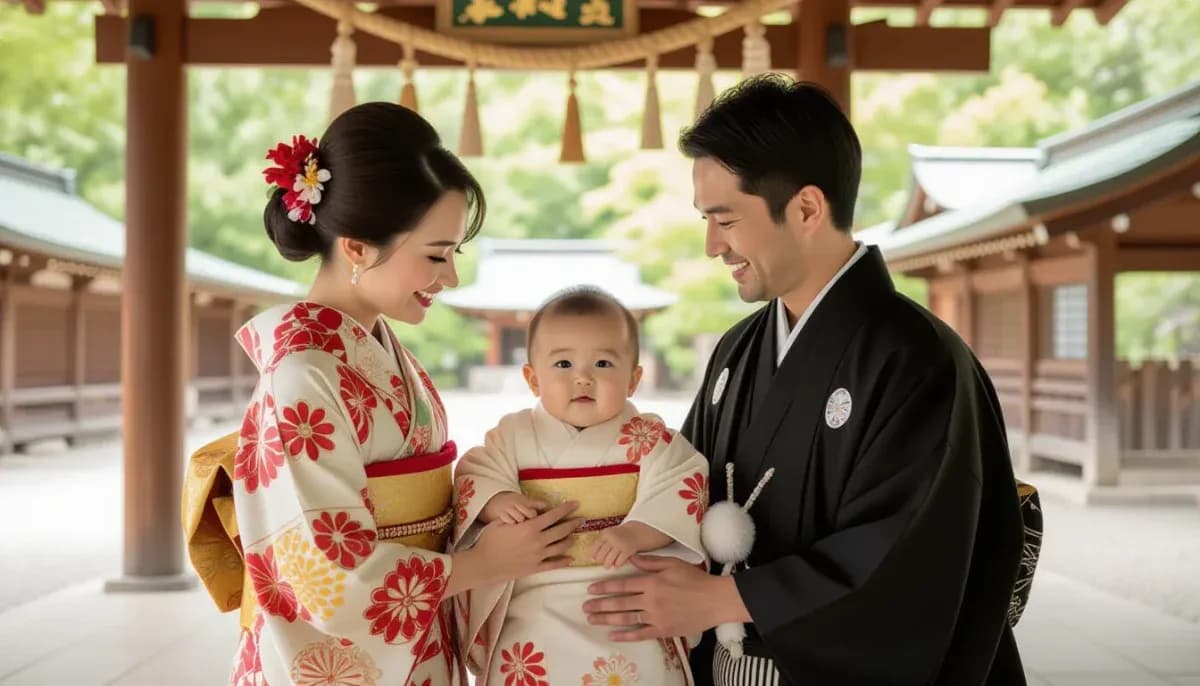
Japanese Birth Customs and Cultural Traditions
Discover Japanese birth customs from Oshichiya naming ceremony to Shichi-Go-San milestone rituals. A complete guide for foreign parents raising children in Japan.
Read more →
Complete guide to pregnancy and giving birth in Japan for foreign parents. Covers costs, the ¥500,000 lump-sum grant, prenatal care, hospital experience, maternity leave rights, and post-birth registration steps for expats.
Navigating pregnancy and childbirth in a foreign country is both an exciting and daunting experience. Japan offers world-class maternal healthcare, some of the lowest newborn mortality rates on the planet, and a generous system of government support — but the process can feel overwhelming when you're unfamiliar with the language, bureaucracy, and cultural norms. This comprehensive guide walks foreign parents through every stage: from the moment you discover you're pregnant to the day you bring your baby home, fully registered and ready for life in Japan.
As soon as you suspect you're pregnant, visit an OB-GYN clinic (産婦人科, sanfujinka) for confirmation. This first visit typically costs ¥5,000–¥10,000 out of pocket, as pregnancy is not yet covered by health insurance at this stage. You'll usually be given an internal ultrasound to confirm the heartbeat and estimated due date.
Within days of your confirmed pregnancy, head to your local municipal office (市役所 or 区役所) and submit the pregnancy notification form (妊娠届出書). This is one of the most important steps you can take — it unlocks a cascade of support:
Early registration also connects you to public health nurse consultations, free counseling, and local support services.
Japanese prenatal care follows a structured schedule:
| Stage | Weeks | Frequency |
|---|---|---|
| Early pregnancy | 0–23 weeks | Monthly |
| Mid-pregnancy | 24–35 weeks | Every 2 weeks |
| Late pregnancy | 36 weeks to delivery | Weekly or more |
Each checkup includes weight monitoring, blood pressure measurement, urine testing, and fetal ultrasound. Additional optional screenings such as NIPT (non-invasive prenatal testing for chromosomal abnormalities) are available at specialist clinics for an extra fee.
Japan has two main settings for childbirth: maternity clinics (産院, *san'in*) and general hospitals. Each has its pros and cons for foreign parents.
Maternity clinics are smaller, private facilities run by OB-GYNs or midwives. They typically offer a more personal, hotel-like experience — comfortable private rooms, elaborate celebratory meals (including a traditional five-course iwaizen dinner after delivery), and attentive nursing care. Costs tend to be higher at prestigious Tokyo clinics, often exceeding ¥600,000 for a vaginal delivery.
General hospitals are better suited for high-risk pregnancies or complications. They have neonatal intensive care units (NICUs) and specialist teams on hand. Costs vary but may be lower than private clinics, and C-sections are partially covered by national health insurance (standard 30% copay).
A critical tip for foreign parents: Due to high demand, popular maternity clinics in major cities fill their delivery slots extremely quickly — sometimes within the first trimester. Book your bunben yoyaku (分娩予約, delivery reservation) as early as possible, ideally right after your first confirmed visit.
For English-speaking support, look for clinics that advertise international patient services. Tokyo has the highest concentration of English-friendly OB-GYNs. The AMDA International Medical Information Center provides foreign-language hospital referrals across Japan.
For more on navigating the healthcare system in Japan as a foreigner, see our guide on Healthcare and Medical Care for Children in Japan.
Japan's childbirth costs can seem high at first glance, but a robust system of grants and subsidies dramatically offsets expenses for most families.
| Expense | Typical Range |
|---|---|
| Vaginal delivery (nationwide average) | ~¥518,000 |
| Vaginal delivery (Tokyo) | ¥600,000–¥800,000 |
| C-section (insurance-covered portion) | 30% copay only |
| Hospital stay — private room surcharge | ¥10,000+/day |
| Weekend/holiday delivery surcharge | ¥20,000–¥30,000 |
| Epidural (if chosen) | ¥100,000–¥200,000 extra |
| First prenatal confirmation visit | ¥5,000–¥10,000 |
Note on epidurals: Pain relief during labor is far less common in Japan than in many Western countries. Only 6–12% of births use epidurals nationally. Some clinics do not offer them at all, and those that do often charge a significant surcharge. If pain management during labor is important to you, discuss this with your clinic early and confirm their policy.
This is the cornerstone of Japan's childbirth financial support. As of April 2023, the government increased this grant to ¥500,000 per child (previously ¥420,000). If you are enrolled in Japan's national health insurance or your employer's health insurance, you are eligible.
Through the direct payment system (直接支払制度), the grant is paid directly to your clinic or hospital, meaning you only pay the difference if your delivery exceeds ¥500,000. For uncomplicated deliveries in rural areas or smaller cities, this may cover costs almost entirely. In Tokyo, you should budget for an additional ¥100,000–¥300,000 out of pocket.
For more details on financial support programs, see our guide on Government Benefits and Subsidies for Families in Japan.
Read more about preparing for childbirth procedures in Japan on Living in Nihon
All employed foreign workers in Japan have the same legal rights to maternity and parental leave as Japanese citizens, regardless of nationality.
Learn more about Japan's childbirth and parental leave system at For Work in Japan
The Japanese hospital birth experience is quite different from what many Western parents expect.
Hospital stays are long. A straightforward vaginal delivery typically results in a 5–8 day hospital stay. A C-section means 7–10 days. This extended stay is a feature, not a bug — nurses provide intensive guidance on breastfeeding, newborn care, and recovery. Many hospitals run structured baby-care classes during this time.
Breastfeeding is strongly encouraged. Nurses will help you with latch techniques and many hospitals have lactation consultants. Breastfeeding sessions are typically scheduled every 3 hours. Formula supplementation is available but may require discussion with staff.
Newborn nurseries exist. Unlike some Western hospitals that practice "rooming-in" exclusively, many Japanese hospitals have separate nurseries where newborns are cared for overnight, allowing mothers to sleep and recover. If you prefer to keep your baby in your room at all times, discuss this with the clinic beforehand.
The celebratory dinner is a highlight. Most private clinics serve a special multi-course iwaizen (祝い膳) — a celebratory meal — to mark the birth. It is one of the warmest traditions of Japanese maternity care and something many mothers remember fondly.
For language support, bring a trusted interpreter if possible, or ask your clinic about translation services. Some hospitals charge extra for interpreter support.
The post-birth bureaucratic checklist is important for all parents, and especially for foreign families who have additional immigration-related steps.
| Task | Deadline | Where |
|---|---|---|
| Register the birth (出生届) | Within 14 days | City/ward office |
| Apply for child allowance (児童手当) | Within 15 days | City/ward office |
| Register baby under health insurance | Within 30 days | City/ward office or employer |
| Apply for baby's residence status (在留資格) | Within 30 days | Immigration Bureau (no fee) |
| Register birth with your home embassy/consulate | Varies by country | Embassy/consulate |
Japan follows jus sanguinis (citizenship by blood, not birthplace). A child born in Japan to two foreign national parents does not automatically acquire Japanese citizenship. You must apply for the baby's residence status at the immigration bureau within 30 days of birth.
If at least one parent is a Japanese national, the child is eligible for Japanese citizenship, but you should register the birth both at the municipal office and with any relevant foreign embassy, as dual nationality is a complex topic with time limits under Japanese law.
For a full breakdown of the legal side of raising children in Japan, see our guide on Visa and Legal Issues for Foreign Families with Children in Japan.
Japan's postpartum support system for mothers is extensive, and most of it is free or heavily subsidized.
Public health nurse home visits: A public health nurse will typically visit your home within the first few months to check on mother and baby's health, answer questions, and connect you with local services.
Postpartum care services (産後ケア事業): These municipally-run programs offer rest, breastfeeding support, and newborn care classes either at a facility or via home visit, at a low cost (typically ¥100–¥10,000 per session, means-tested).
Infant health screenings: Free public health checkups are held at approximately 1 month, 3–4 months, 6–7 months, 9–10 months, 18 months, and 3 years. The 18-month and 3-year checkups are legally required nationwide. These are excellent opportunities to address developmental concerns and get referrals to specialists if needed.
Child allowance (児童手当): Once registered, you'll receive ¥15,000 per month for children aged 0–3, and ¥10,000 per month until the end of high school. This applies to foreign residents as well as Japanese citizens, as long as you maintain legal residence status.
For more on what comes next after the newborn phase, read our guide on Baby and Infant Care in Japan: A Guide for Foreign Parents.
One of the most reassuring aspects of giving birth in Japan is the country's outstanding maternal and newborn safety record. Japan has one of the world's lowest newborn mortality rates — approximately 1 death per 1,111 live births in the first month of life, ranking behind only Iceland and Singapore globally (UNICEF). Japan's maternal mortality rate stands at approximately 3.5 per 100,000 live births.
That said, research has found that non-Japanese mothers face approximately twice the age-standardized maternal mortality risk compared to Japanese mothers, often linked to inadequate prenatal care, language barriers, and reduced access to information. This underscores how important it is to start prenatal care early, build a relationship with an English-speaking or multilingual provider, and proactively engage with the municipal support services described in this guide.
See the detailed expat guide to giving birth in Japan at Japan Dev
Read the comprehensive foreign parent experience at Metropolis Japan
Further support and language resources for families via Chuukou Benkyou
Use this checklist to stay organized throughout your pregnancy and after birth:
| Milestone | Action Required |
|---|---|
| Pregnancy confirmed | Visit OB-GYN; submit 妊娠届出書 at municipal office |
| Municipal registration | Receive 母子手帳 + coupon booklet + maternity badge |
| First trimester | Book delivery reservation (分娩予約) at clinic/hospital |
| Throughout pregnancy | Attend scheduled prenatal checkups; use coupon booklet |
| Before birth | Prepare hospital bag; discuss pain management preferences |
| Day of birth | Enjoy your stay; take notes during nursing guidance |
| Within 14 days | Register birth (出生届) at city/ward office |
| Within 15 days | Apply for child allowance (児童手当) |
| Within 30 days | Register baby under health insurance; apply for baby's residence status |
| Ongoing | Attend free infant health screenings; welcome public health nurse visit |
Welcoming a child into the world is remarkable in any country. In Japan, the combination of attentive medical care, structured postpartum support, and generous government grants makes it a genuinely supportive environment — once you know how to navigate it. Start early, ask questions, and take full advantage of the resources available to you.
For what comes after the newborn stage, explore our complete guide on Toddler Parenting in Japan: Ages 1 to 3 and our broader resource on The Complete Guide to the Japanese Education System for Foreign Families.
Discover Japanese birth customs from Oshichiya naming ceremony to Shichi-Go-San milestone rituals. A complete guide for foreign parents raising children in Japan.
Read more →
Step-by-step guide to registering your baby's birth in Japan as a foreign parent. Learn deadlines, required documents, status of residence applications, and more.
Read more →
Everything foreign parents need to know about post-birth hospital stays in Japan: duration, daily routine, meals, costs, discharge process, and postpartum recovery support.
Read more →
A complete guide for foreign residents managing a high-risk pregnancy in Japan. Learn about hospital types, costs, financial support, language barriers, and how Japan's world-class perinatal care system works for expats.
Read more →
Compare hospitals, maternity clinics, and midwife birth centers in Japan. Learn costs, what to expect, epidural availability, and how to choose the right facility for your birth as a foreigner.
Read more →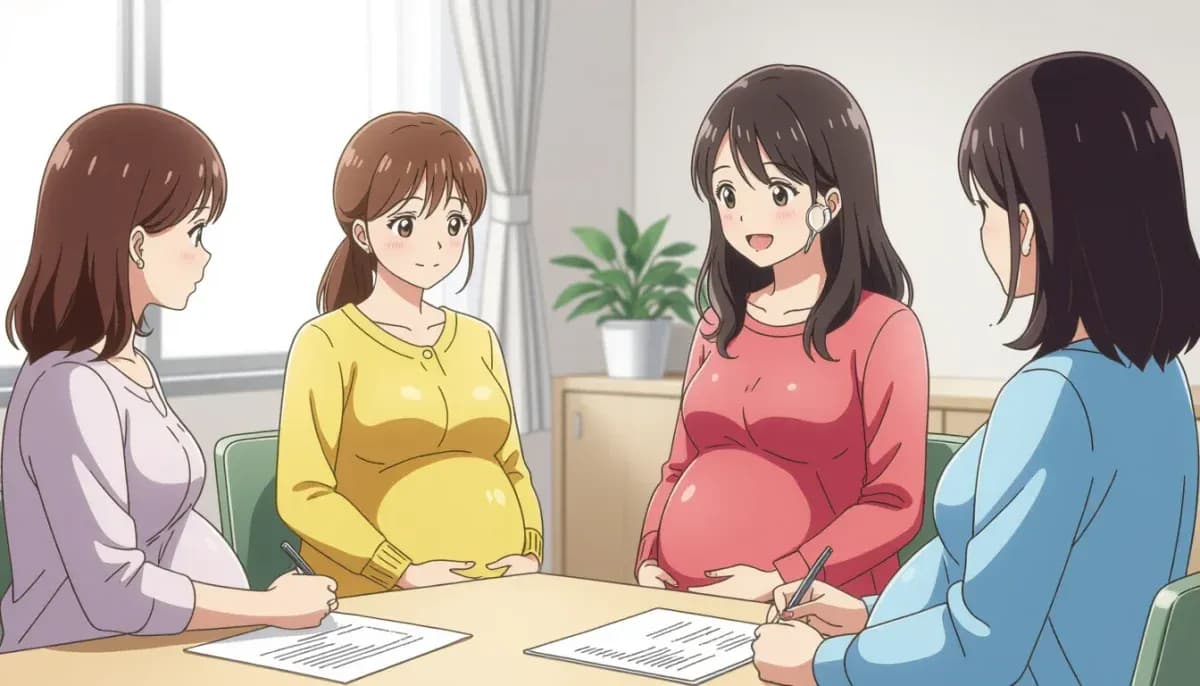
Complete guide to prenatal classes and birth preparation in Japan for foreign parents. Learn about ryoshin gakyu classes, prenatal checkup schedules, costs, choosing a birth facility, and post-birth procedures.
Read more →
Everything foreign parents need to know about maternity leave, paternity leave, and childcare leave in Japan. Durations, pay rates, eligibility, 2025 changes, and practical tips for expats.
Read more →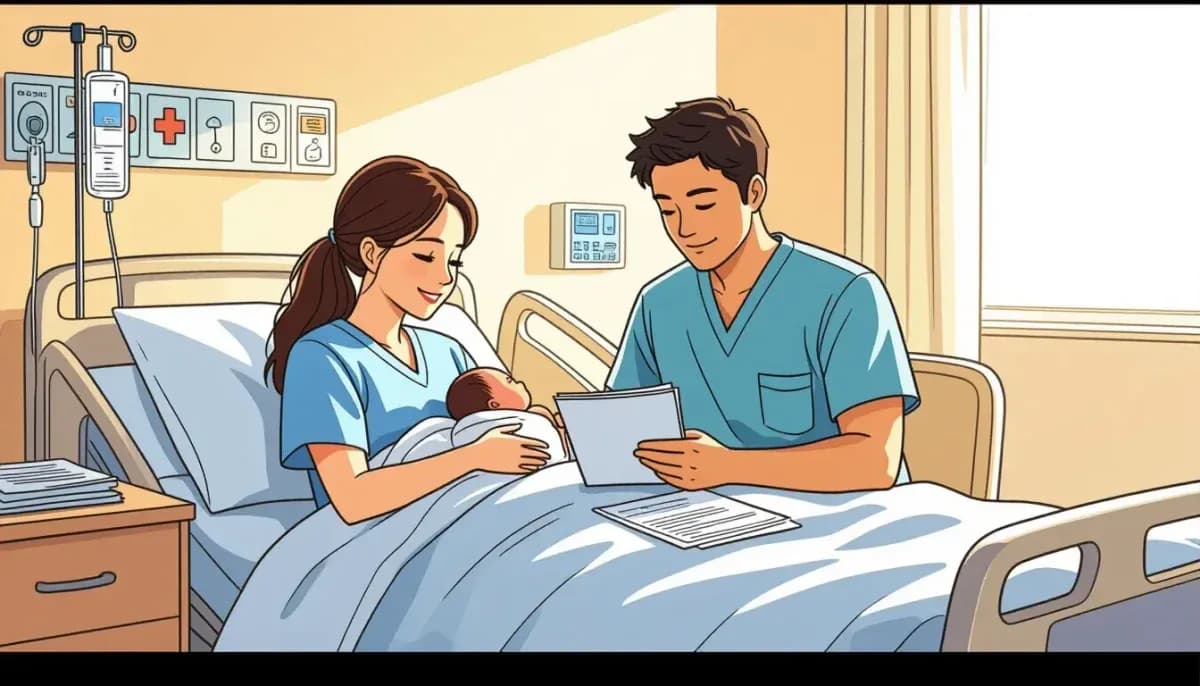
Everything foreign parents need to know about birth costs in Japan and how to claim the 500,000 yen lump-sum birth allowance (出産育児一時金). Includes eligibility, direct payment, and more.
Read more →
Comprehensive guide to natural birth vs cesarean section in Japan for foreigners. Learn about costs, insurance coverage, hospital stays, pain relief options, and expert tips for expat parents planning childbirth in Japan.
Read more →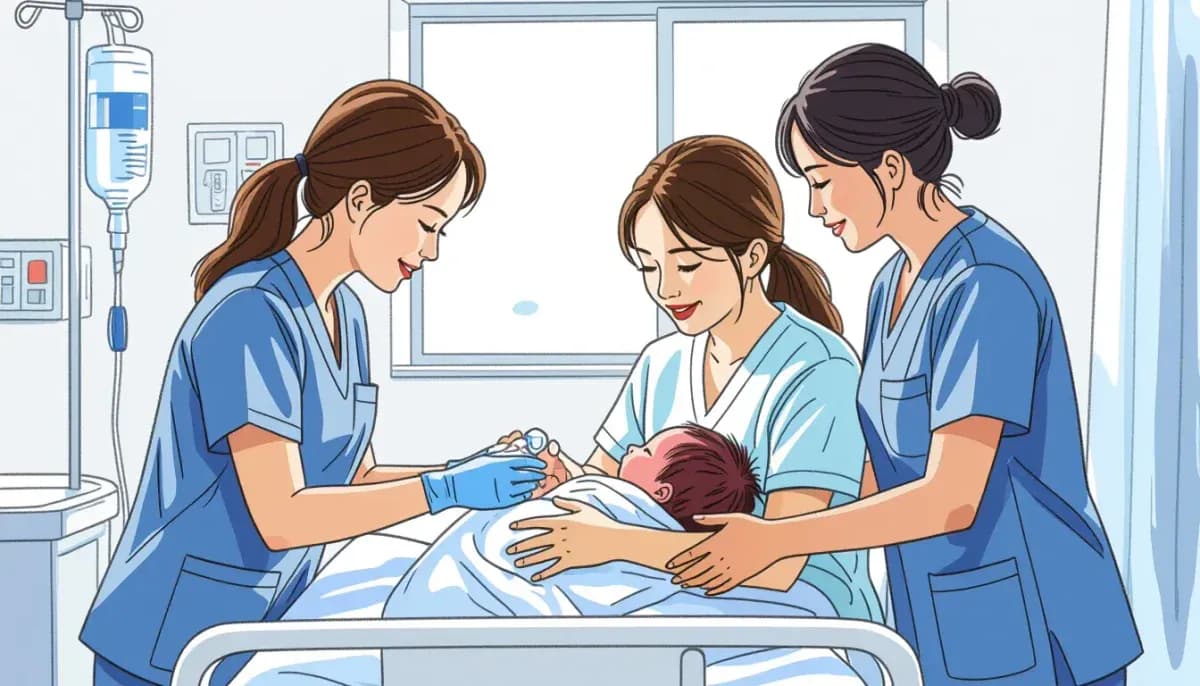
Everything foreigners need to know about giving birth in Japan: hospital admission, epidurals, costs, the lump-sum grant, postpartum stay, and administrative tasks after your baby arrives.
Read more →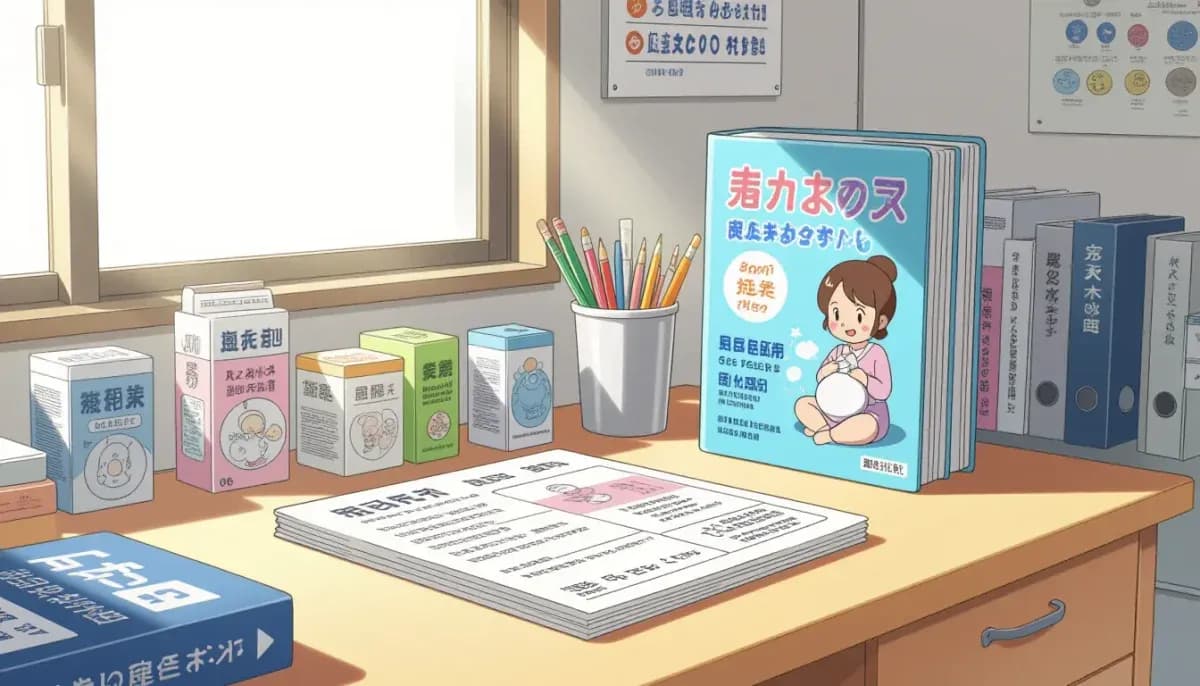
Everything foreign parents need to know about Japan's Boshi Techo (maternal and child health handbook): how to get it, what it contains, languages available, and financial benefits for expats.
Read more →
A step-by-step walkthrough of Japan's prenatal care system for foreigners — covering boshi techo registration, checkup schedules, costs, coupons, and financial support like the ¥500,000 birth allowance.
Read more →
A complete guide for foreign women finding English-speaking OB-GYN care in Japan. Covers top clinics in Tokyo, Osaka, Kyoto, costs, prenatal care, birth control, and practical tips for expats.
Read more →