
Managing a High-Risk Pregnancy in Japan

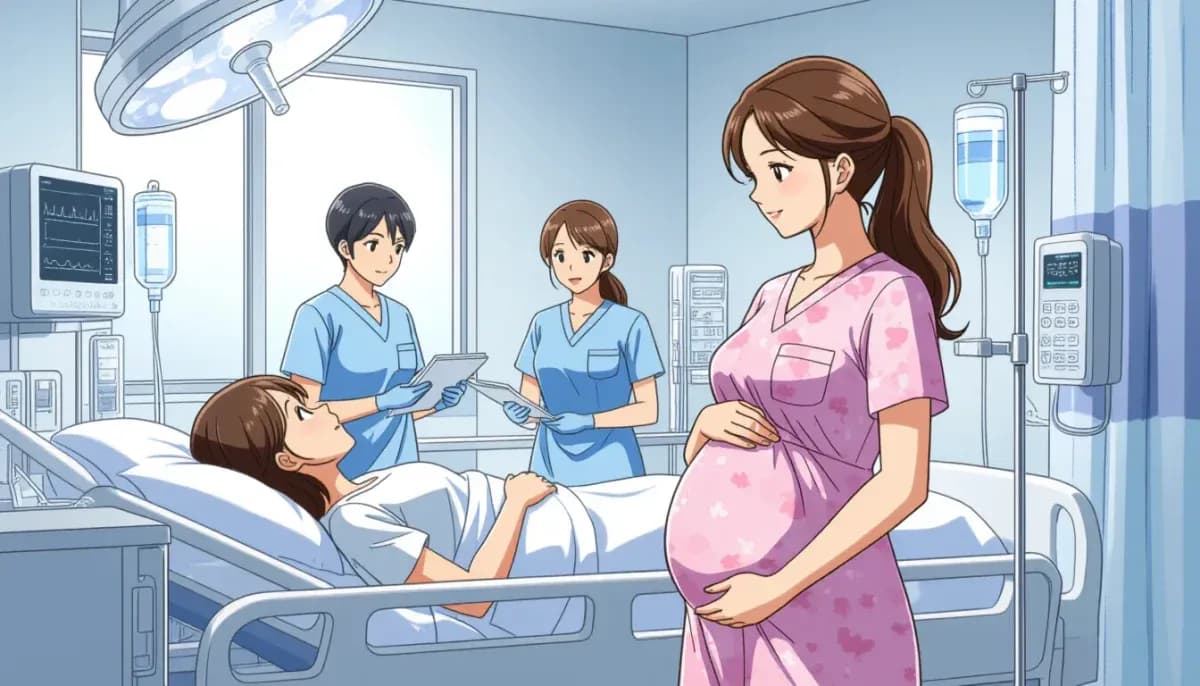
A complete guide for foreign residents managing a high-risk pregnancy in Japan. Learn about hospital types, costs, financial support, language barriers, and how Japan's world-class perinatal care system works for expats.
Managing a High-Risk Pregnancy in Japan: A Complete Guide for Foreign Residents
Navigating a high-risk pregnancy is challenging anywhere in the world, but doing so in a foreign country adds layers of complexity — language barriers, unfamiliar medical systems, and uncertainty about what support is available. The good news: Japan has one of the most advanced perinatal care systems in the world. Japan's perinatal mortality rate plummeted from 18.86 per 1,000 births in 1979 to just 3.25 per 1,000 by 2010, reflecting decades of investment in maternal and fetal medicine. For foreign parents managing a high-risk pregnancy in Japan, understanding how this system works can make all the difference.
This guide covers everything you need to know — from identifying the right type of hospital, to understanding costs, communicating with medical staff, and accessing the support networks that can help you through this experience.
What Makes a Pregnancy "High-Risk" in Japan?
A pregnancy is generally considered high-risk when there is an elevated chance of complications for the mother, the baby, or both. Japanese obstetricians follow internationally recognized classifications, and your care will be escalated accordingly. Common high-risk categories include:
- Advanced maternal age (35 and older): Maternal mortality in Japan rises significantly with age — 3.9 per 100,000 for ages 30–34, 6.8 for ages 35–39, and 11.2 per 100,000 for women aged 40 and over.
- Multiple pregnancies (twins, triplets): Requires specialized monitoring and delivery planning.
- Pre-existing conditions: Diabetes, hypertension, heart disease, autoimmune disorders, kidney disease.
- Previous pregnancy complications: Prior preterm birth, miscarriage history, or cesarean section.
- Fetal abnormalities detected during screening: May require consultation with maternal-fetal medicine specialists.
- Placenta previa or abnormal placentation: Requires hospital-level delivery with surgical backup.
- Preeclampsia or gestational hypertension: Closely monitored throughout pregnancy.
If you have any of these factors, your obstetrician will likely recommend delivery at a hospital rather than a smaller maternity clinic. It's important to disclose your full medical history at your very first prenatal appointment, even if doing so requires an interpreter.
Types of Medical Facilities for High-Risk Pregnancies
Japan's healthcare system is tiered, and not all facilities are equipped to handle complications. Choosing the right facility from the start is critical if your pregnancy is classified as high-risk.
| Facility Type | Best For | NICU Available | English Support |
|---|---|---|---|
| Specialized Maternity Clinic | Low-risk pregnancies | Rarely | Sometimes |
| General Hospital (Obstetrics Dept.) | Moderate-risk pregnancies | Often | Varies |
| University Hospital | Complex/high-risk cases | Yes | Often available |
| Perinatal Medical Center | Highest-risk cases | Yes (Level III) | Varies |
| Women's & Children's Hospital | Maternal-fetal medicine | Yes | Varies |
Perinatal Medical Centers (周産期母子医療センター, shūsanki boshi iryō sentā) are the gold standard for high-risk pregnancies in Japan. These government-designated facilities are required by law to have both a maternal-fetal intensive care unit (MFICU) and a neonatal intensive care unit (NICU). There are designated comprehensive perinatal medical centers and regional perinatal medical centers spread across Japan's prefectures.
University hospitals such as the University of Tokyo Hospital are designated as comprehensive perinatal centers and accept pregnant women with complex conditions, including those whose babies may require neonatal surgery after birth.
Osaka Women's and Children's Hospital, established in 1981, is one of Japan's premier specialized facilities for maternal and fetal medicine. It provides 24-hour support for maternal transfers and obstetric emergencies from across the Kansai region.
For a comprehensive overview of giving birth in Japan, Japan Dev's guide to giving birth in Japan as a foreigner is an excellent resource.
If you are currently registered at a smaller clinic and your condition becomes high-risk, your obstetrician will arrange a maternal transfer (母体搬送, botai hansō) — a coordinated transfer of care to a higher-level facility. This is standard practice in Japan and is done proactively, before emergencies escalate.
For more context on the broader pregnancy and childbirth journey in Japan, see our guide on Pregnancy and Giving Birth in Japan as a Foreign Parent.
Navigating Language Barriers in High-Risk Obstetric Care
One of the most stressful aspects of managing a high-risk pregnancy in Japan as a foreigner is communicating complex medical information in Japanese. Here's how to navigate this effectively:
Request an interpreter early. Many large hospitals and university hospitals have interpreter services or multilingual staff. Ask about this at your first appointment — don't wait until you need emergency support. Tokyo Medical and Dental University, Japanese Red Cross hospitals, and St. Luke's International Hospital in Tokyo are known for multilingual medical support.
Use the Mother and Child Health Handbook (boshi techo). This handbook, issued by your municipal office when you register your pregnancy, is available in English, Chinese, Korean, Spanish, and other languages in many municipalities. It contains your prenatal checkup records and is an essential communication tool between healthcare providers.
Prepare a bilingual birth plan. Write your preferences and key medical information in both English and Japanese. Include your medical history, current medications, known allergies, preferences for pain relief, and your desired birth support person. Organizations like Japan Healthcare Info can help connect you with multilingual medical professionals.
Join expat communities. Online communities of foreign parents in Japan are an invaluable resource. They can recommend English-speaking OBs, share experiences at specific hospitals, and provide emotional support. Facebook groups and expat forums often maintain up-to-date lists of English-friendly hospitals by city.
For general healthcare guidance for your family in Japan, you may also find our article on Healthcare and Medical Care for Children in Japan helpful.
Costs and Financial Support for High-Risk Pregnancies
High-risk pregnancies often involve more prenatal visits, specialist consultations, extended hospital stays, and higher likelihood of cesarean delivery. Understanding the financial landscape helps you plan ahead.
Health insurance and pregnancy: Japan's national health insurance (NHI) does not cover standard prenatal checkups, as pregnancy is not classified as an illness. However, your municipal office provides a prenatal checkup coupon booklet worth approximately ¥100,000 that subsidizes routine visits.
Cesarean sections and complications ARE covered: Because a C-section is a surgical procedure, it qualifies for health insurance coverage. High-risk interventions — including fetal monitoring procedures, inpatient stays for preeclampsia management, and emergency treatments — are generally covered by your insurance.
The Lump-Sum Birth Allowance (出産育児一時金, *shussan ikuji ichijikin*): All residents enrolled in Japanese health insurance — including foreigners — are eligible for a ¥500,000 lump-sum allowance per child. The average delivery cost in the first half of FY2024 was approximately ¥518,000, meaning the allowance covers most costs of an uncomplicated vaginal delivery. For high-risk deliveries at university hospitals, out-of-pocket costs may be higher, but the allowance still significantly reduces the burden.
High-Cost Medical Expense System (高額療養費, *kōgaku ryōyō-hi*): If your medical expenses in a single month exceed a set threshold (which varies by income bracket), you can apply for a rebate through this system. This is particularly relevant for high-risk cases involving extended NICU stays or complex surgeries.
For broader financial planning as an expat family, see our guide on Financial Planning for Expat Families Raising Children in Japan.
Key Medical Tests and Monitoring for High-Risk Pregnancies
In Japan, standard prenatal care already includes far more frequent ultrasounds than in many Western countries — often at every checkup. For high-risk pregnancies, monitoring is even more intensive.
Non-Invasive Prenatal Testing (NIPT): Available in Japan at designated facilities, NIPT tests fetal DNA from maternal blood to screen for chromosomal conditions like Down syndrome (Trisomy 21), Trisomy 18, and Trisomy 13. It is not covered by insurance and costs approximately ¥100,000–¥200,000. It is typically recommended for mothers aged 35+ or those with family history of chromosomal conditions. Japan has strict regulations requiring genetic counseling before and after NIPT.
Amniocentesis and CVS: Available at specialized centers for definitive chromosomal diagnosis. These are covered by insurance when medically indicated.
Fetal echocardiography: Available at hospitals with pediatric cardiology departments if fetal cardiac abnormalities are suspected.
Maternal-Fetal Intensive Care Unit (MFICU) admission: If your condition requires close monitoring (e.g., severe preeclampsia, threatened preterm labor), you may be admitted to the MFICU — an intensive care unit specifically for pregnant women — while remaining pregnant, so the baby can be delivered in the safest possible environment.
Kick counts and home monitoring: Your doctor may instruct you to perform daily fetal movement counts at home and will provide guidance on when to seek emergency care.
Practical Steps to Take When Managing a High-Risk Pregnancy in Japan
Managing a high-risk pregnancy requires proactive planning. Here is a step-by-step approach for foreign residents:
- Register your pregnancy immediately at your municipal office. You'll receive the boshi techo and checkup coupons. This also triggers access to public health nurse home visits.
- Book at a hospital-level facility early. Popular maternity facilities fill up fast — some as early as 8–10 weeks of pregnancy. High-risk cases should contact hospitals immediately after receiving a diagnosis.
- Request a referral to a perinatal medical center if your condition is complex. Your current OB can arrange this, or you can ask your municipal public health center (保健センター) for guidance.
- Secure interpreter support. Contact the hospital's international patient department (if available), your company's health support services, or your country's embassy for a list of English-speaking medical providers.
- Apply for the High-Cost Medical Expense System proactively if you anticipate significant treatment costs. Application forms are available at your insurance provider or municipal office.
- Attend all scheduled prenatal appointments. Japanese prenatal schedules are detailed — every 4 weeks up to 23 weeks, every 2 weeks from 24–35 weeks, and weekly from 36 weeks onward. High-risk patients may have additional visits.
- Prepare a detailed birth plan in Japanese and English, covering your delivery preferences, pain management choices, and emergency contacts.
For further support resources for your family life in Japan, Living in Nihon and For Work in Japan offer practical guides for foreign residents navigating Japanese systems, and Chuukou Benkyou has resources for families at various life stages in Japan.
Emotional Support and Mental Health During a High-Risk Pregnancy
The emotional toll of a high-risk pregnancy should not be underestimated. Anxiety, fear, and isolation are common — especially for foreigners far from their home support networks. Japan is increasingly recognizing the importance of perinatal mental health, and more resources are becoming available.
Public health nurse visits: After registering your pregnancy, you may be assigned a public health nurse who will visit your home, answer questions, and check on your wellbeing. Don't hesitate to voice emotional concerns during these visits.
Hospital social workers and counselors: Large hospitals often have social workers (医療ソーシャルワーカー) who can connect you with support services. Ask your medical team to arrange a consultation.
Online expat communities: Communities of foreign mothers in Japan — including those who have experienced high-risk pregnancies — are among the most supportive resources available. Sharing experiences with others who understand the unique challenges of being a foreigner in Japan's healthcare system can be profoundly reassuring.
Postpartum support: If your baby requires NICU care after birth, hospitals typically facilitate parent bonding visits and may offer counseling for NICU families. For broader postpartum support planning, see our guide on Baby and Infant Care in Japan: A Guide for Foreign Parents.
For additional support on your child's overall wellbeing and mental health, our article on Mental Health and Emotional Wellbeing for Foreign Children in Japan also offers useful perspective.
Conclusion
Japan's perinatal healthcare system is genuinely world-class, and even the most complex high-risk pregnancies can be managed safely with the right facility and support team. The key is acting early — registering your pregnancy, choosing an appropriate level of care, securing language support, and understanding your financial entitlements. As a foreign resident, you have full access to the same high-quality care as Japanese nationals, and the system is increasingly equipped to support international patients.
With preparation, the right medical team, and a strong support network, you can navigate a high-risk pregnancy in Japan with confidence.
For a broader overview of your journey as a foreign parent in Japan, explore our Pregnancy and Giving Birth in Japan as a Foreign Parent guide, as well as comprehensive resources on Government Benefits and Subsidies for Families in Japan.

Originally from Vietnam, living in Japan for 16+ years. Graduated from Nagoya University, with 11 years of professional experience at Japanese and international companies. Sharing practical information for foreign parents raising children in Japan.
View Profile →Related Articles
Japanese Birth Customs and Cultural Traditions
Discover Japanese birth customs from Oshichiya naming ceremony to Shichi-Go-San milestone rituals. A complete guide for foreign parents raising children in Japan.
Read more →
Birth Registration for Babies of Foreign Parents in Japan
Step-by-step guide to registering your baby's birth in Japan as a foreign parent. Learn deadlines, required documents, status of residence applications, and more.
Read more →
Post-Birth Hospital Stay and Recovery in Japan
Everything foreign parents need to know about post-birth hospital stays in Japan: duration, daily routine, meals, costs, discharge process, and postpartum recovery support.
Read more →
Hospital vs Clinic vs Midwife: Choosing Where to Give Birth
Compare hospitals, maternity clinics, and midwife birth centers in Japan. Learn costs, what to expect, epidural availability, and how to choose the right facility for your birth as a foreigner.
Read more →
Prenatal Classes and Birth Preparation in Japan
Complete guide to prenatal classes and birth preparation in Japan for foreign parents. Learn about ryoshin gakyu classes, prenatal checkup schedules, costs, choosing a birth facility, and post-birth procedures.
Read more →
Maternity Leave and Paternity Leave Rights in Japan
Everything foreign parents need to know about maternity leave, paternity leave, and childcare leave in Japan. Durations, pay rates, eligibility, 2025 changes, and practical tips for expats.
Read more →