
Prenatal Classes and Birth Preparation in Japan

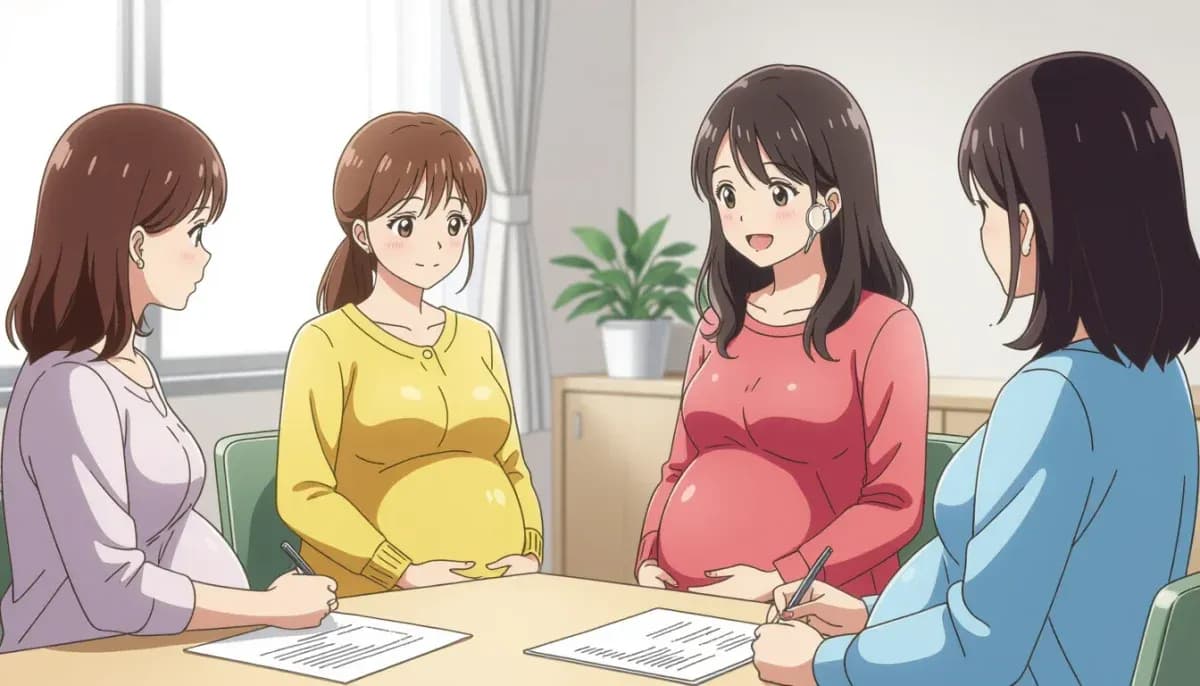
Complete guide to prenatal classes and birth preparation in Japan for foreign parents. Learn about ryoshin gakyu classes, prenatal checkup schedules, costs, choosing a birth facility, and post-birth procedures.
Prenatal Classes and Birth Preparation in Japan: A Complete Guide for Foreign Parents
Preparing for the birth of your child is an exciting yet sometimes overwhelming experience — and doing it in Japan as a foreigner adds a unique layer of complexity. From navigating Japanese-language prenatal classes to understanding a healthcare system that operates very differently from Western countries, there is a lot to take in. The good news is that Japan offers an excellent maternal healthcare system, and with the right preparation, you can have a smooth and well-supported birth experience. This guide covers everything you need to know about prenatal classes and birth preparation in Japan as a foreign parent.
Understanding Japan's Prenatal Class System
Japan has a well-established system of prenatal classes designed to prepare expectant parents for childbirth and early parenthood. These classes are typically organized in two formats:
- 両親学級 (Ryōshin Gakkyū) — "Parents' Class" — open to both the birthing parent and their partner. These couple-oriented classes are highly recommended and encourage shared responsibility from the start.
- 母親学級 (Hahaoya Gakkyū) — "Mothers' Class" — focused on the birthing parent and covers topics such as nutrition, labor, and breastfeeding.
Where to find prenatal classes:
The most accessible (and often free) prenatal classes are offered by your local municipal health center (保健センター / Hoken Center). After registering your pregnancy at city hall and receiving your Maternal and Child Health Handbook (母子健康手帳), you will usually receive information about free classes offered in your area.
Private hospitals and maternity clinics (産院 san'in) also offer classes specifically for their patients, often including hospital tours, breathing and relaxation exercises, and newborn care instruction. These are typically included as part of the prenatal care package.
Topics typically covered:
- Stages of labor and what to expect during delivery
- Breathing techniques and relaxation methods
- Breastfeeding basics and newborn care
- Nutrition and exercise during pregnancy
- Postpartum recovery and mental health
- Japanese administrative procedures (birth registration, subsidies)
While most public classes are conducted in Japanese, some larger cities — particularly Tokyo and Yokohama — offer English-language sessions or interpretation support. Check with your local health center or international clinic for options near you.
Your First Steps: Registering Your Pregnancy in Japan
Before you can attend any prenatal classes, you need to complete the essential first steps of registering your pregnancy in Japan. Here is the basic sequence:
- Confirm your pregnancy at an OB/GYN clinic or hospital (産婦人科 sanfujinka or 産科 sanka).
- Visit your local municipal office (市区町村役場) — usually by 8–12 weeks — to register your pregnancy.
- Receive your 母子健康手帳 (Boshi Kenko Techo) — the Maternal and Child Health Handbook. This document records all prenatal checkups, vaccinations, and developmental milestones, and you will carry it to every medical appointment.
- Receive a prenatal checkup coupon booklet — this provides subsidized or free prenatal visits (typically covering around 14 checkups throughout your pregnancy).
- Receive your マタニティマーク (Maternity Mark) — a badge you can attach to your bag for priority seating on public transport.
For foreign residents, the handbook is sometimes available in multiple languages. Ask at your municipal office about multilingual versions.
For more details on the overall process of giving birth in Japan, see our guide: Pregnancy and Giving Birth in Japan as a Foreign Parent.
The Prenatal Checkup Schedule in Japan
Japan follows a systematic prenatal care schedule. Your approximately 14 government-subsidized checkups are distributed throughout your pregnancy, with increasing frequency as your due date approaches.
| Stage | Weeks | Frequency |
|---|---|---|
| Early pregnancy | 8–23 weeks | Once per month |
| Mid pregnancy | 24–35 weeks | Every 2 weeks |
| Late pregnancy | 36–40 weeks | Once per week |
What to expect at each visit:
- Urine and blood pressure check
- Weight measurement
- Abdominal measurement
- Ultrasound (nearly every visit — much more frequent than in many Western countries)
- Blood tests at key milestones
- Consultation with OB/GYN or midwife
The checkup coupon booklet covers most standard prenatal visits. Any additional tests or consultations beyond the basic checks may incur out-of-pocket costs. Keep all records in your 母子健康手帳, as this document is your comprehensive pregnancy and birth record.
Choosing a Birth Facility in Japan
One of the most important decisions you will make is where to give birth. Japan has four main types of birth facilities, each with different characteristics:
| Facility Type | Japanese | Characteristics | Best For |
|---|---|---|---|
| OB/GYN Clinic | 産婦人科クリニック | Checkups, may not deliver | Prenatal monitoring |
| General Hospital OB Ward | 総合病院産科 | Full services, NICU on-site | High-risk pregnancies |
| Maternity Hospital (Sanin) | 産院 | Specialized, intimate atmosphere | Low-risk, natural births |
| Birth Center | 助産院 | Midwife-led, home-like setting | Natural, intervention-free births |
Key considerations for foreign parents:
- English-speaking staff: English-speaking facilities are concentrated in major cities. In Tokyo, facilities like the Japanese Red Cross Medical Center (Hiroo) and select hospitals in Minato and Shibuya Wards are known for English support.
- Epidural availability: Only about 6–12% of births in Japan use epidurals — a much lower rate than in the US or UK. Not all facilities offer epidural analgesia. If this is important to you, confirm availability early. Tokyo introduced a subsidy of up to ¥100,000 for epidural costs in 2025.
- Book early: Popular facilities, especially those offering epidurals or English-language support, fill up quickly. Aim to register your chosen facility by 10–12 weeks of pregnancy.
For comprehensive guidance on caring for your newborn after the birth, visit our article on Baby and Infant Care in Japan.
Understanding the Costs of Giving Birth in Japan
Childbirth in Japan is not free, but government subsidies significantly reduce the financial burden. Here is a breakdown of expected costs:
| Cost Item | Estimated Amount |
|---|---|
| Vaginal delivery (standard) | ¥500,000–¥700,000 |
| Vaginal delivery (private clinic) | Up to ¥1,000,000+ |
| C-section (before insurance) | ¥800,000–¥1,000,000 |
| Epidural (additional cost) | ¥100,000–¥200,000 |
| Government lump-sum allowance (出産育児一時金) | ¥500,000 per child |
| Individual prenatal checkup (without coupon) | ¥5,000–¥10,000 each |
The 出産育児一時金 (Shussan Ikuji Ichijikkin): This is Japan's childbirth lump-sum allowance of ¥500,000 per child, paid through your health insurance. A "direct payment system (直接支払制度)" is available at most facilities, where the allowance is paid directly to the hospital — meaning you only pay the difference if your costs exceed ¥500,000.
Note that C-sections are covered by Japan's national health insurance (once the procedure is deemed medically necessary), significantly reducing that cost to roughly ¥300,000–¥400,000 after the 30% co-pay.
For information on additional government benefits and financial support available to families in Japan, see: Government Benefits and Subsidies for Families in Japan.
What Happens After the Birth: Postpartum Procedures
Japan has strict timelines for post-birth administrative procedures. Missing these deadlines can cause complications with residency status, benefits, and child registration.
Immediate post-birth procedures:
- Birth Registration (出生届 Shussei Todoke): Must be filed within 14 days of birth at the municipal office. You will need the birth certificate from the hospital, passport, and residence card.
- Child Benefits (児童手当 Jido Teate): Apply within 15 days of birth to receive monthly child allowances (¥15,000/month for children under 3 as of 2024 reforms).
- Health Insurance Registration: Add your newborn to your health insurance policy immediately.
- Residence Card for Baby: Foreign nationals must register their newborn with immigration within 30 days.
Postpartum care in Japan:
- Standard hospital stay is 5–6 days after vaginal delivery and 7–8 days after C-section — longer than in many Western countries.
- Public health nurses offer free home visits in the first weeks after birth.
- Many municipalities offer postpartum support programs (産後ケア sangocare) including short-stay rest facilities for exhausted new parents.
Practical Tips for Foreign Parents Attending Prenatal Classes
Attending prenatal classes in Japan as a non-Japanese speaker requires some preparation. Here are practical strategies to make the most of the experience:
Language strategies:
- Bring a Japanese-speaking friend, family member, or interpreter to public health center classes.
- Prepare a list of medical vocabulary in Japanese (labor, epidural, C-section, etc.) in advance.
- Use translation apps (Google Translate camera mode works well for printed handouts).
- Many hospitals distribute bilingual or English pamphlets — ask specifically for these.
Building a support network:
- Connect with expat parent communities in your city — online groups like Facebook groups for foreign parents in Japan are invaluable.
- Look for international birth support groups and doulas who work with foreign families.
- Tokyo Medical Information Service (AMDA International Medical Information Center) offers multilingual phone support: call 03-5285-8088.
What to bring to prenatal classes:
- Your 母子健康手帳 (Maternal and Child Health Handbook)
- Pen and notebook
- Maternity pillow (for exercises, if advised)
- Your partner, if attending a couples' class
For more on the broader experience of raising children in Japan as a foreigner, explore our resource on Raising Bilingual Children in Japan.
External Resources for Birth Preparation in Japan
There are excellent English-language resources available to help you prepare for birth in Japan:
- Living in Nihon: Preparing for Childbirth in Japan — detailed coverage of procedures, handbook acquisition, and administrative steps for foreign residents.
- For Work in Japan — general guide to living and working in Japan, including resources for expat families.
- Chuukou Benkyou — study and life support resources for families navigating Japanese systems.
- Japan Health Info: Prenatal Care — comprehensive guide to the four facility types and Japan's coupon system.
- ExpatDen: Giving Birth in Japan — first-person expat perspective on the full birth experience in Japan.
Conclusion
Japan's prenatal care system is thorough, well-organized, and largely excellent — but it requires foreign parents to take proactive steps, particularly around registering your pregnancy early, choosing the right facility, and building language support systems. Prenatal classes, whether at your local health center or through your delivery hospital, are a valuable resource not just for birth preparation but for connecting with local support networks and understanding the Japanese medical system.
Start early, ask questions, and lean on the expat community around you. With the right preparation, your birth experience in Japan can be smooth, supported, and memorable for all the right reasons.
For more on raising children in Japan as a foreign parent, browse our complete guide series on toddler parenting in Japan and healthcare for children in Japan.

Originally from Vietnam, living in Japan for 16+ years. Graduated from Nagoya University, with 11 years of professional experience at Japanese and international companies. Sharing practical information for foreign parents raising children in Japan.
View Profile →Related Articles
Japanese Birth Customs and Cultural Traditions
Discover Japanese birth customs from Oshichiya naming ceremony to Shichi-Go-San milestone rituals. A complete guide for foreign parents raising children in Japan.
Read more →
Birth Registration for Babies of Foreign Parents in Japan
Step-by-step guide to registering your baby's birth in Japan as a foreign parent. Learn deadlines, required documents, status of residence applications, and more.
Read more →
Post-Birth Hospital Stay and Recovery in Japan
Everything foreign parents need to know about post-birth hospital stays in Japan: duration, daily routine, meals, costs, discharge process, and postpartum recovery support.
Read more →
Managing a High-Risk Pregnancy in Japan
A complete guide for foreign residents managing a high-risk pregnancy in Japan. Learn about hospital types, costs, financial support, language barriers, and how Japan's world-class perinatal care system works for expats.
Read more →
Hospital vs Clinic vs Midwife: Choosing Where to Give Birth
Compare hospitals, maternity clinics, and midwife birth centers in Japan. Learn costs, what to expect, epidural availability, and how to choose the right facility for your birth as a foreigner.
Read more →
Maternity Leave and Paternity Leave Rights in Japan
Everything foreign parents need to know about maternity leave, paternity leave, and childcare leave in Japan. Durations, pay rates, eligibility, 2025 changes, and practical tips for expats.
Read more →