
Hospital vs Clinic vs Midwife: Choosing Where to Give Birth

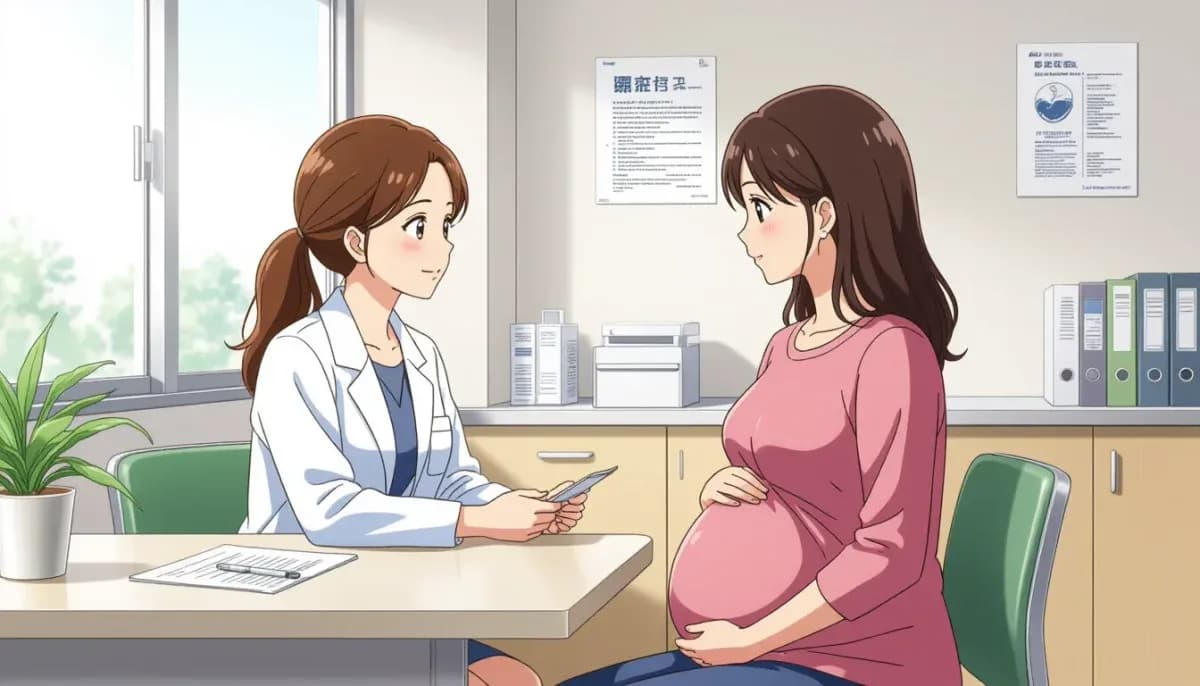
Compare hospitals, maternity clinics, and midwife birth centers in Japan. Learn costs, what to expect, epidural availability, and how to choose the right facility for your birth as a foreigner.
Hospital vs Clinic vs Midwife: Choosing Where to Give Birth in Japan
Deciding where to give birth is one of the most important decisions you'll make during your pregnancy. In Japan, expectant parents have three main options: a general hospital (総合病院), a specialized maternity clinic (産院 or クリニック), or a midwife-led birth center (助産院). Each has distinct advantages, limitations, costs, and atmosphere. For foreign families navigating an unfamiliar healthcare system, understanding these differences early is essential — especially since popular facilities fill up remarkably fast.
This guide breaks down everything you need to know about the three main birth facility types in Japan, including costs, what to expect, how to choose, and what foreigners specifically need to be aware of.
The Three Types of Birth Facilities in Japan
Japan's maternity care system is organized around three primary facility types, each suited to different needs and risk profiles.
General Hospitals (総合病院 / 大学病院)
General hospitals are large medical facilities with multiple departments, including obstetrics, neonatology, and surgery. University hospitals (大学病院) and public hospitals fall into this category. They are best suited for high-risk pregnancies, multiple births, or situations where medical complications are anticipated.
Key features:
- On-site NICU (neonatal intensive care unit) for premature or at-risk newborns
- Obstetricians, anesthesiologists, and pediatricians available
- Can perform emergency C-sections at any time
- More clinical environment; less focus on atmosphere and comfort
- Longer waits at appointments; often busier and less personalized
If you have a prior medical history, a high-risk pregnancy, or are carrying multiples, a general hospital is usually the safest choice. English-speaking staff are more commonly found at large hospitals in cities like Tokyo, Osaka, and Kyoto — though availability varies even within those cities.
Specialized Maternity Clinics (産院 / クリニック)
Specialized maternity clinics are small to mid-sized private facilities dedicated exclusively to obstetric care. These are by far the most popular choice among expectant mothers in Japan, both Japanese nationals and foreigners alike.
Key features:
- Home-like, comfortable environment — often with high-end meals, private rooms, and spa-like amenities
- One-on-one care with midwives and OB-GYN doctors
- All care from prenatal checkups through delivery in one place
- Accept only low-risk pregnancies; will refer to hospitals if complications arise
- Shorter stays for appointments; more attentive personalized service
- Early booking essential — the most popular clinics fill up within days of opening their booking slots
Maternity clinics tend to offer the best overall experience for straightforward pregnancies, combining medical safety with genuine comfort. Some clinics in major cities also offer English-language support or have bilingual staff.
Midwife-Led Birth Centers (助産院)
Midwife-led birth centers, called josanin (助産院), are small facilities run by certified midwives. These centers focus on natural, low-intervention births and offer the most personalized, holistic care — but they are only suitable for very low-risk pregnancies.
Key features:
- Midwives manage all prenatal, labor, and postnatal care
- No epidurals or pain medications offered
- Strong emphasis on natural birth, breastfeeding support, and newborn bonding
- Partnership agreements with nearby hospitals for emergency transfers
- Lowest cost of the three options
- Often involve a deeper ongoing relationship with your midwife throughout pregnancy
If you value a natural birth experience with continuity of care and your pregnancy is low-risk, a birth center can be a wonderful choice. However, they are less common and English support may be limited or nonexistent outside of major cities.
Cost Comparison: Hospital, Clinic, and Birth Center
Birth in Japan is not covered by standard health insurance as a standard medical treatment — it has traditionally been classified as a "natural life event." However, the government provides a substantial lump-sum birth allowance (出産育児一時金) of ¥500,000 per child (raised from ¥420,000 in April 2023). Most facilities accept direct payment, meaning the hospital or clinic receives the allowance directly and you only pay the balance.
As of March 2026, Japan's Cabinet has also approved a policy to cover delivery costs through public health insurance going forward — a major shift that will further reduce out-of-pocket expenses.
| Facility Type | Average Cost (Normal Birth) | Notes |
|---|---|---|
| Public Hospital | ¥463,450 | Subsidized; basic amenities |
| Private Hospital / University Hospital | ¥506,264–750,000 | NICU access; higher cost |
| Maternity Clinic (産院) | ¥478,509–600,000 | Most popular; best comfort |
| Midwife Birth Center (助産院) | ¥350,000–500,000 | Lowest cost; natural birth only |
| Tokyo Average (all types) | ¥605,261 | Highest regional cost |
| Kumamoto Average (all types) | ¥361,184 | Lowest regional cost |
Source: Ministry of Health, Labor and Welfare, Fiscal 2022. (Nippon.com data)
The ¥500,000 lump-sum allowance covers most or all of the cost in most regions. In Tokyo, where average costs exceed ¥600,000, expect to pay an additional ¥100,000–¥200,000 out of pocket, depending on the facility and services chosen.
Epidurals and Pain Relief: What You Need to Know
One of the biggest surprises for foreigners giving birth in Japan is the limited availability of epidurals. In most Western countries, epidurals are routine and readily available. In Japan, only an estimated 6–12% of births use epidural anesthesia.
Why is this the case? Several factors contribute:
- Cultural preference for natural birth, which is widely seen as healthier for mother and baby
- Shortage of anesthesiologists specializing in obstetric care outside major urban hospitals
- Many facilities simply do not offer the service
If pain relief options matter to you, ask specifically about epidural availability before booking any facility. Some hospitals and clinics offer epidurals at an additional cost of ¥100,000–¥200,000, but they may not be available around the clock or may require advance arrangement.
Tokyo has introduced a subsidy of up to ¥100,000 for epidural costs, making it more accessible in the capital. Outside of Tokyo, options are considerably more limited.
Midwife birth centers do not offer any form of pharmaceutical pain relief. If pain management is a priority, a midwife center is not the right choice.
For a broader overview of the pregnancy and birth process in Japan, see our guide: Pregnancy and Giving Birth in Japan as a Foreign Parent.
What to Expect During Your Hospital Stay
Japanese maternity wards are known for exceptionally long post-birth hospital stays compared to Western countries:
- Vaginal delivery: 5–7 days (vs. 1–2 days in the US or UK)
- Cesarean section: 7–10 days
This extended stay serves as both physical recovery time and a structured educational period. During your stay, midwives and nurses will teach you how to bathe your newborn, assist with breastfeeding, and provide detailed guidance on newborn care. It is genuinely useful, especially for first-time parents.
Partner and visitor policies vary significantly between facilities. At some hospitals, fathers may not be permitted in the delivery room or have restricted visiting hours during the postpartum stay. This is particularly common at older or more traditional facilities. If having your partner present is important to you, ask about this policy before committing to a facility.
Meals at maternity clinics are a cultural experience in themselves — many private clinics serve beautifully prepared Japanese cuisine designed for postnatal recovery, and some even offer celebratory dinners for new parents.
How to Choose the Right Facility for Your Situation
Choosing the right birth facility depends on several personal factors. Use this framework:
Choose a General Hospital if:
- You have a high-risk pregnancy or known medical complications
- You are expecting multiples (twins, triplets)
- You have had previous difficult deliveries or C-sections
- You want the highest level of emergency medical backup
Choose a Maternity Clinic if:
- Your pregnancy is low-risk and uncomplicated
- You want a comfortable, personalized experience
- You value convenience (one location for all prenatal care through delivery)
- You prefer a quieter, less clinical environment
Choose a Midwife Birth Center if:
- You want a fully natural birth with no medical interventions
- You prefer continuous care from one midwife throughout your pregnancy
- Your pregnancy is confirmed low-risk
- Cost is a major factor and you are comfortable with emergency transfer protocols
For guidance on what happens after the birth, including healthcare for your newborn, see our article: Healthcare and Medical Care for Children in Japan.
Booking Early: The Most Critical Step
In Japan, the most important action you can take is booking your delivery facility as early as possible. The recommended timeline:
- By 8–10 weeks: Begin researching and visiting facilities
- By 10–12 weeks: Secure your delivery reservation
- By 20 weeks at the latest: You should already be confirmed at a facility
Popular maternity clinics — particularly those in major cities known for good service, English support, or comfortable amenities — fill up within days of opening their booking slots for any given month. Some clinics have waitlists that fill months in advance.
Call or visit the facility directly. Some clinics require an initial consultation appointment before you can secure a delivery reservation. Do not wait until your second trimester to start this process.
For more detail on how the government birth allowance works and other financial support for families, read: Government Benefits and Subsidies for Families in Japan.
Resources for Foreigners Choosing a Birth Facility
Navigating the Japanese maternity system as a foreigner can feel overwhelming. Here are helpful resources:
- Living in Nihon – Preparing for Childbirth in Japan: A practical checklist-style guide covering procedures and what to prepare.
- Savvy Tokyo – 10 Pointers for Choosing a Birth Facility in Japan: Excellent tips specifically for foreigners weighing their options.
- Japan Dev – Giving Birth in Japan as a Foreigner (2025): A thorough guide covering the full journey from pregnancy to postpartum.
- Japan Healthcare Info – Childbirth and Delivery: Government-aligned information on delivery types and what to expect.
- For Work in Japan – Maternity and Parental Leave: Information on work-related rights during pregnancy for foreigners employed in Japan.
- Chuukou Benkyou: Educational resources for children in Japan, useful for planning your child's schooling after birth.
Final Thoughts
Choosing between a hospital, clinic, or midwife center for your birth in Japan is a deeply personal decision. For most foreign families with low-risk pregnancies, a specialized maternity clinic offers the best balance of medical safety, comfort, and personalized care. General hospitals are the right choice for higher-risk situations or anyone wanting maximum medical backup. Midwife birth centers offer a meaningful option for those committed to natural birth.
Whatever you choose, start the process early. Research facilities in your area, ask about English-language support, confirm policies on partners in the delivery room, and secure your booking as soon as possible. The Japanese maternity system is excellent — with the right preparation, your birth experience in Japan can be truly remarkable.
For further reading on life with a new baby in Japan, explore our guide on Baby and Infant Care in Japan: A Guide for Foreign Parents.

Originally from Vietnam, living in Japan for 16+ years. Graduated from Nagoya University, with 11 years of professional experience at Japanese and international companies. Sharing practical information for foreign parents raising children in Japan.
View Profile →Related Articles
Japanese Birth Customs and Cultural Traditions
Discover Japanese birth customs from Oshichiya naming ceremony to Shichi-Go-San milestone rituals. A complete guide for foreign parents raising children in Japan.
Read more →
Birth Registration for Babies of Foreign Parents in Japan
Step-by-step guide to registering your baby's birth in Japan as a foreign parent. Learn deadlines, required documents, status of residence applications, and more.
Read more →
Post-Birth Hospital Stay and Recovery in Japan
Everything foreign parents need to know about post-birth hospital stays in Japan: duration, daily routine, meals, costs, discharge process, and postpartum recovery support.
Read more →
Managing a High-Risk Pregnancy in Japan
A complete guide for foreign residents managing a high-risk pregnancy in Japan. Learn about hospital types, costs, financial support, language barriers, and how Japan's world-class perinatal care system works for expats.
Read more →
Prenatal Classes and Birth Preparation in Japan
Complete guide to prenatal classes and birth preparation in Japan for foreign parents. Learn about ryoshin gakyu classes, prenatal checkup schedules, costs, choosing a birth facility, and post-birth procedures.
Read more →
Maternity Leave and Paternity Leave Rights in Japan
Everything foreign parents need to know about maternity leave, paternity leave, and childcare leave in Japan. Durations, pay rates, eligibility, 2025 changes, and practical tips for expats.
Read more →