
Japanese Birth Customs and Cultural Traditions

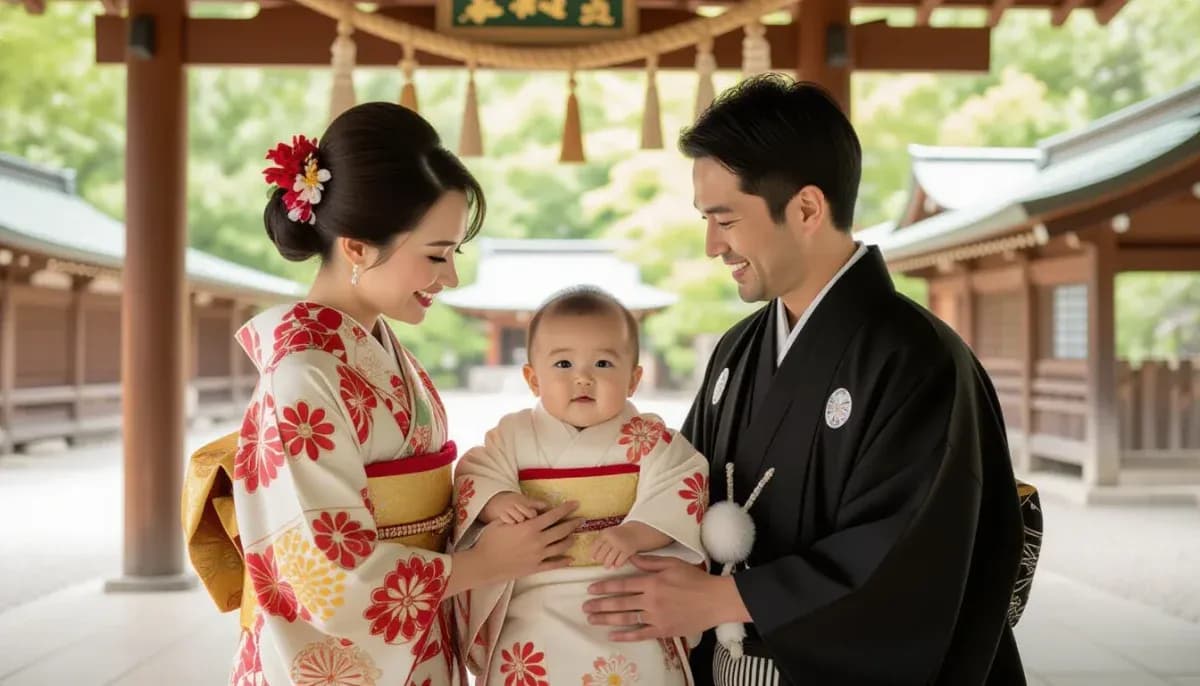
Discover Japanese birth customs from Oshichiya naming ceremony to Shichi-Go-San milestone rituals. A complete guide for foreign parents raising children in Japan.
Japanese Birth Customs and Cultural Traditions: A Complete Guide for Foreign Parents
Becoming a parent in Japan means stepping into a world rich with centuries-old rituals, symbolic ceremonies, and deeply meaningful customs. From the moment of pregnancy to a child's early milestones, Japanese birth customs weave together Shinto beliefs, Buddhist values, and family traditions into a tapestry that celebrates new life in unique ways. For foreign parents raising children in Japan, understanding these traditions can deepen your connection to the culture and help you decide which customs to embrace in your own family.
This guide walks you through the major Japanese birth customs and cultural traditions, explaining what each ceremony means, when it takes place, and how modern families — including expats — participate today.
Pregnancy Traditions: Starting Before Birth
Japanese birth customs begin well before the baby arrives. The most notable prenatal tradition is Obiiwai (帯祝い), also known as the "obi celebration" or belly band ceremony. Performed during the fifth month of pregnancy, typically on a lucky "dog day" (inu no hi) from the traditional Japanese calendar, the ritual involves wrapping a long white cotton band (iwata-obi) around the expectant mother's abdomen.
The dog day is chosen because dogs are believed to give birth easily and have many healthy pups — a symbol of safe delivery and abundant offspring. The belt is said to support the growing belly, protect the mother, and promote an easy birth. Today, some families perform this ceremony at a local shrine, while others observe a simplified version at home.
Satogaeri (里帰り) is another important prenatal custom. Traditionally, pregnant women return to their maternal grandparents' home around 32–34 weeks of pregnancy, staying until one to two months after the birth. This practice gives new mothers access to experienced family support — especially from grandmothers — during the challenging postpartum period. While satogaeri remains common, many modern families have adapted it: some skip it entirely, others have relatives travel to their home instead.
If you are navigating pregnancy in Japan as a foreigner, check out our detailed guide on Pregnancy and Giving Birth in Japan as a Foreign Parent for practical advice on hospitals, insurance, and what to expect during childbirth.
Oshichiya: The Seventh Night Naming Ceremony
The first major ceremony after birth is Oshichiya (お七夜), meaning "seventh night." Held exactly seven days after the baby is born, this intimate family gathering marks the official announcement of the baby's name.
Traditionally, the father writes the baby's name and birthdate in calligraphy on a piece of white paper called a meimei-shiki (命名式). This paper is then displayed in a prominent place in the home, often alongside the family altar. Guests enjoy a celebratory dinner, give monetary gifts (oshichiya-kin), and welcome the newest family member into the clan.
Newborns in Japan are traditionally dressed in white clothing from birth until around 17 days old, symbolizing purity. The Oshichiya gathering is typically small — just close family — but it carries real emotional significance as the moment the child is formally introduced to the world with their chosen name.
For foreign parents, Oshichiya offers a beautiful opportunity to share your child's name with Japanese relatives and friends in a culturally meaningful way, even if you follow your own cultural naming traditions alongside it.
Miyamairi: The First Shrine Visit
Miyamairi (宮参り), also called Omiyamairi or Hatsumiya-mairi, is perhaps the most widely observed Japanese newborn ceremony. It involves bringing the baby to a local Shinto shrine for the first time to report the birth to the ubusunagami — the guardian deity of the child's birthplace — and to pray for the baby's health and happiness.
The traditional timing is:
- Boys: 31st or 32nd day after birth
- Girls: 32nd or 33rd day after birth
During the ceremony, the baby is typically dressed in a formal kimono (provided by the maternal grandmother in many families) with auspicious designs. A shrine priest performs prayers and purification rituals. Afterward, families often take commemorative photos.
Modern families have adapted Miyamairi considerably. Many choose to visit shrines on a day with good weather near the recommended timing, rather than strictly following the traditional schedule. Premature babies or those born in cold seasons may attend later. Some families visit family shrines in other cities, and many non-religious expat families participate in Miyamairi simply as a beautiful cultural milestone.
For more on navigating Japanese baby care traditions as a foreigner, see our guide on Baby and Infant Care in Japan: A Guide for Foreign Parents.
Learn more about this tradition and other baby milestone customs from Savvy Tokyo's guide to uniquely Japanese events in a child's first year.
Okuizome: The 100-Day First Meal Ceremony
At 100 days old (sometimes up to 120 days), Japanese families celebrate Okuizome (お食い初め) — also called the "first food" or "weaning ceremony." The baby is symbolically presented with their first meal, though they don't actually eat the food at this stage.
The ceremonial feast is elaborate and symbolic, typically served on special dishware (red lacquerware for boys, black lacquerware for girls). Traditional Okuizome foods include:
- Tai (sea bream) — for celebration
- Sekihan (red rice) — for good fortune
- Clams — for finding a good match/partner
- Dried plum — for longevity
- Kohakutou — crystal sugar candy for sweetness in life
- A teething stone — wishing for strong teeth
The ritual is meant to wish the baby a life full of food and abundance, free from hunger. Traditionally, the eldest family member present feeds the baby (symbolically), passing on their longevity to the child.
Many Japanese families today order Okuizome sets from restaurants or delivery services, making the ceremony accessible and well-presented even for busy modern parents.
First Birthday Traditions: Isshou Mochi and Erabitori
The first birthday is marked by two distinctive Japanese customs that you won't find anywhere else in the world.
Isshou Mochi (一升餅) — "one sho of mochi" — involves having the child carry approximately 1.8 to 2 kilograms of red and white mochi (rice cakes) on their back, usually wrapped in a traditional furoshiki cloth. The weight of the mochi represents the weight of a full measure of rice, symbolizing the parents' wish that their child will always have enough to eat, live a full life, and have the strength to carry life's burdens. Some babies manage to walk a few steps; many simply sit or cry under the weight — all considered charming and memorable.
Erabitori (選び取り) is the birthday prediction game. Parents place a selection of objects before the baby — typically a pen or brush (writing/scholarship), an abacus or money (wealth), a ruler (craftsmanship), chopsticks (food), a ball (sports), and sometimes a smartphone in modern versions — and observe which item the baby picks up first. The chosen object supposedly predicts the child's future aptitude or career path. It's lighthearted and fun, but many families take photos and treasure the memory.
| Birthday Tradition | Meaning | What Happens |
|---|---|---|
| Isshou Mochi | Abundance and long life | Baby carries 1.8–2 kg of mochi on their back |
| Erabitori | Predicting the child's future | Baby picks one object from an arranged selection |
| Kazuitori (variation) | Similar to Erabitori | Slightly different object sets by region |
Shichi-Go-San: Celebrating Ages 3, 5, and 7
Shichi-Go-San (七五三) — literally "seven-five-three" — is one of Japan's most beloved childhood milestone ceremonies. Held on November 15 each year (though families often visit shrines on nearby weekends), it celebrates:
- Girls at age 3 (Hifu-gi, wearing a hifu kimono)
- Boys at age 5 (Hakama, formal samurai-style trousers)
- Girls at age 7 (Obi, first time tying a proper kimono sash)
Children dress in beautiful traditional kimono and visit a shrine with their family to give thanks for healthy growth and pray for continued good health. The iconic chitose-ame (千歳飴) — long, thin red-and-white candy in a decorative bag featuring cranes and turtles — is given to children at Shichi-Go-San shrines. Its length symbolizes longevity.
The origins trace back to the Heian period, when childhood mortality was high and reaching these ages was cause for genuine celebration. Today, Shichi-Go-San is a cherished photo opportunity and cultural touchstone even for non-religious Japanese families and many foreign families living in Japan.
For foreign families, participating in Shichi-Go-San — renting a kimono, visiting a local shrine, buying chitose-ame — is one of the most accessible and joyful ways to engage with Japanese childhood culture. Many shrine offices welcome all children, regardless of nationality.
Find more about Japanese traditional rituals at Tsunagu Japan's guide to 10 traditional rituals for children.
Postpartum Customs: Mother and Baby Care
Beyond formal ceremonies, Japanese birth culture includes important postpartum customs for new mothers.
The tradition of postpartum confinement has deep roots in Japan. Historically, new mothers were expected to rest indoors for 100 days after birth, avoiding heavy activity, cold water, and returning to normal responsibilities. Modern Japanese mothers typically observe a shorter period — roughly the first month — during which they are expected to do nothing except care for their newborn. Family members (especially grandmothers) take on household tasks.
This confinement tradition has practical wisdom behind it: rest supports physical recovery from childbirth, establishes breastfeeding, and reduces postpartum depression risk. For foreign mothers in Japan, understanding this cultural norm can help you navigate expectations from Japanese in-laws and medical staff.
Birth registration is a crucial practical step: you have just 14 days after birth to register your child at the local ward office (shiyakusho). For children who won't hold Japanese citizenship, you have 30 days to notify immigration. Missing these deadlines creates legal complications, so mark them on your calendar immediately.
For more on navigating the official paperwork and family life in Japan as a foreigner, Living in Nihon's complete guide to raising children and education in Japan provides invaluable practical information.
How Foreign Families Navigate Japanese Birth Customs
As a foreign parent in Japan, you don't need to observe every tradition — but understanding them helps you connect with Japanese family members, neighbors, and your child's future classmates. Here are some practical tips:
Which traditions do most expat families participate in?
- Miyamairi is widely embraced even by non-religious families as a beautiful cultural milestone
- Okuizome is popular and easy to observe — many families order delivery sets
- Shichi-Go-San is one of the most accessible and photographically memorable traditions
- Isshou Mochi is fun for first birthdays; rental mochi sets are readily available
Respecting Japanese in-laws: If your partner is Japanese, their family may have strong feelings about these ceremonies. Having a respectful conversation early about which traditions you'll observe helps avoid misunderstandings.
Language barriers: Many shrine ceremonies can be participated in without speaking Japanese — shrine priests are accustomed to guiding families through the rituals. Bring a Japanese-speaking friend if you're unsure.
Mixed-culture families: Many families create beautiful blended celebrations — combining Miyamairi with a Western christening, or adding erabitori items that reflect both cultures.
For in-depth information on expat family life in Japan, For Work in Japan's complete guide to family life for foreigners and Chuukou Benkyou's resources for families in Japan offer practical insights.
For more on raising children in Japan as a foreign family, explore our guides on Toddler Parenting in Japan and Cultural Identity for Hafu and Mixed-Race Children in Japan.
Also see Baby Traditions in Japan: Omiyamairi and Okuizome for firsthand accounts from parents in Tokyo.
Summary: Key Japanese Birth Ceremonies Timeline
| Timing | Ceremony | Purpose |
|---|---|---|
| 5th month of pregnancy | Obiiwai (Belt Blessing) | Safe delivery blessing |
| 7th night after birth | Oshichiya (Naming Ceremony) | Official name announcement |
| Day 31–33 after birth | Miyamairi (Shrine Visit) | First shrine introduction |
| 100 days after birth | Okuizome (First Meal) | Wish for lifetime of abundance |
| First birthday | Isshou Mochi | Strength and prosperity |
| First birthday | Erabitori | Predict future aptitude |
| Ages 3, 5, 7 | Shichi-Go-San | Milestone health blessing |
Japanese birth customs are not rigid requirements — they are living traditions that families adapt to their circumstances, beliefs, and modern lives. Whether you observe all of them or just a few, participating in these rituals connects your child to a rich cultural heritage and creates memories that will last a lifetime.

Originally from Vietnam, living in Japan for 16+ years. Graduated from Nagoya University, with 11 years of professional experience at Japanese and international companies. Sharing practical information for foreign parents raising children in Japan.
View Profile →Related Articles

Birth Registration for Babies of Foreign Parents in Japan
Step-by-step guide to registering your baby's birth in Japan as a foreign parent. Learn deadlines, required documents, status of residence applications, and more.
Read more →
Post-Birth Hospital Stay and Recovery in Japan
Everything foreign parents need to know about post-birth hospital stays in Japan: duration, daily routine, meals, costs, discharge process, and postpartum recovery support.
Read more →
Managing a High-Risk Pregnancy in Japan
A complete guide for foreign residents managing a high-risk pregnancy in Japan. Learn about hospital types, costs, financial support, language barriers, and how Japan's world-class perinatal care system works for expats.
Read more →
Hospital vs Clinic vs Midwife: Choosing Where to Give Birth
Compare hospitals, maternity clinics, and midwife birth centers in Japan. Learn costs, what to expect, epidural availability, and how to choose the right facility for your birth as a foreigner.
Read more →
Prenatal Classes and Birth Preparation in Japan
Complete guide to prenatal classes and birth preparation in Japan for foreign parents. Learn about ryoshin gakyu classes, prenatal checkup schedules, costs, choosing a birth facility, and post-birth procedures.
Read more →
Maternity Leave and Paternity Leave Rights in Japan
Everything foreign parents need to know about maternity leave, paternity leave, and childcare leave in Japan. Durations, pay rates, eligibility, 2025 changes, and practical tips for expats.
Read more →