
Post-Birth Hospital Stay and Recovery in Japan

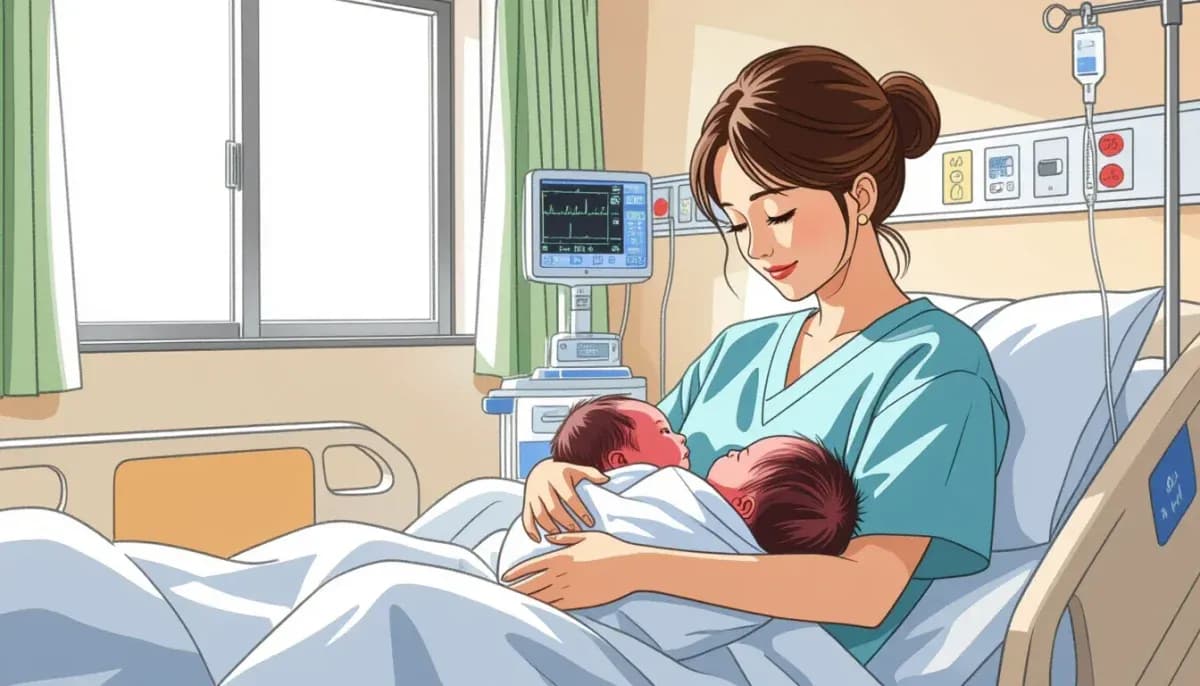
Everything foreign parents need to know about post-birth hospital stays in Japan: duration, daily routine, meals, costs, discharge process, and postpartum recovery support.
Post-Birth Hospital Stay and Recovery in Japan: A Complete Guide for Foreign Parents
Giving birth in Japan means experiencing one of the most supportive postpartum care systems in the world. Unlike the 24–48 hour discharge timelines common in many Western countries, Japanese hospitals keep new mothers for 5 to 8 days after delivery. During this time, you'll be cared for around the clock, taught essential newborn skills, fed nutritious Japanese meals, and treated to unique cultural traditions like the iwaizen congratulatory dinner. For foreign parents navigating this experience, understanding what to expect can turn a potentially overwhelming situation into a memorable and deeply supportive start to parenthood.
This guide walks you through everything you need to know about the post-birth hospital stay and recovery process in Japan — from your daily routine in the maternity ward to financial support, discharge procedures, and postnatal care options after you go home.
How Long Will You Stay in the Hospital After Birth?
One of the first things foreign mothers notice is how much longer Japanese hospital stays are compared to their home countries.
| Type of Birth | Typical Hospital Stay |
|---|---|
| Vaginal birth (uncomplicated) | 5–6 days |
| Vaginal birth (with complications) | 6–8 days |
| Cesarean section | 7–10 days |
| Premature or special care birth | Varies (often longer) |
This extended stay is not simply routine — it reflects Japan's philosophy that the postpartum period is a critical recovery window for both mother and baby. Japan has one of the world's lowest infant mortality rates, with approximately 1 in 1,111 babies passing away in the first month of life, a figure comparable to Iceland and Singapore. The hands-on care and education provided during this extended stay is a major contributing factor.
For foreign mothers used to going home within a day or two, the longer stay can feel surprising, but the vast majority of expat mothers describe it as one of the most positive aspects of giving birth in Japan.
Your Daily Routine in the Japanese Maternity Ward
Life in a Japanese maternity ward follows a structured but gentle rhythm. Here's what a typical day looks like:
Morning: Nurses check your vital signs and your baby's condition early in the morning. Breakfast is served — usually a balanced Japanese-style meal with rice, miso soup, and side dishes. Breastfeeding guidance sessions or lactation consultations may be scheduled in the morning.
Daytime: Newborn care classes take place throughout the day. Nurses demonstrate how to bathe your baby, change diapers, swaddle properly, and establish feeding schedules. These classes are practical and hands-on, and in many hospitals, staff will patiently repeat demonstrations as needed.
Rooming-In: Most Japanese hospitals now practice rooming-in, meaning your baby stays in your room with you for most of the day and night. This encourages bonding and breastfeeding. However, almost all maternity wards also have a nursery where staff can care for your baby during nighttime hours if you need rest.
Meals: Three full meals and snacks are provided daily. Japanese hospital food is notably good — traditional washoku cuisine featuring rice, fish or poultry, miso soup, vegetables, and seasonal ingredients. Meals are designed specifically to support postpartum recovery and milk production. Many hospitals serve a special meal called iwaizen (祝い膳) — a celebratory multi-course dinner — during your stay to mark the new arrival.
Evening: Doctor rounds and baby health checks typically happen in the evening. You'll have quiet time for rest, skin-to-skin contact with your baby, and personal reflection.
What You'll Learn During Your Hospital Stay
The Japanese maternity ward functions as a hands-on education center for new parents. Before discharge, nurses and midwives will ensure you're confident in:
- Breastfeeding technique — Lactation consultants (助産師, josanshi) visit regularly. Breastfeeding is highly encouraged in Japan, and hospitals typically provide 3-hour scheduled feeding guidance to help establish supply and prevent jaundice.
- Baby bathing — You'll practice bathing your newborn in the ward before doing it alone at home.
- Diaper changing and swaddling — Step-by-step guidance is provided.
- Umbilical cord care — Instructions for keeping the cord stump clean and dry.
- Recognizing warning signs — Nurses teach you how to identify concerning symptoms in your newborn.
- Postpartum self-care — You'll receive guidance on perineal care, managing postpartum pain, and monitoring your own recovery.
For foreign mothers, language can be a barrier during these sessions. If English support is limited at your hospital, bring a bilingual dictionary, use a translation app, or ask a Japanese-speaking friend or partner to be present when possible. Some hospitals in major cities like Tokyo, Osaka, and Yokohama offer multilingual support — ask when booking your maternity care. For tips on finding English-speaking providers, see our guide on finding an English-speaking OB-GYN in Japan.
Hospital Costs and Financial Support
Giving birth in Japan can be expensive at first glance, but substantial government subsidies significantly reduce — and in many cases eliminate — out-of-pocket costs for families enrolled in Japanese health insurance.
Average birth costs:
- National average (2022): approximately ¥482,000
- Tokyo (most expensive): approximately ¥605,000
- Kumamoto (least expensive): approximately ¥361,000
- Private hospital premium rooms: often ¥600,000–¥900,000+
Lump-Sum Birth Allowance (出産育児一時金): Japan's national health insurance system provides a lump-sum birth allowance of ¥500,000 per child (raised from ¥420,000 in April 2023). This applies to both National Health Insurance (NHI) and Employees' Health Insurance (EHI) enrollees, including foreign residents.
Direct Payment System: In most cases, you don't need to pay the hospital bill upfront. The hospital processes the ¥500,000 allowance directly, and you only pay the difference if your total bill exceeds this amount. If your bill is less than ¥500,000, you receive the remaining balance as a refund within 1–2 months.
For a comprehensive breakdown of costs and how to claim your allowance, visit our detailed guide on birth costs and the lump-sum birth allowance in Japan.
For more information on living costs and financial planning as a foreign family in Japan, Living in Nihon offers helpful resources for expats navigating life in Japan.
Discharge and Newborn Registration: What to Do When You Leave
Being discharged from the hospital is a multi-step process that also kicks off several important administrative tasks. Here's what to expect:
At the Hospital:
- Final check-ups for both mother and baby
- Newborn hearing test and metabolic screening (done routinely for all babies in Japan)
- The hospital provides a birth notification form (出生届, shussho todoke). The right side is your baby's official birth certificate, which the hospital fills out with birth time and location. You complete the left side with your baby's name and family details.
Within 14 Days of Birth: You must submit the birth notification form at your local municipal office (市区町村役場). Once registered:
- Your baby receives a residence record (住民票, jumin-hyo)
- You can add your baby to your health insurance
- Your baby becomes eligible for local child medical subsidies (many municipalities cover most or all medical costs for children)
Health Insurance Registration: Add your newborn to your NHI or EHI plan as soon as possible — ideally within 14 days. This activates medical coverage and access to local child health benefits. See our complete guide on visa and legal issues for foreign families in Japan for more on residency registration.
For expats working in Japan, For Work in Japan provides practical guidance on navigating employee benefits and insurance systems.
Postpartum Recovery: What Happens After You Go Home
The transition from the supportive hospital environment to home can feel challenging, especially for foreign mothers without nearby family support. Japan has developed a range of postpartum care options to help.
Postpartum Care Hotels (産後ケアホテル): These specialized facilities — a relatively new but rapidly growing option in Japan — provide mother-and-baby care after hospital discharge. Staffed by midwives and nurses, they offer:
- 24-hour baby care support
- Breastfeeding consultations
- Nutritious meals
- Rest and recovery space for mothers
- Emotional support and counseling
The national and local governments subsidize these services significantly. The national government covers 50% of costs, and local municipalities often contribute the remaining 50%, meaning some families pay very little out-of-pocket. Contact your local ward office to inquire about eligibility.
Home Visits: Your local health center (保健センター, hoken senta) will typically contact you within weeks of discharge to arrange a home visit by a public health nurse. These visits check on both your physical recovery and your mental wellbeing, and are a valuable resource especially for foreign mothers.
Mental Health Awareness: Postpartum depression and anxiety are widely recognized in Japan. If you're struggling emotionally after birth, speak to your OB-GYN or midwife. Translation apps, multilingual support hotlines, and expat communities (such as local Facebook groups for foreign parents) can also be lifelines.
For broader support on raising children in Japan as a foreign parent, the Chuukou Benkyou community and expat parenting networks offer peer advice and shared experiences.
Tips for Foreign Mothers During the Hospital Stay
Based on the experiences of expat mothers across Japan, here are practical tips to make the most of your hospital stay:
- Pack a translation app and phrasebook. Even basic Japanese phrases for common needs (more water, pain relief, breastfeeding help) will ease communication.
- Bring your own comfort items. Japanese hospitals often provide basic toiletries, but bring your preferred skincare products, comfortable clothes, and entertainment for the long stay.
- Don't skip the newborn care classes. Even if the language is difficult, the demonstrations are invaluable — watch carefully and take photos or notes.
- Ask about pain management upfront. Epidurals are available but not universally offered as a matter of course. Discuss your preferences with your doctor before your due date. See also: natural birth vs cesarean section in Japan.
- Connect with other mothers in the ward. Many Japanese maternity hospitals have shared common spaces where new mothers gather. Even with limited Japanese, smiles, gesture, and shared experience of new parenthood create real connections.
- Use the nursery when you need to. Japanese hospitals actively encourage mothers to rest, and using the nighttime nursery service is completely normal — it doesn't reflect badly on you as a parent.
- Enjoy the iwaizen dinner. This celebratory meal is a genuine Japanese tradition and a beautiful way to mark the arrival of your baby. Savor it.
For a comprehensive overview of what to expect during the delivery itself, visit our guide on giving birth in a Japanese hospital.
Planning for Baby's First Weeks: What Comes Next
After discharge, your focus shifts to newborn care and your own recovery at home. Key steps in the first weeks include:
- Baby's first health checkup at 1 month (1ヶ月健診): Usually at the hospital where you delivered. Bring your boshi techo (母子手帳) — the maternal and child health handbook that tracks your baby's development. Learn more in our guide on the boshi techo.
- Registering for local child benefits: Many municipalities provide monthly child allowances and healthcare subsidies. Visit your ward office shortly after birth.
- Starting baby care routines: Bathing, feeding schedules, and developmental tracking all begin in earnest in the first month. See our full guide on baby and infant care in Japan for what to expect.
The post-birth hospital stay in Japan is far more than medical supervision — it's a culturally rich, intensively supportive experience designed to give mother and baby the best possible start. For foreign parents, understanding and embracing this system can transform the early days of parenthood into something truly special.
For more on navigating the full journey of pregnancy, birth, and early parenthood in Japan, visit our comprehensive guide on pregnancy and giving birth in Japan as a foreign parent. Additional resources from Savvy Tokyo and Japan Today offer first-hand accounts from mothers who have experienced Japanese maternity care.

Originally from Vietnam, living in Japan for 16+ years. Graduated from Nagoya University, with 11 years of professional experience at Japanese and international companies. Sharing practical information for foreign parents raising children in Japan.
View Profile →Related Articles
Japanese Birth Customs and Cultural Traditions
Discover Japanese birth customs from Oshichiya naming ceremony to Shichi-Go-San milestone rituals. A complete guide for foreign parents raising children in Japan.
Read more →
Birth Registration for Babies of Foreign Parents in Japan
Step-by-step guide to registering your baby's birth in Japan as a foreign parent. Learn deadlines, required documents, status of residence applications, and more.
Read more →
Managing a High-Risk Pregnancy in Japan
A complete guide for foreign residents managing a high-risk pregnancy in Japan. Learn about hospital types, costs, financial support, language barriers, and how Japan's world-class perinatal care system works for expats.
Read more →
Hospital vs Clinic vs Midwife: Choosing Where to Give Birth
Compare hospitals, maternity clinics, and midwife birth centers in Japan. Learn costs, what to expect, epidural availability, and how to choose the right facility for your birth as a foreigner.
Read more →
Prenatal Classes and Birth Preparation in Japan
Complete guide to prenatal classes and birth preparation in Japan for foreign parents. Learn about ryoshin gakyu classes, prenatal checkup schedules, costs, choosing a birth facility, and post-birth procedures.
Read more →
Maternity Leave and Paternity Leave Rights in Japan
Everything foreign parents need to know about maternity leave, paternity leave, and childcare leave in Japan. Durations, pay rates, eligibility, 2025 changes, and practical tips for expats.
Read more →