
Finding an English-Speaking OB-GYN in Japan

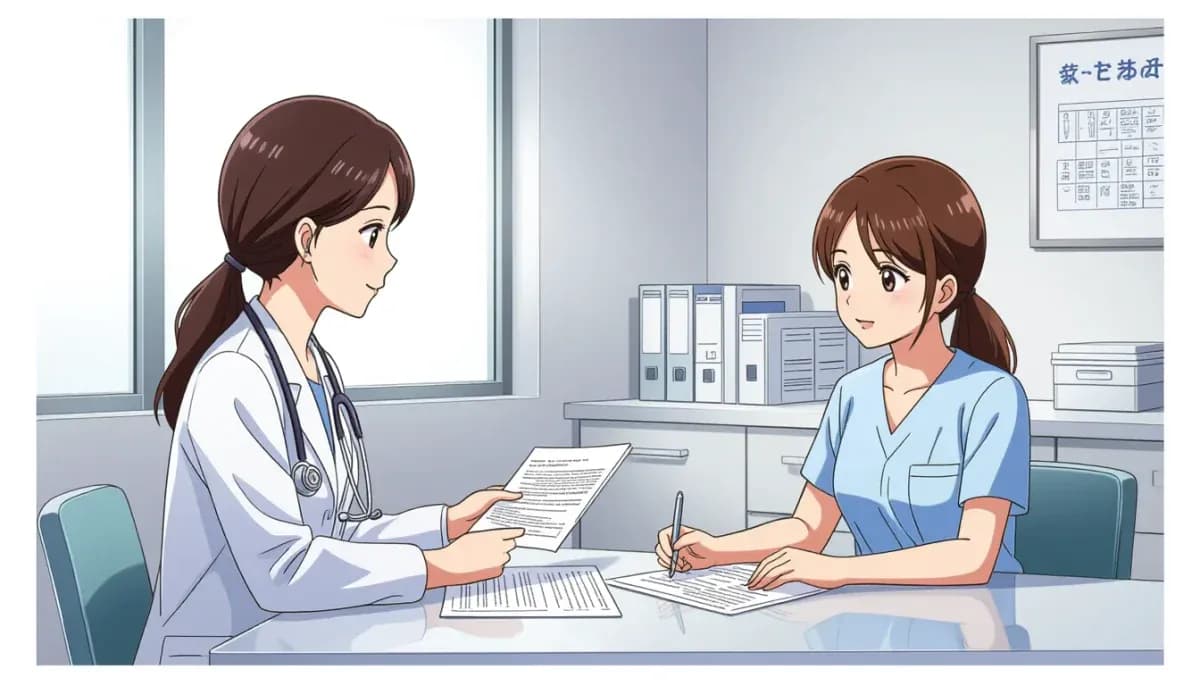
A complete guide for foreign women finding English-speaking OB-GYN care in Japan. Covers top clinics in Tokyo, Osaka, Kyoto, costs, prenatal care, birth control, and practical tips for expats.
Finding an English-Speaking OB-GYN in Japan: A Complete Guide for Foreign Women
Navigating women's healthcare in a foreign country is challenging enough — but in Japan, where language barriers and cultural differences can feel overwhelming, finding the right OB-GYN can seem like a daunting task. The good news is that English-speaking gynecologists and obstetricians do exist throughout Japan, especially in major cities. This guide walks you through everything you need to know: where to look, what to expect, how much it costs, and how to get the best care possible.
Whether you're seeking routine gynecological care, prenatal services, or help with a specific concern, this comprehensive resource is designed to give foreign women living in Japan the confidence and information they need to access quality OB-GYN care.
Why Finding an English-Speaking OB-GYN in Japan Can Be Challenging
Japan has an excellent healthcare system overall, but the availability of English-speaking specialists varies significantly depending on location. In rural areas and smaller cities, English-speaking OB-GYNs are rare. Even in major cities, only a fraction of gynecology clinics offer robust English support.
There are a few reasons this can be particularly difficult:
- Language barrier: Medical consultations require nuanced communication about symptoms, medical history, and treatment options. Japanese medical staff may have limited English.
- Cultural differences: Japanese gynecological practice differs from Western norms. For example, many clinics use an examination chair with a curtain separating the patient from the doctor — a setup unfamiliar to many foreign women.
- Privacy concerns: Positive test results for certain conditions (such as cancer or STDs) may, in some clinics, be reported to employers. International or foreign-friendly clinics tend to offer better confidentiality protections.
- Limited specialist networks: Unlike in some countries, English-speaking OB-GYNs are not distributed evenly across Japan's medical landscape.
Despite these challenges, with the right strategy you can find excellent care. Obstetrics and gynecology is actually one of the medical specialties with the highest proportion of female doctors in Japan — over 44.5% — which many foreign women find reassuring.
For a broader understanding of Japan's health insurance system and how it applies to you as a foreigner, see our guide on health insurance and medical care in Japan.
Top English-Speaking OB-GYN Clinics in Japan
Here is an overview of well-known English-friendly gynecology and obstetrics clinics across Japan's major cities:
| Clinic Name | Location | Services | Notes |
|---|---|---|---|
| Ebine Women's Clinic | Takanawa, Minato-ku, Tokyo | Full gynecology, infertility, breast care | All-female physician staff, founded by English-speaking Dr. Ebine |
| Toho Women's Clinic | Kiba, Koto-ku, Tokyo | OB-GYN, prenatal, contraception | Female English-speaking gynecologist on staff |
| Tokyo Midtown Clinic | Roppongi, Minato-ku, Tokyo | OB-GYN, general medicine | English and Chinese support |
| Dr. Idei Tomoko's Clinic | Omotesando, Tokyo | Gynecology | English-speaking, phone: 03-5771-3991 |
| Sasazuka Ladies Clinic | Shibuya-ku, Tokyo | Women's health, contraception | English support available |
| La Quole Women's Clinic | Hommachi, Osaka | Full OB-GYN spectrum | Dr. Takino Toshiko speaks English, video consultations available |
| Ueda Hospital | Kobe | Full OB-GYN, accepts NHI | English-friendly, accepts national health insurance |
| Egawa Clinic | Kyoto | OB-GYN | Dr. Haruto Egawa speaks English, accepts patients from all Kansai |
Tokyo remains the city with by far the most English-friendly options. Minato, Shibuya, and Setagaya wards in particular have concentrations of clinics catering to foreign residents. However, Osaka, Kyoto, Kobe, Fukuoka, and Sapporo also have English-speaking options, especially in international or central neighborhoods.
For more details on locating English-speaking medical professionals in Japan, Savvy Tokyo's guide to going to the gynecologist offers clinic-by-clinic advice from expat women with firsthand experience.
How to Find an English-Speaking OB-GYN Near You
If you don't live near one of the clinics listed above, here are effective strategies for finding English-speaking OB-GYN care wherever you are in Japan:
1. Ask in Expat Facebook Groups and Forums Communities like "Tokyo Pregnancy Group," expat Facebook groups specific to your city, or forums on GaijinPot or Internations are invaluable. Fellow foreign women often share personal recommendations and first-hand clinic reviews.
2. Contact Your Embassy or Consulate Most embassies maintain lists of English-speaking doctors and specialists. The US Embassy, British Embassy, Australian Embassy, and others typically publish healthcare directories online.
3. Use Japan Healthcare Info and Directory Sites Websites like Japan Healthcare Info and GaijinPot Health maintain searchable directories of English-speaking medical professionals.
4. Call Ahead and Ask Even if a clinic's website is only in Japanese, it's worth calling to ask if they have English-speaking staff (英語を話すスタッフはいますか? — Eigo o hanasu sutaffu wa imasu ka?). Larger urban clinics increasingly have at least one bilingual staff member.
5. Ask at Your Workplace or School International companies, universities, and international schools often have occupational health resources or HR contacts who can recommend English-friendly doctors.
What to Expect at a Japanese OB-GYN Clinic
Walking into a Japanese gynecology clinic for the first time can be a surprising experience. Here's what foreign women typically encounter:
The Examination Setup Japanese gynecology clinics typically use a specialized examination chair. You sit in the chair, which then reclines and separates the lower half of your body behind a curtain — shielding you from direct view of the doctor during internal examinations. This is standard practice across Japan and is designed with privacy in mind, though it can feel unusual if you're used to Western clinical setups.
What to Bring
- Health insurance card (健康保険証, kenko hoken sho) — this reduces your cost to 30% of the total
- Identification card
- A list of any current medications or supplements
- A note about your menstrual cycle history and any specific concerns
Language Support At English-friendly clinics, staff will guide you through forms in English. At clinics with limited English, it can help to bring a bilingual Japanese friend or use a translation app. Some clinics, like La Quole in Osaka, also offer video consultations for follow-ups.
Confidentiality Note Foreign residents should be aware that at some Japanese clinics, certain test results (such as STI results) may be handled differently than in their home countries. International clinics and foreign-friendly practices generally offer stronger confidentiality protections. The GaijinPot health guide has a useful overview of OB-GYN care for foreign women that addresses these concerns.
Costs for OB-GYN Services in Japan
Understanding the costs involved is important for planning your healthcare. Here's a breakdown:
| Service | Approximate Cost | Insurance Coverage |
|---|---|---|
| Routine gynecology consultation | ¥3,000–¥5,000 (with insurance) | Covered by NHI/shakai hoken (30% co-pay) |
| Contraceptive pill (monthly) | ¥2,000–¥3,500 | NOT covered when used as contraceptive |
| Prenatal checkup | ¥5,000–¥10,000 (first visit) | NOT covered by health insurance (coupons available) |
| IUD insertion | ¥50,000–¥100,000+ | Not covered for contraceptive use |
| Emergency contraception (OTC since Oct 2025) | ¥7,000–¥15,000 | Not covered |
| Abortion (up to 22 weeks) | ¥100,000–¥200,000 | Not covered |
| STI testing (public health center) | Free or low-cost | Varies |
Key point: Japan's national health insurance (NHI) or employer-based insurance (shakai hoken) covers most diagnostic and treatment-related gynecological visits. However, contraception, elective procedures, and prenatal checkups are typically not covered. Always carry your insurance card — it will reduce your co-pay to 30% of the billed amount for covered services.
For a full explanation of Japan's health insurance system for foreigners, including enrollment and costs, see Living in Nihon's health insurance guide.
Prenatal Care and Finding an English-Speaking OB-GYN for Pregnancy
If you're pregnant or planning to become pregnant, finding the right OB-GYN early is especially important. Japan's prenatal system has some unique features:
The Maternal and Child Health Handbook (母子健康手帳) Once you confirm your pregnancy, visit your local municipal office to register and receive the boshi techo (maternal and child health handbook). This free booklet tracks your prenatal appointments and your child's health records. It also comes with coupons for prenatal checkups that significantly reduce out-of-pocket costs — most regular checkups become free or very low cost with these coupons.
Book Your Delivery Hospital Early Many hospitals in Japan require patients to have been under their care throughout the pregnancy and accept a deposit well in advance. Experts recommend securing a delivery hospital by 20 weeks at the latest. English-speaking hospitals and clinics often have limited slots for foreign patients.
Cost of Childbirth in Japan Normal delivery is not covered by insurance, but you receive a lump-sum childbirth allowance (出産育児一時金, shussan ikuji ichijikin) of ¥420,000 through your health insurance. Most deliveries at standard hospitals fall within this range or slightly above.
For a detailed walkthrough of pregnancy and delivery in Japan, see our full guide on pregnancy and giving birth in Japan as a foreign parent.
Birth Control and Women's Reproductive Health in Japan
Access to contraception in Japan has evolved significantly in recent years:
The Contraceptive Pill The pill was only approved for contraceptive use in Japan in 1999 (relatively late compared to other developed nations). It requires a prescription from an OB-GYN and costs approximately ¥2,000–¥3,500 per month. It is not covered by insurance for contraceptive purposes, though it may be covered if prescribed for conditions like endometriosis.
Emergency Contraception As of October 2025, emergency contraception (the "morning-after pill") was approved for over-the-counter pharmacy sales in Japan — a significant policy change. Prior to this, it required a prescription and doctor visit. Costs range from ¥7,000–¥15,000.
IUDs and Long-Acting Contraception IUDs are available but significantly less common in Japan than in many Western countries. Insertion costs ¥50,000–¥100,000 and requires a specialist. Some foreign women prefer to have an IUD fitted before moving to Japan or to seek a foreign-trained gynecologist who is more experienced with these devices.
For a detailed breakdown of reproductive health options, Japan Handbook's birth control guide covers every major method with current cost estimates.
Tips for Getting the Best Experience at a Japanese OB-GYN
These practical tips from expat women in Japan can help you get the most from your visit:
- Write down your questions in advance. Even at English-speaking clinics, it's easy to forget things during a consultation. Prepare a list of questions and bring it.
- Note your brand names. If you use a specific pill or medication, bring the brand name and active ingredient. Japan may use different brand names for the same drug.
- Ask about payment before your visit. Some clinics are cash-only. Others accept credit cards. Confirm in advance.
- Don't assume your usual pill is available. Japan primarily offers low-dose formulations. If you import supplies, you may need a Yakkan Shoumei (薬監証明) — an import permit from Japan's Ministry of Health.
- Consider telehealth options. Some English-speaking clinics like La Quole in Osaka offer video consultations for minor issues and follow-ups, which can be more accessible if you live outside a major city.
- Bring a translation app as backup. Even at English-friendly clinics, some paperwork and signage may be in Japanese. Google Translate's camera mode works well for medical forms.
Navigating Women's Health as a Foreign Parent in Japan
If you have children or are planning a family in Japan, understanding the full scope of women's healthcare becomes even more important. Japan offers strong maternal and child health infrastructure, including free postpartum checkups for both mother and baby through the municipal health system.
Foreign parents navigating the healthcare system alongside school enrollment, insurance, and parenting challenges will find it helpful to understand the full picture. Our guides on healthcare and medical care for children in Japan and baby and infant care in Japan provide useful context for the broader family health journey.
If you're thinking about working in Japan's healthcare or care industry, For Work in Japan's healthcare guide provides insight into how the medical sector is structured for foreign workers.
Conclusion
Finding an English-speaking OB-GYN in Japan takes research and preparation, but it is absolutely possible — even outside the major cities. The key is to start early, tap into expat networks, and know what to expect from the Japanese medical system before you walk through the door.
Whether you need routine care, prenatal support, contraception guidance, or specialist consultation, Japan has English-speaking options to meet your needs. Use the resources in this guide, lean on the expat community, and don't hesitate to advocate for the care and communication style you're comfortable with.
For broader parenting and family health resources in Japan, explore our complete section on pregnancy and giving birth in Japan as a foreign parent and mental health and wellbeing for foreign children in Japan.

Originally from Vietnam, living in Japan for 16+ years. Graduated from Nagoya University, with 11 years of professional experience at Japanese and international companies. Sharing practical information for foreign parents raising children in Japan.
View Profile →Related Articles
Japanese Birth Customs and Cultural Traditions
Discover Japanese birth customs from Oshichiya naming ceremony to Shichi-Go-San milestone rituals. A complete guide for foreign parents raising children in Japan.
Read more →
Birth Registration for Babies of Foreign Parents in Japan
Step-by-step guide to registering your baby's birth in Japan as a foreign parent. Learn deadlines, required documents, status of residence applications, and more.
Read more →
Post-Birth Hospital Stay and Recovery in Japan
Everything foreign parents need to know about post-birth hospital stays in Japan: duration, daily routine, meals, costs, discharge process, and postpartum recovery support.
Read more →
Managing a High-Risk Pregnancy in Japan
A complete guide for foreign residents managing a high-risk pregnancy in Japan. Learn about hospital types, costs, financial support, language barriers, and how Japan's world-class perinatal care system works for expats.
Read more →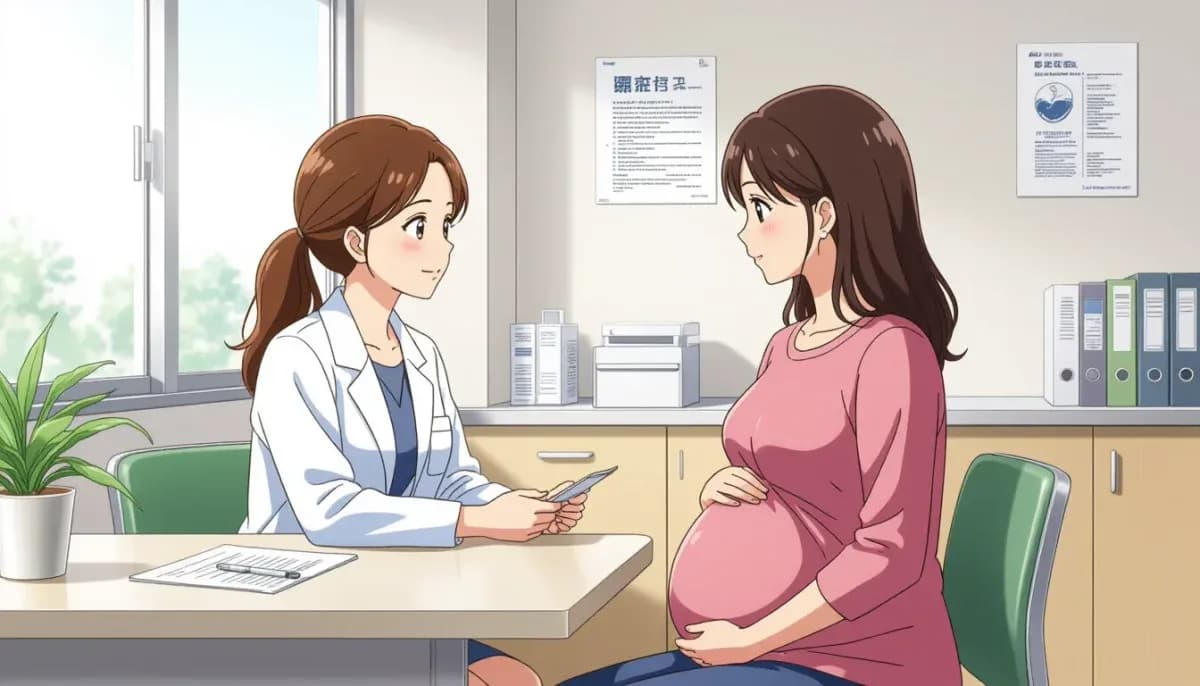
Hospital vs Clinic vs Midwife: Choosing Where to Give Birth
Compare hospitals, maternity clinics, and midwife birth centers in Japan. Learn costs, what to expect, epidural availability, and how to choose the right facility for your birth as a foreigner.
Read more →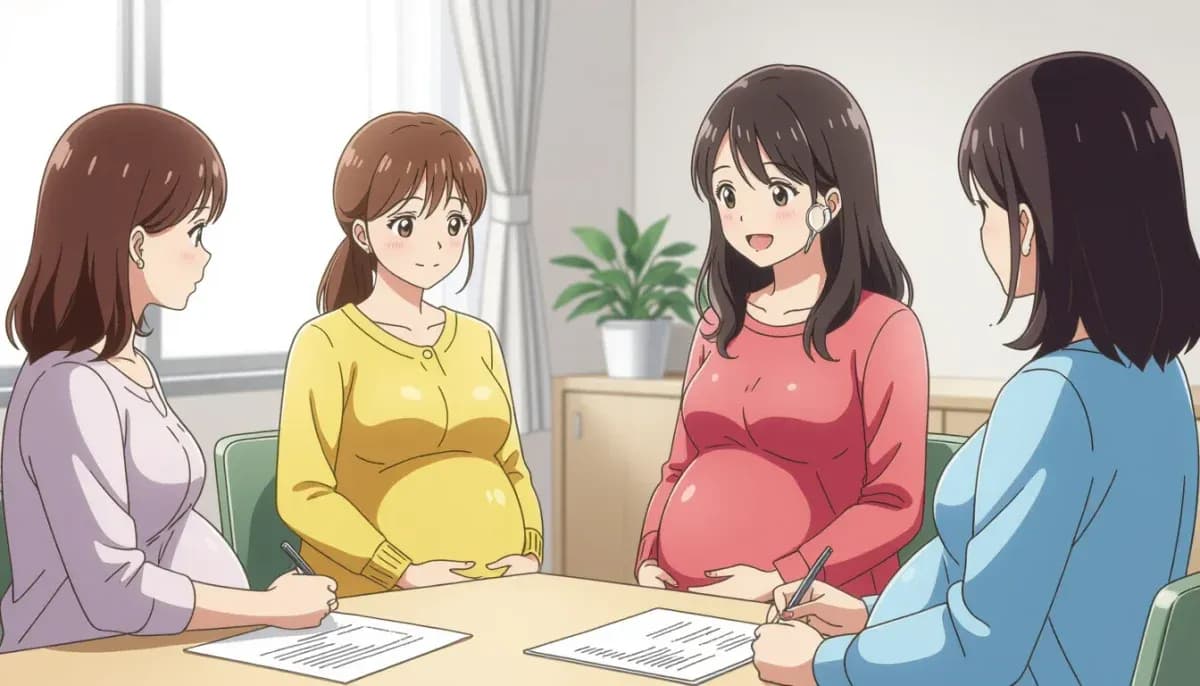
Prenatal Classes and Birth Preparation in Japan
Complete guide to prenatal classes and birth preparation in Japan for foreign parents. Learn about ryoshin gakyu classes, prenatal checkup schedules, costs, choosing a birth facility, and post-birth procedures.
Read more →