Mental Health and Emotional Wellbeing for Foreign Children in Japan
A comprehensive guide to mental health challenges, warning signs, and support resources for foreign children and expat families living in Japan. Includes clinics, hotlines, and practical strategies.
13 articles
Mental Health and Emotional Wellbeing for Foreign Children in Japan
Moving to Japan is a life-changing experience for the whole family — but while parents focus on visas, housing, and jobs, it's easy to overlook what their children are going through emotionally. Foreign children in Japan face a uniquely complex set of challenges: navigating an unfamiliar language, adjusting to a strict educational culture, building friendships across cultural boundaries, and managing a fragile sense of identity caught between two worlds. This guide walks you through the key mental health risks, warning signs, and practical resources available to support your child's emotional wellbeing throughout your time in Japan.
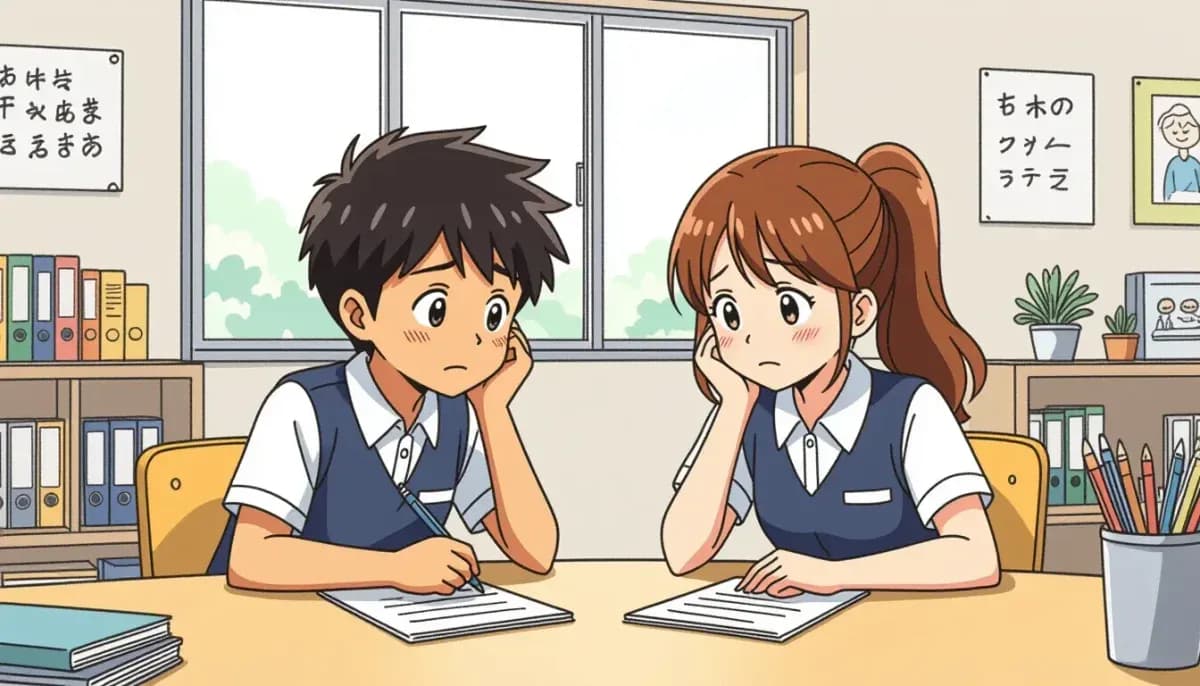
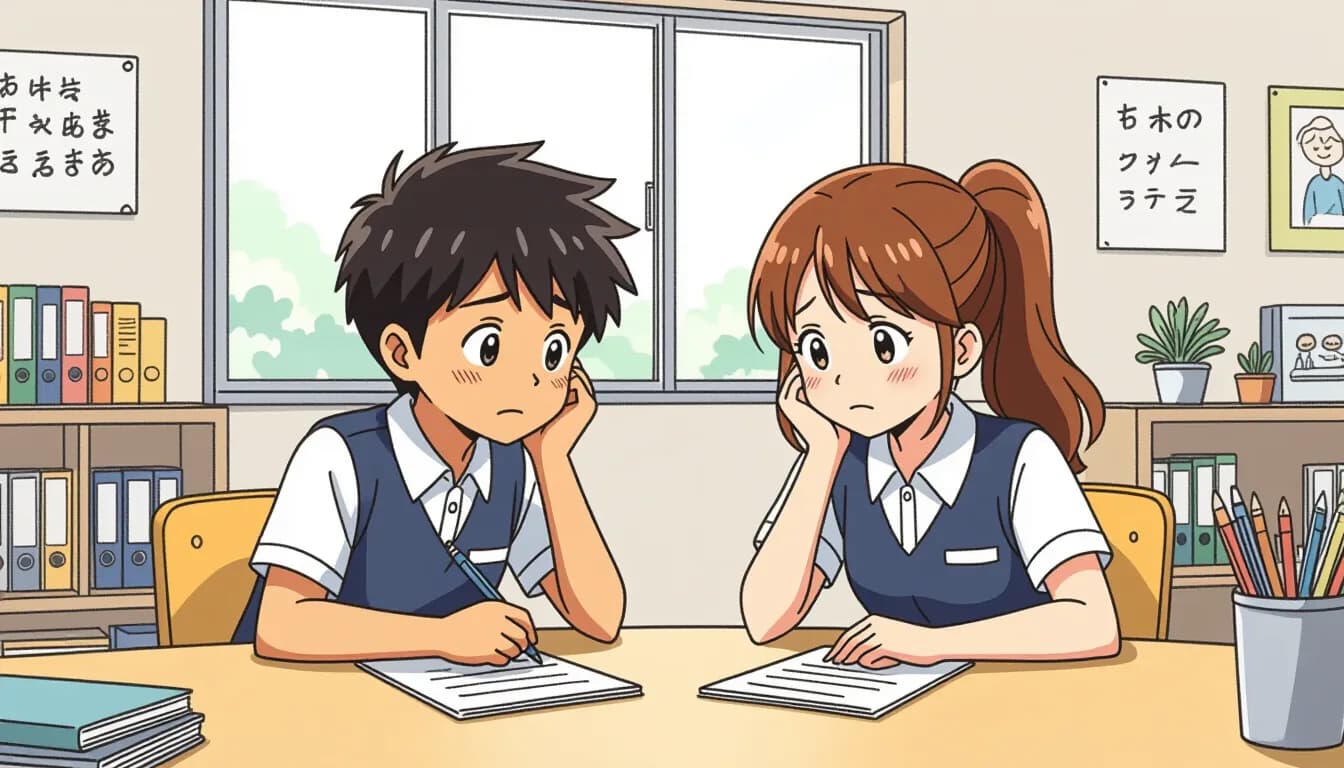
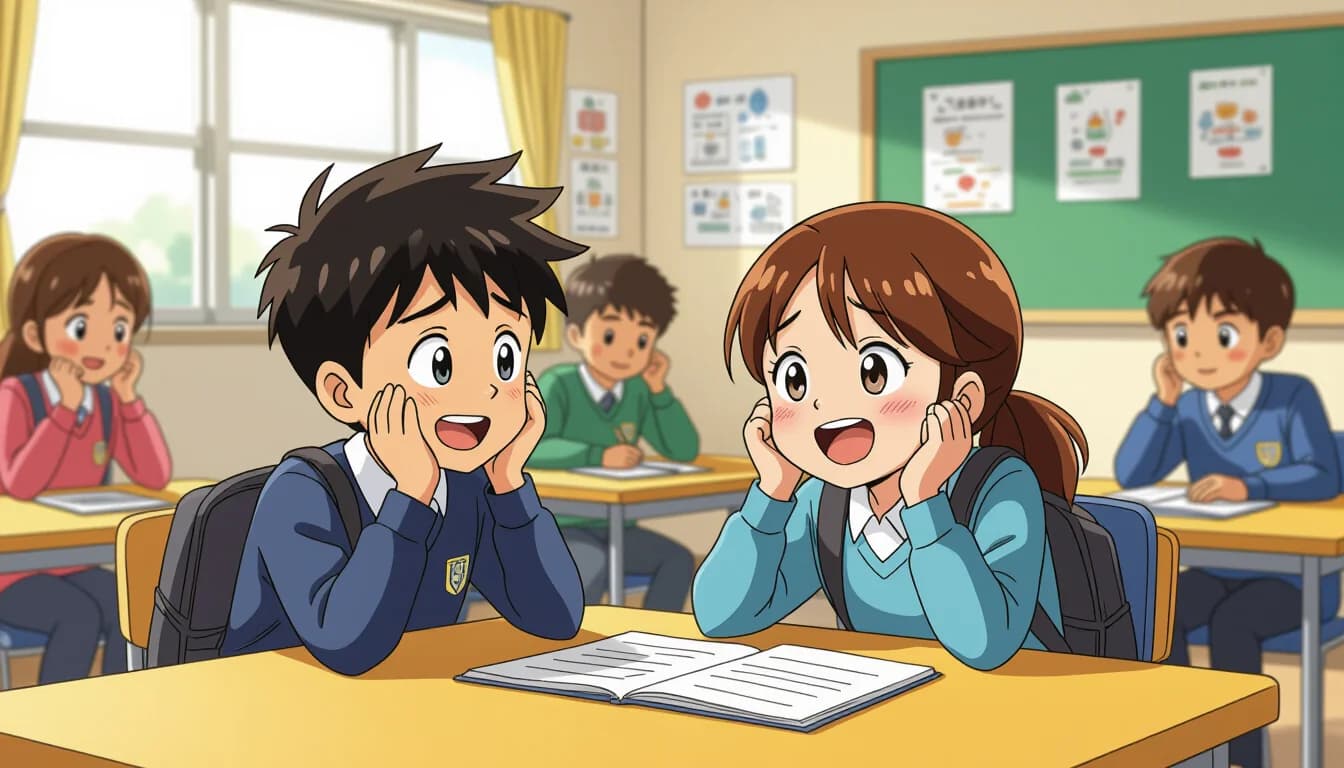
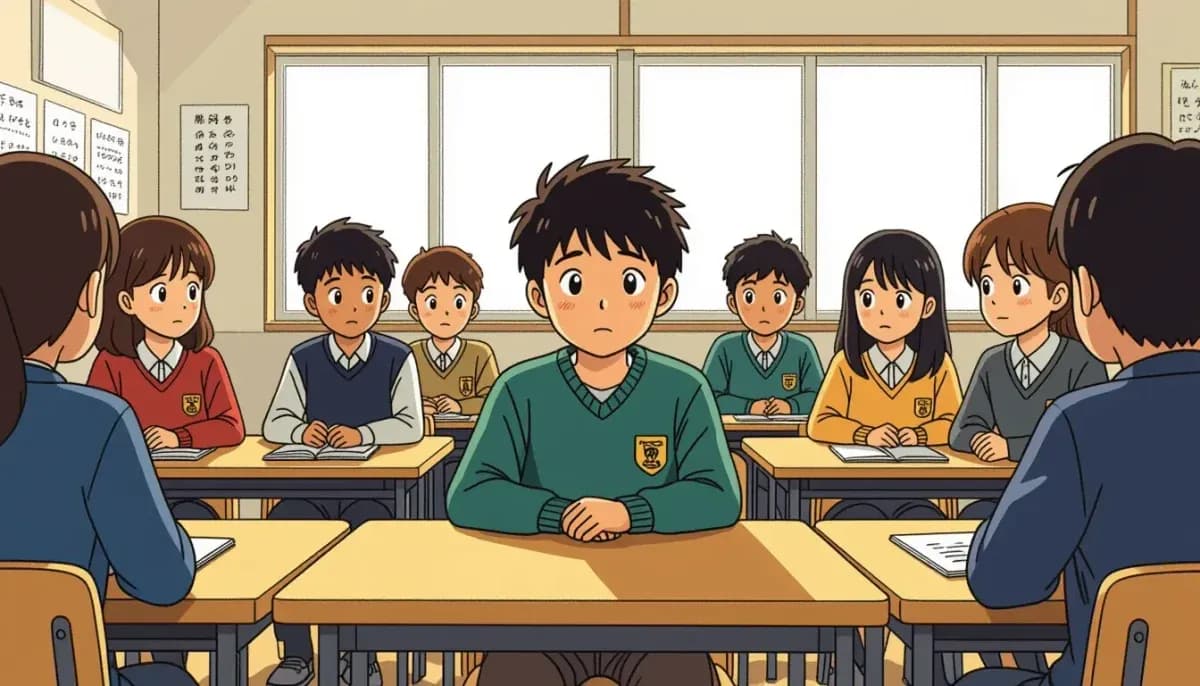
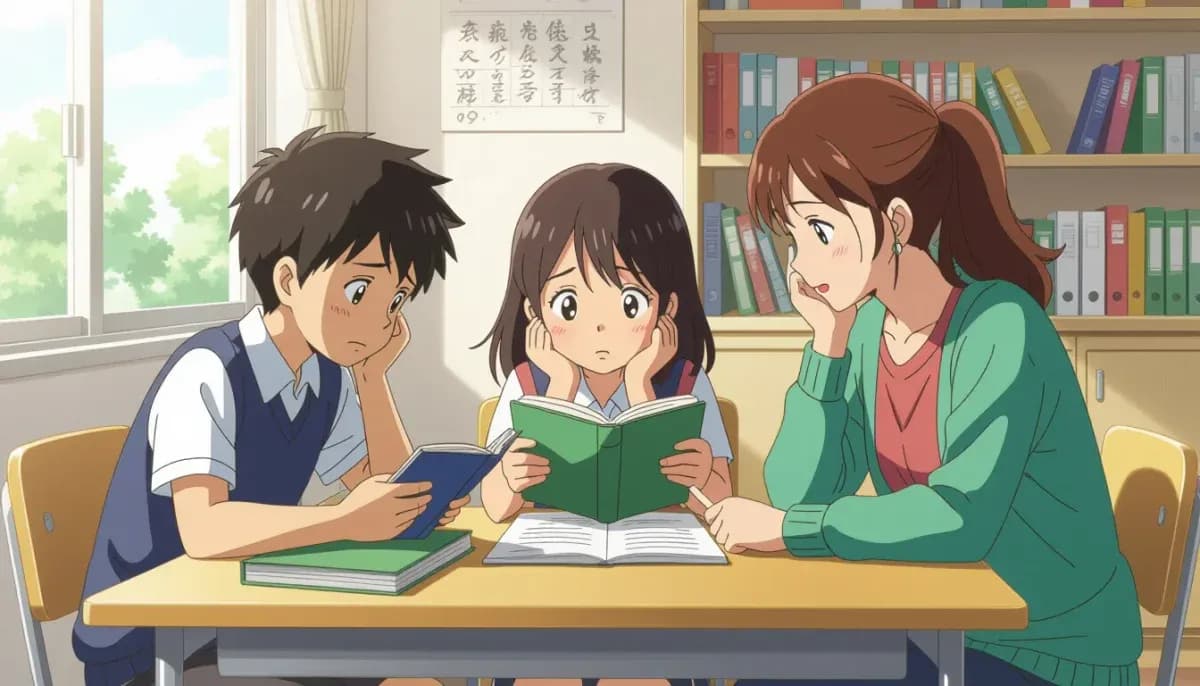
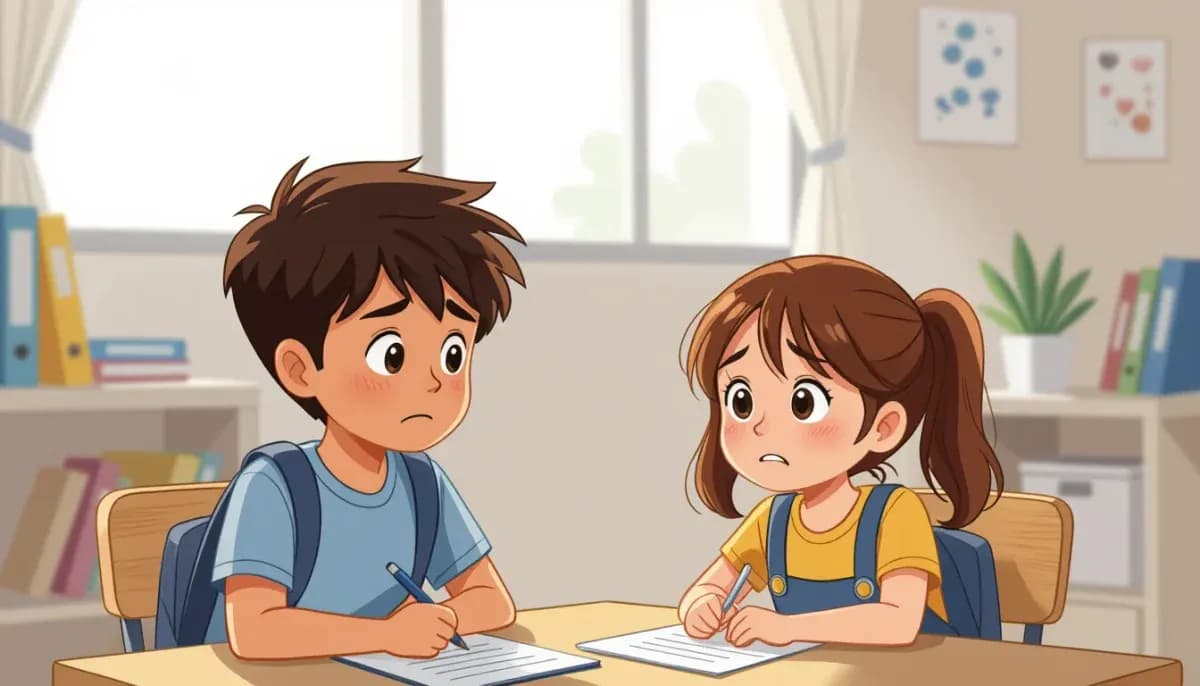
Foreign child in Japan school setting showing emotional wellbeing and cultural adjustment
Understanding the Mental Health Landscape for Foreign Children in Japan
Research paints a clear picture: foreign children in Japan are at higher risk of mental health struggles than their Japanese-born peers. A large-scale study published in Psychiatry and Clinical Neurosciences Reports surveyed 20,596 elementary school children and 19,464 junior high school students across a major Japanese city and found striking differences based on home language use.
Children who spoke only a foreign language at home had just 61.6% normal mental health scores, compared to 72.1% among children who spoke only Japanese at home. Depression rates among foreign language-only users reached 17.3% (vs. 12.8% for Japanese-only speakers), while anxiety prevalence was 19.2% vs. just 9.7%.
Perhaps most surprising, children who used both a foreign language and Japanese at home showed the highest rates of depression at 23.1% — likely reflecting the stress of straddling two cultural worlds without fully belonging to either.
These statistics mirror a broader concern: approximately one in five children in Japan lives with a mental health problem, and despite Japan ranking among the healthiest nations physically, Japanese adolescents have the second-worst psychological well-being among all OECD countries.
For foreign children — already navigating language barriers and cultural unfamiliarity — these baseline challenges are compounded significantly.
What Is Expat Child Syndrome?
Psychologists have a name for what many foreign children experience: Expat Child Syndrome. Children growing up abroad tend to have higher levels of anxiety, depression, and emotional problems than children of domestic workers. The syndrome is characterized by:
Difficulty adapting to new cultural norms and expectations
Struggles forming social relationships — often due to language gaps or being perceived as "different"
Identity confusion — not knowing whether to identify with their birth culture, Japan, or a hybrid of both
Feelings of disconnection and alienation from both peer groups
Social withdrawal — especially in adolescents, who may isolate themselves rather than risk rejection
The teenage years are when these issues often intensify. Without support, young people may struggle to reconcile their cultural heritage with the values they encounter daily in Japanese society, sometimes leading to disorientation, mood disorders, or behavioral changes.
Understanding that what your child is going through has a name — and that other families have navigated it successfully — is the first step toward getting the right help.
Warning Signs: When to Seek Help
As a parent, knowing what to look for is crucial. Children don't always verbalize emotional distress directly. Watch for these warning signs:
Warning Sign
What It Might Look Like
Reluctance to attend school
Frequent stomachaches or headaches on school mornings
Social withdrawal
Avoiding friends, spending excessive time alone
Mood changes
Unusual irritability, crying spells, or emotional flatness
Sleep disturbances
Difficulty falling asleep, nightmares, or sleeping too much
Appetite changes
Eating significantly more or less than usual
Regression
Reverting to younger-child behaviors (bedwetting, thumb-sucking)
Academic decline
Sudden drop in grades or loss of interest in schoolwork
Excessive worry
Persistent fear about school, friendships, or the future
Identity rejection
Refusing to use their heritage language or culture
Children who study in a language they don't fully command often experience guilt about poor academic performance, and many hide these struggles from their parents to avoid being a burden. Regular, low-pressure check-ins — especially in your child's strongest language — can open the door to honest conversations.
The relationship between language and mental health is more complex than it might seem. Bilingualism, when it develops well, has a demonstrably positive effect on children's emotional wellbeing. Children who achieve strong proficiency in both their heritage language and Japanese tend to show better mental health outcomes over time.
The problem arises when children feel stuck in between — not fluent enough in Japanese to connect with classmates, yet gradually losing fluency in their home language as well. This linguistic no-man's-land often coincides with periods of peak emotional difficulty.
Several issues compound the language-identity challenge:
Hafu children (children of Japanese-foreign parentage) may face questions about their identity from both sides, with some peers treating them as not quite Japanese, and their birth-culture family treating them as too Japanese. Read more in our guide to Understanding Hafu Identity in Modern Japan.
Children who maintain strong heritage language skills often retain stronger cultural connections, self-esteem, and family communication. Our guide on Why Maintaining Your Child's Heritage Language Matters explains the research behind this.
Children attending Japanese public school rather than international school may feel their identity is being erased, especially if they are discouraged from speaking their home language at school.
Social Challenges: Ijime, Isolation, and Making Friends
Social integration is one of the most significant mental health stressors for foreign children in Japan. Ijime (bullying) in Japanese schools is a well-documented problem, and foreign children — who may dress, behave, or speak differently — can be disproportionately targeted.
Research on immigrant children in Japanese schools has identified the following as key social challenges:
Fear and loneliness: Foreign children frequently report feeling afraid in school environments where they don't understand interactions around them
Rejection and exclusion: Being left out of group activities, lunch groups, or after-school arrangements
Bullying and discrimination: Physical or verbal bullying tied to appearance, language, or cultural background
No friends at school: Japanese studies found that peer isolation and having no friends were primary reasons foreign children refused school attendance
Japanese schools emphasize group harmony (wa) strongly, and children who stand out — by not following routines, misunderstanding social cues, or communicating differently — may struggle to find their place. Our guide on Helping Foreign Children Make Friends in Japan offers concrete strategies for parents.
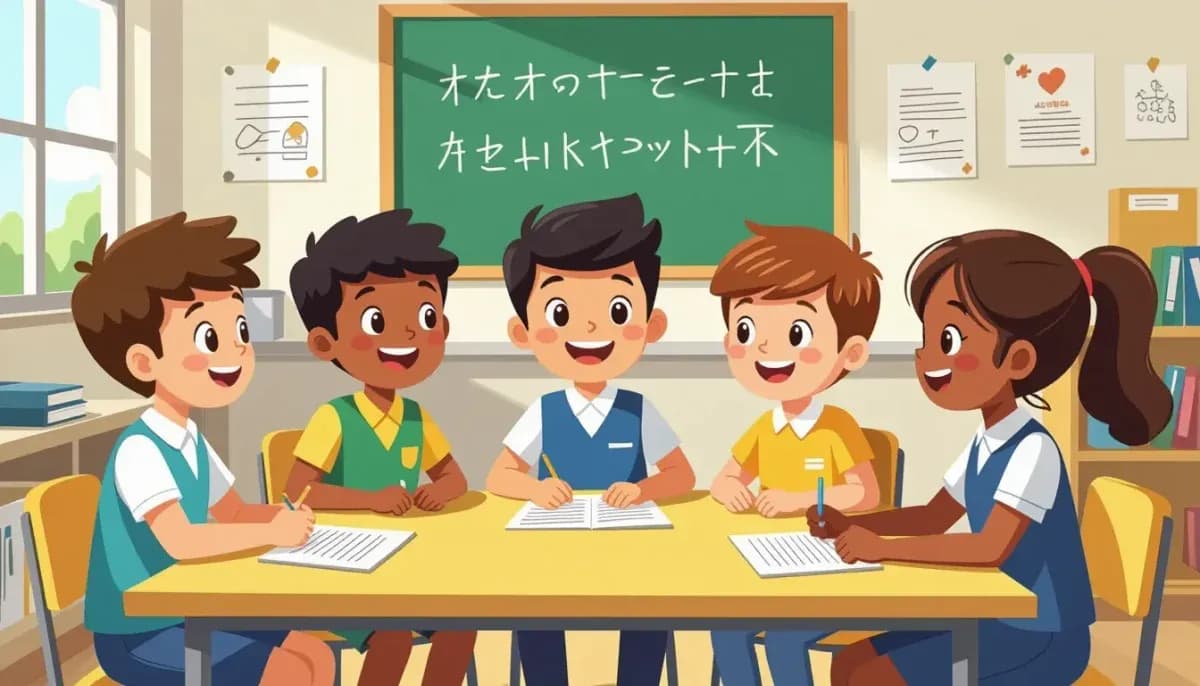
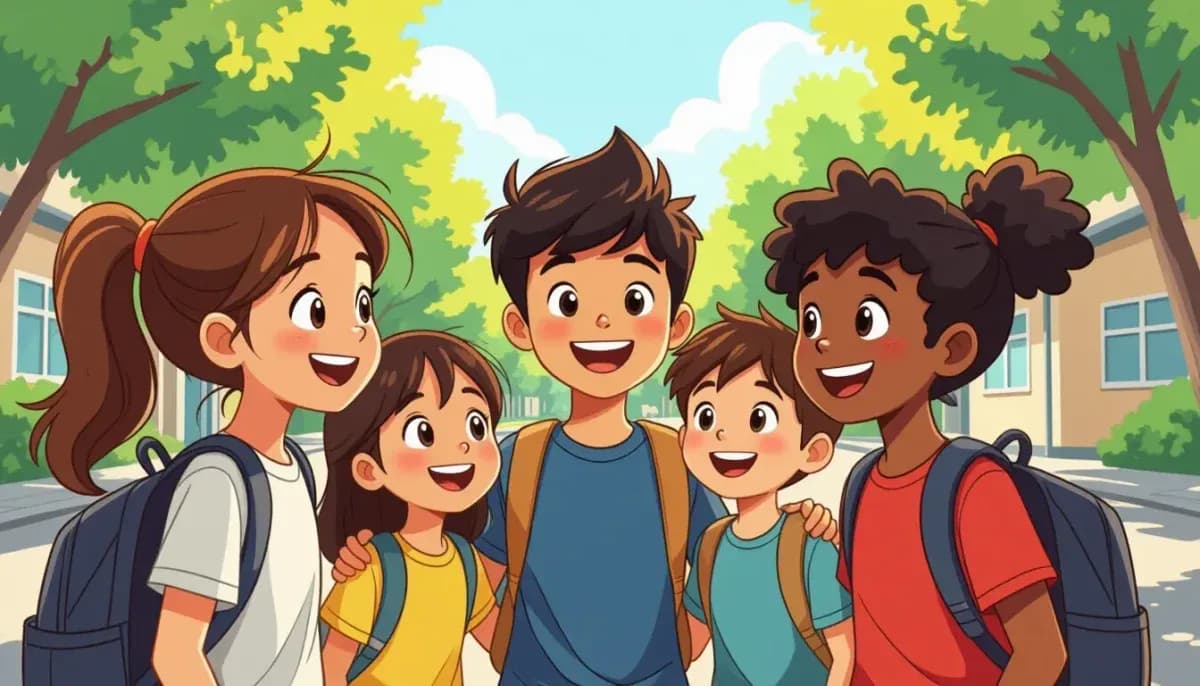
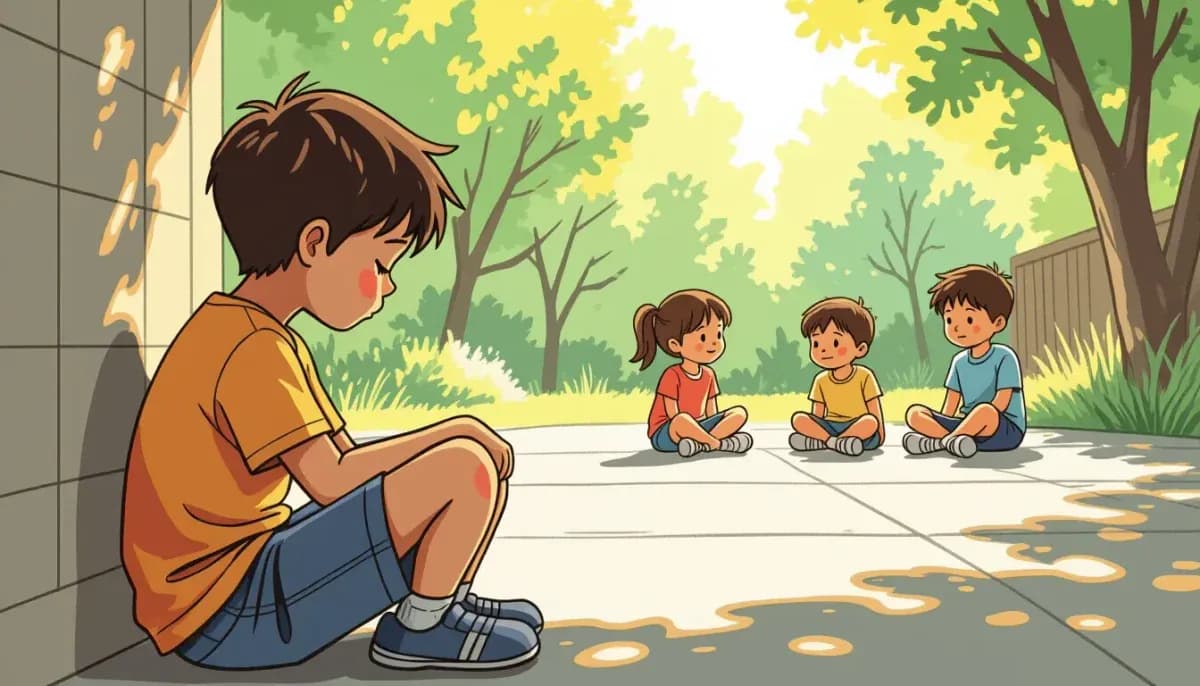
Children playing together in a multicultural school environment in Japan
Mental Health Support Resources in Japan
The good news is that Japan offers a growing range of support resources, particularly in major cities. Here's an overview:
Emergency and Crisis Lines
TELL Lifeline: 03-5774-0992 — English-language crisis line, available 24/7 in Tokyo
Yorisoi Hotline: 0120-279-338 — Multilingual support in multiple languages; also operates a 24/7 crisis line at 050-3655-0279
Emergency services: 119 (ambulance) or 110 (police)
English-Speaking Mental Health Clinics
City
Clinic/Service
Services Offered
Tokyo
TELL Counseling
Individuals, couples, families, children — English, Spanish, Mandarin
Tokyo
Tokyo Counseling Services
Individual, family, group therapy in 6+ languages
Tokyo
Tokyo Psychotherapy LLC
Specialist in children, adolescents, ADHD, anxiety
Tokyo
Therapy Garden
Expat-focused mental health counseling
Tokyo
Roppongi Clinic
Psychiatric care with Japanese insurance accepted
Osaka
Ikegami Mental Health Clinic
Adolescents and adults; English available
Nagoya
Adjustment Guidance
Individual therapy, English and Japanese
Specialized Organizations for Foreign Families
IMHPJ (International Mental Health Professionals Japan): A professional network connecting expat families with English-speaking therapists across Japan. Useful for finding therapists who understand cross-cultural adjustment.
Group With: A counseling service specifically designed for returnee children and foreign children navigating Japanese educational and social contexts.
AMDA International Medical Information Center: Provides medical information referrals in multiple languages.
For broader information on mental health support for foreigners in Japan, the Mental Health and Wellbeing Guide on Living in Nihon covers practical strategies for adults and families navigating Japan's mental health system.
Building Emotional Resilience: What Parents Can Do
Beyond seeking professional help when needed, parents play a critical role in building their child's emotional resilience day to day.
1. Maintain Open, Language-Rich Communication
Talk to your child regularly in their strongest language. Ask specific questions ("What was one hard moment today?" rather than "How was school?") to invite honest reflection. Younger children especially may lack the vocabulary to describe emotional experiences in a second language.
2. Preserve Cultural Anchors
Continue celebrating home-country holidays, cooking traditional foods, and connecting with community groups from your country. Cultural continuity gives children a stable identity to return to when the external world feels disorienting.
3. Find Your Community
Japanese cities have expat parent communities, international school networks, and cultural organizations where children can meet peers in similar situations. Even one friendship with another foreign child can dramatically reduce feelings of isolation.
4. Don't Minimize the Struggle
Avoid telling your child to "just adapt" or "it'll get better soon." Acknowledge that the transition is genuinely hard, that their feelings are valid, and that asking for help is a sign of strength.
Stay in contact with your child's teachers. Japanese schools increasingly have access to school counselors (sukūru kaunserā), though not all are equipped to work with foreign children. If your child is struggling in a Japanese public school, consider whether an international school environment might better support their wellbeing. Our Complete Guide to International Schools in Japan can help you evaluate options.
Navigating School Refusal (Futōkō)
School refusal — known in Japan as futōkō (不登校) — is a recognized phenomenon, and foreign children are particularly vulnerable. When language barriers, social isolation, and cultural unfamiliarity converge, the school environment can feel genuinely threatening rather than safe.
If your child is refusing school:
Don't force attendance without understanding the root cause
Contact the school to explain the situation and request support
Seek a mental health evaluation to rule out anxiety disorders or depression
Explore alternative arrangements — some municipalities offer alternative learning centers (fureai kyōshitsu) for children who cannot attend regular school
One unique challenge for foreign families in Japan is navigating cultural attitudes toward mental health. While awareness is increasing in Japan, there remains significant stigma around seeking psychological help — both within Japanese society and in many origin countries of foreign residents.
Practical considerations:
Some families may feel shame about a child needing therapy — but framing it as "academic support" or "adjustment support" can reduce resistance
In Japan, school counselors are available in most schools but may not be trained for cross-cultural issues
Some Japanese health insurance covers psychiatric consultations; private English-language services typically do not accept national health insurance but may offer sliding-scale fees
Many foreign children in Japan are Third Culture Kids (TCKs) — children who spend their formative years outside their parents' home culture. Research on TCKs consistently shows both risks and strengths:
Risks: Higher rates of depression and anxiety; difficulty maintaining long-term friendships; identity instability; grief over frequent moves
Strengths: Cross-cultural empathy; adaptability; multilingual competence; broader world perspective; comfort with diverse social environments
The goal for parents isn't to eliminate the TCK experience — it's to maximize the strengths while actively managing the risks. Children who receive consistent emotional support, who maintain a strong home-culture identity, and who develop real language skills tend to thrive as adults and look back on their time in Japan as formative rather than damaging.
For deeper reading on cross-cultural parenting approaches, visit Chuukou Benkyou for resources on supporting children through academic and cultural transitions in Japan.
Summary: Key Takeaways for Parents
Supporting your foreign child's mental health in Japan comes down to a few consistent principles:
Watch for warning signs — don't wait for your child to explicitly ask for help
Maintain their home language and culture — bilingual, biculturally-grounded children fare better
Build community — isolation is the biggest risk factor; connection is the biggest protective factor
Seek professional help early — Japan has English-language mental health resources for expat families
Advocate at school — push for language support, counselor access, and anti-bullying policies
Validate the difficulty — moving to Japan is hard; it's okay for your child to find it hard too
The transition to life in Japan, managed well, can be one of the most enriching experiences a child can have. The key is making sure the emotional infrastructure is in place to support them along the way.