
Homesickness and Missing Extended Family Overseas

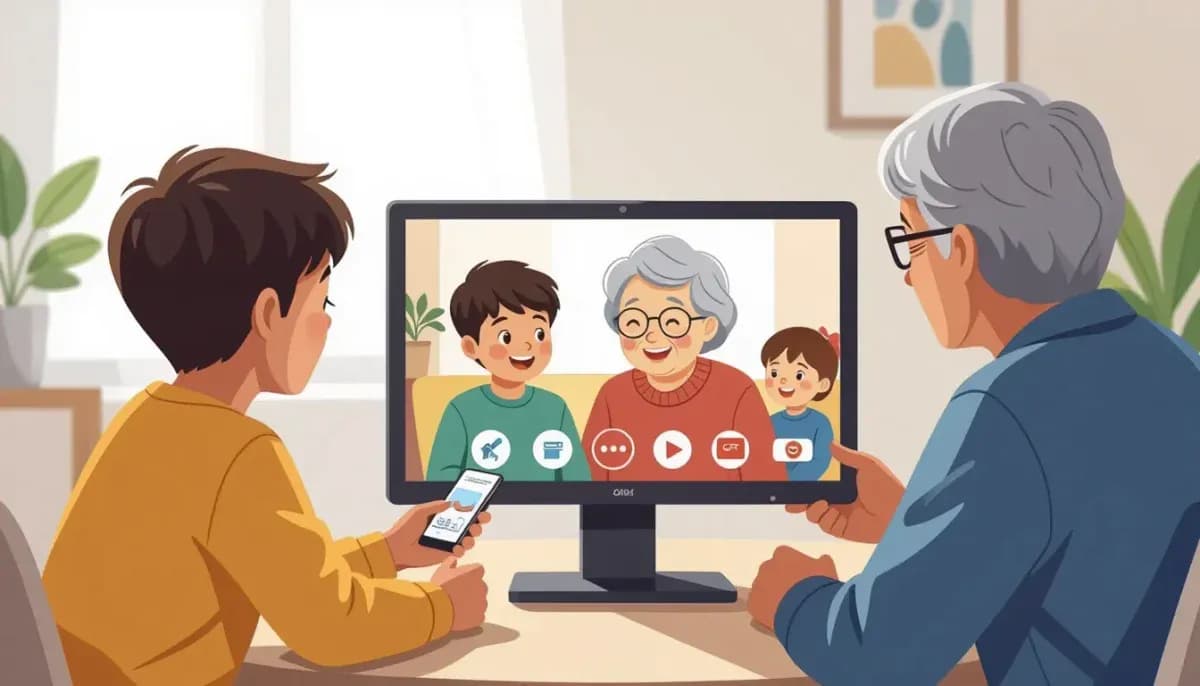
Help your foreign child cope with homesickness and missing extended family while living in Japan. Practical tips for staying connected, building community, and supporting mental health.
Homesickness and Missing Extended Family Overseas: A Guide for Foreign Children in Japan
Moving to Japan as a foreign family is an exciting adventure — new sights, sounds, and experiences await at every corner. But once the novelty fades, many children begin to feel the weight of distance from grandparents, cousins, and close friends back home. Homesickness is one of the most common emotional challenges expat children face, and missing extended family overseas can be a deeply painful experience that affects a child's wellbeing, school performance, and overall happiness.
This guide is written for parents raising foreign children in Japan who want to understand, validate, and actively help their kids cope with homesickness and the longing for loved ones left behind.
Understanding Homesickness in Expat Children
Homesickness is not just missing home — it is a form of emotional distress triggered by separation from familiar people, places, routines, and comfort. Research shows that between 20% and 90% of expats experience some degree of homesickness during their first year abroad. For children, whose sense of security is closely tied to family and routine, this can be especially intense.
A 2023 study published in Psychiatry and Clinical Neurosciences Reports examined over 20,000 elementary and junior high school children in Japan and found that children who used foreign languages at home showed significantly worse mental health outcomes compared to children using only Japanese. This highlights the unique vulnerability of foreign children navigating life in Japan — they face not only language barriers and cultural differences but also emotional isolation from extended family networks.
Common signs of homesickness in children include:
- Frequent crying or emotional outbursts, particularly around holidays or family events
- Withdrawal from social activities or reluctance to make new friends
- Difficulty concentrating or declining grades at school
- Changes in appetite or sleep patterns
- Expressing intense desire to "go home" or see grandparents
Recognizing these signs early is the first step toward helping your child heal.
The Special Pain of Missing Grandparents and Extended Family
For many foreign children in Japan, the hardest part of living abroad is not the language or the culture — it is missing grandparents, aunts, uncles, and cousins who played central roles in their lives. The emotional bond between children and grandparents in particular is profound. Grandparents often represent unconditional love, storytelling, cultural heritage, and a sense of roots.
When children miss extended family, they may experience what experts call "ambiguous loss" — a grief that is real but hard to define, because the loved ones are alive and connected, yet absent from daily life. This type of loss can be more emotionally confusing for children than straightforward grief.
Common triggers for intense homesickness related to extended family include:
- Holidays and birthdays: Seeing Japanese families gather while your own family is far away can feel isolating
- Life events: Missing a grandparent's birthday, a cousin's first steps, or a family celebration
- Illness in the family: Learning that a relative is sick and being unable to be present
- Cultural disconnection: Feeling cut off from the family traditions and heritage that define identity
For children, especially those between ages 6 and 14, these feelings can feel overwhelming and permanent — it is the parent's role to provide perspective and tools for coping.
Practical Strategies to Stay Connected with Family Overseas
Staying connected with extended family is the most direct antidote to homesickness. The good news is that technology makes this easier than ever. Here are proven strategies that work well for expat families in Japan:
Regular Video Calls
Set a predictable schedule for video calls with grandparents and extended family. Whether it is every Sunday morning or every other Wednesday evening, having a regular "call date" gives children something to look forward to and creates a sense of ongoing relationship. Free apps like Zoom, FaceTime, Line, and WhatsApp make this simple across time zones.
Tips for meaningful video calls:
- Let children lead the conversation rather than just watching parents talk
- Share something specific from the week — a school project, a photo, a funny story
- Play simple games together online (cards, trivia, drawing)
- Have grandparents read bedtime stories via video to young children
Create a "Family Connection Corner"
Dedicate a small space in your home to extended family — framed photos, postcards, drawings sent by cousins, and letters from grandparents. This physical presence of family in your daily environment helps children feel less alone. Encourage grandparents to send small packages occasionally; even a handwritten letter or a local snack from the home country can be profoundly comforting.
Share Daily Life Digitally
Create a private family group chat or shared photo album (apps like Google Photos Family Library or Apple Shared Albums work well) where grandparents and extended family can see your child's daily life in Japan. When grandma can see your daughter in her school uniform or your son at a local festival, the distance feels smaller for everyone.
Maintaining Cultural Roots While Living in Japan
One of the most powerful ways to ease homesickness is to keep children rooted in their home culture even while embracing Japan. Children who have a strong sense of cultural identity tend to adapt more flexibly to new environments without losing their sense of self.
| Strategy | How to Implement | Benefit |
|---|---|---|
| Cook home-country meals weekly | Make Friday night "family recipe night" using dishes from back home | Sensory connection to home; builds cooking skills |
| Celebrate home-country holidays | Decorate, cook traditional foods, and video call family | Maintains cultural traditions; reduces feeling of missing out |
| Read books from home culture | Source books in your native language; visit international libraries | Heritage language maintenance; emotional connection |
| Watch TV shows/movies from home | Set a weekly "movie night" with content from your home country | Language maintenance; shared cultural references with family |
| Keep a "Japan journal" for family | Child writes/draws about life in Japan to share with grandparents | Builds narrative identity; gives grandparents a window into your world |
For bilingual or heritage language resources specifically, the article on Heritage Language Maintenance for Children in Japan offers in-depth strategies for keeping your home language alive.
Building Community in Japan to Ease Isolation
While no one can replace grandparents, building a support community in Japan can significantly reduce the emotional weight of isolation. Research consistently shows that expats who actively build local relationships report lower levels of chronic homesickness. For children, friendships and community activities act as powerful emotional buffers.
Finding Expat and International Communities:
- International schools often have strong parent communities with families from many countries — see our guide on International Schools in Japan
- Foreign resident communities (外国人コミュニティ) exist in most major Japanese cities and offer cultural events, playgroups, and social gatherings
- Church and religious communities often serve as surrogate family networks for expat children
- Online groups such as Facebook groups for "Expat Families in Japan" or "Foreign Parents in [City]" can connect you with local families facing the same challenges
Making Japanese Friends: Children who have close Japanese friends tend to adapt more easily and feel more at home. Encouraging participation in after-school activities, sports clubs, and neighborhood events helps children build genuine connections. Read more in our guide to Making Friends and Developing Social Skills in Japan.
For more on building community as a foreign family, see Community and Support Networks for Foreign Families in Japan.
When Homesickness Becomes a Mental Health Concern
For most children, homesickness is a normal and manageable emotional response that eases over time with the right support. However, in some cases, persistent homesickness can develop into something more serious — including anxiety disorders, depression, or adjustment disorders.
Signs that your child may need professional support:
- Homesickness does not improve after 6+ months in Japan
- Child consistently refuses school or social activities
- Persistent sadness, hopelessness, or talk of wanting to die or disappear
- Significant weight loss, sleep disruption, or regression in younger children
- Inability to experience joy or pleasure in any activities
Mental Health Resources in Japan for Expat Families:
- TELL Lifeline: English-language mental health crisis support, 24 hours a day. Phone: 03-5774-0992
- よりそいホットライン: Multilingual support hotline (0120-279-338) with dedicated foreign language lines
- Advantage Consultation Center: Web counseling available in 100+ languages
- International therapists in Tokyo and Osaka: Many expat-focused therapists operate in English, French, German, and other languages; search through InterNations or Expat.com directories
For a broader overview of mental health support for your child in Japan, see our pillar guide: Mental Health and Emotional Wellbeing for Foreign Children in Japan.
The article Expat homesickness and depression also offers a useful breakdown of when homesickness crosses into clinical territory.
Planning Visits and Creating Countdowns
One of the most effective tools for managing children's homesickness is giving them something concrete to look forward to. Planning visits — either traveling home or having family visit Japan — and creating visual countdowns can dramatically reduce the emotional weight of separation.
Tips for planning meaningful visits:
- Plan at least one visit home or one family visit per year, ideally around an important holiday
- Create a paper chain countdown that children can tear off daily, making the visit feel tangible and approaching
- Involve children in planning itineraries for when family visits Japan — it gives them ownership and excitement
- If a visit is not possible financially, plan a "virtual visit" weekend with extended calls, shared meals over video, and special activities
Also consider the reverse: welcoming extended family to Japan can be transformative. Grandparents who visit Japan and experience your child's school, neighborhood, and daily life often form a much deeper understanding and connection. The memories made together in Japan become a shared story that bridges the distance long after the visit ends.
For tips on traveling within Japan as a family, see Family Travel in Japan: Destinations and Tips for Kids.
Supporting Your Child Through Major Life Events Far from Family
One of the most painful aspects of expat life is missing — or being absent from — major family milestones. A grandparent's significant birthday, a cousin's graduation, a family funeral. These events can trigger acute homesickness even in children who have otherwise adjusted well.
Strategies for navigating milestone moments:
- When possible, travel home for major events; budget and plan ahead
- If travel is not possible, create a parallel celebration at home in Japan — watch the livestreamed event together, make the same cake, send gifts in advance
- Allow children to grieve the missed event — don't minimize their sadness with "at least we can video call"
- After the event, ask family to send photos, videos, and mementos so children feel included in the story
- For significant losses (a grandparent's death, for example), consider consulting a grief counselor to support your child
The transition experience itself — both arriving in Japan and eventually departing — has deep emotional dimensions. For a comprehensive look at the relocation journey, see Moving To and From Japan with Children: Relocation Guide.
Additional Resources
For deeper reading on expat family emotional wellbeing, these external resources are highly recommended:
- Living in Nihon: Mental Health and Wellbeing Guide for Foreigners in Japan — A comprehensive Japanese-language and English resource for expat mental health support in Japan
- Expat Child: Homesick Expatriates — Expert advice on supporting children through expat homesickness
- Global Health Insurance: How to Cope with Missing Your Family as an Expat — Practical coping strategies and when to seek professional help
- For Work in Japan: Expat Life and Family Resources — Resources for foreign families navigating life and work in Japan
- Chuukou Benkyou: Mental Care for Students in Japan — Mental health and motivation strategies relevant to school-age children in Japan
Homesickness is not a sign of failure — it is proof of love. The fact that your child misses grandparents deeply reflects the richness of family bonds that your family carries into Japan with you. With consistent connection, cultural grounding, community building, and professional support when needed, foreign children in Japan can learn to hold both worlds — their beloved home and their exciting new life — in their hearts at the same time.

Originally from Vietnam, living in Japan for 16+ years. Graduated from Nagoya University, with 11 years of professional experience at Japanese and international companies. Sharing practical information for foreign parents raising children in Japan.
View Profile →Related Articles
Positive Psychology Approaches for Multicultural Children
Discover evidence-based positive psychology approaches to help multicultural children in Japan thrive — building bicultural identity, resilience, language confidence, and emotional wellbeing.
Read more →
Combating Social Isolation and Loneliness in Expat Kids
Practical guide to helping expat children overcome social isolation and loneliness in Japan. Covers warning signs, strategies, resources, and research-backed advice for foreign families.
Read more →
How Parental Stress Affects Children in Expat Families
Learn how parental stress transmits to children in expat families in Japan, warning signs to watch for, and proven strategies to protect your children's emotional wellbeing.
Read more →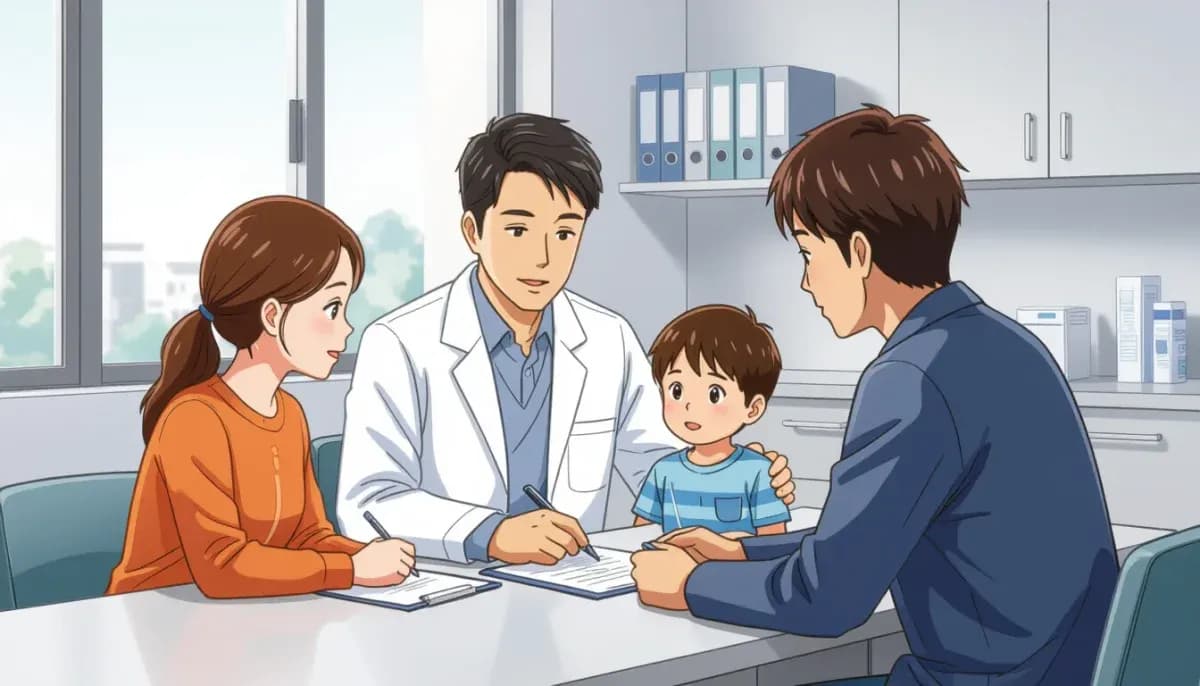
When to Seek Professional Help for Your Child in Japan
A complete guide for foreign parents on warning signs, types of professionals, and how to access mental health, developmental, and behavioral support for your child in Japan.
Read more →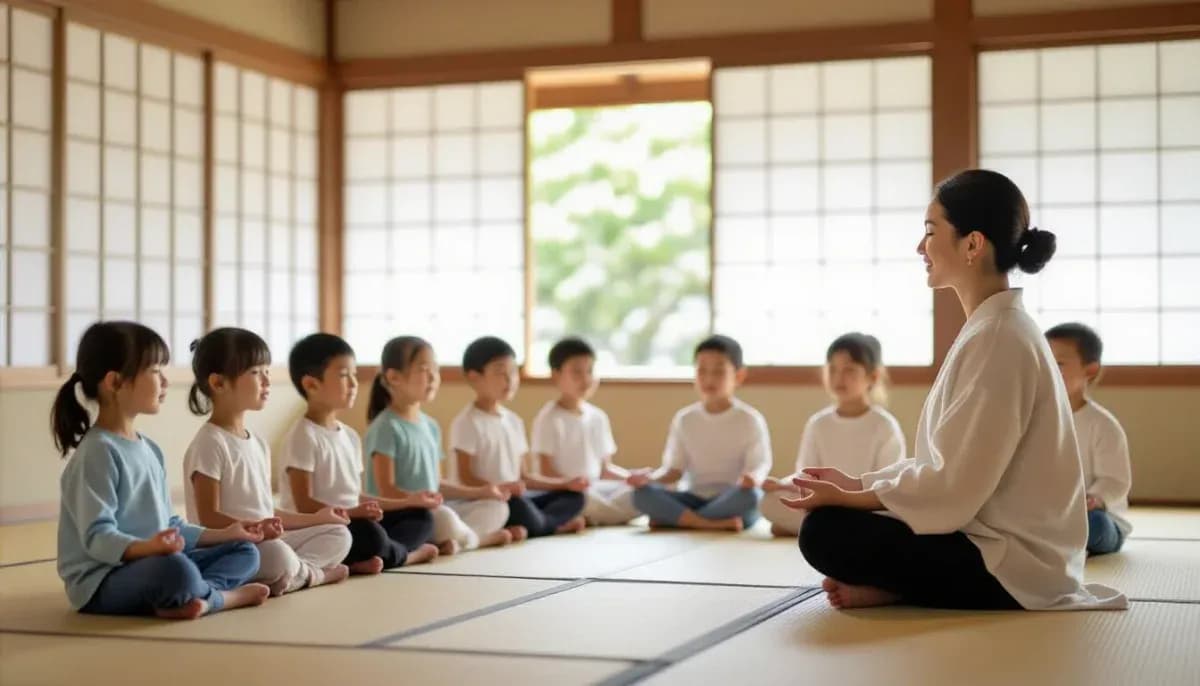
Mindfulness and Relaxation Techniques for Children
Discover effective mindfulness and relaxation techniques for children in Japan. From breathing exercises to Shinrin-yoku, help your child manage stress and thrive as an expat family.
Read more →
Emotional Support During Major Life Transitions
Navigating major life transitions in Japan as a foreigner? Discover emotional support strategies, English-language mental health resources, crisis lines, and community-building tips to help you and your family thrive through change.
Read more →