
How Parental Stress Affects Children in Expat Families

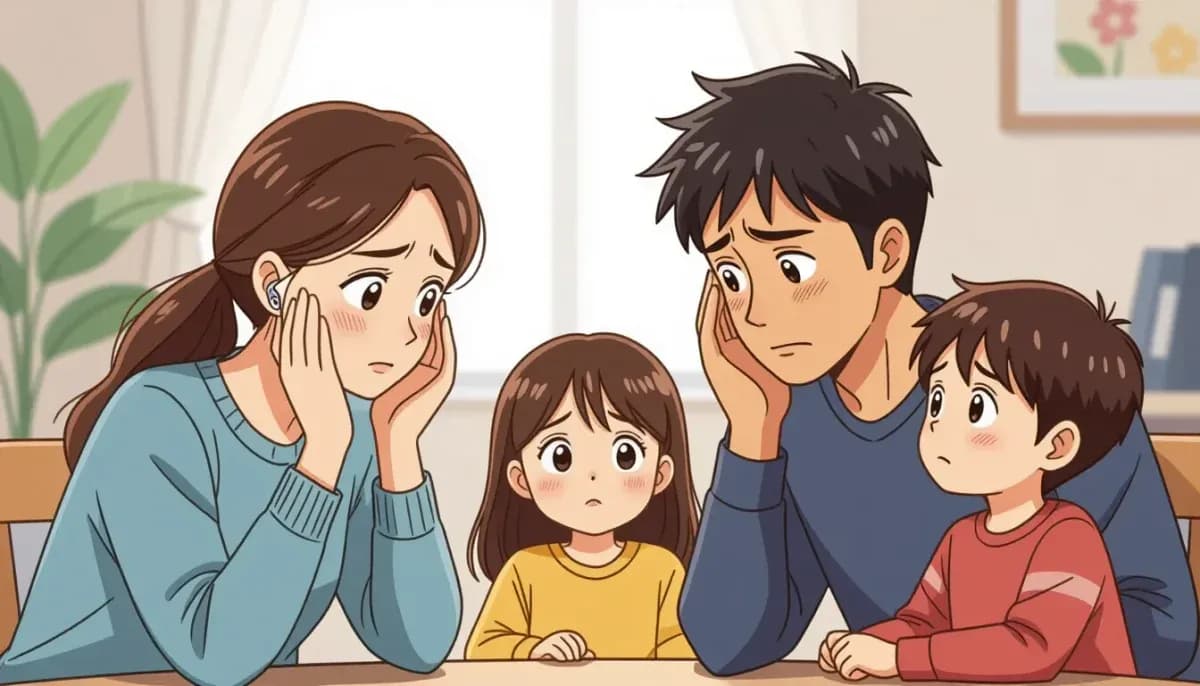
Learn how parental stress transmits to children in expat families in Japan, warning signs to watch for, and proven strategies to protect your children's emotional wellbeing.
How Parental Stress Affects Children in Expat Families in Japan
Moving to Japan as a family is one of the most exciting — and challenging — decisions you can make. Japan offers an extraordinary quality of life, excellent schools, low crime, and a rich culture. But for expat parents, the pressures of navigating a new language, a demanding work culture, and social isolation can quickly accumulate. What many parents don't realize is that this stress doesn't stay with them — it travels directly to their children.
Understanding how parental stress affects children in expat families living in Japan is the first step toward building a healthier, more resilient family unit. In this guide, we'll explore the science behind stress transmission, the unique stressors Japan presents, warning signs to watch for, and practical strategies to protect your children's emotional wellbeing.
The Science of Parental Stress Transmission
Children are remarkably sensitive emotional barometers. Research consistently shows that parental stress, anxiety, and depression are transmitted to children through behavioral, verbal, and even biological channels. When parents are overwhelmed, children pick up on changes in tone of voice, facial expressions, daily routines, and the emotional availability of their caregivers.
A landmark study published in Royal Society Publishing found a clear pathway: greater availability of community support was associated with lower maternal stress and depression, which in turn correlated with better social development outcomes in children. The reverse is equally true — isolated, stressed parents raise children who struggle socially and emotionally.
For expat families in Japan, this pathway is particularly relevant. Social isolation is one of the most commonly reported challenges among foreign residents. According to the Tokyo Metropolitan Government (2019), over 50% of foreign residents report daily communication difficulties, and 40% experience significant social isolation. When parents have no reliable community support network, their stress has nowhere to go — except downward to their children.
Key transmission mechanisms include:
- Behavioral modeling: Children learn how to respond to challenges by watching their parents. An anxious parent raises an anxious child.
- Routine disruption: Parental stress often disrupts household schedules, which children depend on for their sense of security.
- Reduced emotional availability: Stressed parents have less capacity for warmth, patience, and attunement — the building blocks of secure attachment.
- Physical symptom mirroring: Children frequently develop stress-induced physical complaints (stomachaches, headaches) when their primary caregivers are under sustained pressure.
Japan's Unique Stressors for Expat Parents
Japan is not an easy country to navigate as a foreigner, even for highly prepared families. Several structural features of Japanese society create compounding stress for expat parents.
Work Culture Pressure
Japan's legendary work culture places enormous demands on employed parents. According to the Ministry of Health, Labour and Welfare (2019), 43.3% of employees in Japan work more than 50 hours per week. For expat parents employed by Japanese companies, the expectation of long hours — combined with a deeply ingrained culture of presenteeism (being seen at the office) — can dramatically reduce the time and energy available for family life.
The gender imbalance is particularly stark: only 6% of fathers utilized paternity leave in 2021, compared to 80% of mothers. In expat families, this often means one parent (typically the mother) carries virtually all childcare and household management responsibilities while simultaneously trying to build a life in an unfamiliar country.
Language and Communication Barriers
Navigating Japan's bureaucracy, school system, medical system, and social culture without Japanese language fluency is exhausting. Simple tasks — filling out school forms, attending parent-teacher conferences, understanding a doctor's recommendations — require enormous effort and often result in misunderstandings. This friction drains parental energy and can lead to feelings of helplessness and incompetence.
Social Isolation
Japan's social culture can be difficult for foreigners to break into. Many expat parents report struggling to build genuine friendships with Japanese neighbors and parents, even after years of living in the country. Without a robust support network, parents lack the buffer that community connection provides against life's everyday stresses.
Financial Pressure
Tokyo ranks among the world's most expensive cities (7th globally by Numbeo), with average monthly living costs of approximately $3,500 for a family of four. The financial pressure of maintaining an expat lifestyle — often without extended family assistance in childcare — adds another significant layer of parental stress.
For more on managing these financial pressures, see our guide on Financial Planning for Expat Families Raising Children in Japan.
How Children in Expat Families Are Affected
Research specifically on children in Japan's expat community reveals concerning patterns that parents should understand.
A major study published in PMC (PubMed Central) involving 40,060 children in Japan examined mental health outcomes by household language use. The findings were striking:
| Language Used at Home | Normal Mental Health Rate | Severe Mental Health Problems |
|---|---|---|
| Japanese only | 72.1% | 2.1% |
| Foreign language only | 61.6% | 3.3% |
| Both Japanese and foreign language | 56.0% | 4.7% |
Children navigating two languages at home — which often reflects acculturation stress — showed the worst mental health outcomes overall, with severe problems occurring at more than twice the rate of Japanese-only households.
This doesn't mean bilingualism is harmful (far from it — see our guide on Raising Bilingual Children in Japan). What it reflects is that the stress of navigating between two cultural worlds, often amplified by parental anxiety, takes a measurable toll on children's emotional wellbeing.
The "Immigrant Paradox" and Its Limits
Research has identified an "immigrant paradox" or "healthy immigrant effect": newly arrived children often initially show positive mental health outcomes, buoyed by the excitement of novelty and close family bonds that relocation can temporarily strengthen. However, as acculturation progresses and the reality of social integration challenges sets in, mental health outcomes tend to deteriorate — especially when parental stress is high and community support is low.
Physical Symptoms to Watch For
Children often express emotional distress physically before they can articulate it verbally. Pediatrician Naoko Narita, cited in research published by Japan Today, identified that children as young as three are increasingly presenting with stress-related complaints in Japanese daycare settings.
Common physical warning signs of stress in expat children include:
- Recurring stomachaches, particularly on school mornings
- Frequent headaches without medical cause
- Disrupted sleep (difficulty falling asleep, nightmares, bedwetting regression)
- Stress-related skin rashes or eczema flares
- Loss of appetite or digestive complaints
For a deeper look at supporting children's emotional health in Japan, see our dedicated guide on Mental Health and Emotional Wellbeing for Foreign Children in Japan.
Recognizing the Signs That Your Stress Is Affecting Your Children
Parents under chronic stress often don't realize how their behavior has changed until a child's teacher, pediatrician, or a moment of honest self-reflection provides a clear mirror. Here are key behavioral changes to watch for in your children:
Increased clinginess or separation anxiety — especially if the child was previously independent. This often reflects a loss of felt security as the child senses parental anxiety or emotional unavailability.
Behavioral regression — reverting to behaviors associated with younger ages (thumb-sucking, baby talk, toileting accidents). Regression is a child's way of signaling that they need more emotional support than they're currently receiving.
School avoidance or sudden academic decline — often appears when home stress spills over into a child's ability to concentrate and engage socially at school.
Aggressive or oppositional behavior — some children respond to family stress by externalizing, becoming irritable, defiant, or prone to tantrums.
Withdrawal and emotional flatness — older children and teenagers may retreat into screens, stop sharing their day, or become uncharacteristically quiet. This often signals that the child has concluded that the parent doesn't have the emotional bandwidth to receive their concerns.
Over-responsibility — some children, particularly firstborns, respond to parental stress by becoming hypervigilant caretakers of the family's emotional atmosphere, suppressing their own needs in an attempt to manage the parent's distress.
Practical Strategies for Protecting Your Children
The good news is that parental stress is not destiny. Research consistently shows that what matters most is not the absence of parental stress, but the quality of the parent-child relationship maintained in the midst of it. Children are remarkably resilient when their emotional needs are consistently seen and responded to.
1. Protect Daily Routines
Predictable daily rhythms — consistent meal times, bedtime rituals, after-school routines — are among the most protective factors for children navigating change. Routine communicates safety: the world may be unpredictable, but home is reliable. Even if routines need to be modified during high-stress periods, maintain the core structure as much as possible.
2. Name Your Stress Honestly (But Age-Appropriately)
Children already know when parents are stressed. Pretending otherwise doesn't protect them — it isolates them with their worry and leaves them without a framework for understanding what they're perceiving. Brief, honest, age-appropriate explanations ("Mommy is feeling frustrated with work today, but it has nothing to do with you") reduce children's self-blame and build their emotional vocabulary.
3. Prioritize Your Own Mental Health
You cannot pour from an empty cup. Seeking support for your own stress — whether through therapy, peer connection, regular exercise, or even just regular time away from parenting responsibilities — is not selfish. It is the most important thing you can do for your children's wellbeing.
Key mental health resources for expat parents in Japan:
- TELL (Tokyo English Life Line): Provides English-language counseling in Tokyo and Okinawa. One of the most accessible professional mental health resources for the expat community.
- Tokyo Child Guidance Center: Offers support for children under 18 and their parents.
- Expat Facebook groups and community organizations: Peer support through communities like InterNations Tokyo or local expat parent Facebook groups can provide the informal support network that isolation erodes.
For additional support resources, Living in Nihon provides valuable guidance for expats navigating life in Japan: Living in Nihon.
4. Build Your Support Network Proactively
Don't wait until you're overwhelmed to build community. Make connecting with other expat parents a priority from your earliest days in Japan. Schools (especially international schools), expat community organizations, and local foreign resident groups are all excellent starting points.
For workplace-related stress and support networks for working expats in Japan, For Work in Japan offers practical guidance.
5. Involve Children in Age-Appropriate Planning
Children who have some agency in family decisions related to the move — which apartment to choose, how to decorate their room, which after-school activity to join — show better adjustment outcomes than those to whom relocation simply "happens." Even small choices communicate that their preferences matter and that they are active participants in the family's new life.
6. Avoid Overprotection
Pediatric research from Japan and elsewhere consistently identifies overprotective parenting as a key mechanism by which parental anxiety transmits to children. When parents immediately intervene in every conflict, shield children from all discomfort, and communicate — however unconsciously — that the world is dangerous, children internalize that message. Allow age-appropriate struggle, celebrate resilience, and resist the impulse to solve every problem.
7. Use Japan's Child Healthcare Safety Net
Japan offers excellent, heavily subsidized child healthcare that can ease one significant source of parental worry. In most municipalities, doctor visits for children are capped at ¥500 up to age 15, with many areas providing completely free care. Understanding and using these benefits reduces financial stress and ensures children receive prompt care when physical symptoms of stress appear.
For more details, see our guide on Healthcare and Medical Care for Children in Japan.
When to Seek Professional Help
Some situations exceed what parental adjustment and peer support can address. Seek professional help for your child if you observe:
- Persistent symptoms lasting more than 2-3 weeks (sleep disruption, appetite changes, school refusal)
- Expressions of hopelessness, worthlessness, or statements that suggest the child wishes they weren't alive
- Significant regression combined with social withdrawal
- Panic attacks or extreme anxiety responses to ordinary situations
- Academic decline severe enough to affect grade progression
TELL (Tokyo English Life Line) offers a 24-hour crisis line at 03-5774-0992 and provides counseling for both adults and children. The Tokyo Child Guidance Center (子ども家庭支援センター in your local ward) can also connect families with child psychologists and social workers.
For visa and legal concerns that may be adding to family stress, our guide on Visa and Legal Issues for Foreign Families with Children in Japan provides comprehensive information.
Additional Resources for Expat Families in Japan
Beyond the support resources listed above, several organizations and communities can help expat families navigate the challenges of raising children in Japan:
- Expat.com's guide to raising children abroad — Excellent overview of the psychological impact of international relocation on children
- Tokyo Apartment Inc.'s life support for foreigners — Practical information for raising children in Japan as an expat
- Chuukou Benkyou — Resources for families navigating Japanese education
- International school parent associations — Most international schools in Japan have active parent communities that provide both formal and informal support
- Local ward offices (区役所) — Every ward office has a family support section (子ども家庭支援センター) that can connect residents with local resources
Building Resilience Together
Parental stress is not a sign of failure — it is an expected response to the genuine challenges of building a life in a foreign country. Japan is a rewarding place to raise children, but it is not an easy one, and the pressures are real.
What matters most is awareness: the awareness that your stress affects your children, that this transmission can be interrupted, and that the strategies to do so are within reach. By protecting your own mental health, building genuine community connections, maintaining predictable routines, and staying emotionally available to your children, you give them the most important gift an expat family can offer — a secure base from which to explore and adapt to their extraordinary new world.
For a comprehensive overview of the challenges and opportunities of raising children in Japan, explore our Complete Guide to the Japanese Education System for Foreign Families.

Originally from Vietnam, living in Japan for 16+ years. Graduated from Nagoya University, with 11 years of professional experience at Japanese and international companies. Sharing practical information for foreign parents raising children in Japan.
View Profile →Related Articles
Positive Psychology Approaches for Multicultural Children
Discover evidence-based positive psychology approaches to help multicultural children in Japan thrive — building bicultural identity, resilience, language confidence, and emotional wellbeing.
Read more →
Combating Social Isolation and Loneliness in Expat Kids
Practical guide to helping expat children overcome social isolation and loneliness in Japan. Covers warning signs, strategies, resources, and research-backed advice for foreign families.
Read more →
When to Seek Professional Help for Your Child in Japan
A complete guide for foreign parents on warning signs, types of professionals, and how to access mental health, developmental, and behavioral support for your child in Japan.
Read more →
Mindfulness and Relaxation Techniques for Children
Discover effective mindfulness and relaxation techniques for children in Japan. From breathing exercises to Shinrin-yoku, help your child manage stress and thrive as an expat family.
Read more →
Emotional Support During Major Life Transitions
Navigating major life transitions in Japan as a foreigner? Discover emotional support strategies, English-language mental health resources, crisis lines, and community-building tips to help you and your family thrive through change.
Read more →
School-Related Stress and Coping Strategies for Kids
Practical guide to understanding and managing school-related stress for expat and foreign children in Japan. Learn warning signs, coping strategies, and how parents can help their kids thrive in the Japanese school system.
Read more →