
Mindfulness and Relaxation Techniques for Children

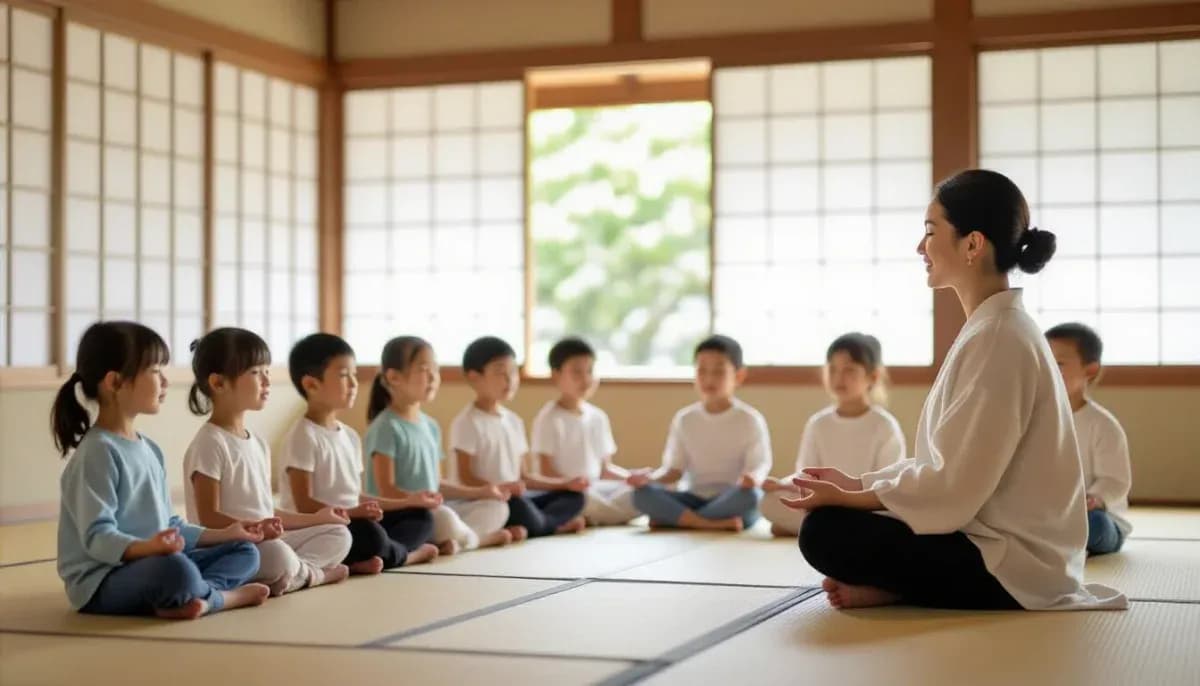
Discover effective mindfulness and relaxation techniques for children in Japan. From breathing exercises to Shinrin-yoku, help your child manage stress and thrive as an expat family.
Mindfulness and Relaxation Techniques for Children in Japan
Raising children in Japan comes with unique pressures — rigorous academic expectations, long school days, competitive club activities, and for expat families, the added layers of cultural adjustment and language barriers. It is no coincidence that Japanese children ranked 37th out of 38 wealthy nations for mental well-being in a UNICEF/OECD report, despite topping the chart for physical health. The gap is striking, and it has prompted parents, educators, and researchers alike to explore practical solutions. Mindfulness and relaxation techniques offer one of the most accessible and evidence-backed paths forward — and they work for children of all backgrounds, including the growing number of foreign families building their lives in Japan.
This guide covers the most effective mindfulness and relaxation practices for children, how they apply in the Japanese context, and how expat parents can weave them into daily family life.
Why Children in Japan Need Mindfulness More Than Ever
Japan's children face mounting stress. In 2024, Japan recorded a heartbreaking record of 529 child and teenage suicides — the highest rate since 2000. Academic pressure, bullying, and family tension are consistently cited as leading causes. According to national surveys, 25.9% of Japanese junior high students show high depressive tendencies, and the lifetime depression prevalence among girls reaches 12%.
For expat children, these pressures are compounded. Adjusting to a new language, navigating an unfamiliar school system, and missing extended family abroad can create anxiety and emotional overload that parents may not always detect early. The good news is that mindfulness — the practice of paying gentle, non-judgmental attention to the present moment — has been scientifically validated as an effective tool for children in Japan specifically.
A peer-reviewed 2022 study published in Frontiers in Psychology tested a school-based Mindfulness and Awareness Program (MAP) with 349 adolescents aged 12–13 across nine Japanese school classes. After just 8 sessions of 20 minutes each, participants showed significant reductions in depression and anxiety as well as stronger emotional regulation — and those gains grew stronger at a follow-up assessment. Female students showed the greatest benefits.
Mindfulness is not a Western import disconnected from Japanese culture. Japan has deep contemplative traditions — Zen meditation, forest bathing (Shinrin-yoku), ceremonial tea, calligraphic tracing — that share the same core: deliberate, present-moment awareness. For children of any background, these practices offer a culturally resonant entry point.
For more on supporting your child's emotional health in Japan, see our guide on Mental Health and Emotional Wellbeing for Foreign Children in Japan.
Breathing Techniques: The Fastest Reset for Any Age
Breathing is the most immediate and portable relaxation tool available. Children as young as three can learn breathing exercises, and the results — slower heart rate, reduced cortisol, activated parasympathetic nervous system — happen within minutes.
Breathing Buddies (Ages 3–7)
Have your child lie on their back and place a small stuffed animal on their belly. Ask them to breathe in through their nose slowly, watching the toy rise, then breathe out through the mouth, watching it fall. The toy makes the breath visible and tactile, turning an abstract concept into a playful game. This technique requires no Japanese language ability and works seamlessly in any home environment.
Bubble Breaths (Ages 3–8)
Using a bubble wand, guide your child to take one slow, deep breath and exhale gently to produce the biggest bubble possible. Blowing too fast pops it — so the exercise naturally trains controlled exhalation. Multi-sensory and immediately rewarding, this technique works outdoors at a Japanese park just as well as indoors.
4-7-8 Breathing (Ages 8 and Up)
Popularized in expat wellness communities in Japan, the 4-7-8 method involves inhaling for 4 seconds, holding for 7, and exhaling for 8. This extended exhale activates the vagus nerve, triggering a calm response that counters the fight-or-flight reaction. It is effective before exams, school presentations, or any high-pressure moment.
Box Breathing (Ages 6 and Up)
Inhale for 4 counts, hold for 4, exhale for 4, hold for 4 — repeat four times. Used by military and athletes to regulate stress, this simple square pattern gives older children a structured, reliable tool they can use independently.
| Technique | Best Age | Setting | Time Required |
|---|---|---|---|
| Breathing Buddies | 3–7 | Home, bedtime | 3–5 minutes |
| Bubble Breaths | 3–8 | Outdoor, playtime | 2–3 minutes |
| 4-7-8 Breathing | 8+ | Before exams, sleep | 2–4 minutes |
| Box Breathing | 6+ | School, any time | 2–5 minutes |
| Progressive Muscle Relaxation | 6+ | Bedtime | 10–15 minutes |
| Guided Visualization | 5+ | Home, quiet time | 5–10 minutes |
| Shinrin-yoku Walk | All ages | Nature | 30–60 minutes |
Body-Based Relaxation: Progressive Muscle Relaxation and Movement
Children carry stress in their bodies before they can name it verbally. Body-based relaxation techniques help them identify and release physical tension systematically.
Progressive Muscle Relaxation (PMR)
Guide your child through tensing and releasing each muscle group, starting from toes and moving upward to the face. "Squeeze your feet like you're picking up marbles... now let go." The contrast between tension and release teaches body awareness and activates the relaxation response. Japan's school counselors increasingly recommend PMR for children experiencing exam-related physical symptoms like stomachaches and headaches.
Yoga for Children
Children's yoga classes are available in major Japanese cities, often offered in English by international community centers or private studios. Many follow playful themes — animal poses, story-based sequences — that make the practice engaging. Home practice using YouTube videos requires no language skill and can be done as a family. Our guide on Toddler Parenting in Japan covers more activity options for younger children.
Taiko Drumming
Japan's traditional Taiko drumming is an unlikely but powerful mindfulness tool. The rhythmic, full-body movement creates what practitioners describe as a "unique meditative state" — requiring focus, breath control, and physical presence that crowds out anxious thoughts. Community Taiko classes exist in many cities and welcome families.
For resources on family activities and enrichment programs available to foreign families, see Living in Nihon.
Visualization and Mindful Imagination
Guided imagery and visualization are especially effective for children, whose imaginations are vivid and readily engaged. These techniques build inner resources children can access independently.
Imaginary Journeys
Lead your child through a peaceful imagined scene using detailed sensory description: "Close your eyes. You're walking along a quiet beach in Japan. Feel the warm sand under your feet. Hear the gentle waves. Smell the salty air. The sky is a perfect blue." Five minutes of guided visualization before sleep measurably reduces pre-bed anxiety in children.
Safe Place Visualization
Ask your child to imagine their perfect safe place — it can be real or entirely invented. Guide them to make it as detailed as possible: the colors, sounds, who might be there. Once established, this mental refuge can be accessed in seconds during stressful moments at school or after a difficult social interaction.
Mindful Storytelling
Read stories together with deliberate pauses. Ask: "How do you think the character feels right now? Where do you feel that in your body?" This builds emotional intelligence and mindfulness simultaneously — and it requires nothing more than books already in your home.
Japanese Cultural Practices: Built-In Mindfulness for Families
Japan's cultural landscape is rich with practices that align naturally with mindfulness principles. Incorporating them gives children a sense of cultural connection alongside stress reduction.
Shinrin-yoku (Forest Bathing)
Coined in Japan in the 1980s, Shinrin-yoku involves walking slowly through a forest or green space without devices, engaging all five senses. Research confirms it reduces cortisol, lowers blood pressure, and improves mood in both adults and children. Japan's extensive national forest system and urban parks make this accessible almost everywhere. Pack a simple picnic, leave the phones behind, and practice silent observation together — what do you see, hear, smell?
Shakyo (Sutra Copying)
Tracing or copying Buddhist characters with a brush or fine pen is one of Japan's oldest meditative practices. Beginners and children can trace over pre-printed characters rather than writing independently. The slow, deliberate movement required is deeply calming — similar in effect to adult coloring books. Many temples offer family Shakyo sessions, and workbooks are available at Japanese bookstores (書道ドリル).
Chado (Tea Ceremony)
Even a simplified version of the tea ceremony — carefully preparing matcha, holding the bowl with two hands, taking deliberate sips — teaches children the mindfulness principle that ordinary actions deserve full attention. Matcha, consumed in traditional amounts, also contains L-theanine, an amino acid that promotes calm alertness.
For more on Japan's wellness traditions and how expats can access them, visit For Work in Japan.
Building a Daily Mindfulness Routine for Your Family
Consistency matters more than duration. Research shows that 5–10 minutes of daily mindfulness practice produces more lasting benefits than occasional longer sessions. The key is choosing practices that fit naturally into existing routines.
Morning anchor: Before school, try one minute of box breathing together. It sets a calm tone and signals to the child that they have tools for whatever the day brings.
After-school decompression: When children return from Japanese school — often exhausted and overstimulated — avoid immediately asking "how was school?" Instead, offer a 10-minute silent rest period with soft music or a brief body scan before conversation.
Bedtime routine: Progressive muscle relaxation or a short guided visualization is highly effective as a sleep transition. Japanese schools are known for demanding homework loads, and a mindfulness buffer between study time and sleep protects sleep quality.
Weekend nature time: Even a 30-minute Shinrin-yoku walk in a local park or forest maintains the practice across the week and gives family members shared mindful experiences to reference.
The Mindfulness in Schools Project (MiSP) Japan has successfully implemented structured mindfulness curricula across 15 Japanese schools, reaching over 334 children with measurable improvements in wellbeing and sleep. If your child's school does not yet offer a program, MiSP's resources at mindfulnessinschools.org provide frameworks you can reference in conversations with teachers or PTAs.
For broader guidance on navigating your child's school experience in Japan, see our Complete Guide to the Japanese Education System.
Mindfulness for Expat Parents: Modeling What You Want to Teach
Children learn emotional regulation primarily by watching their parents. Research consistently shows that a parent's mindfulness practice is one of the strongest predictors of a child's emotional wellbeing — more than any specific technique taught directly to the child.
Expat parents in Japan face specific stressors: absent family support networks, language barriers at school meetings, uncertainty about visa status, and the cognitive load of navigating an entirely foreign administrative system. These stressors are real and cumulative. Establishing your own brief daily practice — even five minutes of breathing before the children wake up — benefits the whole family.
Practical steps:
- Download a mindfulness app with English-language guided meditations (Calm, Headspace, Insight Timer)
- Join expat community groups in Japan that offer meditation or yoga sessions (Tokyo, Osaka, and Kyoto all have active communities)
- Practice alongside your children rather than directing them — shared practice builds connection and normalizes mindfulness as a family value
The Kurashinity guide to mindfulness for busy expats in Japan offers practical frameworks specifically tailored to the expat experience in Japan.
For additional support resources available to foreign families in Japan, see our guide on Healthcare and Medical Care for Children in Japan. You may also want to explore Raising Bilingual Children in Japan for strategies that address the full range of expat parenting challenges.
Frequently Asked Questions
At what age can children start mindfulness? Children as young as two or three can benefit from simple breathing exercises and sensory awareness games. Formal sitting meditation is generally introduced around age six or seven, when sustained attention becomes more developmentally feasible.
Are there English-language mindfulness resources available in Japan? Yes. International community centers in major cities often offer English-language yoga and mindfulness classes for families. Online resources like the MiSP website, Calm, and Headspace are fully accessible from Japan.
How do I explain mindfulness to a young child? Keep it concrete: "Mindfulness means noticing what's happening right now — what you see, hear, and feel in your body — without worrying about what happened before or what might happen next." For very young children, framing it as a "superhero power to stay calm" works well.
Will my child's Japanese school support these practices? Some schools, particularly those with progressive or international orientations, are beginning to incorporate mindfulness. Most have not yet done so formally. However, individual teachers may be receptive if you share research from programs like MiSP Japan. See our guide on Elementary School in Japan for more on communicating with Japanese school staff.
What if my child resists? Never force mindfulness — it defeats the purpose and can create negative associations. Invite, model, and make it playful. Children who see parents practicing are far more likely to join naturally over time. Short, fun activities like Bubble Breaths or a Shinrin-yoku walk require no buy-in and feel like play.
For a deeper look at Japan's youth mental health landscape and the research behind intervention programs, the Humanium report on Japan's youth mental health crisis and the Frontiers in Psychology study on school-based mindfulness in Japan are both worth reading.
Building a mindfulness practice is one of the most lasting gifts you can give your child — portable, free, and effective across a lifetime of challenges. In Japan's high-achieving, high-pressure environment, the ability to pause, breathe, and return to calm is not a luxury. It is a survival skill.

Originally from Vietnam, living in Japan for 16+ years. Graduated from Nagoya University, with 11 years of professional experience at Japanese and international companies. Sharing practical information for foreign parents raising children in Japan.
View Profile →Related Articles
Positive Psychology Approaches for Multicultural Children
Discover evidence-based positive psychology approaches to help multicultural children in Japan thrive — building bicultural identity, resilience, language confidence, and emotional wellbeing.
Read more →
Combating Social Isolation and Loneliness in Expat Kids
Practical guide to helping expat children overcome social isolation and loneliness in Japan. Covers warning signs, strategies, resources, and research-backed advice for foreign families.
Read more →
How Parental Stress Affects Children in Expat Families
Learn how parental stress transmits to children in expat families in Japan, warning signs to watch for, and proven strategies to protect your children's emotional wellbeing.
Read more →
When to Seek Professional Help for Your Child in Japan
A complete guide for foreign parents on warning signs, types of professionals, and how to access mental health, developmental, and behavioral support for your child in Japan.
Read more →
Emotional Support During Major Life Transitions
Navigating major life transitions in Japan as a foreigner? Discover emotional support strategies, English-language mental health resources, crisis lines, and community-building tips to help you and your family thrive through change.
Read more →
School-Related Stress and Coping Strategies for Kids
Practical guide to understanding and managing school-related stress for expat and foreign children in Japan. Learn warning signs, coping strategies, and how parents can help their kids thrive in the Japanese school system.
Read more →