
When to Seek Professional Help for Your Child in Japan

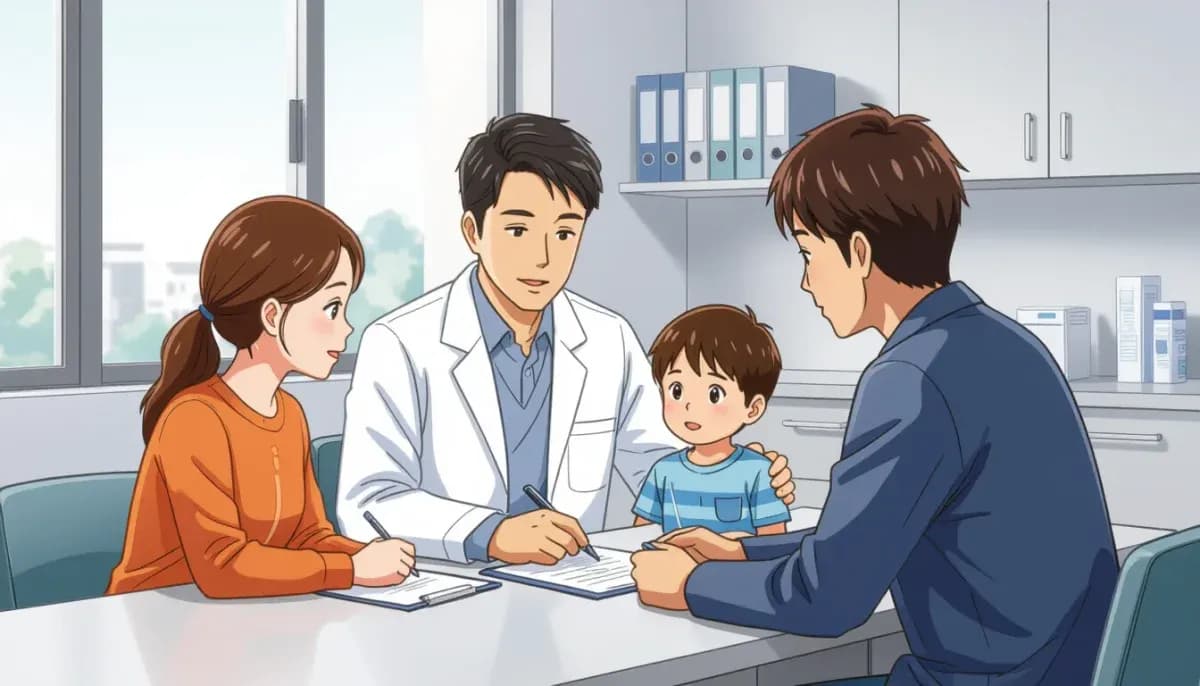
A complete guide for foreign parents on warning signs, types of professionals, and how to access mental health, developmental, and behavioral support for your child in Japan.
When to Seek Professional Help for Your Child in Japan
As a foreign parent raising children in Japan, knowing when your child needs professional support — and how to access it — can feel overwhelming. Japan's healthcare and mental health systems have unique strengths and significant challenges, especially for families navigating cultural and language barriers. This guide walks you through the warning signs to watch for, the types of professionals available, and how to access help as a foreigner.
Understanding Japan's Child Mental Health Landscape
Japan presents a troubling paradox when it comes to child wellbeing: the country ranks 1st globally for child physical health, yet came 37th out of 38 developed nations for child mental well-being in a UNICEF report. Only 62% of Japanese children rated life satisfaction at 6 out of 10 or higher, compared to 90% in the Netherlands.
The scale of the challenge is significant:
- In FY2021, 240,000 elementary and junior high students did not attend school due to school refusal (不登校)
- A record 529 child and teenage suicides were recorded in the most recently tracked year
- Approximately 188,000 bullying incidents are reported annually in Japanese schools
- Japan has only 289 certified child psychiatrists for a population of 120+ million people
For foreign children, these challenges are compounded by language barriers, cultural adjustment, and the difficulty of finding English-speaking specialists. Understanding when and how to seek professional help is one of the most important things you can do as an expat parent.
For more on general health and medical access, see our guide to Healthcare and Medical Care for Children in Japan.
Warning Signs: When Your Child May Need Professional Help
Knowing the warning signs is the first step. While every child goes through difficult phases, certain patterns signal the need for professional evaluation.
Emotional and Behavioral Warning Signs
Mild warning signs (monitor closely and consider consulting a pediatrician):
- Persistent low mood or sadness lasting more than 2 weeks
- Increased irritability, mood swings, or emotional outbursts
- Reduced speech, withdrawal from family conversations
- Loss of interest in activities previously enjoyed
- Difficulty concentrating at school or at home
Moderate warning signs (consult a professional soon):
- Frequent unexplained physical complaints (headaches, stomachaches) with no medical cause
- Sleep disturbances — difficulty falling asleep, nightmares, or sleeping too much
- Significant appetite changes — eating much more or much less than usual
- Expressed reluctance or refusal to attend school
- Problems with friendships, increased isolation, or bullying involvement
Severe warning signs (seek help immediately):
- Any mention of self-harm, thoughts of death, or suicidal ideation
- Extended school absence (30+ consecutive days — the clinical threshold for school refusal)
- Extreme apathy, inability to function in daily life
- Symptoms of dissociation (feeling unreal, disconnected from surroundings)
- Aggressive behavior toward self or others
For children dealing with cultural identity and emotional challenges specific to mixed or foreign backgrounds, see our article on Mental Health and Emotional Wellbeing for Foreign Children in Japan.
Developmental and Academic Warning Signs
Foreign children face unique academic pressures, especially in Japanese schools. Seek an evaluation if your child:
- Shows significant developmental delays compared to peers
- Has persistent difficulty with reading, writing, or math beyond what's typical for language adjustment
- Displays behaviors consistent with ADHD (attention difficulties, hyperactivity, impulsivity) affecting multiple areas of life
- Shows possible signs of autism spectrum disorder (ASD): difficulties with social communication, rigid routines, sensory sensitivities
- Experiences a sudden, unexplained drop in academic performance
Important note on ASD and ADHD in Japan: Diagnosis rates have increased significantly in recent years, but specialist shortages mean rural families can face waiting times of over 10 months for initial evaluation. If you have concerns, start the process early.
Types of Professionals Available in Japan
Understanding Japan's professional landscape will help you navigate toward the right type of support.
| Professional Type | Japanese Term | Role | Insurance Coverage |
|---|---|---|---|
| Psychiatrist | 精神科医 / 児童精神科医 | Medical doctor, diagnoses conditions, prescribes medication | Yes (national health insurance) |
| Pediatrician | 小児科医 | First contact for behavioral/developmental concerns | Yes |
| Clinical Psychologist | 臨床心理士 | Therapy and assessment (private certification since 1988) | No (private pay) |
| Public Psychologist | 公認心理師 | National certification since 2018, therapy and assessment | Partial in some settings |
| School Counselor | スクールカウンセラー | School-based support, bridge to other services | Free (school-based) |
| Child Guidance Center | 児童相談所 | Welfare and safety assessments, crisis intervention | Free (government service) |
Key distinction: In Japan, psychotherapy is generally not covered by national health insurance. Patients often see psychiatrists for medication management and seek private psychologists for talk therapy, paying out-of-pocket at approximately 5,000–15,000 yen per session.
For families covered by Japan's national health insurance, psychiatric outpatient care requires a 30% patient co-pay. If your child needs ongoing psychiatric care, the Self-Support Medical Care system (自立支援医療) can reduce your co-payment to just 10% — ask your psychiatrist about applying.
For comprehensive guidance on navigating the healthcare system, the Living in Nihon mental health guide provides detailed information for foreigners in Japan.
How to Access Help: A Step-by-Step Guide for Foreign Families
Step 1: Start with Your Pediatrician or School
For most concerns, your child's pediatrician (小児科) is the right first point of contact. They can:
- Rule out physical causes for behavioral symptoms
- Provide referrals to child psychiatrists and developmental specialists
- Write introductory letters (紹介状) that speed up specialist access
Your child's school counselor (スクールカウンセラー), if available, can also be a valuable first contact — especially for school refusal, bullying, or academic difficulties. School counselors are deployed in over 75% of Japanese junior high schools and can connect your family with local resources.
If your child attends an international school, the school's guidance counselor or student support team may already have English-language referral networks.
Step 2: Contact Multilingual Support Services
For foreign families, accessing English-language services is a priority. These resources can help:
- FRESC (Foreign Resident Support Center): Free advice in 18 languages, including referrals to specialized facilities. Available in-person, by phone, and online.
- IMHPJ (International Mental Health Professionals Japan): A network of English-speaking therapists across Tokyo, Osaka, and Nagoya.
- Multicultural Psychiatry Association (多文化間精神医学会): Resources for multicultural families navigating psychiatric care.
- Municipal multilingual consultation windows (自治体の多言語相談窓口): Local government offices often have multilingual staff who can guide you to appropriate services.
For practical guidance on family life and support services available to foreigners, see the For Work in Japan family guide.
Step 3: Know Your Emergency Resources
In a crisis situation, do not hesitate to use these emergency contacts:
- TELL Lifeline: 03-5774-0992 — 24-hour English-language crisis support
- Yorisoi Hotline: 0120-279-338 — Multilingual support including dedicated foreign language lines
- Child Guidance Center emergency line: 189 — For immediate child welfare concerns
- Emergency services: 119 (ambulance) or 110 (police) for immediate safety threats
School Refusal (不登校): A Specific Crisis for Foreign Families
School refusal is one of the most common and serious issues affecting children in Japan — and foreign children are at heightened risk due to language barriers, bullying related to their foreign background, and difficulty adapting to Japan's rigid school culture.
The clinical threshold is 30 or more consecutive days of school absence. In FY2021, 240,000 students met this threshold. Among untreated cases, studies found that 68.4% remained absent for over one year.
Warning signs specific to school refusal include:
- Complaining of stomachaches or headaches on school mornings that disappear on weekends
- Expressed fear or anxiety about specific social situations at school
- Crying, panic attacks, or extreme resistance when it's time to leave for school
- Sudden drop in grades without explanation
If school refusal develops, contact your child's school immediately and request involvement of the school counselor. A referral to a child guidance center (児童相談所) or child psychiatrist is often necessary for extended cases.
See our guides on Elementary School in Japan and Junior High School in Japan for more on supporting your child through the Japanese school system.
Regional Disparities: The Rural vs. Urban Challenge
One critical factor for foreign families is where you live in Japan. Access to child psychiatric and developmental services varies dramatically:
- Tokyo: Approximately 10 specialists per 100,000 children; multiple English-speaking options
- Other major cities (Osaka, Nagoya, Fukuoka): Moderate access, some English-speaking options
- Rural areas: As few as 2.11 specialists per 100,000 children; waiting times exceeding 10 months; minimal English services
17 of Japan's 47 prefectures have zero specialized psychiatric wards for children. If you live in a rural area, telehealth options and support from organizations like TELL or FRESC become especially important.
Research from the PMC journal on regional disparities in Japanese children's mental health profession shortage areas confirms these significant gaps between urban and rural access.
For foreign families navigating exam preparation stress specifically, the Chuukou Benkyou mental care guide provides useful insights into warning signs during academically stressful periods.
Overcoming Stigma: Cultural Barriers to Seeking Help
One of the greatest obstacles for families in Japan — both Japanese and foreign — is cultural stigma around mental health. In Japan, mental illness has historically been viewed as personal weakness, and many families avoid seeking help out of shame or fear of judgment.
As a foreign parent, you have some advantages: you may be less bound by local cultural norms, and your baseline expectation of mental health care access may help you advocate more effectively for your child.
Practical steps to overcome barriers:
- Start with physical symptoms — Japanese healthcare accepts somatic complaints (headaches, stomachaches) more readily; a pediatrician is a less stigmatized entry point
- Use school channels — School counselors are destigmatized and accessible; they can make referrals without parents having to initiate contact directly with psychiatric services
- Seek foreign-friendly resources first — Organizations like IMHPJ and FRESC work specifically with international families and understand the cultural dynamics
- Normalize help-seeking at home — Talk openly with your child about therapy and professional support as a healthy, normal option
Summary: Key Contacts and Resources
| Resource | Contact | Language | Notes |
|---|---|---|---|
| TELL Lifeline | 03-5774-0992 | English | 24-hour crisis line |
| Yorisoi Hotline | 0120-279-338 | Multiple | Foreign language lines available |
| Child Guidance Center | 189 | Japanese | Child welfare emergencies |
| FRESC | Online/phone | 18 languages | Free referral service |
| IMHPJ | imhpj.org | English | Find English therapists in Japan |
Seeking professional help for your child is never a sign of failure — it is one of the most important investments you can make in their future. Japan's system has real gaps, but with the right knowledge and contacts, foreign families can navigate toward the support their children need.
For more on raising children in Japan, explore our related guides: Raising Bilingual Children in Japan, Cultural Identity for Hafu Children in Japan, and Financial Planning for Expat Families.
Additional research and statistics from Humanium's report on Japan's youth mental health crisis and The Japan Times commentary on children's mental health.

Originally from Vietnam, living in Japan for 16+ years. Graduated from Nagoya University, with 11 years of professional experience at Japanese and international companies. Sharing practical information for foreign parents raising children in Japan.
View Profile →Related Articles
Positive Psychology Approaches for Multicultural Children
Discover evidence-based positive psychology approaches to help multicultural children in Japan thrive — building bicultural identity, resilience, language confidence, and emotional wellbeing.
Read more →
Combating Social Isolation and Loneliness in Expat Kids
Practical guide to helping expat children overcome social isolation and loneliness in Japan. Covers warning signs, strategies, resources, and research-backed advice for foreign families.
Read more →
How Parental Stress Affects Children in Expat Families
Learn how parental stress transmits to children in expat families in Japan, warning signs to watch for, and proven strategies to protect your children's emotional wellbeing.
Read more →
Mindfulness and Relaxation Techniques for Children
Discover effective mindfulness and relaxation techniques for children in Japan. From breathing exercises to Shinrin-yoku, help your child manage stress and thrive as an expat family.
Read more →
Emotional Support During Major Life Transitions
Navigating major life transitions in Japan as a foreigner? Discover emotional support strategies, English-language mental health resources, crisis lines, and community-building tips to help you and your family thrive through change.
Read more →
School-Related Stress and Coping Strategies for Kids
Practical guide to understanding and managing school-related stress for expat and foreign children in Japan. Learn warning signs, coping strategies, and how parents can help their kids thrive in the Japanese school system.
Read more →