
School-Related Stress and Coping Strategies for Kids

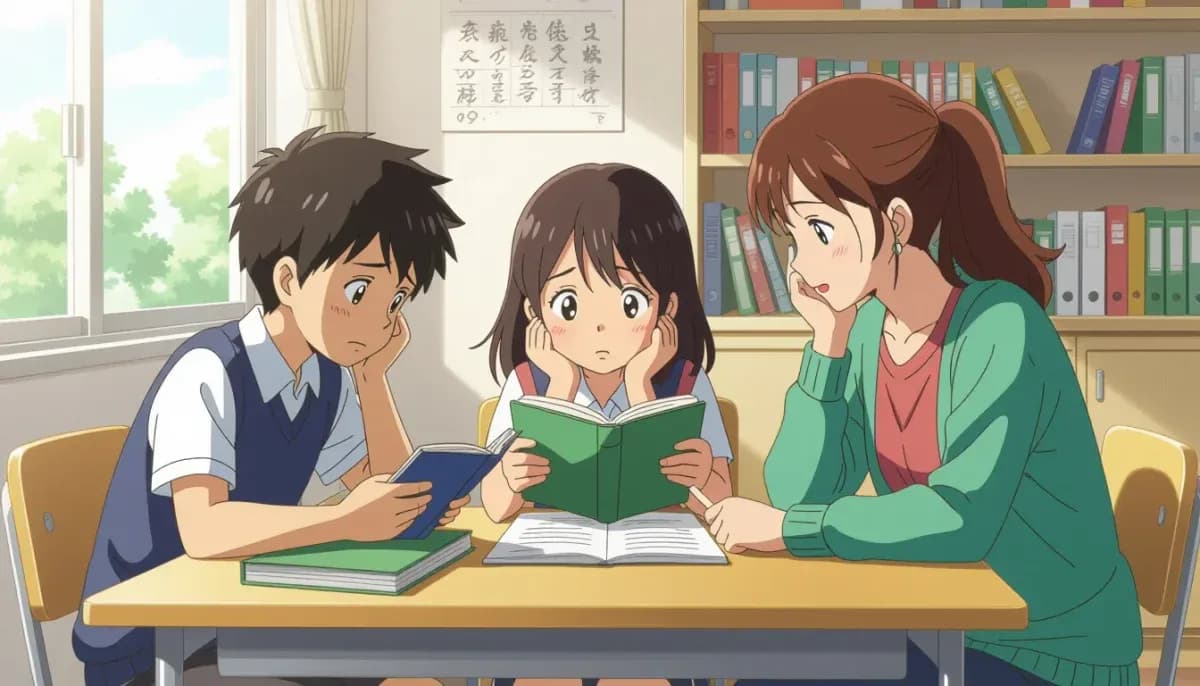
Practical guide to understanding and managing school-related stress for expat and foreign children in Japan. Learn warning signs, coping strategies, and how parents can help their kids thrive in the Japanese school system.
School-Related Stress and Coping Strategies for Kids in Japan
Adjusting to school in Japan is a significant challenge for any child, but for expat and foreign children, the pressures can feel overwhelming. Between language barriers, unfamiliar social rules, intense academic expectations, and the desire to fit in, school-related stress is one of the most common issues foreign families face in Japan. The good news is that with the right strategies and support, children can not only manage this stress but build resilience that will serve them for life.
This guide covers the causes of school-related stress for kids in Japan, how to recognize warning signs, and practical coping strategies for both children and parents. Whether your child is in elementary, junior high, or high school, these insights will help your family navigate one of the most challenging aspects of expat life in Japan.
Why School in Japan Can Be So Stressful
Japan has one of the most demanding educational systems in the world. The academic pressure begins early and intensifies with each grade level. For Japanese children, this pressure is a cultural norm — but for foreign children arriving from different educational backgrounds, the shock can be profound.
A UNICEF/OECD report found that Japanese children ranked 1st in physical health but 37th out of 38 wealthy nations in mental well-being. Only 62% of Japanese 15-year-olds rated their life satisfaction at 6/10 or higher, compared to 90% in the Netherlands. This data reveals a systemic issue with student wellbeing in Japan — one that expat families need to understand from day one.
For foreign children specifically, the stressors compound quickly:
- Language barriers: Even with Japanese language support at school, children face daily exhaustion from processing information in a second language
- Academic pressure: Japan's 6-3-3 school system (6 years elementary, 3 middle, 3 high school) becomes increasingly exam-focused from middle school onward
- Social conformity: Japanese school culture emphasizes group harmony (集団行動), which can feel restrictive to children accustomed to more individualistic environments
- Bullying (いじめ): Research shows 35% of children fear harassment or bullying at school, and foreign children are sometimes targeted for being visibly different
- Parental expectations: Many expat families maintain high academic standards from their home countries on top of Japanese school requirements
For a deeper look at the Japanese education system and what your child is navigating, see our guide: The Complete Guide to the Japanese Education System for Foreign Families.
Recognizing the Warning Signs of School Stress
One of the most important skills a parent can develop is recognizing when school stress has crossed from manageable to harmful. Children often cannot or will not articulate what they are experiencing, so behavioral and physical signals become the primary communication.
Research on Japanese children's stress patterns identifies a clear spectrum of warning signs:
| Stress Level | Warning Signs | Recommended Action |
|---|---|---|
| Mild | Reduced conversation at home, appetite changes, sleep difficulties, increased irritability | Monitor closely, increase one-on-one time |
| Moderate | Frequent headaches or stomachaches, crying more often, morning lethargy, friend conflicts | Talk with teacher, consider counseling assessment |
| Severe | Extended school absence, dramatic weight changes, extreme withdrawal, self-harm indicators | Seek professional help immediately |
Physical complaints — particularly stomachaches and headaches before school — are extremely common in stressed Japanese children and are often the first signal parents notice. A study of Japanese children's stress levels found that 53% experienced moderate stress and 36% reported high stress levels, with school-related concerns (endless schoolwork, entrance exams, academic pressure) being the most cited stressors.
If you notice your child showing these signs, our article on Signs of Stress and Anxiety in Expat Children provides a detailed breakdown of what to watch for and how to respond.
Practical Coping Strategies for Children
Equipping children with concrete coping tools is more effective than simply telling them to "try harder" or "don't worry." Research shows that children who have practiced coping strategies before stress peaks are significantly more resilient when difficult moments arrive.
Breathing and Mindfulness Techniques
Deep breathing exercises are one of the most effective immediate stress relievers for children of any age. Teaching a child the "4-7-8" technique (inhale 4 counts, hold 7, exhale 8) gives them a portable tool they can use anywhere — before a test, during a difficult class, or on the school bus.
Body scan relaxation, where children mentally check in with each part of their body and consciously release tension, works particularly well for older children (ages 10+). Even 5 minutes before bed can improve sleep quality significantly.
Movement and Physical Activity
Physical movement is a natural stress regulator. In Japan, most schools have some form of physical education and club activities (部活動, bukatsu), which can be wonderful outlets — but they can also add to pressure if participation is mandatory and demanding.
Encourage your child to:
- Take 5-minute brain breaks during homework (jumping jacks, stretching, a short walk)
- Choose a sport or physical activity they genuinely enjoy, separate from school requirements
- Spend time in nature when possible; Japan's parks and green spaces are ideal for this
Journaling and Creative Expression
A personal journal gives children a private space to process thoughts and emotions without judgment. For multilingual children, they can write in any language they feel most comfortable with — often their native language provides the most emotional release.
Art, music, and creative activities serve the same function. Many Japanese schools offer art and music classes; encouraging your child to pursue these as enjoyment rather than performance helps reframe creativity as a coping tool rather than another graded activity.
Building Social Connections
Isolation amplifies stress. The study on Japanese children's coping mechanisms found that gaming and outdoor play with friends were the most frequently cited happiness-inducing activities. For expat children who may struggle to make Japanese friends initially, international communities, language exchange groups, and after-school clubs can provide critical social outlets.
Encourage your child to:
- Join one club or activity they are interested in (not just academically beneficial ones)
- Maintain friendships from your home country through video calls
- Connect with other international children at school or through expat community events
How Parents Can Support Their Child
Parental response to a child's stress is often the most powerful factor in how that child copes. Research consistently shows that maternal support is the primary comfort source for stressed Japanese children — meaning what parents say and do matters enormously.
Create a "Decompression Zone" at Home
After school, many Japanese children need time to unwind before homework begins. Avoid immediately asking about grades, tests, or social problems the moment they walk through the door. Instead, offer a snack, some quiet time, or light conversation on neutral topics.
This "decompression period" — even just 20-30 minutes — significantly reduces homework-related conflict and gives children space to process their school day.
Maintain Open Communication Without Pressure
The goal is for your child to feel they can come to you with school problems without fear of disappointment or overreaction. Some practical approaches:
- Ask open-ended questions: "What was the best part of today? The hardest?" instead of "How was school?"
- Share your own manageable challenges from the day; normalize that difficulty is part of life
- Celebrate effort and growth, not just results
- If your child shares a problem, listen fully before problem-solving
Monitor Homework Load
Japan's academic expectations, combined with the added burden of learning in Japanese, can result in unreasonable homework loads for expat children. Work with your child's teacher to understand what is expected and whether accommodations are available.
For younger children, sitting nearby during homework (without taking over) provides reassurance. For older children, help them create a homework schedule that includes breaks — ideally no more than 2-hour continuous study sessions without a 15-minute rest.
For comprehensive guidance on navigating Japanese schools as a foreign family, the Children's Education Guide at Living in Nihon provides excellent country-specific context.
The Five Pillars of Academic Stress Management
Drawing from research on Japanese children's wellbeing, including insights from Chuukou Benkyou's guide to mental care during exam periods, five core pillars emerge as the foundation of sustainable stress management for school-age children:
1. Goal Visualization Help children set achievable weekly goals with a simple tracking system. Seeing progress — even small wins — builds intrinsic motivation and reduces the feeling of being overwhelmed. Modest reward systems (a family movie night, a special dessert) tied to effort rather than outcomes work well.
2. Intrinsic Motivation Children who are motivated by genuine curiosity rather than fear of failure are more resilient. Foster this by finding aspects of their school subjects that connect to their interests. A child who loves building things can be shown how math applies to engineering; a child who loves stories can find history fascinating.
3. Adequate Rest Research recommends 8-9 hours of sleep for school-age children and a guaranteed half-day break per week from studying. Sleep deprivation dramatically worsens stress responses and cognitive function. In Japan's intense academic culture, protecting rest time is an act of advocacy for your child.
4. Support Networks No child should manage school stress alone. Build a network that includes: you as parent, trusted teachers, school counselors, and where possible, peers who understand the experience. Japan's government has been expanding school counselor positions, and as of 2025, has established 21 public and 14 private Diversified Learning Schools specifically for students struggling with traditional schooling environments.
5. Long-Term Perspective Regularly remind your child — and yourself — that exams, difficult semesters, and challenging years are chapters in a much longer story. A poor grade or a hard school year does not define a child's future. This perspective, consistently reinforced, reduces catastrophizing and helps children bounce back faster from setbacks.
Grade-Specific Approaches
Different ages require different strategies. What works for an 8-year-old will not work for a 14-year-old navigating entrance exam pressure.
| Grade Level | Primary Stressors | Best Strategies |
|---|---|---|
| Elementary (小学校) | Social adjustment, basic academic expectations | Play-based learning, praise effort, maintain routine |
| Middle School (中学校) | Entrance exam pressure begins, puberty, social hierarchies | Goal setting, peer support, open communication |
| High School (高校) | University entrance exams, future uncertainty, club/study balance | Time management skills, professional counseling access, perspective-building |
For children in middle school facing entrance exam pressure specifically, our article on Junior High School in Japan covers the academic landscape in detail.
When Home Strategies Are Not Enough
If your child's stress symptoms persist despite consistent parental support and coping strategy implementation, professional help is the right next step — not a sign of failure. Japan has a cultural tendency to view mental health struggles as weakness, but this stigma should not prevent your child from accessing support.
Signs that professional counseling is warranted:
- Symptoms have persisted more than 2-3 weeks without improvement
- Your child is refusing to attend school (登校拒否, toko kyohi)
- There are any signs of self-harm or statements about not wanting to be here
- The child appears severely depressed, anxious, or disconnected from daily life
Japan's school system does provide school counselors (スクールカウンセラー) at most junior high and high schools, and increasingly at elementary schools. These professionals are trained to support students and are a good first point of contact. For more specialized support, particularly for expat children who need services in English, see our dedicated guide: Counseling Services for Foreign Children in Japan.
The For Work in Japan Family Life Guide also highlights the importance of foreign family community networks, which can be a lifeline when navigating these challenges.
Building Long-Term Resilience
Managing school stress is not just about surviving difficult moments — it's about building the resilience that allows children to thrive through ongoing challenges. Resilient children are not those who never experience stress; they are those who have learned how to recover from it.
Key resilience-building practices include:
- Celebrating recovery as much as success ("You had a hard week and you got through it")
- Teaching children to identify their own coping strengths ("What helped you last time?")
- Maintaining cultural connection to your home country to give children a sense of identity beyond their Japanese school experience
- Building self-efficacy through non-academic achievements — sports, arts, cooking, music
For a comprehensive approach to raising resilient expat children, our article on Building Resilience in Internationally Raised Children offers evidence-based strategies tailored to the expat experience.
Conclusion
School-related stress is real, common, and manageable. Japanese schools present genuine challenges — intense academic demands, social conformity expectations, language barriers for foreign children, and a cultural context where asking for help can feel difficult. But armed with the right knowledge and strategies, parents can make an enormous difference in how their children experience and recover from these pressures.
The most important things you can do are to stay connected with your child, normalize the difficulty of what they are navigating, and respond to warning signs early rather than waiting for a crisis. With consistent support, most children not only manage school stress in Japan — they emerge from the experience with extraordinary adaptability, empathy, and cross-cultural skills that will serve them for life.
For deeper support with your child's emotional wellbeing as an expat family in Japan, explore our guide to Mental Health and Emotional Wellbeing for Foreign Children in Japan.

Originally from Vietnam, living in Japan for 16+ years. Graduated from Nagoya University, with 11 years of professional experience at Japanese and international companies. Sharing practical information for foreign parents raising children in Japan.
View Profile →Related Articles
Positive Psychology Approaches for Multicultural Children
Discover evidence-based positive psychology approaches to help multicultural children in Japan thrive — building bicultural identity, resilience, language confidence, and emotional wellbeing.
Read more →
Combating Social Isolation and Loneliness in Expat Kids
Practical guide to helping expat children overcome social isolation and loneliness in Japan. Covers warning signs, strategies, resources, and research-backed advice for foreign families.
Read more →
How Parental Stress Affects Children in Expat Families
Learn how parental stress transmits to children in expat families in Japan, warning signs to watch for, and proven strategies to protect your children's emotional wellbeing.
Read more →
When to Seek Professional Help for Your Child in Japan
A complete guide for foreign parents on warning signs, types of professionals, and how to access mental health, developmental, and behavioral support for your child in Japan.
Read more →
Mindfulness and Relaxation Techniques for Children
Discover effective mindfulness and relaxation techniques for children in Japan. From breathing exercises to Shinrin-yoku, help your child manage stress and thrive as an expat family.
Read more →
Emotional Support During Major Life Transitions
Navigating major life transitions in Japan as a foreigner? Discover emotional support strategies, English-language mental health resources, crisis lines, and community-building tips to help you and your family thrive through change.
Read more →