
Building Resilience in Internationally Raised Children

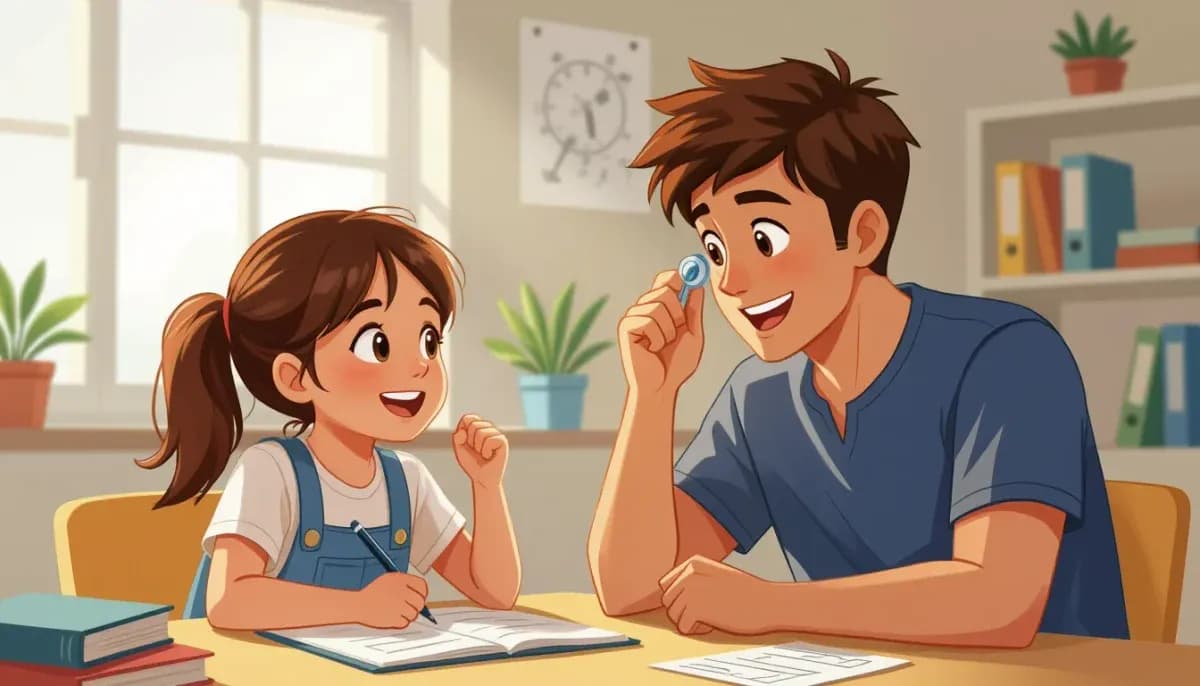
Practical strategies for raising resilient Third Culture Kids in Japan. Learn how Japanese cultural wisdom and research-based techniques help expat children thrive across cultures.
Building Resilience in Internationally Raised Children: A Guide for Expat Families in Japan
Raising children in Japan as a foreign family is an extraordinary adventure — one filled with cultural discoveries, language challenges, and the unique experience of growing up between worlds. Children raised internationally, often called Third Culture Kids (TCKs), develop remarkable qualities through their cross-cultural upbringing. Yet they also face distinctive pressures: frequent transitions, identity questions, and the challenge of belonging to multiple cultures at once.
Building resilience is one of the most valuable gifts you can give your internationally raised child. Resilience — the ability to adapt, recover from adversity, and grow through challenges — is not just a personality trait but a skill that can be nurtured. This guide explores evidence-based strategies for building resilience in children growing up in Japan, drawing on both Japanese cultural wisdom and international research on TCK development.
What Is Resilience and Why Does It Matter for TCKs?
Resilience is the capacity to bounce back from difficulties, adapt to change, and keep moving forward despite setbacks. For internationally raised children, this quality is especially vital because their lives involve more transitions and adjustments than most.
Research consistently shows that children raised across cultures develop greater resilience than their monoculturally raised peers. A quantitative study of 489 participants comparing Third Culture Kids with non-TCK adults found that TCK adults demonstrated significantly higher resilience scores. However, this resilience doesn't come automatically — it develops through intentional parenting, supportive environments, and the child's own growing capacity to process cross-cultural experiences.
A 2023 study published in Frontiers in Psychology, examining 143 internationally mobile children aged 7 to 17, found that resilience acts as a critical mediator between stress and mental health outcomes. In other words, children with stronger resilience showed fewer mental health difficulties when facing the stresses of international mobility — including relocation, culture shock, and social adjustment.
The good news: resilience can be built. And Japan, with its deep cultural traditions around perseverance and effort, offers a uniquely supportive environment in which to do it.
Japanese Cultural Wisdom on Resilience
Japan has long embraced a cultural philosophy of resilience that permeates daily life, education, and child-rearing. As an expat parent, understanding and incorporating these Japanese perspectives can powerfully support your child's development.
"Ganbatte" — The Power of Effort
The Japanese phrase ganbatte (がんばって) — meaning "do your best" or "hang in there" — is a cornerstone of Japanese child-rearing culture. Unlike the English "good luck," which implies outcomes are partially out of one's control, ganbatte places power firmly in the child's own hands. Effort, not luck, determines success.
Research from the University of Chicago and Stanford supports this approach. Studies show that praising effort rather than innate ability encourages children to persevere when things get hard. A child told "You worked so hard!" is more likely to keep trying after failure than a child told "You're so smart" — because the latter faces existential threat when they inevitably struggle.
"Nana Korobi Ya Oki" — Fall Down Seven Times, Get Up Eight
This famous Japanese proverb captures the resilience philosophy beautifully: nana korobi ya oki (七転び八起き) — fall down seven times, get up eight. It normalizes failure as part of growth and frames persistence as the ultimate measure of character.
Incorporate this mindset into your family culture. When your child stumbles — academically, socially, linguistically — remind them that falling is part of learning. The goal is not to avoid falling but to always get back up.
Hansei — Structured Self-Reflection
Japanese schools practice hansei (反省), a form of structured self-reflection in which students examine what went wrong, why, and what they will do differently. Rather than assigning blame, hansei builds self-awareness and a growth mindset — the belief that abilities can be developed through dedication.
You can practice a family version of hansei regularly. After a difficult week, sit together and discuss: What was challenging? What did we learn? What will we try differently? This transforms struggles into lessons and builds the metacognitive skills that underpin resilience.
| Japanese Concept | Meaning | Resilience Benefit |
|---|---|---|
| Ganbatte | Do your best / Hang in there | Emphasizes effort over outcome |
| Nana korobi ya oki | Fall seven times, get up eight | Normalizes failure as part of growth |
| Hansei | Structured self-reflection | Builds growth mindset and self-awareness |
| Ikiru-Chikara | Competencies for living | Holistic capability development |
| Kodawari | Dedication and persistence | Teaches deep commitment to goals |
Building a Resilience-Supportive Home Environment
Research on TCK adjustment identifies several key factors that influence how well internationally raised children adapt. Family environment is one of the most significant. Here's how to create a home that actively builds resilience.
Maintain Consistent Family Rituals
When everything outside the home feels unfamiliar — a new language, new school, new friends — the home should be a reliable anchor. Consistent family rituals provide this stability. These might be weekly family dinners with favorite foods from your home culture, bedtime reading in your heritage language, or Saturday morning cooking sessions together.
These rituals aren't just comforting — they signal to your child that your family's identity is stable even when the world around them shifts. This security is a foundation for resilience.
Create a "Third Culture" Family Identity
The concept of the "third culture" comes from sociologist John Useem's observation that children raised in cultures different from their parents' develop their own hybrid culture — neither their parents' home culture nor the host culture, but something uniquely their own. Embrace this rather than fighting it.
Celebrate your family's multicultural identity explicitly. Display maps showing where your family has lived. Cook meals from different cultures. Learn phrases in each other's languages. When children see their cross-cultural identity as an asset rather than an obstacle, they're more likely to approach new challenges with confidence.
For more on supporting your child's cultural identity development, see our guide on Cultural Identity for Hafu and Mixed-Race Children in Japan.
Support Their Japanese Language Journey
Language is one of the biggest resilience challenges for foreign children in Japan. The inability to communicate freely in the school environment can be isolating and stressful. Prioritizing Japanese language acquisition — through lessons, Japanese playmates, and daily exposure — directly reduces one of the most significant stressors your child faces.
At the same time, maintain your heritage language actively. Research shows that bilingual children develop stronger cognitive flexibility, better perspective-taking skills, and greater adaptability — all components of resilience. See our comprehensive guide on Raising Bilingual Children in Japan for detailed strategies.
School-Based Resilience: Navigating the Japanese Education System
School is where internationally raised children spend most of their waking hours — and where many resilience challenges and opportunities emerge. Understanding Japan's educational approach helps you support your child's school experience effectively.
Understanding Japanese Schools' Approach to Perseverance
Japanese schools embed resilience-building into everyday school life in ways that may surprise Western parents. Students clean their own classrooms, serve lunch to each other, and participate in long-distance running events (marason) regardless of ability. These practices build community, accountability, and the understanding that effort and endurance are valued over comfort.
If your child attends a Japanese public or private school, help them understand the why behind practices that may seem unusual. A child who understands that cleaning the classroom together builds community spirit is more likely to embrace it than one who simply feels inconvenienced.
Working With the School on Transitions
Japanese schools are increasingly experienced with foreign students, though practices vary widely. Proactively communicating with teachers about your child's background and needs — especially after moves or transitions — helps teachers provide appropriate support.
For families navigating the Japanese school system, resources like Living in Nihon's guide to raising children and education in Japan offer practical insights into how the system works and how to advocate effectively for your child.
Our guides to Elementary School in Japan for Foreign Parents and Junior High School in Japan provide detailed navigation support at each level.
International School vs. Japanese School: Resilience Considerations
For many expat families, the choice between international and Japanese schools involves weighing multiple factors. From a resilience perspective:
- Japanese schools immerse children in the local culture and language, which builds adaptability but can initially be isolating for non-Japanese speakers.
- International schools offer peer communities of fellow TCKs and may feel more immediately comfortable, but limit Japanese language acquisition and integration.
Neither is universally "better" for resilience — the right choice depends on your child's personality, your family's situation, and your long-term plans. Our comprehensive International Schools in Japan Guide can help you evaluate options.
For families considering work in Japan and how it affects family dynamics, For Work in Japan's family life guide offers practical employer and family-oriented perspectives.
Social Resilience: Helping Your Child Build Connections
Social connection is one of the most powerful resilience factors for children. Internationally raised children often face the challenge of building friendships repeatedly as they move, and of navigating social norms in a new cultural context.
The Challenge of Friendship in Japan
Japanese social culture has its own rhythms. Children often form tight friend groups (nakayoshi) within their class that can be difficult to break into, especially for newcomers. Language barriers compound the challenge for foreign children.
Strategies that help:
- Arrange structured activities — sports teams, music lessons, and club activities (bukatsu) provide natural opportunities for friendship in a goal-directed context that reduces the awkwardness of unstructured socializing.
- Invite classmates home — hosting a classmate for a play date or after-school snack builds individual connections outside the complex classroom social dynamics.
- Find bilingual or international community groups — organizations like international PTAs, foreign residents' associations, and international community centers offer peer groups with shared experience.
Processing Loss and Goodbye
Perhaps the most challenging aspect of an internationally mobile life is the repeated experience of goodbye — to friends, schools, homes, and communities. Children who aren't supported through these losses can develop what some TCK researchers call "unresolved grief" — carrying the weight of losses that were never fully processed.
Help your child grieve consciously. Acknowledge the pain of leaving. Create rituals around goodbyes — farewell parties, memory books, care packages for friends left behind. Maintain long-distance friendships actively through video calls and messages.
At the same time, help your child develop what researchers call a "portable identity" — a sense of self that doesn't depend on any particular place or community. Their identity is carried within them, not left behind with each move.
The mental health support available through Japan's counseling services can be invaluable during particularly difficult transitions. Our guide to Mental Health and Emotional Wellbeing for Foreign Children in Japan covers the resources available.
Supporting Children Returning to Japan or Their Home Country
Children who have lived internationally and then "return" to either Japan or their parents' home country often face unexpected resilience challenges. The assumption that going "home" will be easy can leave children unprepared for reverse culture shock.
Returnee children (kikokushijo in Japanese, 帰国子女) in Japan have dedicated support programs and special entrance exam tracks that recognize their unique educational backgrounds. Understanding these systems is important for families with children who have studied abroad. Chuukou Benkyou's guide on returnee student exam systems provides detailed information on how internationally raised children can navigate Japan's university entrance system.
Similarly, children returning to their parents' home country after growing up in Japan may struggle with what feels like a foreign "home." Prepare them for this experience by discussing it openly before the move, connecting with returnee communities, and validating the complexity of their feelings.
When to Seek Professional Support
While resilience can be built, internationally raised children sometimes need professional support. Watch for signs that your child is struggling beyond normal adjustment difficulties:
- Persistent withdrawal from social activities they previously enjoyed
- Ongoing academic difficulties that don't improve with support
- Significant changes in mood, sleep, or appetite lasting more than a few weeks
- Expressions of hopelessness or extreme difficulty managing emotions
- Physical complaints (headaches, stomachaches) with no medical cause — often a sign of emotional stress in children
Japan has mental health resources for foreign families, including English-speaking therapists and international school counselors. Seeking help early is a sign of strength, not weakness. For a comprehensive overview of mental health support options, see our guide on Healthcare and Medical Care for Children in Japan.
For research-based resources on TCK resilience, the systematic review published by PMC/NCBI on Third Culture Kid adjustment provides an excellent academic overview, and the Frontiers in Psychology study on stress, mental health, and resilience in TCKs offers actionable findings for families.
Conclusion: Raising Resilient Global Citizens
Children raised internationally in Japan are developing qualities that will serve them throughout their lives: adaptability, empathy, cross-cultural communication skills, and yes — resilience. The very challenges that make an internationally mobile childhood difficult are also the experiences that forge remarkable human beings.
Your role as a parent is not to eliminate difficulty but to ensure your child has the tools, support, and perspective to navigate it. By embracing Japanese cultural wisdom around effort and perseverance, maintaining a stable and loving home environment, supporting language development, building social connections, and knowing when to seek help, you are actively building your child's resilience.
The Japanese say ganbatte — and with your support, your internationally raised child will do exactly that.
For more comprehensive support on raising children in Japan as a foreign family, explore our full guide library including Raising Bilingual Children in Japan, Heritage Language Maintenance for Children in Japan, and Cultural Identity for Hafu and Mixed-Race Children.

Originally from Vietnam, living in Japan for 16+ years. Graduated from Nagoya University, with 11 years of professional experience at Japanese and international companies. Sharing practical information for foreign parents raising children in Japan.
View Profile →Related Articles
Positive Psychology Approaches for Multicultural Children
Discover evidence-based positive psychology approaches to help multicultural children in Japan thrive — building bicultural identity, resilience, language confidence, and emotional wellbeing.
Read more →
Combating Social Isolation and Loneliness in Expat Kids
Practical guide to helping expat children overcome social isolation and loneliness in Japan. Covers warning signs, strategies, resources, and research-backed advice for foreign families.
Read more →
How Parental Stress Affects Children in Expat Families
Learn how parental stress transmits to children in expat families in Japan, warning signs to watch for, and proven strategies to protect your children's emotional wellbeing.
Read more →
When to Seek Professional Help for Your Child in Japan
A complete guide for foreign parents on warning signs, types of professionals, and how to access mental health, developmental, and behavioral support for your child in Japan.
Read more →
Mindfulness and Relaxation Techniques for Children
Discover effective mindfulness and relaxation techniques for children in Japan. From breathing exercises to Shinrin-yoku, help your child manage stress and thrive as an expat family.
Read more →
Emotional Support During Major Life Transitions
Navigating major life transitions in Japan as a foreigner? Discover emotional support strategies, English-language mental health resources, crisis lines, and community-building tips to help you and your family thrive through change.
Read more →