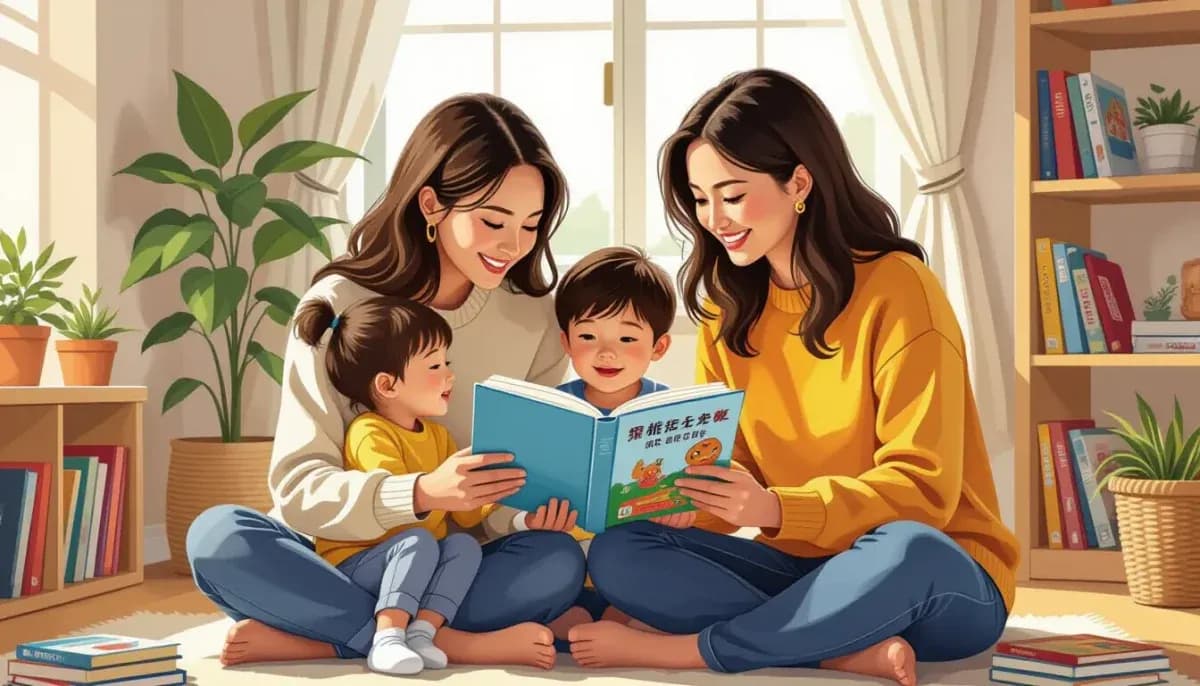
Heritage Language Maintenance for Children in Japan
Proven strategies for heritage language maintenance for children in Japan. Research-backed tips for bilingual families to raise multilingual kids.
13 articles
Heritage Language Maintenance for Children in Japan
Raising children in Japan as a foreign parent presents a unique linguistic challenge: how do you ensure your child maintains fluency in your native language while immersing in Japanese every day? Heritage language maintenance is not just about preserving communication with grandparents—it shapes identity, cognitive development, and future opportunities. Research shows that heritage speakers' vocabulary begins to diverge from monolingual peers as early as age 5.6, making early and consistent intervention critical.
This comprehensive guide covers proven strategies, common pitfalls, and practical resources to help foreign families in Japan raise truly bilingual children who thrive in both their heritage language and Japanese.
Why Heritage Language Maintenance Matters
Many expat parents assume their children will naturally pick up both languages. In reality, without deliberate effort, the dominant community language—Japanese—will gradually replace the heritage language. Studies from Sophia University confirm that most heritage language abilities are lost by the third generation in English-speaking countries, though communities with stronger cultural infrastructure (like Japanese Brazilians) maintain fluency far more effectively.
Heritage language proficiency offers children concrete advantages:
Cognitive benefits: Bilingual children demonstrate stronger executive function, mental flexibility, and problem-solving skills
Cultural connection: Language is the gateway to understanding family culture, traditions, and values
Career opportunities: Multilingual professionals are increasingly valued in Japan's globalizing economy
Family bonds: Without shared language, relationships with extended family members deteriorate over generations
For families navigating Japan's education system, maintaining a heritage language adds complexity but also provides children with a powerful competitive advantage, especially if they later pursue international school education.
Understanding the Critical Age Window
A large-scale study of 427 Japanese heritage speakers published in PMC found that heritage language vocabulary knowledge begins diverging from monolingual peers at approximately age 5.61 years. This divergence persists into young adulthood, meaning the early childhood years are the most critical period for establishing strong heritage language foundations.
Six key factors influence heritage language development, according to research:
Factor
Description
Impact Level
Home Language Use
Consistent heritage language spoken at home
Highest
Literacy Activities
Reading books, writing practice in heritage language
Very High
Holiday/Homeland Visits
Regular trips to the heritage country
High
Community Engagement
Heritage language community events and networks
High
School Support
Formal heritage language instruction
Moderate
Proficiency of Parents
Parents' own fluency and comfort level
Moderate
The strongest predictor of successful heritage language maintenance is current heritage language use within the home. This means parents must be intentional about creating a language-rich home environment from birth onward. For tips on early childhood language strategies, see our guide on baby and infant care in Japan.
Proven Strategies for Heritage Language Maintenance
The One Parent, One Language (OPOL) Approach
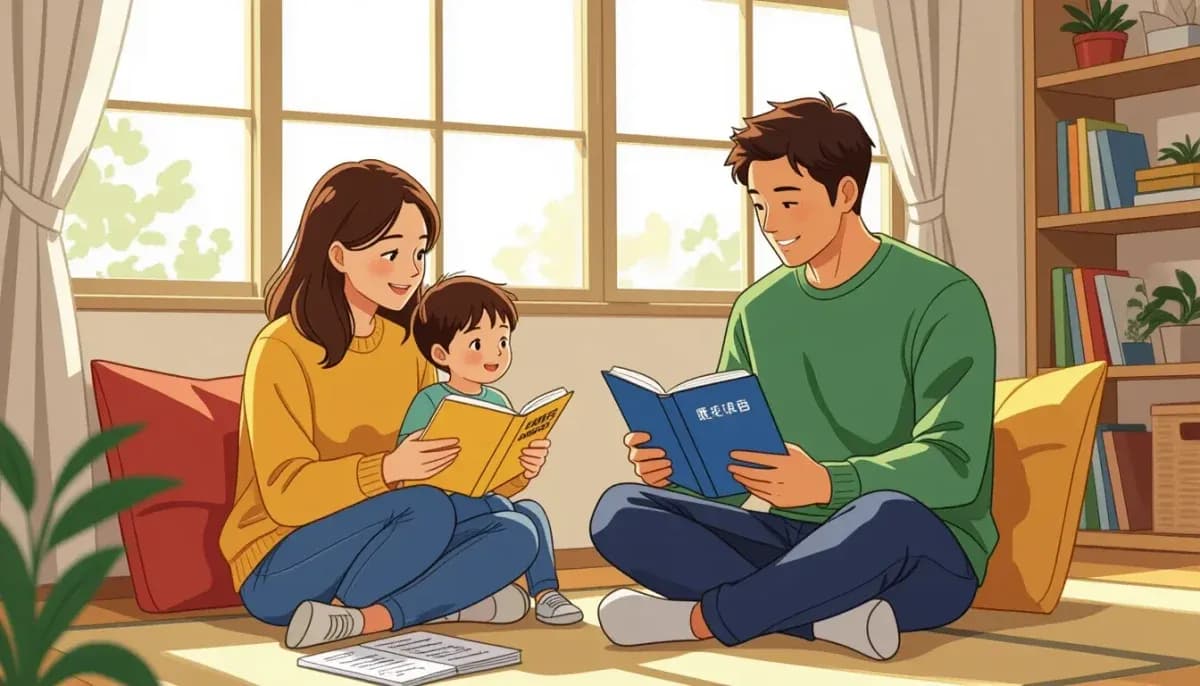
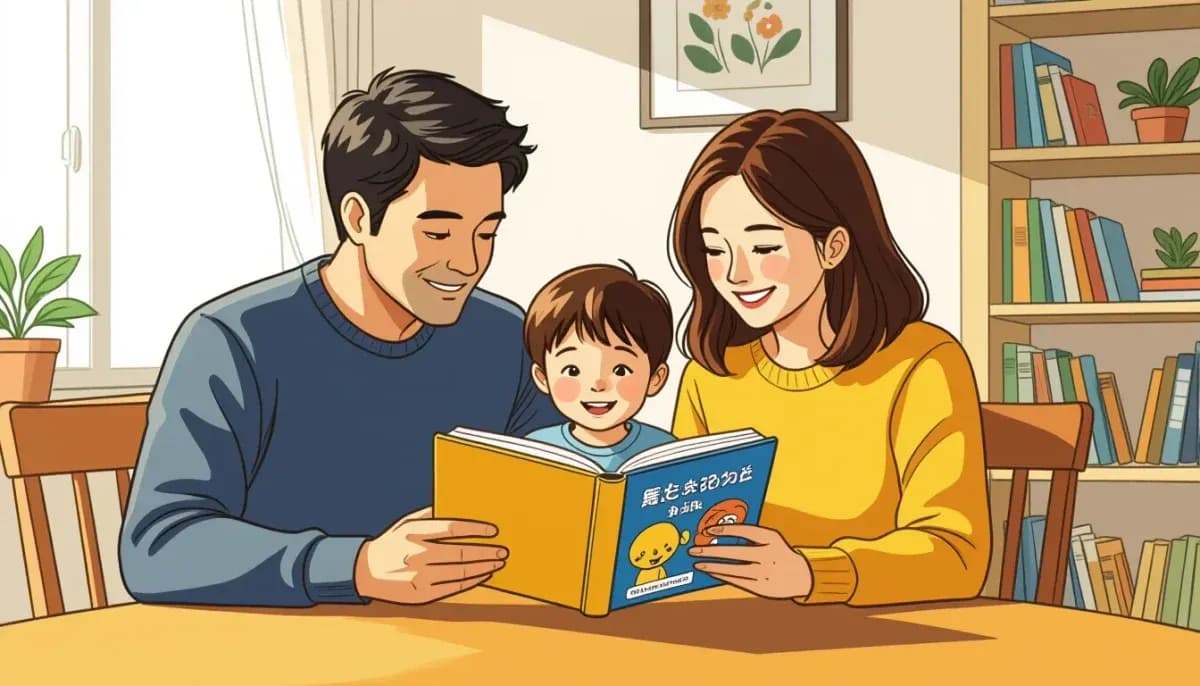
The most widely recommended strategy for bilingual families is OPOL, where each parent consistently speaks their native language to the child. In mixed Japanese-foreign families, the foreign parent speaks exclusively in their heritage language while the Japanese parent speaks Japanese.
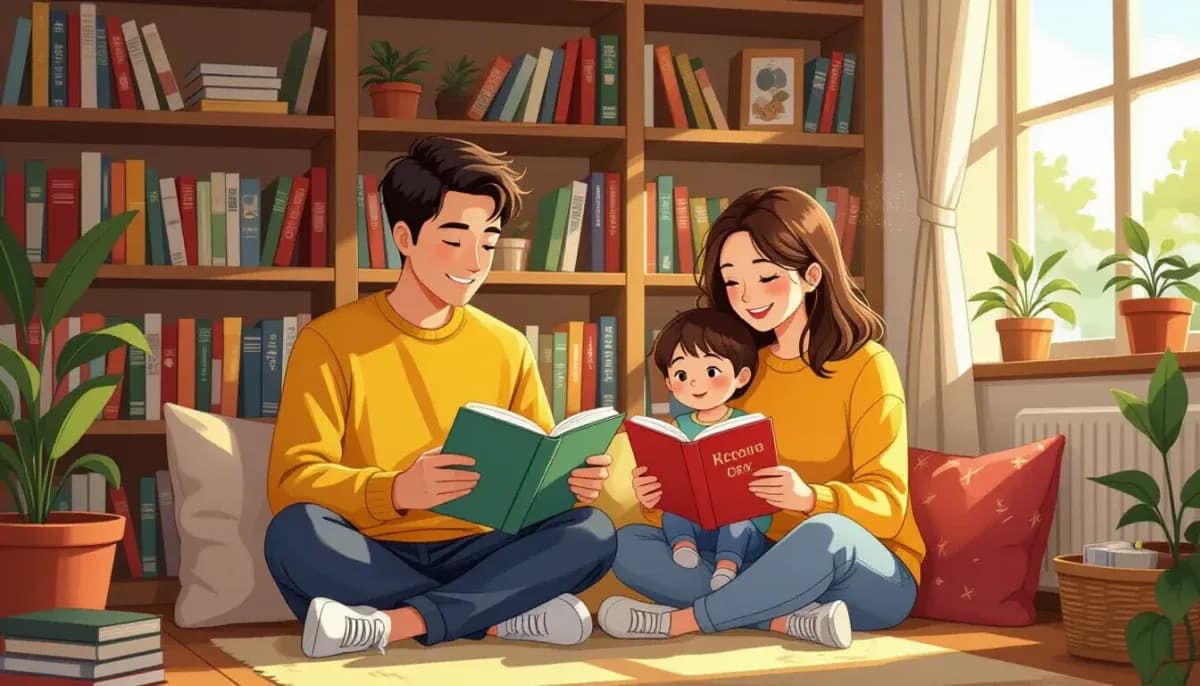
Proven Strategies for Heritage Language Maintenance - illustration for Heritage Language Maintenance for Children in Japan
Keys to OPOL success:
Maintain strict consistency, especially in the first five years
Do not switch to Japanese when the child responds in Japanese—gently continue in your language
Create dedicated heritage language time (e.g., bedtime stories, weekend activities)
Ensure the child hears the heritage language from multiple speakers, not just one parent
Maximizing Home Language Exposure
Research from Frontiers in Language Sciences demonstrates that the quality and diversity of heritage language input matters as much as quantity. Children who interact with multiple heritage language speakers in varied contexts develop stronger vocabulary and more complex grammar.
Practical home strategies:
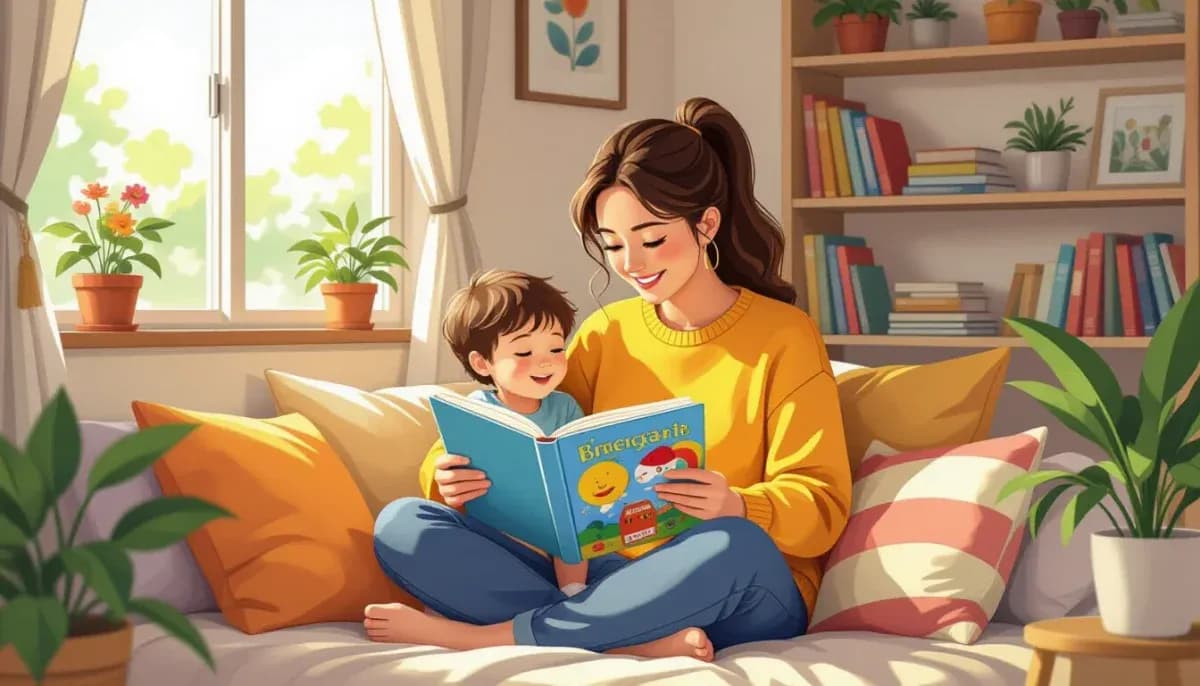
Read aloud in your heritage language daily—aim for 20+ minutes
Watch age-appropriate media (cartoons, educational shows) in the heritage language
Cook together while narrating in your language
Video-call family members in the heritage country weekly
Label household items in both languages
Play heritage language music and sing songs together
The Power of Homeland Visits
One of the most surprising research findings is how effectively short homeland visits boost heritage language outcomes. Studies show that even 2-6 week visits to the heritage country significantly improve vocabulary and complex syntax—areas most vulnerable to attrition.
During homeland visits, children receive naturalistic exposure from a variety of speakers in diverse contexts, something difficult to replicate in Japan. Plan at least one extended visit per year if possible, and consider longer summer stays for school-age children.
For families planning travel, understanding visa and legal considerations is essential, especially for children with dual nationality.
Overcoming Common Challenges in Japan
The Social Pressure to Speak Japanese
Mixed-ethnic children in Japan frequently fail to acquire their non-Japanese parent's language. Research published in Multilingual Matters identifies several contributing factors:
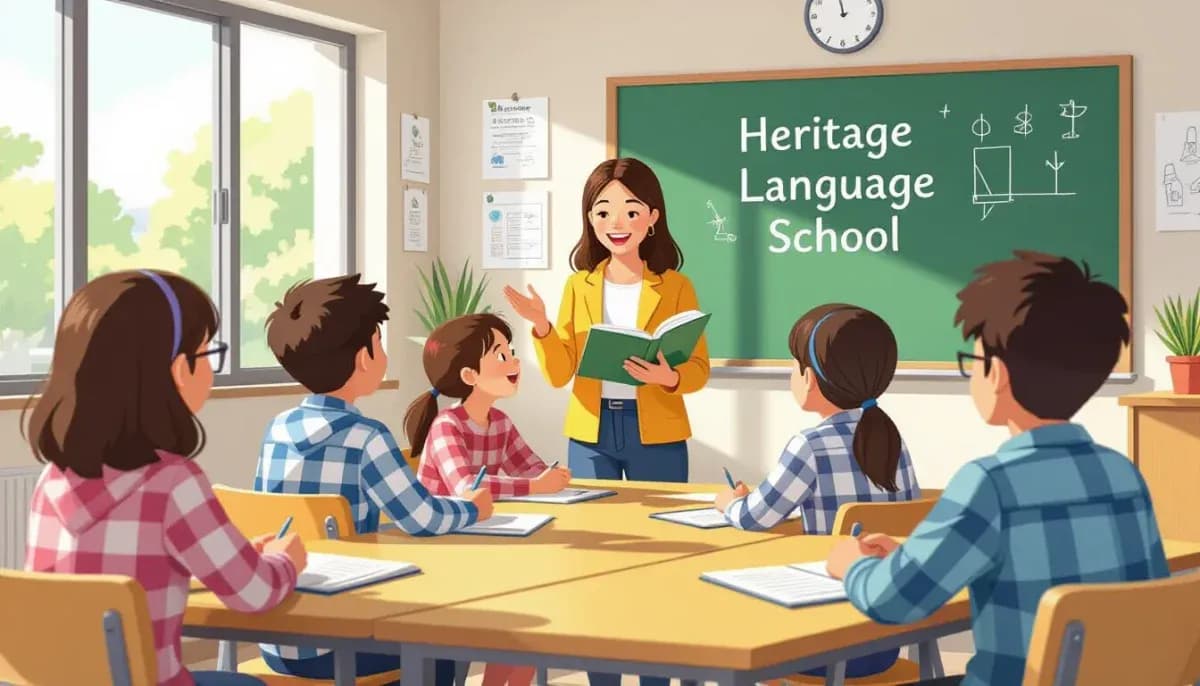
Overcoming Common Challenges in Japan - illustration for Heritage Language Maintenance for Children in Japan
Social pressure from peers and school to speak Japanese exclusively
The Japanese parent's reluctance to support the minority language at home
Prioritization of English over other heritage languages
Children's own resistance as they seek to fit in with Japanese peers
Parents raising hafu and mixed-race children often face the additional challenge of navigating identity questions alongside language choices.
Dealing with Language Refusal
It is completely normal for children between ages 4-7 to resist speaking the heritage language, especially after starting elementary school or kindergarten. This does not mean all is lost.
Strategies for language refusal:
Never punish or shame the child for speaking Japanese
Create fun, engaging contexts where the heritage language is the natural choice
Arrange playdates with other heritage language-speaking children
Enroll in weekend heritage language classes or online tutoring
Reward effort, not perfection—celebrate any use of the heritage language
Balancing Three or More Languages
Some families in Japan juggle three or more languages (e.g., English, Japanese, and a third heritage language). In these cases, prioritization is necessary. Focus on ensuring strong foundations in the most vulnerable language—typically the one with the least community support in Japan.
Formal Education and Heritage Language Schools
Weekend and Saturday Schools
Many language communities in Japan operate weekend heritage language schools. Chinese, Korean, Portuguese, Filipino, and other community schools offer structured instruction that complements home efforts. These schools provide:
Formal literacy instruction (reading and writing)
Peer interaction in the heritage language
Cultural education and holiday celebrations
A sense of belonging to the heritage language community
However, research from Australian-Japanese communities warns that many children discontinue heritage school attendance before or during secondary school. Maintaining motivation through adolescence requires connecting the language to the child's own interests and identity.
International Schools as an Alternative
International schools in Japan can support heritage language maintenance, particularly for English-speaking families. Many international schools offer mother tongue language programs or heritage language electives. However, international school fees are substantial—see our financial planning guide for budgeting strategies.
Online Resources and Tutoring
The digital age offers unprecedented access to heritage language resources:
Online tutoring platforms connecting children with native-speaking teachers
Language learning apps designed for heritage speakers (not beginners)
Virtual playgroups and reading clubs in heritage languages
YouTube channels and streaming services in the heritage language
Research consistently shows that language maintenance depends more on structural community support than on individual parental determination alone. Building or joining a heritage language community amplifies your efforts significantly.
Steps to build your community:
Find other families: Connect through embassy events, international parent groups, and social media communities for your language group in Japan
Organize regular meetups: Monthly heritage language playdates, story times, or cultural events
Create a library exchange: Pool heritage language books and rotate among families
Celebrate cultural events: Mark heritage holidays with community gatherings where only the heritage language is spoken
Leverage technology: Create WhatsApp or LINE groups for heritage language families in your area
Heritage language development is not linear. Children may show rapid progress during summer visits to the homeland, then plateau or regress during busy school terms in Japan. Regular assessment helps you adjust strategies before gaps become too large.
Assessment approaches:
Keep a language diary noting new words, phrases, and grammar structures your child uses
Record conversations periodically to track fluency development
Use standardized vocabulary checklists for your heritage language if available
Compare your child's abilities with same-age monolingual speakers as a benchmark (not as a strict standard)
Celebrate milestones: first book read independently, first phone call with grandparents, first essay written
When to seek professional help: If your child shows signs of language delay in both languages, consult a bilingual speech-language pathologist. Some delays are normal in bilingual development, but persistent difficulties may benefit from professional evaluation. Our guide on children's healthcare in Japan can help you navigate the medical system.
Long-Term Heritage Language Planning
Heritage language maintenance is a marathon, not a sprint. Your strategy must evolve as your child grows from toddler through elementary, junior high, and high school years.
Age-appropriate milestones:
Age Range
Heritage Language Goals
Key Activities
0-3 years
Build listening comprehension and basic vocabulary
Songs, picture books, parent narration
3-6 years
Develop conversational fluency, begin pre-literacy
Playdates, storytelling, letter recognition
6-9 years
Establish reading and writing foundations
Heritage school, chapter books, journaling
9-12 years
Expand academic vocabulary and cultural knowledge
Online classes, heritage country media, cultural projects
13+ years
Maintain motivation, connect language to identity and future goals
Social media in heritage language, pen pals, exchange programs
According to research from Frontiers in Language Sciences, additive bilingualism—acquiring the community language while maintaining the heritage language—is most likely to occur when there is adequate support for both languages throughout childhood.
Heritage language maintenance for children in Japan requires consistent effort, community support, and strategic planning. The research is clear: home language use is the strongest predictor of success, supplemented by homeland visits, community engagement, and formal instruction. While the challenges are real—social pressure, language refusal, limited resources—the rewards of raising a truly bilingual child are immeasurable.
Start early, stay consistent, build community, and remember that every conversation in your heritage language is an investment in your child's future. For more on navigating parenthood in Japan as a foreigner, explore our guides on pregnancy and giving birth and the Japanese education system.