
Heritage Language Books and Media Resources for Kids

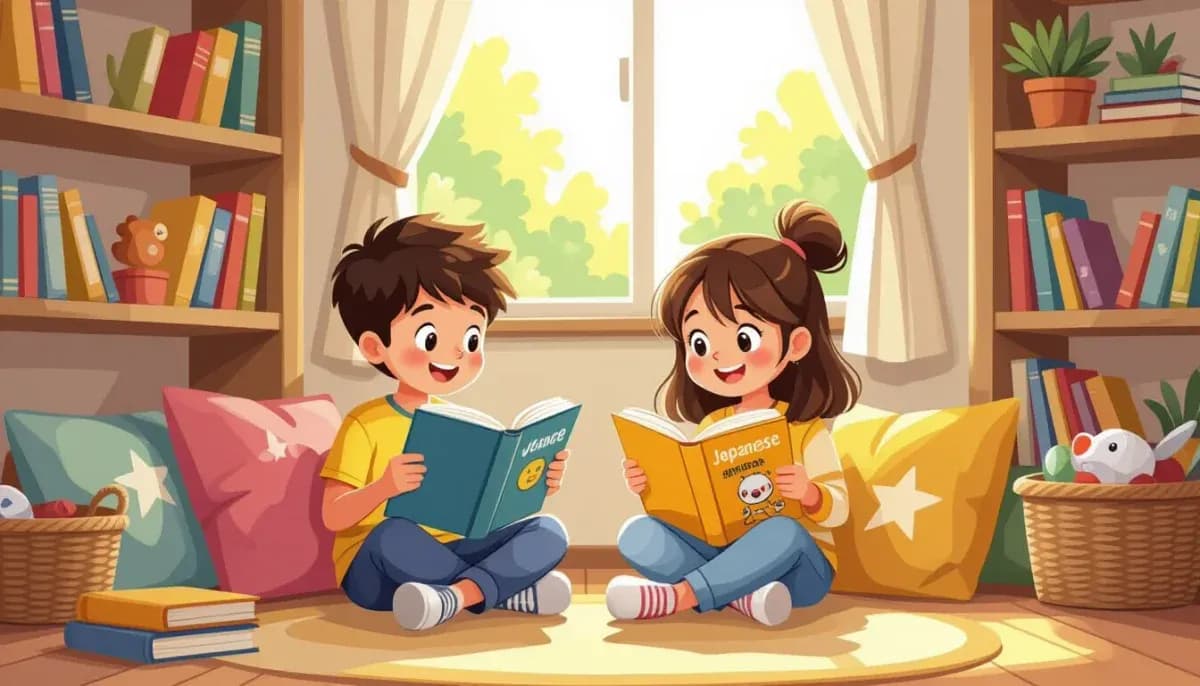
Discover the best heritage language books and media resources for kids in Japan. From classic Japanese picture books to streaming shows and apps, help your child stay connected to their mother tongue with our curated guide for bilingual families.
Heritage Language Books and Media Resources for Kids in Japan
Raising a child with a strong connection to their heritage language is one of the most meaningful gifts a multilingual family can give. Whether your child is growing up in Japan with a parent who speaks English, Mandarin, Korean, or any other language, or a Japanese child living abroad who needs to maintain their mother tongue, books and media play a central role in keeping that linguistic and cultural thread alive.
Research shows that children need exposure to a second language for at least 30% of their day to develop bilingual proficiency. When formal schooling only covers one language, books, apps, streaming shows, and interactive media fill the gap. This guide covers the best heritage language books and media resources for kids in Japan — practical tools that actually work.
Why Books and Media Matter for Heritage Language Learners
Heritage language learners — children who grow up hearing a language at home but may not formally study it — face a unique challenge. They often understand the language far better than they can speak or read it. The so-called "understand but can't speak" barrier is extremely common, and traditional textbook approaches rarely solve it.
What does work is immersive, emotionally engaging content: stories that feel relevant, characters they love, and media that makes the language feel natural rather than like homework. When Japanese feels like a superpower rather than an obligation, children are far more likely to embrace it long-term.
According to experts, the foundation of heritage language success isn't textbooks or apps — it's emotional connection. Books that reflect a child's identity and media that entertains first, teaches second, build the strongest language ties.
For families navigating Japan's education system, pairing these resources with formal schooling support creates a well-rounded bilingual development strategy. You may also want to explore our guide on raising bilingual children in Japan for broader strategies.
Best Japanese-English Bilingual Books for Children
Bilingual books — which display text in two languages simultaneously — are ideal for heritage language families because every caregiver can read the same book, regardless of their stronger language. Here are the top picks by age group:
For Babies and Toddlers (Ages 0–3)
| Book Title | Language Pair | Key Feature |
|---|---|---|
| In the Bath (Leslie Patricelli) | Japanese / English | Textured illustrations; full bilingual text in hiragana |
| Guess Who? (Guido Van Genechten) | Japanese / English | Interactive flap book; peekaboo-style |
| The Toddler's Handbook (Dayna Martin) | Japanese / English | Numbers, shapes, animals, emotions, food |
| だるまさんが (Daruma-san ga) | Japanese | Classic rhythmic text; perfect for read-alouds |
だるまさんが by Kashiwado Genta is a beloved Japanese classic that parents and grandparents have shared for generations. Its simple, repetitive text makes it ideal for toddlers building their very first Japanese vocabulary.
For Preschoolers (Ages 3–6)
- ぐりとぐら (Guri to Gura) — This iconic pair of field mice cook an enormous pancake in the forest. The rhythm, repetition, and simple sentences make it perfect for heritage learners at the preschool stage.
- くまのがっこう (The Bear School) — A series following Jackie the bear at a boarding school for bears. Great for children transitioning to reading independently.
- Am I Small? わたし、ちいさい? (Philipp Winterberg) — A bilingual story featuring mystical animals that explores perspective and identity.
- In here, out there! ここからはいって、でていく! (Philipp Winterberg) — Focuses on listening skills through imaginative storytelling.
For Elementary Age (Ages 6–12)
- The Last Kappa of Old Japan (Sunny Seki) — A bilingual side-by-side English-Japanese book incorporating authentic Japanese cultural elements. Ages 5–14.
- I'm Learning Japanese!: A Language Adventure for Young People (Christian Galan) — Features anime-inspired characters learning to read, write, and speak Japanese. Ages 9+.
- A Color of His Own (Leo Lionni) — A beautifully illustrated story translated by a renowned Japanese poet, with themes of friendship and belonging.
For families managing bilingual school transitions, these books pair well with strategies in our heritage language maintenance guide.
Japanese Media Resources: Streaming, Apps, and Subscriptions
Books alone are rarely enough. Children in the digital age need media they love in their heritage language. The good news is that Japanese-language media for children has never been more accessible globally.
Classic Children's TV Shows for Heritage Learning
These Japanese TV shows use simple vocabulary, repetition, and engaging storylines — exactly what heritage learners need:
| Show | Age Range | Why It Works |
|---|---|---|
| Shimajirō (しまじろう) | 1–6 | Teaches manners, routines, and kindness; subscription also includes magazines |
| Anpanman (アンパンマン) | 0–5 | Simple phrases; food-themed characters; very high repetition |
| Doraemon (ドラえもん) | 5–12 | School life, family, daily vocabulary |
| Chibi Maruko Chan (ちびまる子ちゃん) | 6–12 | Realistic school and family conversations |
| Sazae-san (サザエさん) | 7+ | Everyday Japanese family life; natural conversational Japanese |
Shimajirō deserves special mention. Beyond the TV show, Benesse's Shimajirō subscription service delivers monthly printed magazines with stories, songs, and craft activities tailored to young learners. It's a beloved part of many Japanese children's childhoods and an excellent tool for heritage families abroad.
Streaming Platforms and Apps
- NHK for School (app available on iOS and Android) — Japan's national broadcaster offers free educational content across subjects. The Japanese-language programming is designed for Japanese school children, making it an authentic resource for heritage learners.
- NHK World-Japan — Free streaming available globally, with content in English and Japanese. A good bridge for families who want to watch together.
- YouTube Kids (Japanese settings) — Setting your child's YouTube Kids to Japanese surfaces a wealth of native children's content, from nursery rhymes to educational shows.
- Crunchyroll — For older children interested in anime, Crunchyroll offers dual-language subtitle options that can support reading comprehension alongside listening.
The Shimajirō Subscription: A Heritage Language Game Changer
For families in Japan or willing to import, the Shimajirō (こどもちゃれんじ) monthly subscription is worth serious consideration. Produced by Benesse, it delivers:
- Monthly magazine with interactive stories
- Songs and movement activities
- Educational toys and craft kits
- Age-specific content from baby through early elementary
Many Japanese-heritage families abroad specifically seek out this subscription to give their children an authentic connection to the same content Japanese children experience at home.
Digital Apps for Heritage Language Building
| App | Age | Platform | Key Feature |
|---|---|---|---|
| Hiragana Quest | 4–10 | iOS / Android | Gamified hiragana learning |
| Drops: Japanese | 7+ | iOS / Android | Visual vocabulary building |
| NHK for School | 6–12 | iOS / Android | Authentic educational content |
| Kaito Kids Japanese | 3–8 | iOS | Story-based interactive lessons |
When choosing apps, prioritize those that feel like play rather than drill. Heritage learners disengage quickly from rote memorization tools. Apps that embed language in stories, games, and music maintain engagement far better.
Strategies for Using Books and Media Effectively
Simply having Japanese books on the shelf or Japanese cartoons on the screen isn't enough. Here's how to make them work:
Create a language ritual. Read one Japanese book before bed every night. This consistent exposure, even just 15–20 minutes, adds up significantly over time.
Watch together, then discuss. For shows like Doraemon or Chibi Maruko Chan, watch an episode together, then discuss what happened — in Japanese. This builds speaking skills alongside comprehension.
Use translanguaging. Read the Japanese text, then discuss in English, or vice versa. This flexible approach honors both languages without strict "one language only" rules.
Let children choose. When children pick their own books and shows, engagement soars. Create a Japanese book shelf they can browse freely.
Connect books to real life. After reading ぐりとぐら, make pancakes together while narrating in Japanese. Embodied learning creates stronger language memories.
For families with children navigating Japan's school system, pairing these home resources with appropriate schooling — detailed in our guide to teaching Japanese to foreign children — creates the strongest bilingual outcomes.
Where to Find Japanese Books and Media Abroad
Finding physical Japanese books outside Japan requires some effort, but it's very manageable:
- Amazon Japan (amazon.co.jp) — Ships internationally and has the widest selection of Japanese children's books
- Kinokuniya bookstores — Branches in New York, Los Angeles, Sydney, Singapore, and other cities carry extensive Japanese children's sections
- Language Lizard — Specializes in bilingual books in Japanese and other languages, including sets curated by age group
- Heritage Kids Press — Publishers focused specifically on heritage language bilingual books
For families living in Japan who want English or other heritage language books, Tokyo's large Kinokuniya in Shinjuku and Maruzen in Marunouchi carry strong international sections.
For more advice on supporting your children's broader development in Japan, the team at Living in Nihon covers expat life comprehensively. Families navigating work and family balance in Japan may also find For Work in Japan helpful, and for academic support resources, Chuukou Benkyou offers study guides useful for Japanese learners at the middle and high school level.
Final Thoughts: Building a Language-Rich Home
The most effective heritage language strategy isn't a single app or the perfect book — it's creating a language-rich environment where the heritage language feels natural, loved, and central to family identity. Books and media are the building blocks of that environment.
Start small: one Japanese picture book at bedtime, one episode of Anpanman on weekends. Layer in more as your child grows. The cumulative effect of consistent, joyful exposure to heritage language books and media is profound — and it's something your child will carry with them for life.
For a comprehensive overview of how children develop across all stages in Japan, see our guide on cultural identity for hafu and mixed-race children, and explore toddler parenting in Japan for strategies tailored to younger children.
Additional resources:

Originally from Vietnam, living in Japan for 16+ years. Graduated from Nagoya University, with 11 years of professional experience at Japanese and international companies. Sharing practical information for foreign parents raising children in Japan.
View Profile →Related Articles
Heritage Language and Cultural Identity Connection
How to maintain your heritage language and build cultural identity for children in Japan. Practical strategies for multicultural families navigating bilingualism and dual identity in Japan.
Read more →
Summer Trips Abroad for Heritage Language Immersion
Discover how summer trips abroad can powerfully boost your child's heritage language in Japan. Research-backed strategies, program types, and planning tips for expat families.
Read more →
How to Assess Your Child's Heritage Language Level
Learn practical methods to assess your child's heritage language proficiency level in Japan. Includes home tests, formal assessments, proficiency frameworks, and action steps for bilingual families.
Read more →
Balancing Japanese and Heritage Language Time
Learn how to balance Japanese and heritage language time for your children in Japan. Practical strategies, daily routines, and time allocation frameworks for bilingual families.
Read more →
Community Groups for Heritage Language Practice in Japan
Discover the best community groups, Saturday schools, and online resources for heritage language practice in Japan. A practical guide for multilingual and bilingual families raising children in Japan.
Read more →
When Children Refuse to Speak Their Heritage Language
Learn why children refuse to speak their heritage language in Japan and discover proven, research-backed strategies to encourage heritage language use at home and build bilingual confidence.
Read more →