
Heritage Language and Cultural Identity Connection

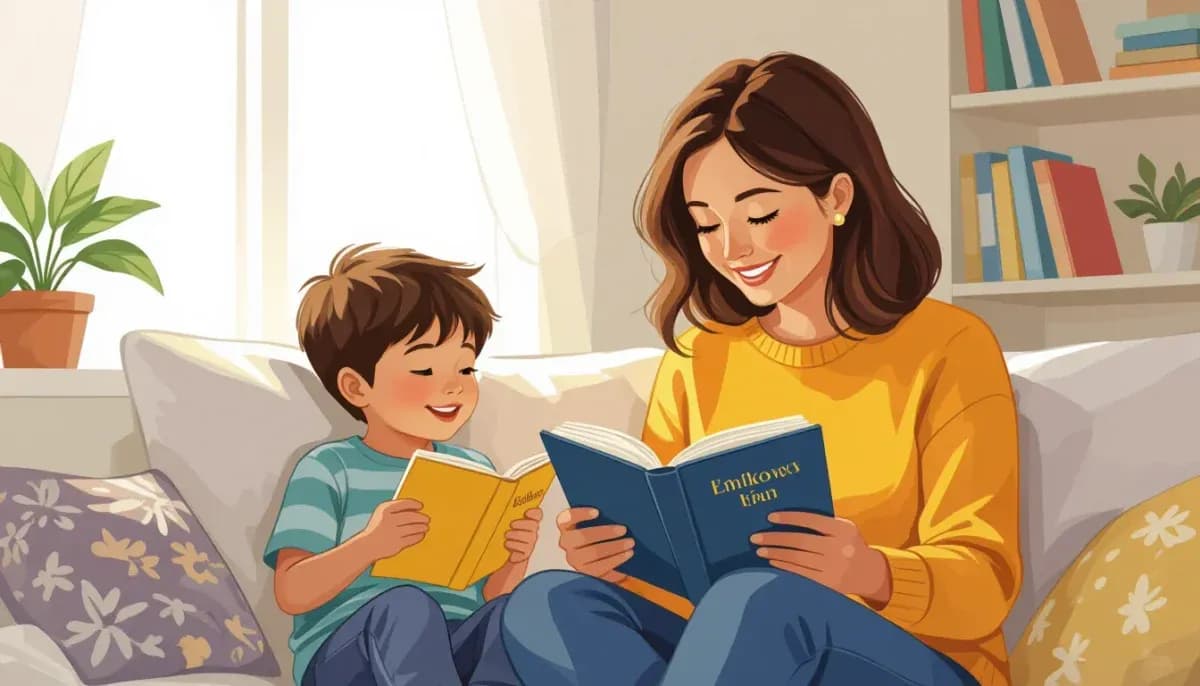
How to maintain your heritage language and build cultural identity for children in Japan. Practical strategies for multicultural families navigating bilingualism and dual identity in Japan.
Heritage Language and Cultural Identity Connection: A Guide for Families in Japan
Raising a child in Japan as a foreign parent means navigating two worlds simultaneously. You want your child to thrive in Japanese society — to make friends, succeed at school, and feel at home. But you also want them to know where they came from: the language your grandmother spoke, the food your family cooked at holidays, the stories that shaped your own sense of self. This tension between integration and heritage is one of the most meaningful challenges multicultural families in Japan face.
The good news is that maintaining a heritage language and cultivating cultural identity are not only possible in Japan — they are deeply valuable for your child's development, belonging, and future. This guide explores why the connection between heritage language and cultural identity matters so deeply, and how you can nurture it intentionally, even in a society as homogeneous and conformity-driven as Japan.
Why Heritage Language Is the Gateway to Cultural Identity
Language is not just a tool for communication — it is the vessel through which culture is transmitted. When children speak their parents' native language, they gain access to more than vocabulary and grammar. They connect with family stories, cultural humor, traditional songs, ways of thinking, and emotional nuance that simply do not translate.
Research published in PMC on Japanese heritage speakers found that vocabulary divergence between heritage speakers and monolingual counterparts began as early as age 5.61 and persisted into young adulthood. This underscores a critical window during early childhood when consistent heritage language input makes a lasting difference.
For children growing up in Japan, the Japanese language and cultural environment is enormously powerful. School, friendships, television, and social norms are all in Japanese. Without deliberate effort at home, the heritage language can fade quickly — and with it, the child's connection to their other cultural identity.
Cultural identity is built through everyday moments: the way you talk about your home country, the values you model, the rituals you keep, and the space you create for your child to feel proud of who they are. Heritage language is the thread that ties these moments together across generations.
The Identity Challenges Facing Multicultural Children in Japan
Japan has long been described as a culturally homogeneous society that values conformity. For mixed-heritage children — often called "haafu" (half-Japanese) — this can create real identity challenges.
Research on bilingual haafu children in Japan has found that some children resist being labeled as "gaijin" (foreigner), internalizing the pressure to conform to Japanese identity. One five-year-old in a case study expressed a desire to have black hair, reflecting just how early external social cues begin to shape a child's self-perception.
The term "haafu" itself carries connotations of inadequacy — "half" implies incompleteness. An alternative term, "daburu" (double), reframes the identity as additive rather than deficient, celebrating that the child belongs to two cultures rather than being divided between them.
According to Japan's Ministry of Education data, in 2018 alone there were 59,094 foreign-origin children at elementary school level, 23,051 at junior high, and 9,614 at senior high school — with 80% coming from Portuguese-, Chinese-, Filipino-, and Spanish-speaking families. These children face immense assimilation pressure, and their heritage language maintenance is often the first casualty.
Understanding these pressures helps parents prepare their children with tools to navigate both worlds confidently.
| Challenge | Impact on Child | Parental Response |
|---|---|---|
| Peer pressure to conform | May reject heritage language in public | Normalize using heritage language at home without shame |
| Limited heritage language peers | Lack of social motivation | Connect with community groups and heritage language schools |
| Japanese school immersion | Japanese quickly dominates | Maintain consistent home language rules |
| Identity labels (haafu) | Internalized sense of incompleteness | Use "daburu" framing — celebrate being double |
| Lack of cultural touchpoints | Disconnect from family heritage | Regular cultural rituals, food, music, stories |
Practical Strategies for Maintaining Heritage Language at Home
The most powerful space for heritage language development is the home. Schools and society will deliver Japanese fluency — your job is to hold open the door to your family's language.
One Parent, One Language (OPOL): This widely-used approach means each parent consistently speaks their own native language to the child. It works best when both parents commit consistently and children learn to switch naturally between languages depending on who they are speaking with. Research supports that this method produces strong bilingual outcomes when applied from birth.
Media in the Heritage Language: One Japan-based case study found that television and DVDs in the heritage language had a stronger influence on bilingual development than direct parental instruction alone. Streaming platforms, YouTube channels, and audiobooks in your home language are powerful tools. Consider creating screen time specifically in your heritage language.
Regular Communication with Extended Family: Regular video calls with grandparents, cousins, and family friends abroad keep the language emotionally relevant. When a child knows that speaking their heritage language means connecting with people they love, motivation stays high. According to research, holiday visits to the heritage country are strongly associated with higher vocabulary scores and literacy outcomes.
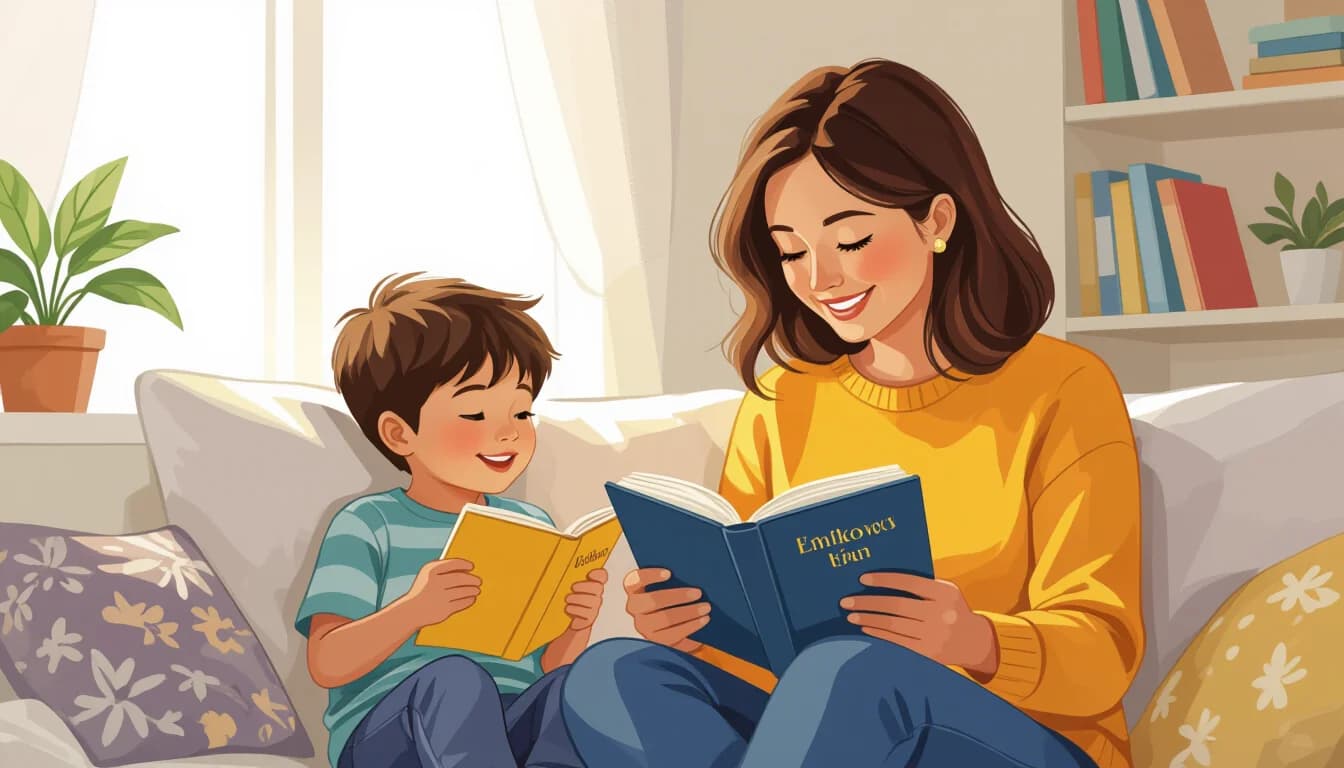
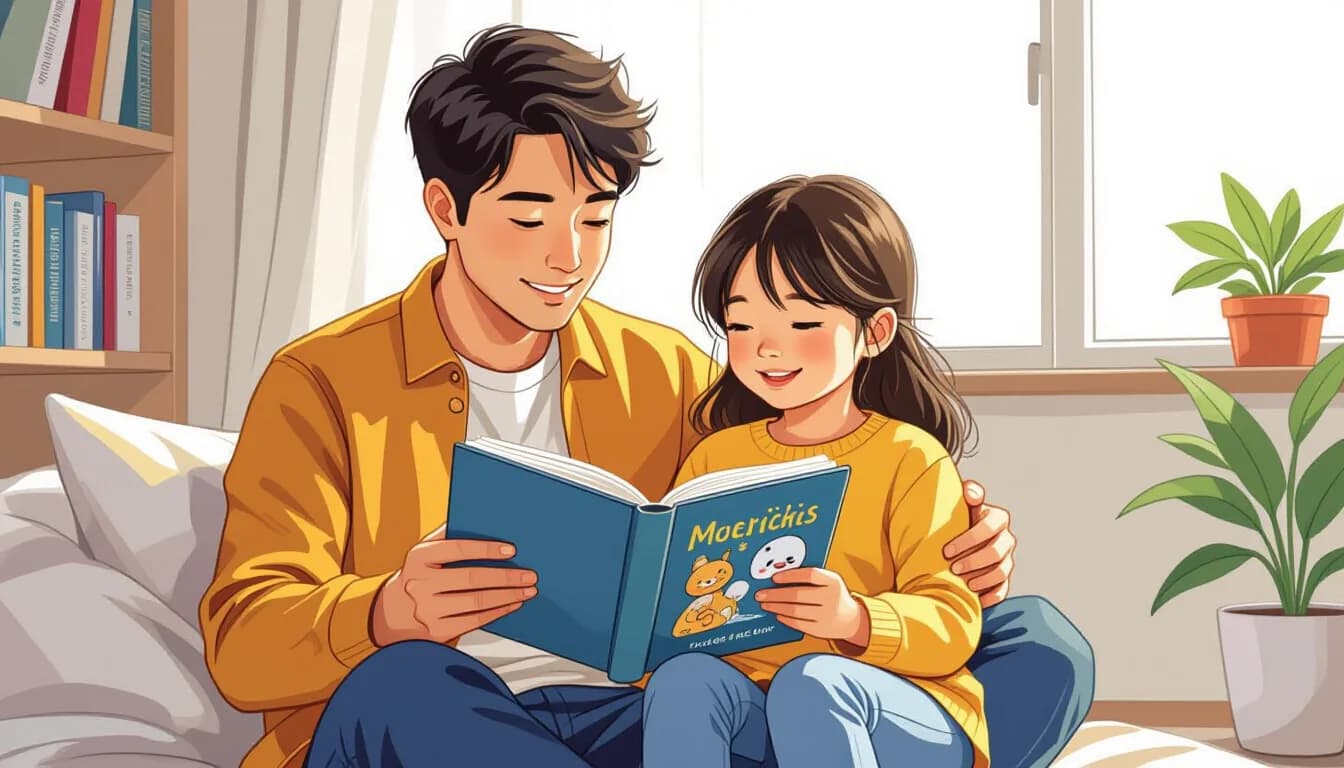
Reading Together in the Heritage Language: Reading bilingual books, story collections, and age-appropriate novels in your native language develops vocabulary depth that everyday conversation alone cannot. Libraries, Japanese Amazon, and online bookshops can source materials in most major languages.
For more detailed approaches to bilingual parenting in Japan, see our guide on Raising Bilingual Children in Japan: Strategies and Tips.
Building Cultural Identity Beyond Language
Language is the foundation, but cultural identity is built through a broader ecosystem of practices, stories, and relationships.
Celebrate Both Cultures' Holidays and Traditions: Whether it is Diwali alongside New Year's, Lunar New Year alongside Hinamatsuri, or Christmas alongside Obon, celebrating both cultures' holidays gives children concrete, joyful experiences of their dual identity. These moments become anchoring memories.
Cook and Eat Heritage Foods: Food is one of the most direct pathways to cultural memory. Cooking traditional dishes together, explaining the occasion or story behind them, and letting children participate in preparation all reinforce cultural identity through sensory experience.
Tell Family Stories: Share stories about your own childhood, your parents, your hometown, and your culture. These stories create a narrative thread that connects your child to a heritage that extends far beyond what they can see in their daily life in Japan.
Find Community: Connecting with other families from the same cultural background matters enormously, especially for children. A bilingual/multicultural community school, a cultural association, or even an informal playgroup creates peer relationships in which speaking the heritage language feels normal rather than different.
Validate the "In-Between" Space: Research consistently shows that children who are helped to embrace their bicultural identity — rather than forced to choose — develop stronger self-esteem and adaptability. Let your child know it is normal to feel between two cultures, and that this is a position of strength, not confusion.
For specific guidance on identity development for mixed-heritage children in Japan, see our article on Cultural Identity for Hafu and Mixed-Race Children in Japan.
Heritage Language Schools and Community Support in Japan
Community-based heritage language schools are one of the most effective institutional supports available to multicultural families in Japan. These schools typically operate on weekends and offer instruction in languages including Portuguese, Chinese, Korean, English, Spanish, Filipino, and others.
Research has found that community schools foster positive Japanese-inclusive identity and heritage language development — particularly when combined with home support and peer relationships in the heritage language community.
Types of Heritage Language Programs in Japan:
- Ethnic community schools (民族学校): Full-time or supplementary schools serving Korean, Chinese, and Brazilian communities, among others
- International school supplementary programs: Some international schools offer heritage language tracks alongside regular curricula
- Weekend language schools: Community-run Saturday or Sunday schools offering heritage language instruction in major Japanese cities
- Online heritage language tutors: Increasingly popular post-pandemic, these connect children with native-speaking tutors in their heritage language via video call
Major cities like Tokyo, Osaka, Nagoya, and Yokohama have well-established heritage language school networks. Rural families may need to rely more heavily on online options.
For resources on international school options in Japan generally, see our guide on International Schools in Japan: The Definitive Guide.
Heritage Language, Academic Success, and Future Opportunity
Some parents worry that prioritizing the heritage language might slow Japanese language acquisition or hold children back academically. Research consistently shows the opposite is true.
Bilingualism strengthens cognitive flexibility, executive function, and metalinguistic awareness — the ability to think about language as a system. Children who develop strong literacy in their heritage language typically learn additional languages faster, including Japanese. Their heritage language is not a burden; it is an asset that builds the cognitive scaffolding for all language learning.
Beyond academic benefits, heritage language proficiency creates real-world opportunities. Children who grow up bilingual in Japan are positioned for careers in international business, diplomacy, translation, international teaching, and cross-cultural roles that Japan's increasingly globalized economy needs.
The emotional and identity benefits are just as significant. Adults who lost their heritage language in childhood frequently describe feelings of regret — a disconnection from family history and cultural roots that is difficult to recover later in life. Preserving the language during childhood keeps options open.
For additional context on how language learning fits into your child's broader education in Japan, explore our article on Teaching Japanese to Foreign Children: Methods and Resources.
Supporting Your Child Through Difficult Identity Moments
Despite your best efforts, there will be moments when your child pushes back against their heritage. This is normal and does not mean you have failed. Children go through phases — particularly during elementary and junior high school — when the desire to fit in with Japanese peers overwhelms everything else.
When a child refuses to speak the heritage language: Avoid power struggles. Continue using the language yourself with warmth. Engage extended family members by video call. Make the heritage language emotionally rewarding rather than obligatory.
When a child denies their foreign heritage: Acknowledge their feelings without dismissing the heritage. Help them find pride points in their cultural background — cuisine, art, sports, music, stories — that connect with their current interests.
When a child faces discrimination or bullying: Take it seriously. Involve school teachers and counselors. Build their sense of identity strength at home. Connect them with peers from similar backgrounds who can validate their experience.
When parents disagree on language strategy: Align on a consistent approach together. Inconsistent messaging at home is more damaging than any particular language policy. Decide together and support each other.
For additional support around your child's emotional wellbeing, our guide on Mental Health and Emotional Wellbeing for Foreign Children in Japan offers practical resources.
External Resources for Heritage Language and Cultural Identity
Several excellent external resources support multicultural families navigating heritage language and identity in Japan:
- Living in Nihon — Raising Children and Education in Japan Guide — comprehensive resource for foreign parents in Japan
- For Work in Japan — Family Life in Japan Complete Guide — practical family life guidance for foreign residents
- Chuukou Benkyou — Japanese Education and Study Support — resources for navigating Japan's education system
- Savvy Tokyo — Raising a Multicultural Child in Japan — real-world experience and practical tips
- Discover Nikkei — Japanese Diaspora Identity — in-depth exploration of Japanese diaspora cultural identity
Conclusion
The connection between heritage language and cultural identity is not abstract — it is lived every day in the stories you tell at dinner, the songs you sing at bedtime, the holidays you celebrate, and the family members you call across time zones. In Japan, where social conformity pressure is strong and the Japanese language will pull powerfully on your child, maintaining this connection requires intentional effort.
But the effort is profoundly worthwhile. Children who grow up knowing who they are — in both their Japanese world and their family's heritage culture — develop a richness of identity, resilience, and empathy that will serve them their entire lives. Your heritage is not a burden they carry; it is a gift they inherit.
Start small, stay consistent, and build community. The language and culture you share today are the roots your child will draw strength from for the rest of their life.
For a broader look at heritage language maintenance strategies specific to Japan, see our dedicated guide on Heritage Language Maintenance for Children in Japan.

Originally from Vietnam, living in Japan for 16+ years. Graduated from Nagoya University, with 11 years of professional experience at Japanese and international companies. Sharing practical information for foreign parents raising children in Japan.
View Profile →Related Articles
Summer Trips Abroad for Heritage Language Immersion
Discover how summer trips abroad can powerfully boost your child's heritage language in Japan. Research-backed strategies, program types, and planning tips for expat families.
Read more →
How to Assess Your Child's Heritage Language Level
Learn practical methods to assess your child's heritage language proficiency level in Japan. Includes home tests, formal assessments, proficiency frameworks, and action steps for bilingual families.
Read more →
Balancing Japanese and Heritage Language Time
Learn how to balance Japanese and heritage language time for your children in Japan. Practical strategies, daily routines, and time allocation frameworks for bilingual families.
Read more →
Heritage Language Books and Media Resources for Kids
Discover the best heritage language books and media resources for kids in Japan. From classic Japanese picture books to streaming shows and apps, help your child stay connected to their mother tongue with our curated guide for bilingual families.
Read more →
Community Groups for Heritage Language Practice in Japan
Discover the best community groups, Saturday schools, and online resources for heritage language practice in Japan. A practical guide for multilingual and bilingual families raising children in Japan.
Read more →
When Children Refuse to Speak Their Heritage Language
Learn why children refuse to speak their heritage language in Japan and discover proven, research-backed strategies to encourage heritage language use at home and build bilingual confidence.
Read more →