
Creating a Heritage Language Environment at Home

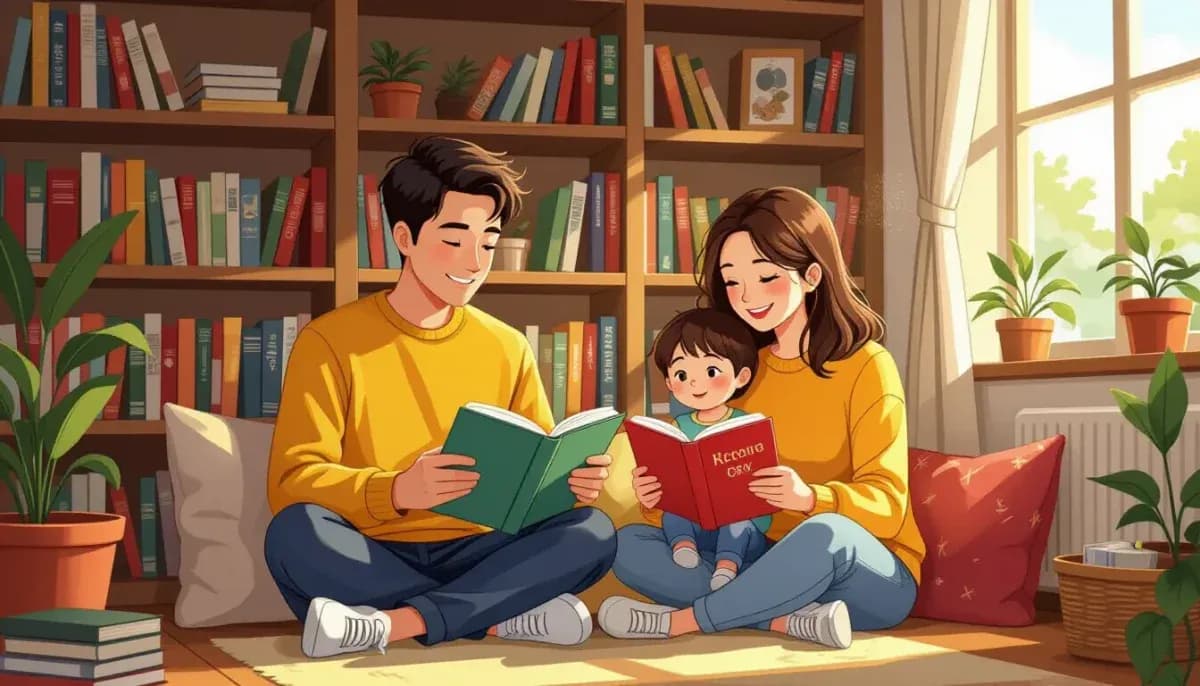
Learn how to create a heritage language environment at home in Japan. Practical strategies for bilingual families including OPOL, home libraries, daily habits, and overcoming challenges.
Creating a Heritage Language Environment at Home in Japan
Raising children in Japan as a foreign parent means navigating a rich but challenging bilingual landscape. Japanese becomes the dominant language almost immediately once children enter daycare or school, and without a deliberate home strategy, your heritage language can fade quickly. Creating a strong heritage language environment at home is not just about communication—it is about preserving your child's cultural identity, cognitive development, and family connections across borders.
This guide walks you through proven strategies, practical tools, and daily habits to help your child thrive in both Japanese and your heritage language.
Why a Heritage Language Environment Matters
The home is the most powerful place for heritage language learning. Research consistently shows that children need approximately 30% of their total language input in the minority or heritage language to achieve genuine bilingualism. In Japan, where Japanese permeates school, media, and social life, that 30% must be intentionally created at home.
The benefits go far beyond language skills:
- Cognitive advantages: Bilingual children demonstrate stronger executive function, better problem-solving, and greater mental flexibility.
- Academic performance: Studies show bilingualism boosts school performance broadly, not just in language subjects.
- Cultural identity: Language is the primary vehicle of cultural transmission. Children who speak their heritage language feel more connected to their extended family and cultural roots.
- Future opportunities: Fluency in a heritage language opens educational and career doors that monolingual peers simply cannot access.
The window of opportunity is real. From birth to age 6-7 is when young brains are most primed for language acquisition. Once children begin Japanese elementary school, Japanese input will naturally dominate. The earlier and more consistently you build your heritage language environment, the more sustainable it becomes.
Key Strategies for Building a Heritage Language Home
There is no single right approach, but research and experienced bilingual families in Japan point to several core strategies that work.
One Parent One Language (OPOL)
The OPOL approach has the strongest track record. Each parent consistently speaks their own native language with the child—for example, an American parent always speaks English while the Japanese parent always speaks Japanese. This provides clear, predictable language context and prevents mixing.
OPOL works best when:
- Both parents commit consistently, even when it feels awkward in public
- The minority-language parent genuinely engages in rich conversation, not just commands
- Extended family conversations (via video call) reinforce the minority language
Minority Language at Home (ML@H)
If both parents speak the same heritage language, the ML@H approach designates the home as an exclusive heritage language zone. Japanese is handled at school and in the community; at home, only the heritage language is used.
This creates a strong "language domain" association: home = heritage language, school = Japanese. Many expat families in Japan find this creates less confusion and stronger heritage language outcomes than mixed-language households.
Time and Place Strategies
For families where strict OPOL or ML@H is not practical, designating specific times or places for heritage language use still makes a significant difference:
- Dinnertime = heritage language conversations
- Bath time = heritage language songs and stories
- Car rides = heritage language audiobooks or podcasts
- Weekends = heritage language activities and outings
Consistency in these domains builds strong associations and daily exposure even when Japanese dominates other parts of the day.
Building a Rich Home Library
A heritage language library is one of the most impactful investments you can make. Books provide vocabulary depth, cultural context, and reading skills that are nearly impossible to develop through conversation alone.
| Library Resource | How to Access in Japan |
|---|---|
| English/foreign language children's books | Amazon Japan, foreign bookstores (Kinokuniya international), imported books |
| Digital e-books and apps | Kindle, Epic!, Raz-Kids, Sora (library app) |
| Public library | Tokyo Metropolitan Library, prefectural libraries with foreign language sections |
| Community networks | Expat Facebook groups, playgroup lending libraries |
| Grandparent care packages | Ask family abroad to send books regularly |
Research from Japan shows that children who have access to heritage language books at home—combined with parental reading support—develop significantly stronger literacy skills in both languages. Even 15 minutes of read-aloud time daily is described by experts as the single most important heritage language practice a parent can do.
Label items around your home in your heritage language. Post alphabet charts or vocabulary posters in the bathroom. Leave notes in lunchboxes. These small environmental cues create what researchers call a "print-rich" heritage language environment.
Daily Habits That Sustain the Heritage Language
Creating a heritage language environment is not a single project—it is a daily practice. Here are the habits that experienced bilingual parents in Japan recommend:
Read Aloud Every Day
Set a non-negotiable 15-minute daily read-aloud in your heritage language. Make it a ritual—same time, same cozy spot. Children who are read to daily develop vocabulary, narrative skills, and reading motivation that carry into literacy development.
Sing Songs and Play Music
Music is among the most effective language learning tools for children. Play heritage language music during play time, car trips, and bedtime. Nursery rhymes, folk songs, and children's pop music introduce rhythm, vocabulary, and cultural knowledge simultaneously. Singing together also creates warm emotional associations with the language.
Cook and Eat Together in the Heritage Language
Mealtimes are among the richest heritage language moments available. Narrate cooking steps, discuss food origins, tell family stories, and have conversations exclusively in the heritage language. Food and language together create powerful memory anchors.
Use Technology Strategically
Digital media can supplement heritage language exposure meaningfully:
- Stream heritage language cartoons and children's shows (Netflix, YouTube Kids with language settings)
- Use language learning apps designed for children (PBS Kids, Duolingo ABC for English, etc.)
- Set up video calls with grandparents and family abroad—regular connection makes the language feel alive and purposeful
- Play heritage language audiobooks during commutes or quiet time
Engage in Heritage Language Playdates and Communities
Social motivation is a powerful driver of language use. Arrange regular playdates with children who speak your heritage language. Join expat parent groups, international school parent networks, or community organizations that host heritage language activities. When children experience their heritage language as a means of genuine social connection, not just a home obligation, fluency accelerates.
For deeper insights on raising bilingual children in Japan, Japan Today's guide to 16 tips for bilingual parenting offers excellent practical advice from parents with firsthand experience.
Setting Goals and Tracking Progress
Heritage language development benefits from intentional goal-setting. Research shows that parents who write down specific language goals are significantly more likely to achieve them.
| Age Stage | Heritage Language Goals | Key Activities |
|---|---|---|
| 0–2 years | Vocabulary exposure, emotional bonding through language | Songs, stories, narrating daily routines |
| 3–5 years | Conversational fluency, beginning literacy awareness | Read-alouds, games, heritage language playgroups |
| 6–9 years | Reading and writing foundations | Daily reading, heritage language homework help, online tutoring |
| 10–12 years | Academic vocabulary, cultural knowledge | Books above grade level, cultural events, family heritage projects |
| 13+ years | Maintenance and identity | Heritage language media, family history, potential formal classes |
Keep a simple journal of your child's language milestones. Note new words, first jokes told in the heritage language, moments of switching languages confidently. This record becomes invaluable both for tracking development and for celebrating progress.
Overcoming Common Challenges
Challenge: My child refuses to speak the heritage language
This is common, especially after school age when Japanese peers become central. Avoid forcing or correcting harshly. Instead, strengthen the emotional association—use the heritage language for storytelling, games, and special activities your child loves. Make it the language of fun, not obligation.
Challenge: I'm not a native speaker of the heritage language
Many parents in Japan are non-native speakers of one of their child's heritage languages. Focus on exposure over perfection. Books, media, and community connections can supplement your own language input. Being honest with your child about learning together can also model a growth mindset.
Challenge: Our heritage language has no resources in Japan
For less-common languages, resources require more creativity: international mail from relatives, digital subscriptions, online tutoring platforms like italki, and diaspora community networks. The ACTFL (American Council on the Teaching of Foreign Languages) provides a helpful guide for heritage language parents with strategies applicable to any heritage language.
Challenge: Japanese is taking over despite our efforts
This is normal and not a failure. Rather than competing with Japanese, reframe your approach: you are adding a language, not replacing one. Increase heritage language input in high-quality, emotionally rich contexts rather than simply increasing quantity.
Supporting Heritage Language Through School Choices
Your child's school environment significantly shapes which language gets the most support. Consider how different school choices interact with your home heritage language environment:
- Japanese public school: Maximum Japanese exposure, requiring strong home heritage language effort
- International school: May support heritage languages through language programs, bilingual staff, and diverse student communities
- Weekend heritage language schools: Many cities in Japan have Saturday schools for English, Korean, Chinese, Portuguese, and other languages
For more on navigating school options in Japan as a foreign family, see our guide to International Schools in Japan and our overview of the Japanese Education System for Foreign Families.
The Nishimachi International School's guide to raising bilingual children offers particularly valuable insights from an international school perspective, including specific goal-setting frameworks for families.
Heritage Language and Cultural Identity
Language and cultural identity are inseparable. When children can speak the heritage language, they can communicate directly with grandparents, engage with cultural media, and access parts of their identity that translation cannot fully convey.
For mixed-heritage families—increasingly common in Japan—heritage language work is also an act of cultural inclusion. Hafu children navigating dual identities benefit enormously from strong fluency in both languages, as it gives them genuine access to both cultural worlds rather than a partial connection to each. Our article on Cultural Identity for Hafu and Mixed-Race Children in Japan explores this in more depth.
For comprehensive guidance on raising children as a foreigner in Japan—including education planning, daycare, and cultural navigation—the team at Living in Nihon offers an excellent complete guide for foreign families.
Families navigating broader life in Japan alongside heritage language work will also find practical support at For Work in Japan's family life guide, which covers family-related resources and services for foreigners.
For families with children who have attended school abroad and are entering Japan's education system, Chuukou Benkyou's guide to returnee student exam systems is a valuable resource for navigating re-entry into Japanese schooling.
Starting Today: A Simple Heritage Language Home Plan
You do not need a perfect plan to start. Begin with these three commitments:
- Daily read-aloud: Choose a time and a book today. Fifteen minutes, every day.
- One heritage language domain: Designate mealtimes, bath time, or bedtime as heritage language-only time.
- One regular social connection: Arrange a monthly playdate or weekly video call with heritage language speakers.
These three habits alone—if maintained consistently—will provide a meaningful heritage language foundation even in a Japanese-immersive environment.
For more strategies on raising bilingual children in Japan, including school programs and community resources, explore our dedicated guide. And if you are just beginning to think about your child's language journey, our article on Teaching Japanese to Foreign Children can help you balance both languages thoughtfully.
Heritage language is a gift. With intention, consistency, and a warm home environment, your child can grow up genuinely bilingual—connecting fluently with both Japan and the world beyond it.

Originally from Vietnam, living in Japan for 16+ years. Graduated from Nagoya University, with 11 years of professional experience at Japanese and international companies. Sharing practical information for foreign parents raising children in Japan.
View Profile →Related Articles

Heritage Language and Cultural Identity Connection
How to maintain your heritage language and build cultural identity for children in Japan. Practical strategies for multicultural families navigating bilingualism and dual identity in Japan.
Read more →
Summer Trips Abroad for Heritage Language Immersion
Discover how summer trips abroad can powerfully boost your child's heritage language in Japan. Research-backed strategies, program types, and planning tips for expat families.
Read more →
How to Assess Your Child's Heritage Language Level
Learn practical methods to assess your child's heritage language proficiency level in Japan. Includes home tests, formal assessments, proficiency frameworks, and action steps for bilingual families.
Read more →
Balancing Japanese and Heritage Language Time
Learn how to balance Japanese and heritage language time for your children in Japan. Practical strategies, daily routines, and time allocation frameworks for bilingual families.
Read more →
Heritage Language Books and Media Resources for Kids
Discover the best heritage language books and media resources for kids in Japan. From classic Japanese picture books to streaming shows and apps, help your child stay connected to their mother tongue with our curated guide for bilingual families.
Read more →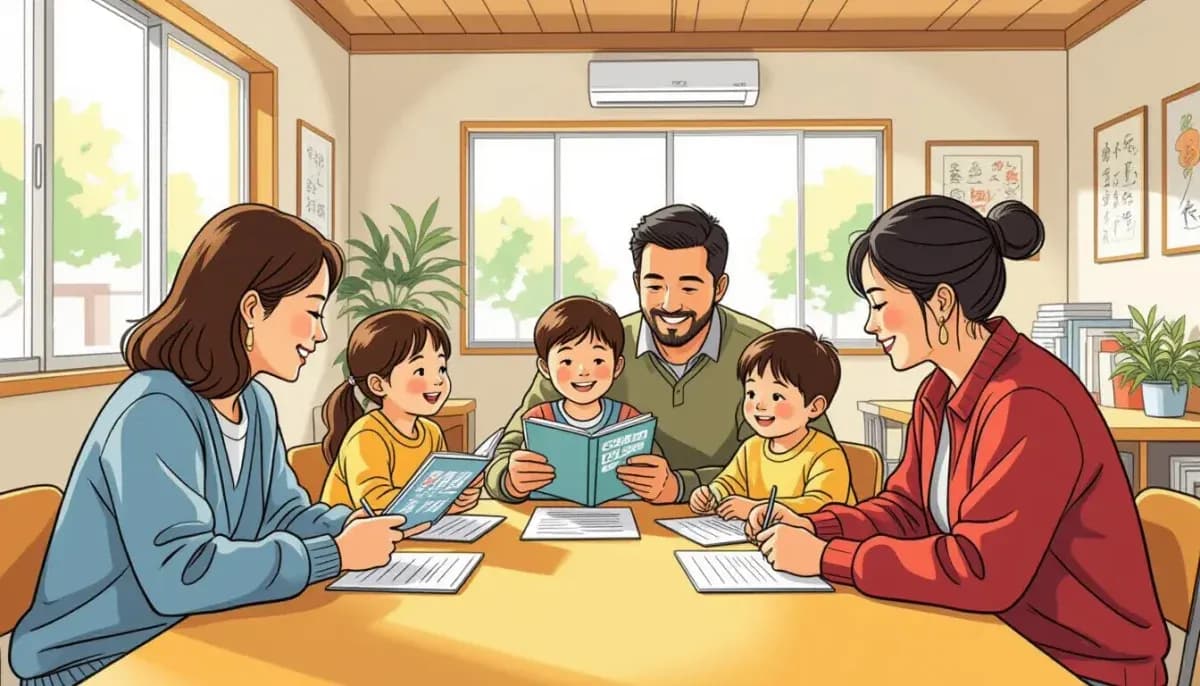
Community Groups for Heritage Language Practice in Japan
Discover the best community groups, Saturday schools, and online resources for heritage language practice in Japan. A practical guide for multilingual and bilingual families raising children in Japan.
Read more →