
Heritage Language Schools and Saturday Schools in Japan

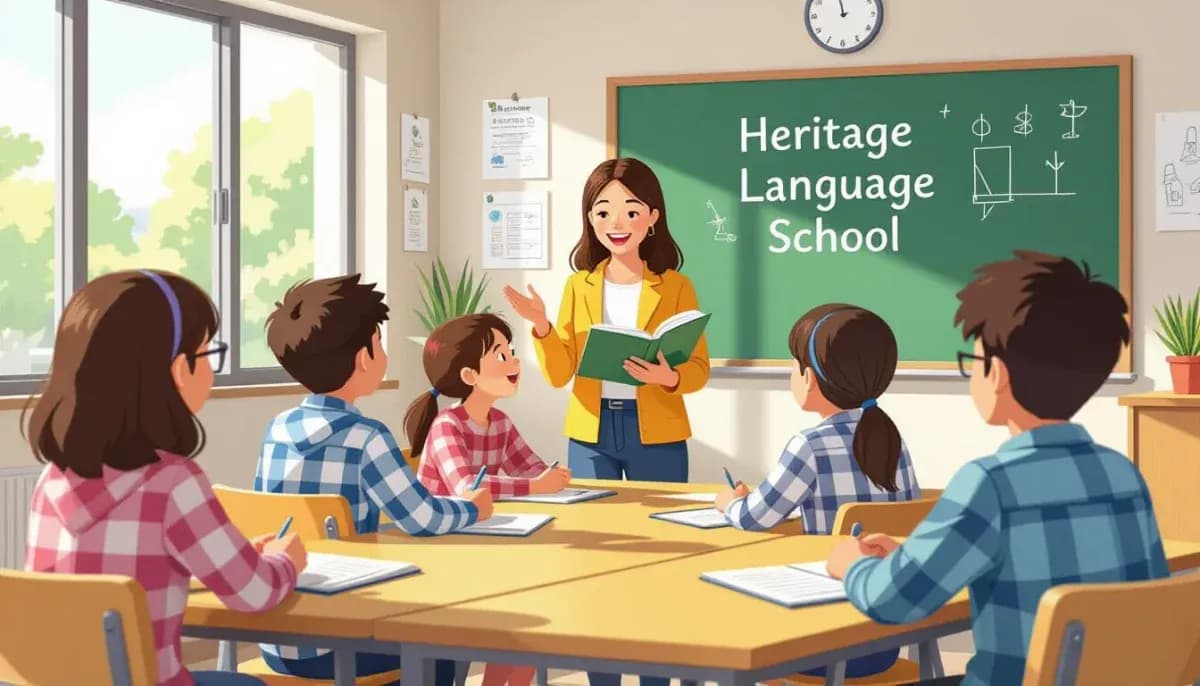
A complete guide to heritage language schools and Saturday schools in Japan for expat families. Find programs, enrollment steps, costs, and strategies to raise bilingual children in Japan.
Heritage Language Schools and Saturday Schools in Japan: A Complete Guide for Expat Families
If you are raising children in Japan as a foreign parent, one of the most important — and often overlooked — challenges is keeping your child connected to their heritage language. Japan is an immersive Japanese-language environment, and without deliberate effort, children can quickly lose fluency in their parent's native tongue. Heritage language schools and Saturday schools offer a structured solution, providing supplemental instruction in mother-tongue languages alongside regular Japanese schooling.
This guide covers everything you need to know: what heritage language schools are, how Saturday schools work, where to find them, how to enroll, and practical strategies to maximize your child's bilingual development while living in Japan.
What Are Heritage Language Schools?
Heritage language schools — known in Japan as 母語教室 (bogo kyooshitsu), or "mother tongue classrooms" — are community-run programs designed to help children of immigrant or expat families maintain and develop their home language. They operate mostly on weekends, often in community centers, local public halls, or international school facilities.
These schools serve children who use Japanese as their primary language at school but have a different language spoken at home. The goal is not to replace Japanese education but to supplement it with structured instruction in the heritage language — reading, writing, and cultural context that parents alone may struggle to provide consistently.
The most common heritage languages taught in Japan include:
- Portuguese (Brazilian and Portuguese communities)
- Chinese (Mandarin and Cantonese)
- Korean
- Spanish (Latin American communities)
- Vietnamese
- Filipino/Tagalog
- English (for many Western expat families)
According to research data, about 1 in 50 babies born in Japan between 2000 and 2021 had a non-Japanese parent, meaning a significant and growing population of bicultural children needs exactly this kind of support.
Saturday Schools: The Most Common Format
The most widespread format for heritage language education in Japan is the Saturday school — a weekly half-day or full-day program held on Saturdays (or sometimes Sundays). These are sometimes called 補習授業校 (hoshū jugyō kō), meaning "supplementary school."
Historically, hoshūkō were established for Japanese nationals living abroad temporarily, to keep their children up to speed with the Japanese curriculum. The same concept has been adapted in reverse: foreign communities in Japan run their own Saturday programs to maintain their children's heritage language.
What Saturday Schools Typically Teach
- Reading and writing in the heritage language (literacy is a key focus)
- Conversation and oral skills (especially for younger children)
- Cultural education — festivals, history, customs of the home country
- Mathematics in the heritage language (to build academic vocabulary)
- Social connection with peers from the same cultural background
Most programs run for 2–4 hours per week on Saturdays, typically between 9:00 AM and 1:00 PM. Some larger programs also offer Sunday sessions or short intensive courses during Japanese school holidays.
Who Attends Heritage Language Schools?
Heritage language schools serve several overlapping groups:
| Student Type | Background | Primary Need |
|---|---|---|
| Bicultural children | Japanese-foreign parent households | Maintain parent's language |
| Temporary resident children | Company-transferred families | Stay on track with home curriculum |
| Permanent resident children | Long-term immigrant families | Cultural identity + literacy |
| International school students | Full expat families | Supplement English school with heritage language |
| Returnee children (kikokushijo) | Recently returned from abroad | Readjust to Japanese; maintain foreign language |
As of 2018, Japan had 59,094 foreign children enrolled in elementary school, 23,051 in junior high, and 9,614 in high school — numbers that have continued to grow. Of these children, approximately 80% spoke Portuguese, Chinese, Filipino, or Spanish as their mother tongue. Many of these families rely on weekend heritage schools as the primary vehicle for mother-tongue education.
Why Heritage Language Schools Matter
Research consistently shows that children who maintain strong heritage language skills gain cognitive, academic, and social advantages. However, in a monolingual environment like Japan, the practical reality is sobering: not many bicultural children grow up to become fully bilingual and biliterate without intentional educational support.
Key reasons heritage language schools matter for families in Japan:
1. Language attrition is real and fast. Children in Japan are surrounded by Japanese at school, in media, and with peers. Without regular exposure to the heritage language in a structured setting, passive comprehension gradually replaces active use — and eventually even passive comprehension erodes.
2. Literacy requires teaching. Parents can speak their language to children at home, but reading and writing in Portuguese, Korean, or Chinese requires explicit instruction. Saturday schools fill this gap.
3. Cultural identity matters. Heritage language is deeply tied to cultural identity. Children who lose their heritage language often struggle later with a sense of belonging — feeling "too foreign" in Japan but disconnected from their parents' home culture. Heritage schools create a community where children can explore both identities.
4. Future opportunities. Bilingualism opens doors: university study abroad, career paths, family communication with grandparents and extended family. Investing in heritage language education during childhood pays dividends for decades.
For deeper strategies on raising bilingual children in Japan, see our guide: Raising Bilingual Children in Japan: Strategies and Tips.
How to Find Heritage Language Schools in Japan
Heritage language schools vary significantly by region and language community. Here is how to locate programs near you:
By Language Community
Portuguese/Brazilian: The Brazilian community in Japan — concentrated in Aichi, Shizuoka, and Gunma prefectures — has some of the most developed heritage education networks. The Consulate General of Brazil in Nagoya and Tokyo maintains lists of community schools. Brazilian community centers (centros comunitários) often host Saturday programs.
Chinese: Chinese Saturday schools are particularly active in Yokohama's Chinatown and in Tokyo. Organizations such as the Yokohama Overseas Chinese Association and community temples often coordinate programs. Both Mandarin and Cantonese programs exist.
Korean: Korean community schools (民族学校, minzoku gakkō) have operated in Japan for decades. The Korean Residents Union (Mindan) and the General Association of Korean Residents (Chongryun) both operate educational programs, including Saturday and Sunday schools.
Spanish/Latin American: Latin American communities in Japan, particularly in industrial cities like Hamamatsu, Toyota, and Ōta, organize Spanish-language Saturday schools often in collaboration with consulates.
English: For English-speaking expat families, some international schools offer part-time or Saturday enrollment programs. Additionally, many church communities — particularly American and Australian expat churches — organize informal English Saturday schools.
Online Directories and Resources
- CLAIR (Council of Local Authorities for International Relations): Publishes regional guides for foreign residents including community school directories
- Local municipal international centers (国際交流センター): Every major city has one; they maintain lists of community programs
- Embassy and consulate websites: Most embassies in Tokyo list heritage language programs for their nationals
- Facebook groups: Search for "[your language] community Japan" — many active groups share school information
For information on broader educational options in Japan, the guide at Japan Handbook's international schools page provides useful context on the full spectrum of educational choices.
Enrollment Process: What to Expect
Enrolling in a heritage language school is generally more informal than enrolling in a regular Japanese school or international school, but the process still requires some preparation.
Step 1: Find the right program. Use community networks, embassy listings, or municipal international centers to identify programs in your area. Visit or contact at least 2–3 options.
Step 2: Assess your child's level. Many programs have level assessments to place children appropriately. Be honest about your child's current speaking and literacy level — there is no shame in starting at a beginner level.
Step 3: Prepare documentation. Most programs ask for:
- Child's name, date of birth, nationality
- Parent contact information
- Current school and grade level
- Simple statement of language background
Unlike Japanese public schools, most heritage schools do not require residency certificates, insurance cards, or formal visa documentation.
Step 4: Understand the commitment. Saturday schools require regular attendance to be effective. Discuss with your child that this is a consistent commitment, not optional. Children who attend sporadically make little progress and often disengage.
Step 5: Get involved as a parent. Many heritage schools are volunteer-run and depend on parent support for teaching, administration, and fundraising. Parent involvement also models to children that the heritage language is valued.
For context on how Saturday school attendance fits into Japan's broader education calendar, see our guide: Elementary School in Japan: A Complete Guide for Foreign Parents.
Costs and Financial Considerations
Heritage language schools are generally much more affordable than international schools or formal language tutoring. Here is a typical cost breakdown:
| Program Type | Typical Monthly Cost | Notes |
|---|---|---|
| Volunteer community Saturday school | Free – ¥3,000/month | Donation-based or minimal fee |
| Organized community Saturday school | ¥3,000 – ¥8,000/month | Includes materials |
| NGO/church-affiliated program | ¥2,000 – ¥5,000/month | Often sliding scale |
| Private heritage tutoring | ¥5,000 – ¥15,000/month | 1-on-1 or small group |
| International school part-time | ¥20,000 – ¥80,000/month | More structured; limited spots |
For comparison, Japanese public schools are essentially free (as of April 2025, high school tuition is also free for all income levels), and early childhood education is subsidized at ¥25,700/month for children ages 3–5.
If finances are a concern, check with your local municipal international center — some cities offer subsidies or free mother-tongue education programs. For full financial planning guidance, see: Financial Planning for Expat Families Raising Children in Japan.
For more detail on education costs generally, the Living in Nihon education fund guide is an excellent resource: Education Fund Planning for Children in Japan.
Making the Most of Heritage Language Education
Attending Saturday school is only one part of effective heritage language maintenance. Here are strategies to reinforce learning throughout the week:
At home:
- Establish a consistent "heritage language time" — meals, bedtime reading, weekend outings
- Read books, watch movies, and listen to music in the heritage language
- Encourage video calls with grandparents or cousins in the home country
In the community:
- Attend cultural festivals and events organized by your community
- Connect with other bicultural families for playdates in the heritage language
- Visit the home country regularly when possible
Reinforcing Saturday school learning:
- Review Saturday school homework together during the week
- Ask children to teach you what they learned — teaching reinforces retention
- Celebrate progress: acknowledge when children read a new book or write their first letter in the heritage language
For broader guidance on language teaching approaches, see: Teaching Japanese to Foreign Children: Methods and Resources.
Challenges and How to Address Them
Heritage language education in Japan faces real challenges. Understanding them helps you navigate them better.
Challenge 1: Motivation and resistance. Children often resist Saturday school — they would rather rest, play, or spend time with Japanese classmates. The common complaint is that it feels like "extra school." Address this by framing heritage language as a superpower, not a burden. Connect it to real-world rewards: talking to grandparents, watching videos without subtitles, future career opportunities.
Challenge 2: Inconsistent attendance. Missing weeks disrupts progress and community bonds. Treat Saturday school attendance as non-negotiable — on par with regular school attendance.
Challenge 3: Limited teacher training. Many heritage schools rely on volunteer parents who love the language but lack formal teaching experience. Supplement with structured workbooks, online learning platforms, and professional tutors if needed.
Challenge 4: Mixed ability levels. Classes often combine children with very different proficiency levels. Communicate clearly with teachers about your child's level and ask for differentiated support if needed.
Challenge 5: Geographic distance. In rural areas, Saturday schools may not exist nearby. Consider online heritage language programs, which have grown significantly in quality and availability in recent years.
The Japan Times noted in 2024 that bilingual education is on the rise in Japan (read the article), reflecting growing recognition of the importance of multilingual development — a positive trend for heritage language support infrastructure.
Additional Resources for Foreign Families in Japan
For comprehensive support navigating your child's education in Japan:
- Living in Nihon — Education Fund Planning: Education savings and costs for families in Japan
- For Work in Japan — Teaching Resources: Information for educators including Japanese teaching certification: Japanese Teacher Certification Guide
- Chuukou Benkyou: Resources for middle and high school students studying in Japan: chuukoubenkyou.com
- Global From Asia — School Options: Comprehensive overview of all school types for international families: School Options in Japan
For related topics, explore these guides:
- The Complete Guide to the Japanese Education System for Foreign Families
- Heritage Language Maintenance for Children in Japan
- Cultural Identity for Hafu and Mixed-Race Children in Japan
- International Schools in Japan: The Definitive Guide
Conclusion
Heritage language schools and Saturday schools are one of the most valuable investments you can make in your child's future while living in Japan. The evidence is clear: without structured support, children lose their heritage language faster than most parents expect. Saturday schools provide not only language instruction but community, cultural pride, and bilingual identity.
The good news is that options are available across Japan for most major language communities, and costs are generally accessible. The key is to start early, commit consistently, and weave heritage language learning into everyday family life — not just limit it to Saturday mornings.
Your child's bicultural identity is a strength. Heritage language schools help make sure they grow up knowing how to use it.

Originally from Vietnam, living in Japan for 16+ years. Graduated from Nagoya University, with 11 years of professional experience at Japanese and international companies. Sharing practical information for foreign parents raising children in Japan.
View Profile →Related Articles

Heritage Language and Cultural Identity Connection
How to maintain your heritage language and build cultural identity for children in Japan. Practical strategies for multicultural families navigating bilingualism and dual identity in Japan.
Read more →
Summer Trips Abroad for Heritage Language Immersion
Discover how summer trips abroad can powerfully boost your child's heritage language in Japan. Research-backed strategies, program types, and planning tips for expat families.
Read more →
How to Assess Your Child's Heritage Language Level
Learn practical methods to assess your child's heritage language proficiency level in Japan. Includes home tests, formal assessments, proficiency frameworks, and action steps for bilingual families.
Read more →
Balancing Japanese and Heritage Language Time
Learn how to balance Japanese and heritage language time for your children in Japan. Practical strategies, daily routines, and time allocation frameworks for bilingual families.
Read more →
Heritage Language Books and Media Resources for Kids
Discover the best heritage language books and media resources for kids in Japan. From classic Japanese picture books to streaming shows and apps, help your child stay connected to their mother tongue with our curated guide for bilingual families.
Read more →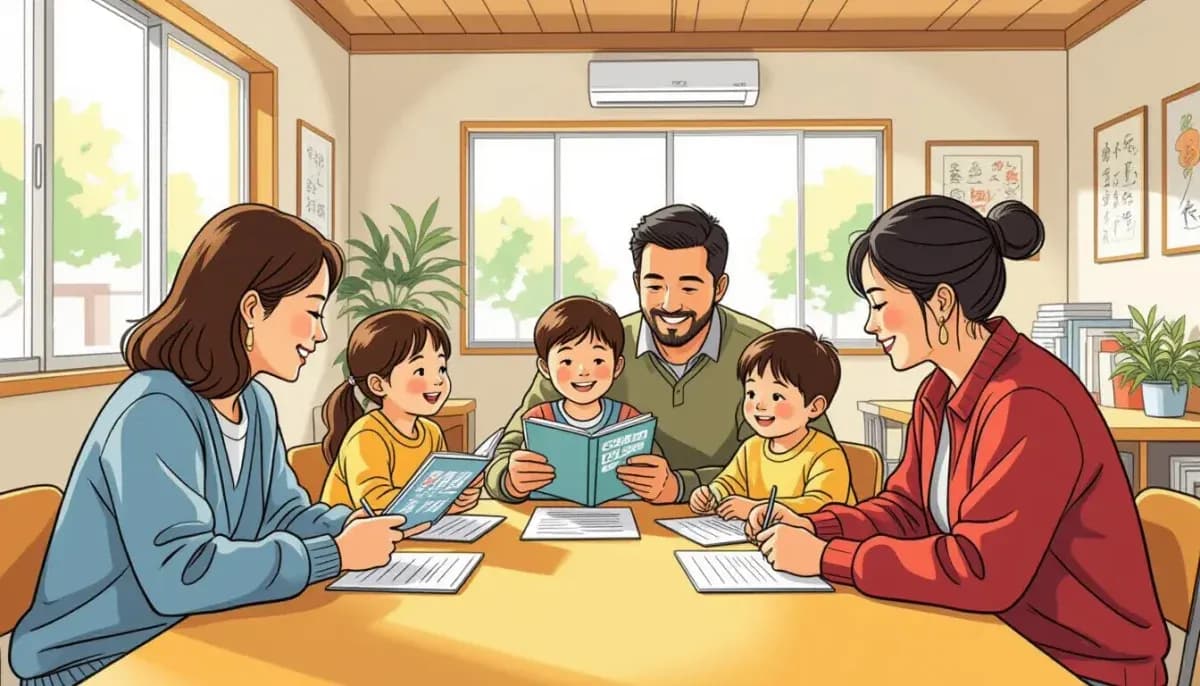
Community Groups for Heritage Language Practice in Japan
Discover the best community groups, Saturday schools, and online resources for heritage language practice in Japan. A practical guide for multilingual and bilingual families raising children in Japan.
Read more →