
Combating Social Isolation and Loneliness in Expat Kids

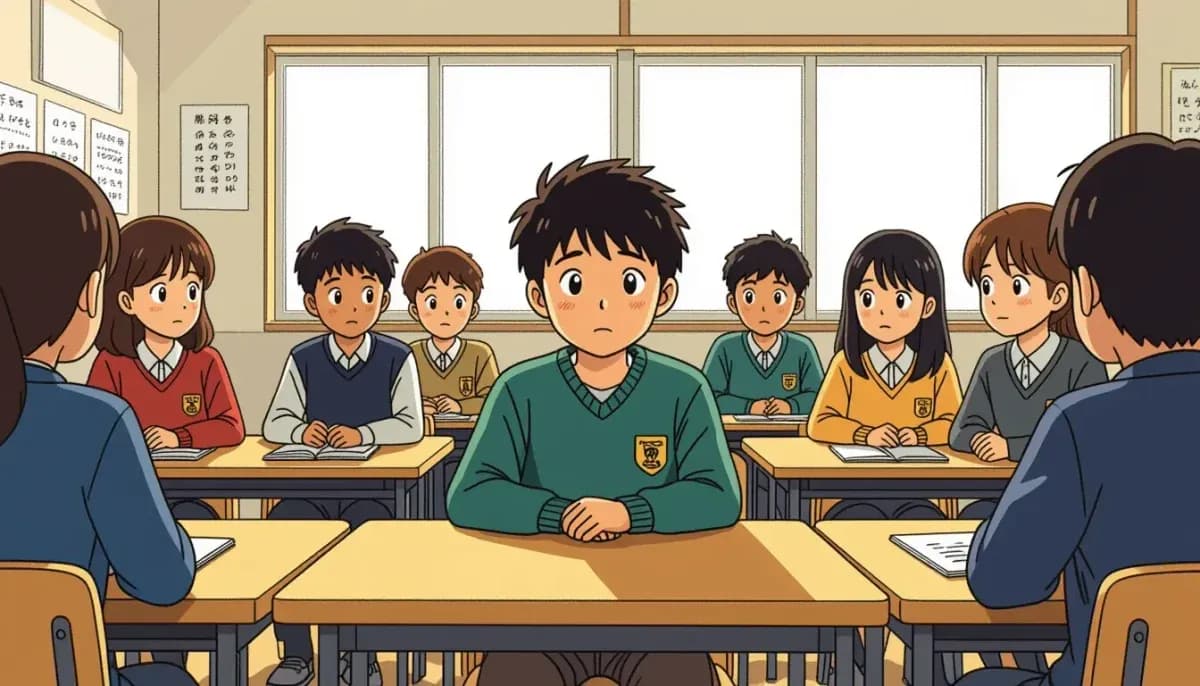
Practical guide to helping expat children overcome social isolation and loneliness in Japan. Covers warning signs, strategies, resources, and research-backed advice for foreign families.
Combating Social Isolation and Loneliness in Expat Kids in Japan
Moving to Japan with children is an exciting adventure — but it often comes with an emotional cost that parents don't always anticipate. Social isolation and loneliness are among the most common and difficult challenges expat kids face, especially in a country where language barriers, cultural differences, and tightly-knit social structures can make it hard for foreign children to find their footing. This guide offers evidence-based strategies, real-world tips, and practical resources to help your child build meaningful connections and thrive socially in Japan.
Why Expat Kids in Japan Are Especially Vulnerable to Loneliness
Japan presents a uniquely challenging social environment for foreign children. Unlike many multicultural cities, many Japanese schools and neighborhoods remain relatively homogeneous, and social norms around friendship and inclusion are deeply rooted in shared language, culture, and unspoken behavioral codes.
Research highlights just how significant this challenge can be. A large-scale 2021 study published in PMC, covering over 40,000 elementary and junior high students in a major Japanese city, found that children who use foreign languages at home had measurably worse mental health outcomes than their Japanese-speaking peers. Notably, bilingual children (speaking both a foreign language and Japanese at home) showed the worst outcomes of all — with only 56% scoring in the "normal" range on depression and anxiety measures, compared to 72.1% for Japanese-only speakers. This data underscores a paradox: even children who are actively integrating linguistically can experience heightened stress during the process.
The broader Japanese social context adds another layer. According to OECD data, approximately 10% of Japanese people have no social interaction outside their immediate family — one of the highest rates among developed nations. UNICEF has ranked Japanese children as the most physically healthy in the world, yet simultaneously the lowest in mental well-being. These national trends affect the social environment that expat kids are trying to enter.
Japan took formal notice of this problem when it appointed its first Minister for Loneliness and Isolation in 2021, following a surge in suicide rates — suicide remains the leading cause of death for people aged 15–39 in Japan. For expat families, understanding this social backdrop is essential to helping children navigate it.
For more on supporting your child's emotional health in Japan, see our guide on Mental Health and Emotional Wellbeing for Foreign Children in Japan.
The Main Causes of Social Isolation for Expat Children
Understanding what drives loneliness in expat kids helps parents intervene more effectively. The causes are rarely simple — they tend to be layered and mutually reinforcing.
Language barrier is the most commonly cited factor. Without Japanese, children struggle to participate in classroom conversations, understand social cues, and join peer groups during breaks and after school. According to expat families surveyed in Japan, language isolation can be profound even for children who speak fluent English, simply because their Japanese peers lack the confidence or opportunity to speak English with them. For strategies on language learning, see our guide on Teaching Japanese to Foreign Children.
Cultural unfamiliarity plays an equally important role. Japanese school culture operates on deeply internalized norms — from the way children clean classrooms together (soji) to unspoken rules about group belonging and hierarchy. Foreign children often don't know these rules, which can inadvertently lead to exclusion.
Ijime (いじめ), or bullying, is a well-documented risk for expat children in Japanese schools. Expat.com describes ijime as "the scourge of national education in Japan," affecting both students and adults. Children who are visibly different — whether through appearance, language, or behavior — can become targets. Parents should be alert to signs of bullying early and communicate proactively with teachers.
Separation from extended family and support networks compounds the isolation. Without grandparents, cousins, and long-time friends nearby, children lose the informal social scaffolding that normally supports their development. Video calls help, but they don't replace in-person connection.
Parental isolation matters too. When parents — especially primary caregivers — are socially isolated themselves, children lose access to the social opportunities that come through adult networks. A parent who cannot read school notices, attend PTA meetings, or chat with other parents in the park is inadvertently limiting their child's social exposure.
Practical Strategies to Help Your Child Build Social Connections
The good news is that many expat families have successfully navigated these challenges, and there are proven approaches to building a fulfilling social life in Japan.
Enroll in extracurricular activities (bukatsu and community clubs). Sports teams, music lessons, art classes, and after-school clubs provide structured, low-pressure environments for children to bond over shared interests. In these settings, children don't need perfect language skills to connect — a shared love of soccer or painting crosses language barriers effectively. Many local wards and city sports clubs actively welcome foreign children.
Use Jidokan (児童館) — community children's centers. These publicly funded centers are found throughout Japan and offer free or low-cost indoor play spaces, events, and activities for children under 18. Jidokan are particularly valuable for younger children and provide a casual setting where both children and parents can meet local families. They're an underutilized resource among expat families.
Connect through international schools and mixed-nationality playgroups. Even if your child attends a local Japanese school, joining weekend international playgroups or community activities through international schools can give them a peer group that shares the expat experience. Facebook groups like "Expat Parents in Tokyo" or "Tokyo International Mamas" often organize regular meetups.
Learn Japanese together as a family. When children see their parents actively learning Japanese — attending classes, trying to speak at shops, making mistakes and laughing about it — it normalizes the struggle and builds resilience. Language classes for adults at local community centers are often inexpensive and offer another opportunity for social connection.
Be proactive with the school. Before enrollment, meet with the homeroom teacher and principal to discuss your child's background, any concerns about integration, and how the school will support them. Ask about buddy systems or peer mentor programs (some schools have these for new students). Maintaining open communication throughout the year helps you catch problems early.
For a deeper look at school integration, see our guide to Elementary School in Japan for Foreign Parents.
Building Your Support Network as a Parent
Children are more socially resilient when their parents are socially connected. As The Tokyo Chapter notes, building your local "tribe" — mapping out parks, doctors, shops, restaurants, and community centers in your area — creates the foundation for a richer family social life.
Join expat parent communities. Groups like InterNations, Tokyo American Club, and various Facebook communities for expat parents provide both information and social connection. The Tokyo Chapter recommends Facebook groups like "Domestic Help in Tokyo" for practical support, but they double as networking opportunities.
Attend local events and matsuri (festivals). Japan's rich calendar of neighborhood festivals, school sports days, and community events are natural opportunities for social mixing. Attending with your children signals a genuine interest in local culture and often opens doors that stay closed to families who remain in expat bubbles.
Maintain connections back home. Video calls via FaceTime or WhatsApp, private family Facebook groups, and digital photo sharing help children maintain bonds with grandparents and friends abroad. These connections provide emotional security that makes it easier to take social risks locally.
Seek professional support when needed. If loneliness persists or your child shows signs of depression or anxiety, professional help is available. TELL (Tokyo English Lifeline) provides 24/7 anonymous counseling in English and is the primary mental health resource for the English-speaking community in Japan. Tokyo Counseling Services and other bilingual therapists can also support children dealing with relocation stress.
For more on resources available to foreign families, see our comprehensive guide on Government Benefits and Subsidies for Families in Japan.
Warning Signs: When Loneliness Is Becoming a Serious Problem
Most children experience periods of loneliness when moving to a new country — this is normal and expected. However, there are signs that indicate loneliness has moved beyond typical adjustment and requires more active intervention.
| Warning Sign | What It May Indicate | Action to Take |
|---|---|---|
| Persistent reluctance to go to school | Severe social anxiety or bullying | Speak with the teacher; consider counseling |
| Withdrawal from family activities | Depression or emotional shutdown | Professional mental health support |
| Regressive behavior (bed-wetting, clinginess) | Anxiety, overwhelm, grief | Reassurance, routine, and possibly therapy |
| Complaints of physical symptoms (stomachaches, headaches) | Psychosomatic stress response | Doctor check + emotional support conversation |
| Loss of interest in previously enjoyed activities | Depressive symptoms | Pediatric mental health referral |
| Anger outbursts and irritability | Frustration and helplessness | Structured social outlets + therapy if persistent |
| Excessive screen time and social withdrawal | Avoidance coping | Gradual, structured exposure to social activities |
If you observe several of these signs together, or if they persist for more than 4–6 weeks, consult a professional. The immigrant paradox — where children who initially appear to be coping well experience a delayed mental health decline as they acculturate — means that children who seemed "fine" in early months can struggle more later. Stay attentive over the long term, not just at arrival.
Helping Older Children and Teenagers with Loneliness
Teenagers face a particularly acute version of expat loneliness. Adolescent social dynamics anywhere are intense — add the complexity of navigating a new language and culture during the most socially sensitive years of development, and the challenge can feel overwhelming.
Teenage expats in Japan often describe a frustrating in-between experience: not fluent enough to participate fully in Japanese peer groups, but also feeling distanced from their home-country friends who are having experiences they're not sharing. This "third culture kid" experience — belonging fully to neither culture — is widely documented among expat children.
Practical approaches for teenagers:
- Language exchange partnerships (kaiwa partner): Many Japanese high school and university students want to practice English. Connecting your teenager with a language exchange partner creates genuine, equal-footed relationships built on mutual benefit.
- Online communities for third culture kids (TCKs): Organizations like TCKid and the Global Nomads Group provide peer support and community for young people who have grown up in multiple countries.
- Part-time work or volunteering: For older teenagers, part-time work at a bilingual or international business, or volunteering with organizations like ALMA (Animal and Life with Me Association), provides both social connection and a sense of purpose.
- Nomikai culture: Japanese social bonding often happens through group activities like after-school clubs (bukatsu) and group outings. Encouraging your teenager to participate in these — even imperfectly — builds real friendships over time.
For more on supporting teenagers, see our guide on High School in Japan: Options and Guidance for Foreign Families.
Resources for Expat Families Dealing with Loneliness in Japan
You don't have to navigate this alone. Here are the key resources:
- TELL (Tokyo English Lifeline): 24/7 anonymous counseling in English. The most important mental health resource for English speakers in Japan. Available at tellJapan.org.
- Living in Nihon: A comprehensive resource for expats living in Japan, covering practical guides and community support. Visit Living in Nihon for useful expat resources.
- For Work in Japan: Practical guidance for foreigners working and living in Japan. For Work in Japan offers helpful information for expat families navigating daily life.
- Chuukou Benkyou: A valuable resource for families navigating Japanese education. Visit Chuukou Benkyou for education-related guidance.
- Savvy Tokyo: Excellent English-language resource with practical tips for foreigners, including 5 tips to get through the solo foreigner blues.
- Expat.com Japan Family Guide: Child care and family integration in Japan — practical guidance from experienced expat families.
- The Tokyo Chapter: Moving to Tokyo with kids — parent-written insights on building community in Japan.
- Japan Child Guidance Centers (Jidō Sōdanjo): Available in every prefecture, these centers offer support for children with emotional or behavioral concerns. Services are free.
- InterNations Japan: A global expat community with active local groups in Tokyo, Osaka, and other cities — good for parent networking.
For a broader overview of raising children in Japan as a foreign parent, see our Complete Guide to the Japanese Education System for Foreign Families and our guide on Cultural Identity for Hafu and Mixed-Race Children in Japan.
Social isolation is real, it's serious, and it doesn't resolve on its own without active support. But expat children in Japan who receive the right kind of support — emotionally attuned parents, social opportunities, and professional help when needed — often emerge from the experience with extraordinary qualities: adaptability, cultural empathy, multilingual skills, and a global perspective that serves them for life. The challenges are real, but so is the potential.

Originally from Vietnam, living in Japan for 16+ years. Graduated from Nagoya University, with 11 years of professional experience at Japanese and international companies. Sharing practical information for foreign parents raising children in Japan.
View Profile →Related Articles
Positive Psychology Approaches for Multicultural Children
Discover evidence-based positive psychology approaches to help multicultural children in Japan thrive — building bicultural identity, resilience, language confidence, and emotional wellbeing.
Read more →
How Parental Stress Affects Children in Expat Families
Learn how parental stress transmits to children in expat families in Japan, warning signs to watch for, and proven strategies to protect your children's emotional wellbeing.
Read more →
When to Seek Professional Help for Your Child in Japan
A complete guide for foreign parents on warning signs, types of professionals, and how to access mental health, developmental, and behavioral support for your child in Japan.
Read more →
Mindfulness and Relaxation Techniques for Children
Discover effective mindfulness and relaxation techniques for children in Japan. From breathing exercises to Shinrin-yoku, help your child manage stress and thrive as an expat family.
Read more →
Emotional Support During Major Life Transitions
Navigating major life transitions in Japan as a foreigner? Discover emotional support strategies, English-language mental health resources, crisis lines, and community-building tips to help you and your family thrive through change.
Read more →
School-Related Stress and Coping Strategies for Kids
Practical guide to understanding and managing school-related stress for expat and foreign children in Japan. Learn warning signs, coping strategies, and how parents can help their kids thrive in the Japanese school system.
Read more →