
Emotional Support During Major Life Transitions


Navigating major life transitions in Japan as a foreigner? Discover emotional support strategies, English-language mental health resources, crisis lines, and community-building tips to help you and your family thrive through change.
Emotional Support During Major Life Transitions in Japan
Moving to Japan, starting a family, changing careers, or navigating cultural shifts — major life transitions are among the most emotionally demanding experiences any person can face. For foreigners in Japan, these transitions carry an extra layer of complexity: you are adapting not just to personal change, but to a new culture, language, and social system simultaneously.
Research confirms this is a real challenge. Studies show that adjusting to life in Japan can increase the risk of depression by up to sevenfold for international migrants. Yet with the right emotional support strategies, expats and foreign families across Japan are building resilient, fulfilling lives. This guide covers how to find emotional support, build community, and navigate the psychological dimensions of major life transitions in Japan.
Why Life Transitions Hit Harder in Japan
Life transitions are universally stressful — but expats in Japan face a unique set of compounding challenges:
Language isolation: Difficulty communicating in Japanese was identified as the #1 barrier to mental well-being in a systematic review of 55 studies covering over 8,600 international migrants to Japan. Without language access, even simple tasks like booking a doctor's appointment or asking a neighbor for help become emotionally taxing.
Social status loss: Many foreigners experience what researchers call "social defeat" — arriving in Japan after having an established career, social network, and identity in their home country, only to feel reduced to beginner status. This is especially common among trailing spouses who followed a partner's work visa.
Support network disruption: A PMC systematic review found that social and support networks are the single strongest protective factor for expat mental well-being, cited as statistically significant in 25 separate studies. When you leave your country, you leave your network — and rebuilding it takes time.
Cultural expression gaps: Expats from Asian and African backgrounds may express emotional distress through physical symptoms (headaches, stomach pain, fatigue) rather than psychological language, which can lead to underdiagnosis or misdiagnosis by Japanese medical providers unfamiliar with this presentation.
Understanding these dynamics is the first step. Transitions are hard — they're supposed to be. But support exists, and knowing where to find it changes everything.
Common Major Life Transitions for Foreigners in Japan
Not all life transitions look the same. Here are the most common ones foreign residents navigate in Japan:
| Life Transition | Common Emotional Challenges | Key Support Needs |
|---|---|---|
| Arriving in Japan | Culture shock, isolation, overwhelm | Community, language classes, orientation |
| Having a baby | Identity shift, lack of extended family | Postpartum support, expat parent groups |
| Children starting school | Anxiety about language gap, peer integration | School communication, bilingual resources |
| Career change or job loss | Identity disruption, financial stress | Career counseling, financial planning |
| Spouse working long hours | Loneliness, single-parent burden | Peer support, flexible childcare |
| Preparing to leave Japan | Grief, reverse culture shock preparation | Transition counseling, exit planning |
| Divorce or family breakdown | Legal complexity, social stigma | Legal aid, counseling, community |
Each of these transitions involves grief — even joyful changes like having a child involve the loss of a previous identity. Recognizing the emotional weight of each transition, rather than dismissing it as "just part of expat life," is essential to moving through it in a healthy way.
If your family is navigating school transitions, our guide on elementary school in Japan for foreign parents covers the emotional and practical landscape in detail.
Building Your Emotional Support System in Japan
1. Start With Community Before Crisis
The most consistent finding in expat mental health research is this: build your community before you need it. Reaching out when you are already in crisis is much harder than maintaining connections built during calmer times.
Practical steps to build community in Japan:
- Join expat Facebook groups for your city or prefecture (Tokyo Expats, Osaka International Community, etc.)
- Attend international events at community centers (国際交流センター) in your area
- Connect through your children's school — school events, PTA, and international parent groups
- Religious communities — international churches, mosques, temples, and synagogues often serve as community hubs for foreigners
- Sports and hobby clubs — running clubs, volleyball leagues, and language exchange meetups bridge cultural divides
- Neighborhood associations (自治会) — joining your local jichikai connects you to the broader community even with limited Japanese
Research consistently shows that living with family (versus alone) and having strong job satisfaction are protective factors. If you live alone, be especially intentional about community-building.
2. Seek Professional Mental Health Support Early
Japan's mental health system has improved significantly, but barriers remain. Here is what you need to know:
Under National Health Insurance (NHI), visits to a psychiatrist (精神科医) are covered, with a copay of 10–30%. This is the most affordable route. However, most psychiatrists in Japan conduct sessions in Japanese.
Private psychologists and counselors who work in English typically charge ¥5,000–¥15,000 per session. This is not covered by NHI but is more accessible for foreign residents.
Key English-language mental health providers in Japan:
- TELL Japan — The primary English-language mental health organization for the international community in Japan. Offers crisis lifeline, individual counseling, and employee assistance programs. Offices in Tokyo and Okinawa; distance counseling available nationwide. Learn more at TELL Japan
- GaijinPot Health — A resource hub for English-speaking mental health services in Japan. Explore GaijinPot Health mental health resources
- Japan Living Guide — Maintains a directory of English-speaking therapists and mental health professionals. Browse the therapist directory
- E-Housing Mental Health Guide — Practical overview of mental health support options in Japan. Read the full guide at E-Housing
For a broader perspective on life in Japan as a foreigner, Living in Nihon offers practical guides and community resources across many aspects of expat life.
If you are supporting your children through emotional transitions, our companion article on mental health and emotional wellbeing for foreign children in Japan covers age-specific strategies.
3. Know Your Crisis Resources
If you or someone you know is in emotional crisis, these resources are available in Japan:
- TELL Lifeline (English): 03-5774-0992 — Available daily 9AM–11PM, weekends until 2AM
- Yorisoi Hotline (multilingual, 24/7): 0120-279-338
- Inochi SOS: 0120-061-338
Do not wait until crisis to locate these numbers. Save them in your phone today.
Navigating Culture Shock as Emotional Work
Culture shock is not just inconvenience — it is a genuine psychological process. The classic model describes four phases: honeymoon, frustration, adjustment, and adaptation. Most expats in Japan cycle through these phases more than once, particularly when a new transition (a new job, a new city, a new baby) resets the clock.
Strategies that help:
Normalize the feeling. Culture shock is not weakness — it is a predictable neurological response to an overloaded processing system. Naming it reduces its power.
Reduce decision fatigue. When everything around you is unfamiliar, even small decisions consume disproportionate mental energy. Simplify routines wherever possible during high-stress transition periods.
Stay connected to your home culture. Regular video calls with family and friends, cooking familiar foods, watching shows in your native language — these are not signs of failure to integrate. They are anchors.
Document your journey. Many expats find journaling or blogging about their experience to be deeply cathartic. The act of narrating your experience helps the brain process it.
For foreigners transitioning from student life to professional life in Japan, For Work in Japan's International Student to Professional guide addresses the emotional and practical dimensions of that specific transition.
Supporting Your Family Through Transitions Together
When the whole family is in transition, the emotional load multiplies. Parents under stress are less available to their children. Children who are struggling become harder to parent. The system can spiral quickly.
Protective strategies for families:
- Name the transition together. Children benefit enormously from having the family's experience explicitly acknowledged: "We are all adjusting to our new life in Japan, and that can feel hard sometimes. That's normal."
- Maintain family rituals. Consistent rituals — Friday movie nights, Sunday pancakes, monthly day trips — provide stability when everything else feels uncertain.
- Let children lead some choices. Giving children agency over small decisions (what to cook for dinner, which park to visit) reduces powerlessness during transitions they did not choose.
- Model emotional literacy. Name your own emotions in front of your children. "I felt frustrated today when I couldn't understand the school newsletter" teaches children that emotions are normal and nameable.
- Access school support. Many international schools and some Japanese public schools have counselors or special support teachers. Do not hesitate to request a meeting.
For parents navigating cultural identity questions with their children, Cultural Identity for Hafu and Mixed-Race Children in Japan offers nuanced guidance.
If you are in the early stages of starting a family in Japan, our article on pregnancy and giving birth in Japan as a foreign parent covers both the practical and emotional aspects of that transition.
Long-Term Emotional Wellbeing: Building Resilience in Japan
Transitions eventually resolve — but the skills you build during them last a lifetime. Foreigners who thrive long-term in Japan tend to share certain practices:
Acceptance of ambiguity. Japan rewards patience and indirect communication. Learning to tolerate ambiguity — in language, in social situations, in bureaucratic processes — builds a general capacity for resilience.
Bilingual emotional vocabulary. Learning Japanese emotional vocabulary (辛い tsurai for emotionally painful; 寂しい sabishii for lonely; 頑張る ganbaru for persevering with effort) helps you connect with Japanese friends and neighbors on a deeper level.
Regular self-assessment. Check in with yourself monthly: Am I eating and sleeping reasonably? Do I have at least one person I can be honest with? Am I finding meaning in daily life? If you answer "no" to any of these consistently, it is time to reach out.
Engaging with local life. Research on migrant mental health in Japan consistently finds that engagement with Japanese community life — not just the expat bubble — is associated with better long-term outcomes.
For families thinking about their long-term financial and practical stability in Japan, our guide to financial planning for expat families in Japan provides a grounded foundation.
For broader research on mental health and international migration to Japan, the PMC systematic review of international migrants' mental health in Japan is the most comprehensive academic source available.
For Japan-specific education and community resources for foreign families, Chuukou Benkyou offers resources focused on middle and high school transitions.
Conclusion: You Are Not Alone
Every foreign resident in Japan has moments of wondering whether they made the right choice. Every expat parent has nights of questioning whether they are giving their children what they need. These doubts are not signs of failure — they are signs that you are taking your life and your family's wellbeing seriously.
The research is clear: the foreigners who navigate major life transitions most successfully in Japan are not the ones who never struggle. They are the ones who build community, seek help early, and give themselves permission to find the process genuinely hard.
Japan is a country of extraordinary depth, beauty, and complexity. Navigating it through major life transitions is hard work — and it is worth it.
If you are at the beginning of your Japan journey, start with our comprehensive guide to the Japanese education system for foreign families for a practical foundation. And if you need support today, reach out to TELL Japan or one of the crisis lines listed above. You do not need to wait until things get worse.

Originally from Vietnam, living in Japan for 16+ years. Graduated from Nagoya University, with 11 years of professional experience at Japanese and international companies. Sharing practical information for foreign parents raising children in Japan.
View Profile →Related Articles
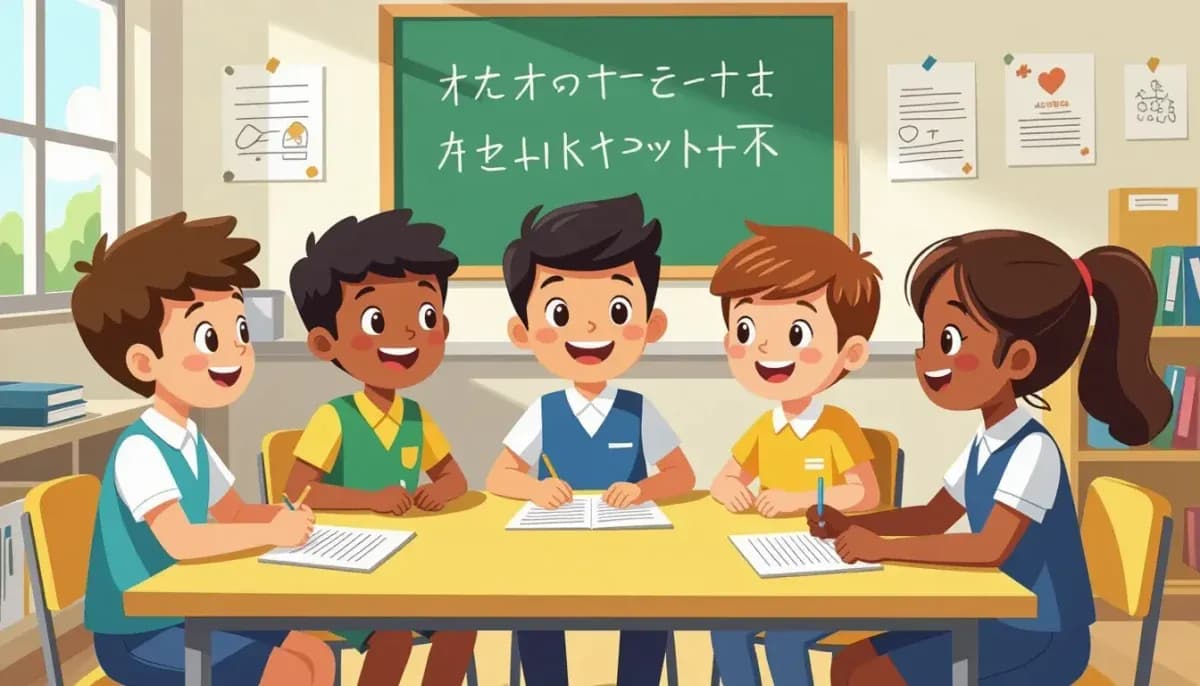
Positive Psychology Approaches for Multicultural Children
Discover evidence-based positive psychology approaches to help multicultural children in Japan thrive — building bicultural identity, resilience, language confidence, and emotional wellbeing.
Read more →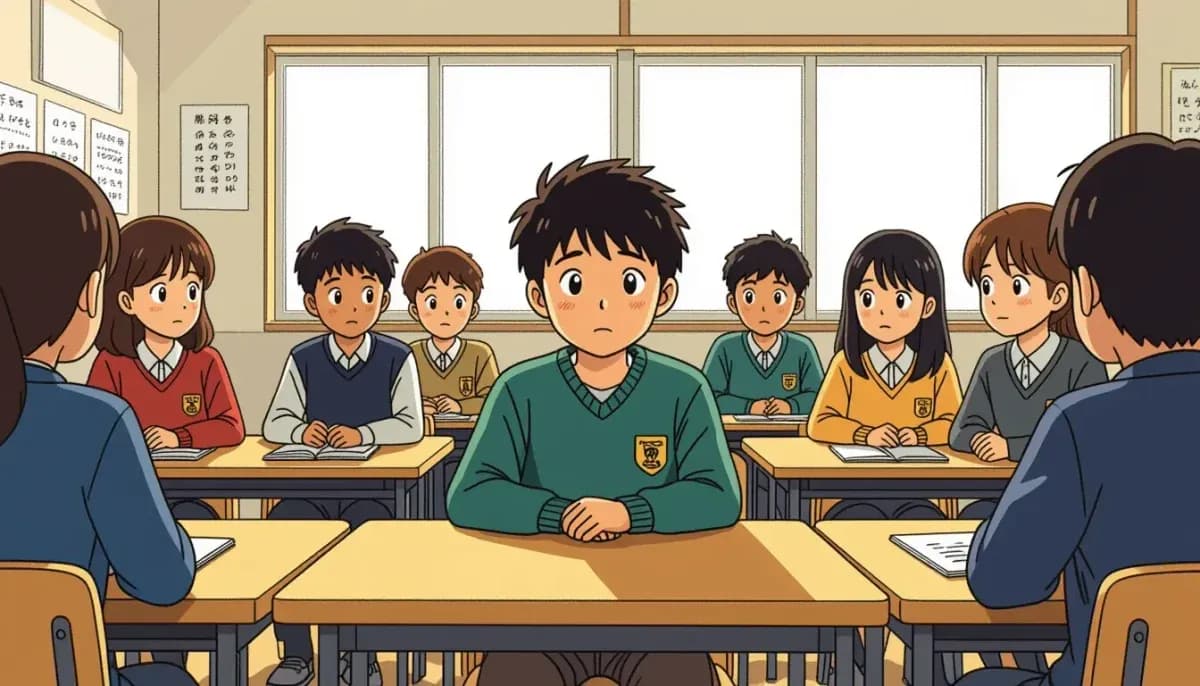
Combating Social Isolation and Loneliness in Expat Kids
Practical guide to helping expat children overcome social isolation and loneliness in Japan. Covers warning signs, strategies, resources, and research-backed advice for foreign families.
Read more →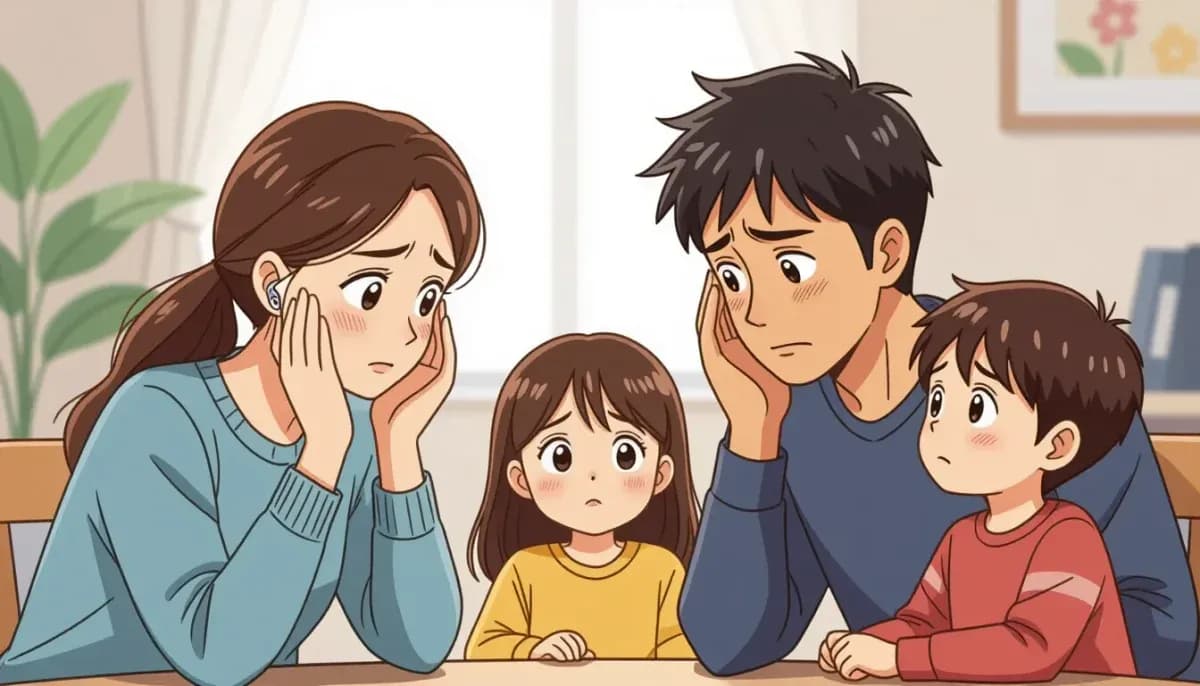
How Parental Stress Affects Children in Expat Families
Learn how parental stress transmits to children in expat families in Japan, warning signs to watch for, and proven strategies to protect your children's emotional wellbeing.
Read more →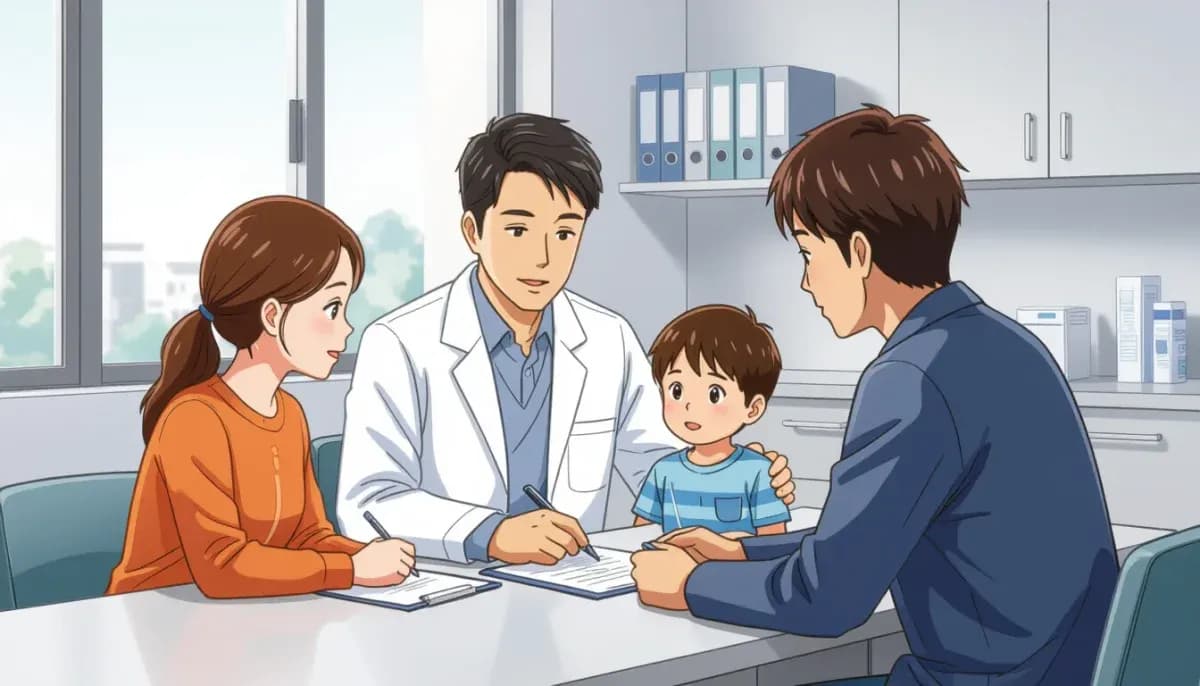
When to Seek Professional Help for Your Child in Japan
A complete guide for foreign parents on warning signs, types of professionals, and how to access mental health, developmental, and behavioral support for your child in Japan.
Read more →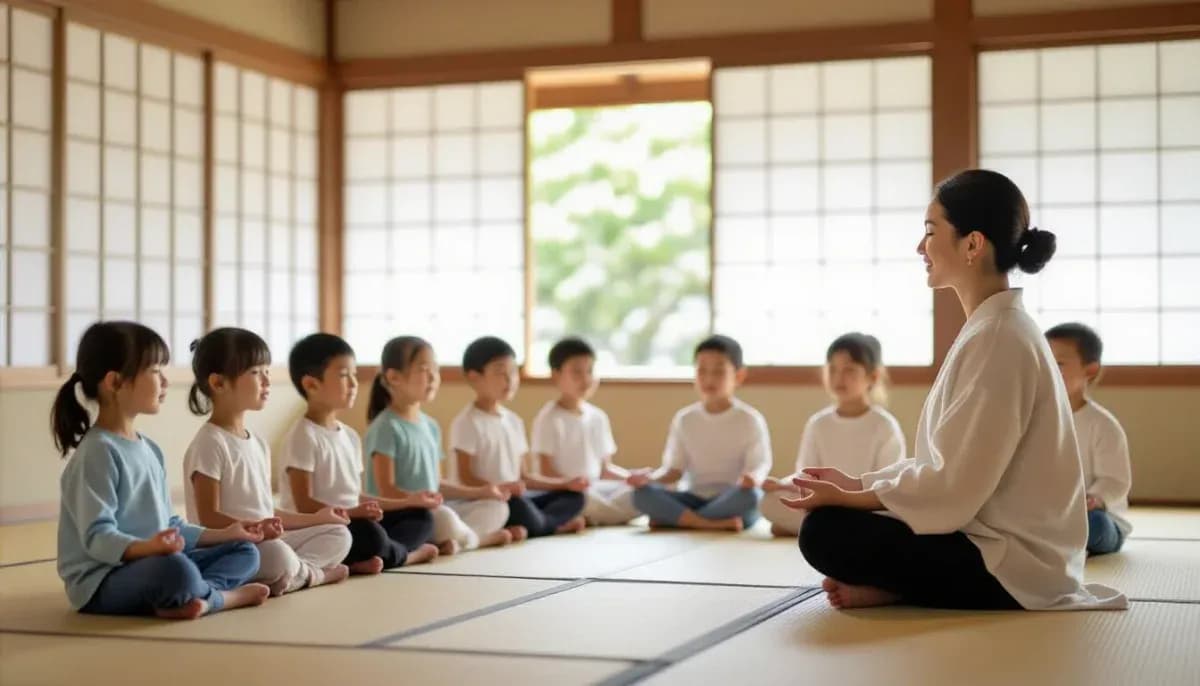
Mindfulness and Relaxation Techniques for Children
Discover effective mindfulness and relaxation techniques for children in Japan. From breathing exercises to Shinrin-yoku, help your child manage stress and thrive as an expat family.
Read more →
School-Related Stress and Coping Strategies for Kids
Practical guide to understanding and managing school-related stress for expat and foreign children in Japan. Learn warning signs, coping strategies, and how parents can help their kids thrive in the Japanese school system.
Read more →